
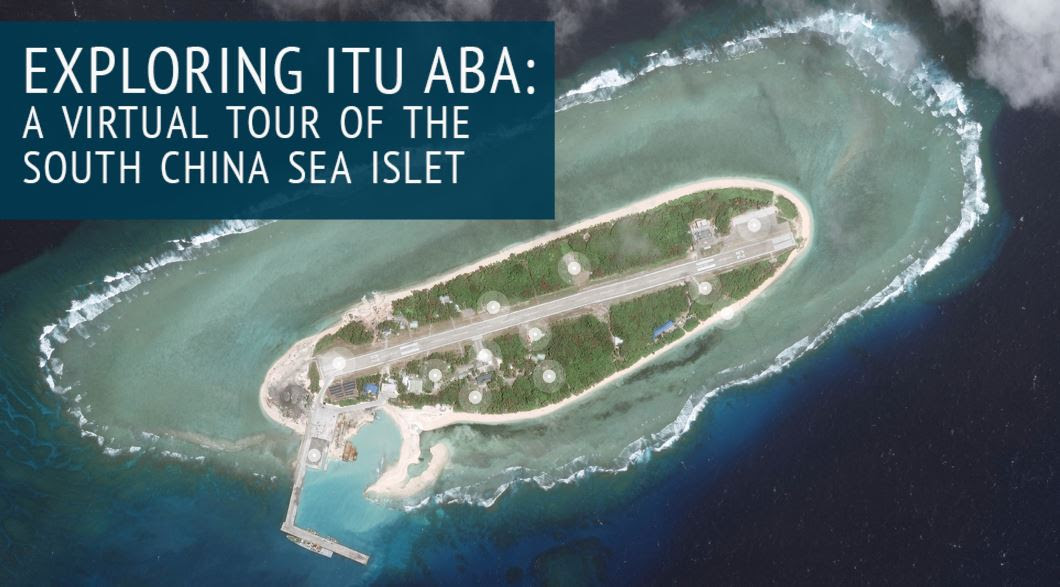
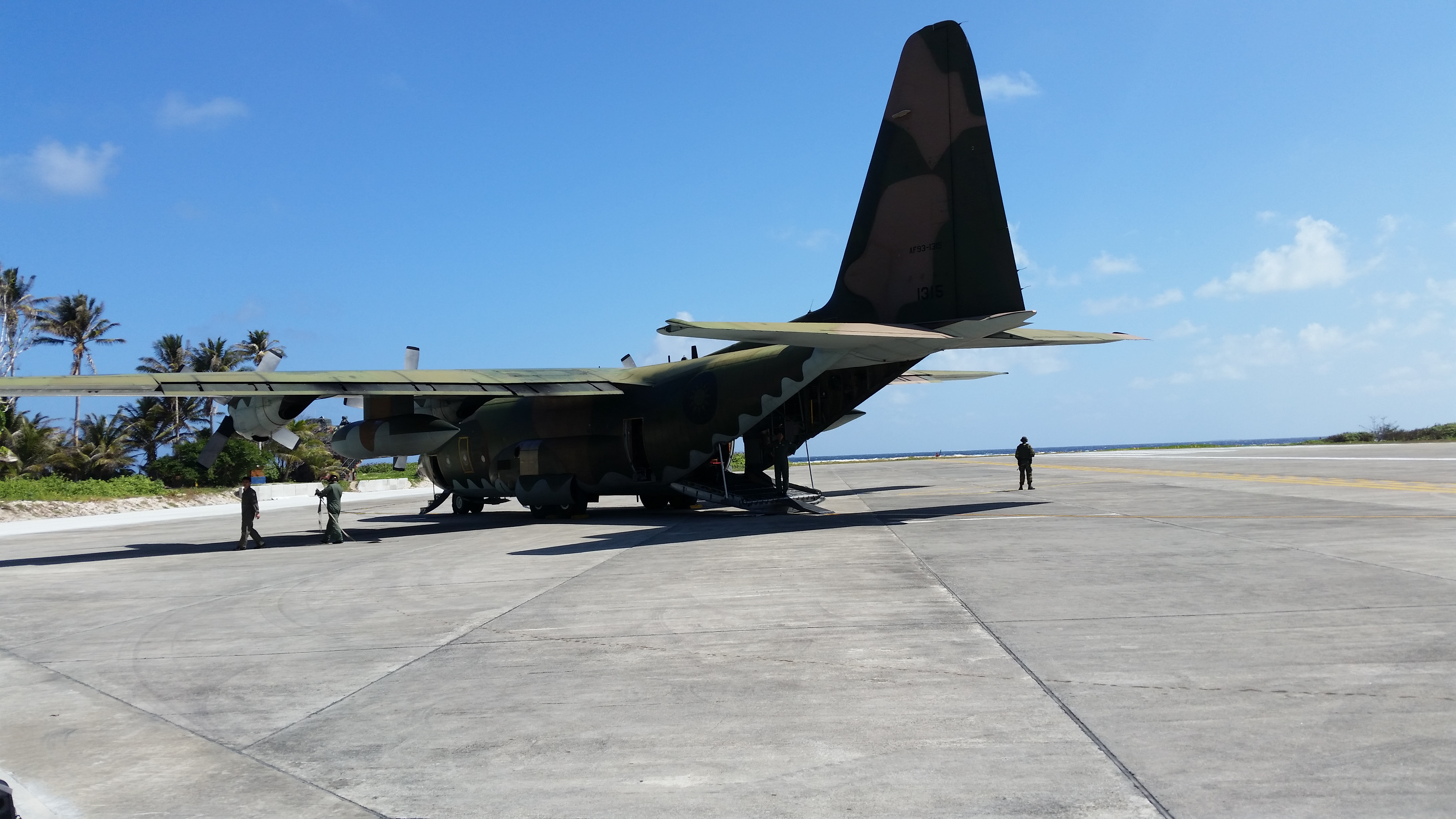
Tiếp tục đọc “Is There Drinkable Water and Topsoil on Itu Aba?”
Tháng: Tháng Ba 2016
Will Indonesia, Provoked, Now Choose to Lead on the South China Sea?
A confrontation between Indonesian and Chinese law enforcement vessels in the South China Sea over the weekend could mark a turning point in Indonesian foreign policy under President Joko “Jokowi” Widodo, forcing him to choose between two of his top priorities: attracting foreign investment – particularly Chinese investment – to fund his ambitious infrastructure agenda; and a more assertive defense of Indonesian territorial integrity and sovereignty over its natural resources. That, in turn, could herald a significant shift in diplomacy over the South China Sea. Tiếp tục đọc “Will Indonesia, Provoked, Now Choose to Lead on the South China Sea?”
Cá ngừ đại dương: có tiếng mà chưa có miếng – Vì sao cá ngừ Việt Nam không thể làm sushi?
Cá ngừ đại dương: có tiếng mà chưa có miếng
Ngọc Hùng – Thứ Hai, 21/3/2016, 21:07 (GMT+7)
 Làm sao để nâng cao chất lượng cá ngừ đại dương sau khi đánh bắt vẫn là một vấn đề nan giải của Việt Nam. Trong ảnh: một con cá ngừ đại dương trưng bày tại Lễ hội thủy sản tại Phú Yên. Ảnh: NH
(TBKTSG Online) – Cuối tháng 1-2016, Việt Nam đã mang 8 con cá ngừ đại dương sang Nhật Bản để đấu giá, và so với lần đấu giá năm 2014, chất lượng sản phẩm của Việt Nam đã cải thiện ít nhiều. Tuy nhiên, sự kiện nói trên cũng chỉ mang tính chất “trình diễn”, vì sản lượng cá ngừ Việt Nam thực tế vẫn chưa đáp ứng được yêu cầu trong nước, hàng năm vẫn phải chi hàng trăm triệu đô la Mỹ nhập khẩu cá ngừ cho tiêu dùng nội địa.
Deadly blast in Hanoi allegedly caused by man opening bomb with blow torch, police said
HANOI – Sunday, March 20, 2016 16:26

The large crater caused by the blast in Hanoi on March 19. Photo: Minh Chien
thanhniennews: The Ministry of Public Security has found traces of explosives and bomb debris at the site of a blast in Hanoi on Saturday that killed four people, injured 10 others and damaged more than 120 houses.
The explosion at about 3.10 p.m. at a scrap metal trading business seriously tore through 36 houses and damaged 95 others, and left a large crater in Van Phu residential area, Ha Dong District, the police said. Many vehicles along the street were damaged too.
Although the police was yet to officially pinpoint the cause of the blast, they speculated that it was ignited when the shop owner tried to cut open a bomb using a blow torch.
One of the perished victims was Pham Van Cuong, 42, who had rent the house for his scrap metal shop since 2013 and reportedly often used a blow torch to cut large scrap metal pieces, police said.
HẠN CHẾ XE CÁ NHÂN: Một thực tế bế tắc
21/03/2016 11:41 GMT+7
TTCT – Cảnh tượng các tuyến đường vào nội thành ùn tắc không khác gì những bãi đậu xe đang ám ảnh rất nhiều người dân TP.HCM. 12 năm trước, đề án “Hạn chế phương tiện giao thông cá nhân” tại TP.HCM (gọi tắt là xe cá nhân) giai đoạn 2005-2010 đã được Sở Giao thông công chánh (nay là Sở Giao thông vận tải) trình UBND TP nhưng chưa được phê duyệt.
 |
| Kẹt xe tại ngã tư Hàng Xanh (Q.Bình Thạnh, TP.HCM) -Thuận Thắng |
Đề án xe cá nhân tiếp tục là một hạng mục trong “Chương trình kéo giảm ùn tắc giao thông TP” giai đoạn 2011-2015, nhưng đến nay việc hạn chế xe cá nhân ở TP vẫn chưa được triển khai trên thực tế. Tiếp tục đọc “HẠN CHẾ XE CÁ NHÂN: Một thực tế bế tắc”
New Energy, New Geopolitics: Balancing Stability and Leverage

An assessment of how shale gas and tight oil in the United States is impacting energy, geopolitical and national security dynamics around the world.
CSIS – In early 2013, the CSIS Energy and National Security Program and the Harold Brown Chair in Defense Policy Studies assembled a broad multi-functional team to explore how shale gas and tight oil in the United States is impacting energy, geopolitical and national security dynamics around the world, with the intention of providing policymakers with a structured way to consider the potential risks and rewards of the new shale gas and tight oil resources.
The result was the report, “New Energy, New Geopolitics: Balancing Stability and Leverage” which concludes:
- Shale gas and tight oil have had important impacts on the global energy sector. It has changed energy trade flows, altered the investment outlook for energy projects, reordered the climate change debate, and has helped change the energy posture of the United States, to name a few.
- To date, the broader geopolitical impacts have remained limited. The uncertain trajectory of U.S. production, and even more uncertain, the potential for global production, make anticipating future impacts difficult.
- So far, perception leads reality when it comes to geopolitical and national security impacts. Many countries are acting on early interpretations of the shale gas and tight oil trend.
- A U.S. strategy for how to incorporate shale gas and tight oil developments into its current energy and national security strategies is still evolving. Going forward, U.S. policymakers face a choice between two strategic paths for managing shale gas and tight oil resources: “energy stability” or “energy leverage.”
- This report concludes that “energy stability” is the most prudent and robust approach against a range of potential energy futures and recommends that the United States pursue policies that hew more closely to an “energy-stability” approach.
In addition to the summary for policymakers and report, CSIS will publish three contributing reports- one on energy, one on geopolitics and national security, and one of scenarios, strategies and pathways. These contributing reports will offer greater detail to the analysis provided in “New Energy, New Geopolitics: Balancing Stability and Leverage.” Tiếp tục đọc “New Energy, New Geopolitics: Balancing Stability and Leverage”
Japan: How Energy Security Shapes Foreign Policy

thediplomat_Five years after the nuclear meltdown at Fukushima, public debates over nuclear power are still having an impact on Japan’s energy mix — and that, in turn, helps shape Japanese foreign policy. The Diplomat speaks with Jane Nakano, a senior fellow in the Energy and National Security Program at the Center for Strategic and International Studies, about the connection between Japan’s energy security concerns and its foreign policy decision making.
The Diplomat: What effect do you think the indictment and impeding trial of the three former TEPCO executives will have on the public debate in Japan over the future of nuclear energy? What other energy options does Japan have?
Nakano: The current public apprehension over, or opposition to, nuclear power generation in Japan seems to stem from their loss of trust in nuclear safety and governance. It is unclear as to what extent the indictment of TEPCO officials five years later may serve to restore the public confidence in nuclear safety and governance.
Diversification will remain to be the key in enhancing Japan’s sense of energy security. As fossil fuels will remain important in Japan, as in most of the industrialized economies around the world, Japan is focused on using natural gas—which is the cleanest type of fossil fuels—and advancing clean coal technologies while promoting the greater use of wind and solar.
How dependent is Japan on oil imports from the Middle East, and how does this shape Japan’s foreign policy approach to the region? Tiếp tục đọc “Japan: How Energy Security Shapes Foreign Policy”
Dự báo triển vọng phát triển công tác xã hội tại việt nam đến năm 2020
Nhân viên công tác xã hội tại Bệnh viện Việt Đức đang giúp đỡ bệnh nhân.
1. Sự phát triển CTXH trên thế giới
Lịch sử phát triển của xã hội loài người cho thấy trong xã hội luôn có những bộ phận dân cư có mức sống thấp hơn mức sống trung bình của cộng đồng cần đến sự trợ giúp của xã hội để duy trì sự tồn tại và nắm bắt cơ hội vươn lên đạt tới những mức sống cao hơn. Nắm bắt tâm lý khát khao sinh tồn và vươn lên của những con người có hoàn cảnh khó khăn đó, nhiều cá nhân có tấm lòng hảo tâm đã ra tay trợ giúp. Đây chính là nguồn gốc manh nha hình thành nghề CTXH hiện nay. Tiếp tục đọc “Dự báo triển vọng phát triển công tác xã hội tại việt nam đến năm 2020”
Project RENEW’s Prosthetics and Orthotics Mobile Outreach Program
LM – Project RENEW established a mobile outreach program to provide prostheses, orthotics and education to explosive remnants of war survivors in the remote communities of Vietnam.
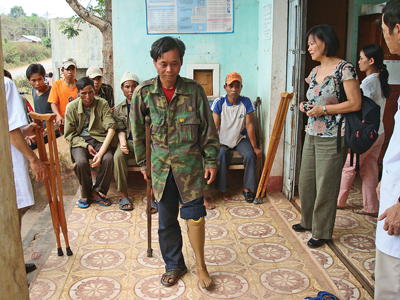
Susan Eckey, Former Deputy Director General for Humanitarian Affairs, Norwegian Ministry of Foreign Affairs, visits with the P&O team.
Photo courtesy of Dang Quang Toan/Project RENEW.
According to a 2014 report compiled by Vietnam’s Department of Labour, Invalids and Social Affairs, Quang Tri province currently has 37,292 persons with disabilities, 13,023 of whom were disabled by Agent Orange and 5,094 by explosive remnants of war (ERW).1,2,3 Disabled persons living in rural areas often live in poverty and do not have access to basic services. For those with injuries resulting from unexploded ordnance (UXO), prosthetics are difficult to obtain. Tiếp tục đọc “Project RENEW’s Prosthetics and Orthotics Mobile Outreach Program”
Trust Empirical View – Levels of Trust across Countries
ourworldindata – Levels of Trust by Country: ‘Generally speaking, would you say that most people can be trusted or that you need to be very careful in dealing with people?’ Possible Answers ‘Most people can be trusted’ or ‘Can’t be too careful’ – Max Roser1
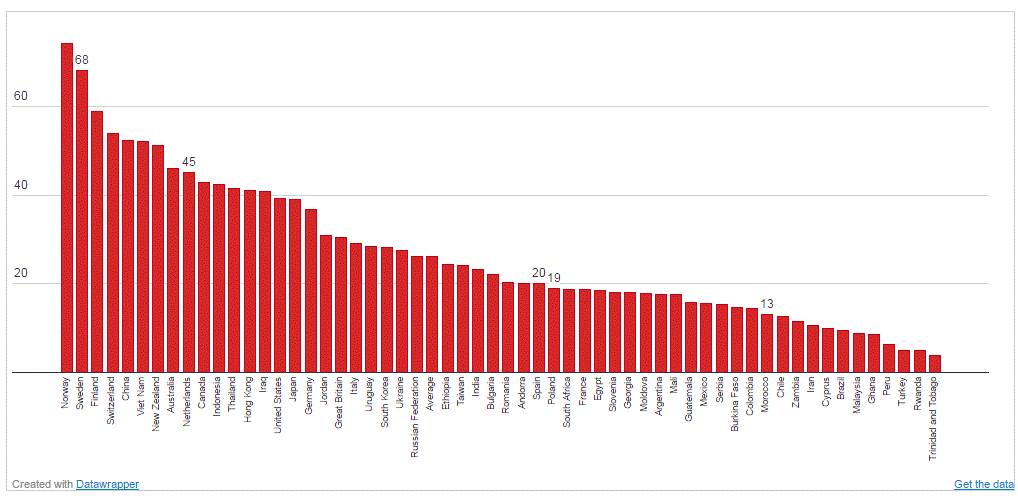
Correlates, Determinants & Consequences
Percentage of people who trust people in general vs GNP per capita – Beinhocker (2006)2
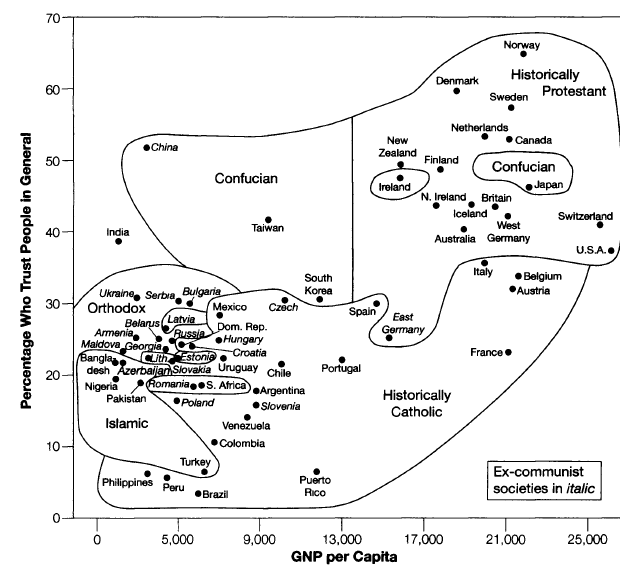
Percentage of people expressing high level of trust in others (2008) vs. income inequality by Gini index (mid-2000s) – Max Roser3
Mấy cảm nhận về sự khác biệt giữa giáo dục miền Nam và giáo dục miền Bắc
Vương Trí Nhàn Tạp chí Nghiên cứu và Phát triển, số 7-8 (114-115).2014
10:31′ SA – Thứ ba, 03/02/2015
Đối chiếu với những điều bọn tôi được dạy bảo từ nhà trường phổ thông và sau này từng coi là phương hướng suy nghĩ, với các tài liệu mới đọc được, càng thấy trong khi khác biệt với GDMN, thì GDMB cũng khác nhiều so với thế giới. Đủ hiểu tại sao sau khi đào tạo trong nước, ra tiếp xúc với xã hội hiện đại, cánh học sinh sinh viên miền Bắc bọn tôi thường ú ớ, lạc lõng, trong khi những người được GDMN đào tạo thì hội nhập rất tự nhiên và hiệu quả.
Tôi vốn là người làm nghề nghiên cứu văn học.Trong cái nghề thuộc loại công tác tư tưởng này, những năm trước 1975, tôi chỉ được phép đọc các sách báo miền Bắc, còn sách vở miền Nam bị coi như thứ quốc cấm. Có điều, không phải chỉ là sự tò mò, mà chính lương tâm nghề nghiệp buộc tôi không thể bằng lòng với cách làm như vậy. Tiếp tục đọc “Mấy cảm nhận về sự khác biệt giữa giáo dục miền Nam và giáo dục miền Bắc”
Học tiếng Anh tốt như người Philippines
VE –Gần 30% trẻ em Philippines chưa từng đến lớp hoặc tốt nghiệp tiểu học, nhưng nước này giỏi tiếng Anh thứ ba châu Á, hơn hẳn Việt Nam hay Nhật Bản, Hàn Quốc.

Tất cả các tấm biển báo giao thông ở Philippines đều bằng tiếng Anh.
Trở về từ Philippines, nữ nhà báo Amy Chaves đã ấn tượng với trình độ tiếng Anh của dân chúng nơi đây và cho rằng các nước châu Á khác có thể học hỏi cách quốc gia này đã làm như thế nào:
Sếu đầu đỏ trở về Tràm Chim sau 18 năm lưu lạc
13/03/2016 09:38 GMT+7
TT – Đầu tháng 3-2016, sau khi xem lại các bức ảnh một gia đình sếu đầu đỏ vừa chụp được, ông Nguyễn Văn Hùng – giám đốc Vườn quốc gia (VQG) Tràm Chim, Đồng Tháp – bất ngờ phát hiện một con sếu vốn là “cư dân” của vườn 18 năm về trước.

Con sếu (bìa phải) trở về Vườn quốc gia Tràm Chim 18 năm sau khi được đeo vòng khuyên và máy định vị – Ảnh: Nguyễn Văn Hùng
Đó cũng chính là con sếu đầu đỏ mà vào ngày 14-3-1998, ông Hùng đã cùng các chuyên gia quốc tế và trong nước đã bắt, gắn máy định vị và đeo vòng số 150-0364 vào chân. Khi ấy con sếu này mới 3 tuổi. Tiếp tục đọc “Sếu đầu đỏ trở về Tràm Chim sau 18 năm lưu lạc”
Cơ hội và thách thức của thủy sản Việt Nam khi hội nhập
Thứ 4, 09/03/2016 | 16:02 GTM +07
(vasep.com.vn) Xuất khẩu thủy sản của Việt Nam đã có những bước tiến lớn trong gần 20 năm qua. Kim ngạch xuất khẩu thủy sản từ mức thấp 550 triệu USD năm 1995 đã có những bước tăng trưởng mạnh mẽ qua từng năm với mức tăng trưởng bình quân 15,6%/năm và đã đạt 7,8 tỷ USD năm 2014. Quá trình tăng trưởng này đã đưa Việt Nam trở thành một trong 5 nước xuất khẩu thủy sản lớn nhất thế giới, giữ vai trò chủ đạo cung cấp nguồn thủy sản toàn cầu.
 Tiếp tục đọc “Cơ hội và thách thức của thủy sản Việt Nam khi hội nhập”
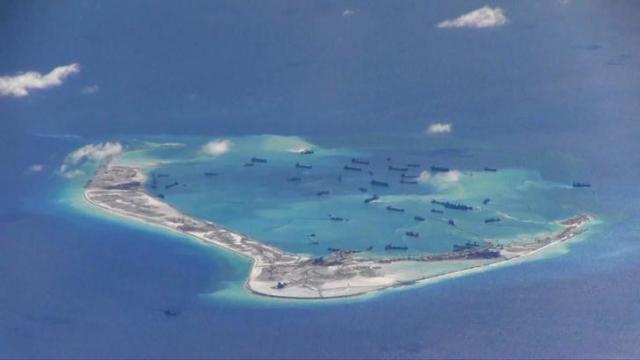
Exclusive: U.S. sees new Chinese activity around South China Sea shoal
 CVD
CVD 