Vì sao người Mỹ đang “trở nên giống người Trung Quốc”?
South China Morning Post – 22-2-2026
Uống nước chanh hoặc nước táo nóng, đi dép lê ở nhà, ăn cháo cho bữa sáng. Đây là những ví dụ về xu hướng lối sống mới đang lan rộng trên mạng xã hội toàn cầu, với nhiều người dùng tuyên bố họ đang “trở nên giống người Trung Quốc”. Các chuyên gia cho rằng trào lưu này có thể cho thấy sự phân hóa trong nhận thức, khi người dùng Internet Trung Quốc và Mỹ ngày càng tương tác trực tuyến trong bối cảnh căng thẳng địa chính trị giữa Trung Quốc và Mỹ leo thang. Tiếp tục đọc “Vì sao người Mỹ đang “trở nên giống người Trung Quốc”? – Why Americans are ‘becoming Chinese’?”→
No American or Allied POWs escaped from North Vietnamese territory 1964 to 1973. Some Allied personnel were able to escape from NLF Viet Cong captivity in South Vietnam from 1963 to 1972. Same with Laos and Cambodia, some personnel escaped from Pathet Lao or Khemer Rouge captivity
[TĐH; Very funny. All those simple hand-made booby traps and tunnels and even killing village leaders who cooperated with the South VN government or the US (which I don’t approve at all, and I call that Terrorism, to terrorize the Southern population) is no where near the US’ and South Vietnam government’s bombings, including B-52 “carpet bombing” to clean any path they flied by (if you heard the sound of B52, your were going to die; no way to run); Napalm bombings – burning you and everyone and the forests and everything ínsight; Agent Orange killing all the trees and left hundreds of thousands of people sick until today – third and fourth generations after the war. Saying the Vietnamese were brutal is like telling a six-year-old kid who punches the belly of a thirty-year-old man that the kid is brutal. Come on, you guys and gals, have some common sense. For God’s sake.]
The VC butchered their own people, making examples of village leaders who cooperated with the South Vietnamese government or the United States. Those are facts.
The VC constructed illegal booby traps, such as punji stick pits, bouncing bettys, cartridge tripwire traps, grenade tripwire traps, snake pits, the mace (photo), tiger traps, bamboo whips, and pressure release traps.
These traps were just as likely to kill or maim civilians as they were members of the ARVN or US military, as they were normally put on trails and near riverbanks.
[TDH : Trump the Idiot. Try to attack Vietnam or any coutry defending their home against foregn aggression war like Iran or Cuba – and you shall learn, be it military or economic or 1000% tariffs. You idiotic Joker are the shame for the US, where I am practicing law as a US citizen in Washingont DC. You shame me and millions of US citizens]
Defending Democracy Shawna Topanga SF State & ID State Univs, AS & BBS, Life & work experience Apr 22
George Wallace’s 1968 Presidential campaign featured Air Force General Curtis Lemay as the Vice Presidential nominee. Well Bombs Away Lemay also had an idea of how to end the Vietnam War quickly too: nukes. And, had he gotten any more traction than he did, there would have been lots of mushroom clouds over Vietnam … instead of having mushrooms in your dimsun soup in Hanoi.
There is a chapter about Cu Chi Tunnel in this book : Bare Feet, Iron Will Stories from the Other Side of Vietnam’s Battlefield. by James G. Zumwalt.
He came to Vietnam after the war, against Vietnamese but latterly changed his view a little bit. It is worth reading, easy to read from US perspective if you want to research about life in tunnels.
Below are introduction about background and the author via publisher in Amazon.
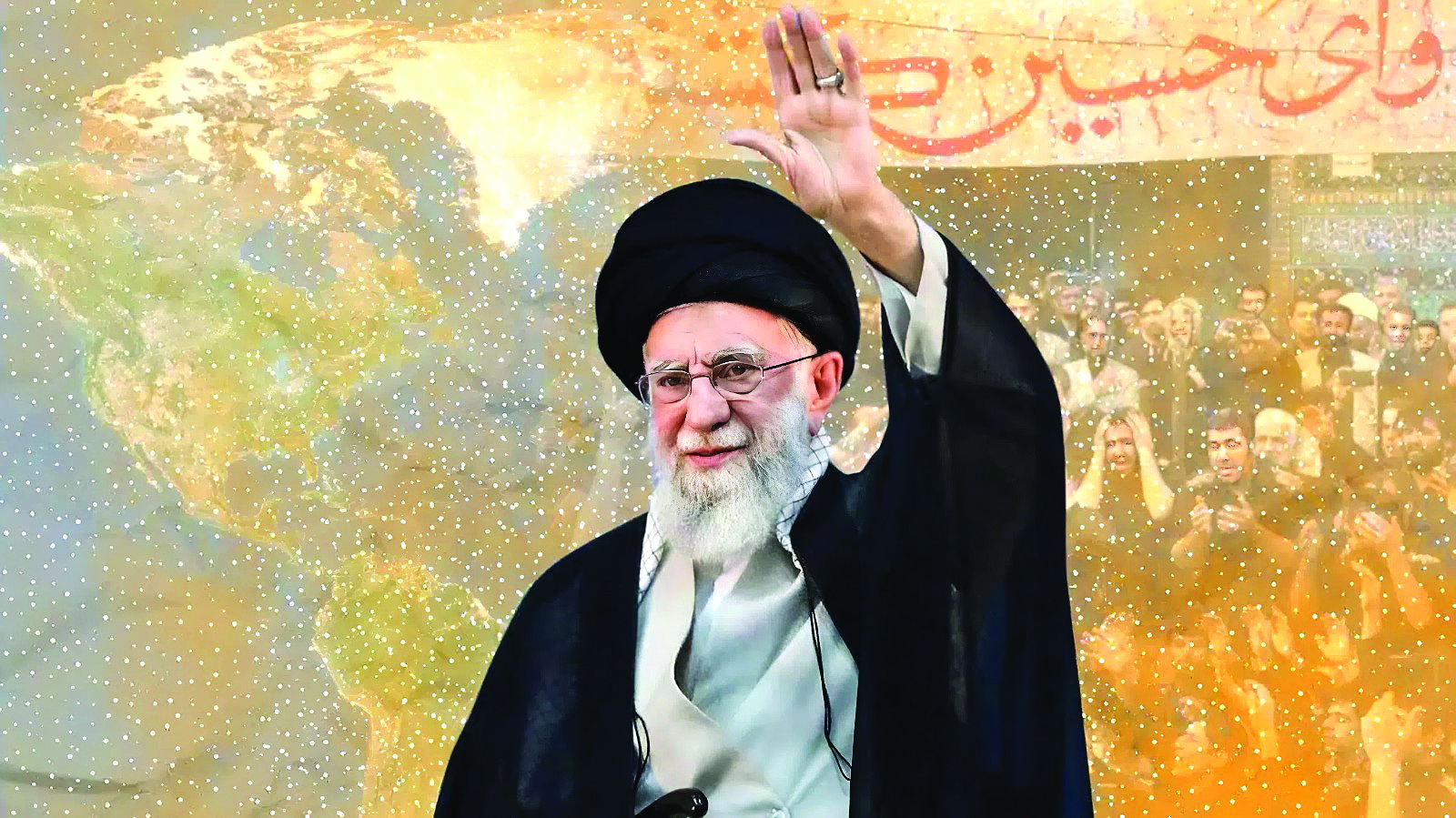
TTCT – Mối quan hệ giữa Iran và các nước láng giềng của họ ở vùng Vịnh và bán đảo A Rập là tầng tầng lớp lớp các yếu tố văn hóa, lịch sử, và tôn giáo, đã đảo lộn vì những can thiệp của phương Tây trong khoảng 150 năm qua.
Ảnh: The Siatsat Daily
Cuộc chiến do Mỹ và Israel phát động chỉ là diễn biến mới nhất trong quá trình đó mà thôi.
In short answer, during the Sino-Vietnamese War, after suffering a large number of casualties and before the coming of the Vietnamese crack troops, the Chinese People’s Liberation Army (P.L.A) had to withdraw their forces. The “road to Hanoi lay open and the city could have fallen to China” was also a war myth. In fact, all the roads from the border regions to Hanoi were heavily fortified and garrisoned by several main force divisions of the People’s Army of Vietnam (P.A.V.N).
The Viet Cong and North Vietnamese forces commonly wore rubber sandals (often called “Ho Chi Minh sandals” or dép lốp) for practical, tactical, economic, and cultural reasons. Key factors:
Cost and availability
Made from recycled car or truck tire soles, these sandals were extremely cheap to produce and easy to repair or replace in the field.
Local cobblers could cut and strap soles quickly using scrap materials, enabling mass distribution without industrial supply lines.
Durability and suitability for terrain
Thick tire rubber resisted sharp stones, thorns, and rough trails better than many civilian shoes.
Michael Rohde · Former Criminal Defense Investigator (1980–2003)6y
The North Vietnamese Army was a very capable force. The South Koreans in Vietnam, the Marines called them ROKs for Republic of Korea, were known as fierce fighters who also gave no quarter. Many considered their actions war crimes because they could be indiscriminate with their fire power and kill noncombatants.
TTCT – Ba Tư xuất hiện trong sử Assyria là 3.000 năm về trước, “Vùng đất có ngựa”, do một dân tộc du mục Trung Á đến định cư.
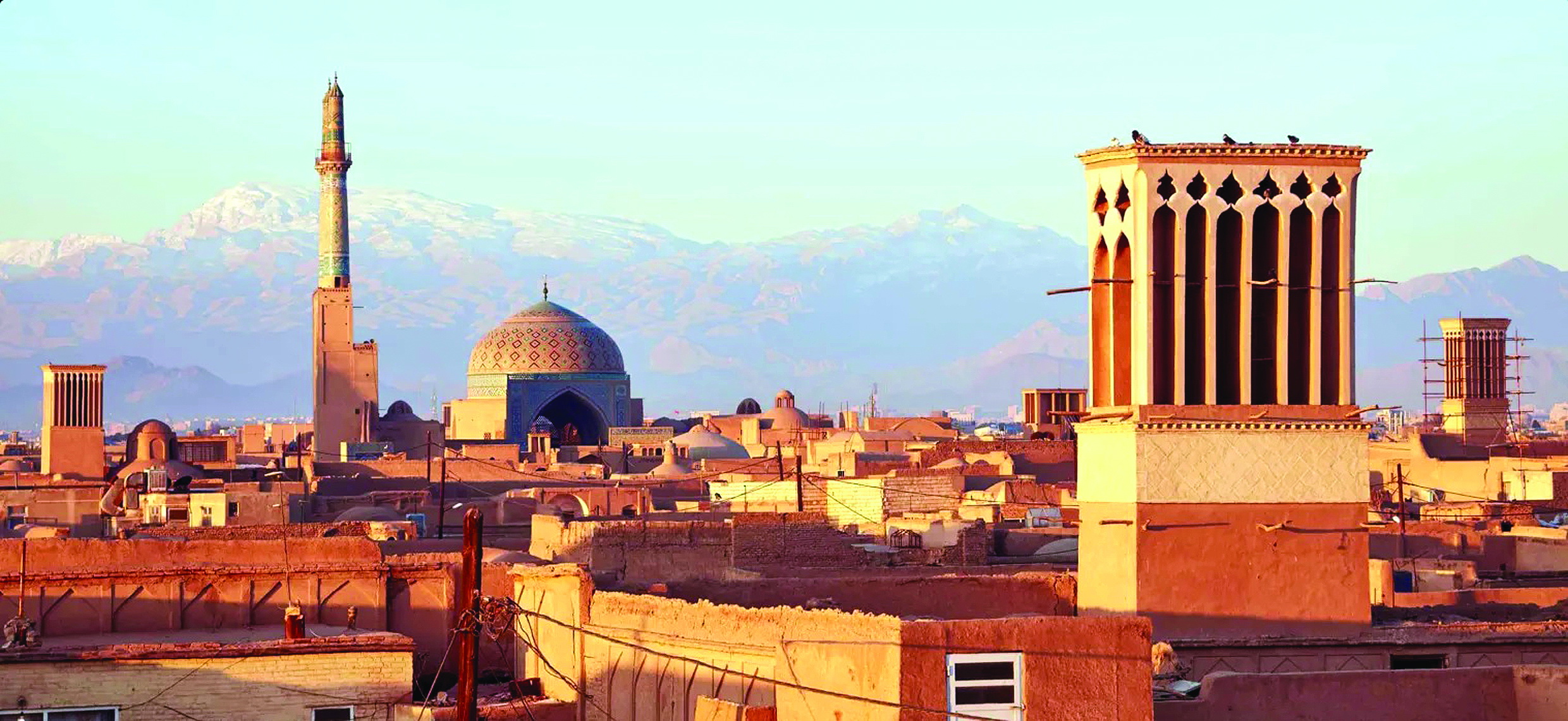
Khung cảnh thành phố Yazd cùng các di tích. Yazd là một trong những thành phố cổ xưa nhất của Đế chế Ba Tư, ở miền trung Iran ngày nay. Ảnh: odysseytraveller
Năm 550 trước Tây lịch, Cyrus Đại đế thành lập nhà Achaemenid. Đế quốc này lớn 5,5 triệu km2, tức là tương đương về diện tích với đế quốc La Mã hay đế quốc của Alexander Đại đế sau này, trải từ Đông Âu sang đến Ấn Độ và Bắc Phi.
Văn minh và văn hóa Ba Tư trở thành mẫu mực của thành Athens ở Hy Lạp. Bản thân Cyrus được người Do Thái thờ là Đấng Cứu thế sau khi ông giải thoát họ khỏi ách nô lệ của thành Babylon và cho họ trở về đất cũ.
Trong kinh thánh Do Thái, Cyrus là Đấng Cứu thế duy nhất không phải người Do Thái. Tôn giáo Ba Tư, Hỏa giáo (Zoroastrianism) có thể coi là tôn giáo độc thần đầu tiên ảnh hưởng dòng Abraham (Do Thái, Ki-tô lẫn Hồi giáo) và từng lan ra đến Thiên Sơn, Trung Quốc.
Original Question Near the end of the Vietnam war, the US had practically won. Viet Cong were surrendering in record numbers, their main forces annihilated and their leaders begging for peace. Why would the US pull out when they had utterly crushed the Vietnamese?
Well, first lets edit this for based on the history as the rest of the world knows it.
Question should be: Near the end of the Vietnam war, the US had practically won. Why would the US pull out when they had utterly crushed the Vietnamese?
Ah, that’s better.
Btw, we hadn’t utterly crushed them, but had made life much more intolerable than it had been the previous 7 years of open conflict. Enough so that the North Vietnamese were willing to negotiate an actual end.
In history, Iran has often been considered culturally connected with India. Both share a similar ancient past, and both regions experienced attempts of religious conversion during the spread of Islam. Iran eventually became fully Islamic, while India remained religiously diverse. The word “Iran” itself is believed to be derived from “Aryan.” Iran’s territory is about half the size of India’s. People living in hot, desert, and mountainous regions are often considered resilient, and Iran has a long history of wars.
Footage of an interview of Lee Kuan Yew, the Prime Minister of Singapore, conducted by Australian and British journalists.
Quote: “If the British withdraw, I am prepared to go on with the Austrialians and the New Zealanders. But, I am not prepared to go on with Americans. ….I think they are highly intelligent, often well-meaning, people, and some of their leaders like Mr. Kennedy, the late President, had signs, of growing greatness, depth. But, by and large, the administration lacks depth. But, by and wisdom which comes out of an accumulation of knowledge of human beings and human situations over a long period of time. That is lacking, and it is not their fault what have they got? Three, four hundred years of history, and they have become a nations just recently. I will tell you this. I have had three experiences, only three experiences, with the Americans. And, they did not intend any harm in each one of them. But, the tragedy was; they did real harm.”
Lee Kuan Yew was 44 at the time. He revealed an attempt in 1960 by an agent of the American Central Intelligence Agency (CIA) to bribe an official of the Singaporean Special Branch to report on the activities of the Singaporean state. He also revealed that the American agent was arrested and threatened with prosecution. But the case did not come to open court. He told the journalists that he sent a message to the American government, which he accused of “lacking finesse”, to give Singapore $100 million dollars for economic development. However, the Americans responded by offering Lee and his political Party $10 Million. He refused.
13 March 2026, London: Military tensions in West Asia are beginning to disrupt maritime traffic through the Strait of Hormuz, raising serious concerns for global energy markets, fertilizer supplies and vulnerable economies. In a rapid assessment titled “Strait of Hormuz disruptions: Implications for global trade and development,” UN Trade and Development (UNCTAD) has highlighted the potential risks posed by interruptions in one of the world’s most critical trade corridors.
The Strait of Hormuz carries nearly one quarter of global seaborne oil trade, along with large volumes of liquefied natural gas and fertilizers. Any disruption in this narrow passage therefore has immediate consequences for global energy prices, maritime transport costs and agricultural input supply chains.






 CVD
CVD 