
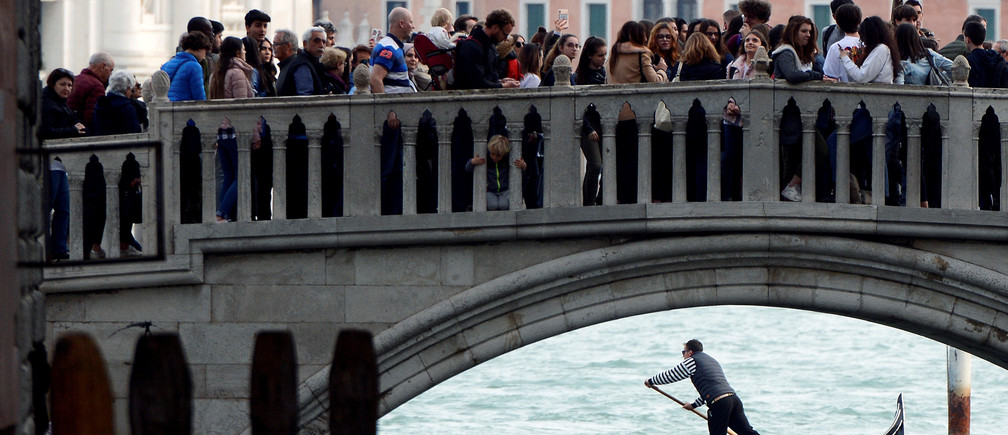
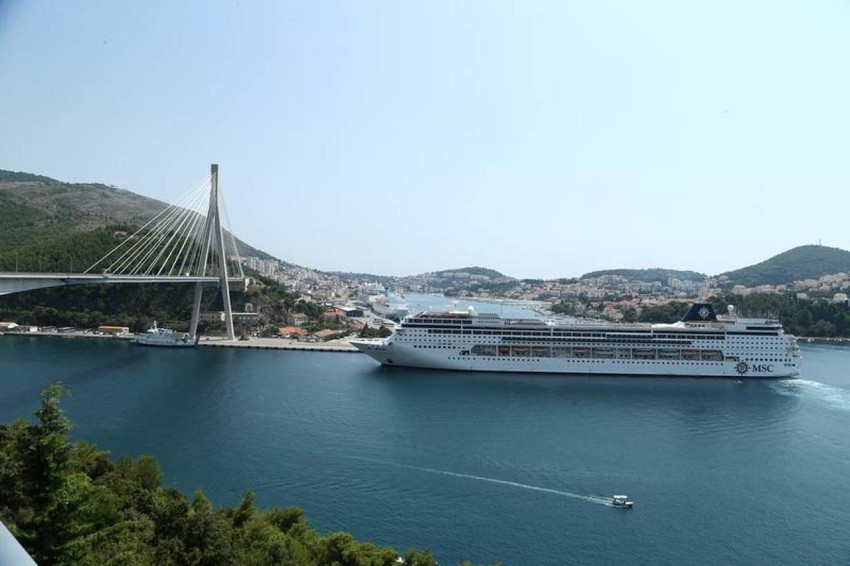
Today they pile off cruise ships and coaches, go on whirlwind tours run by non-locals, take umpteen selfies and buy little more than a cheap trinket made in China.As millions of holidaymakers head off for their summer break, increasing numbers of popular destinations are saying they cannot take much more.The Belgian city of Bruges is cracking down on cruise ships, Paris wants to limit coaches, Prague is fed up with beer bikes – and one Thai beach has banned tourists altogether.
While tourism creates jobs and wealth, there is growing awareness of its negative impacts, from environmental damage to the destruction of neighbourhoods as residents are priced out.
The problems have created a backlash, spawning anti-tourism movements and protests from Amsterdam to Rome and Dubrovnik, the Croatian city featured in the TV show “Game of Thrones”.
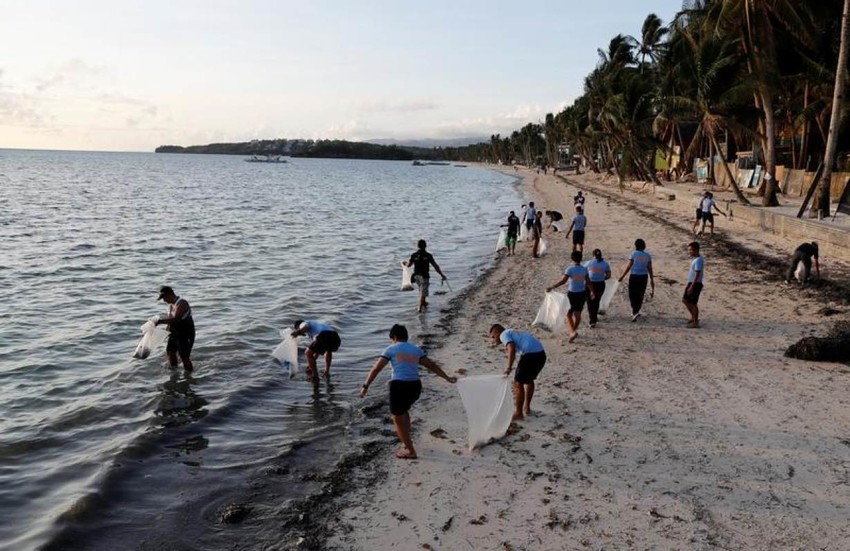
Soaring numbers
Mass tourism took off after World War Two. Last year there were 1.4 billion tourist arrivals, up from 25 million in 1950, according to the United Nations World Tourism Organization, with Europe absorbing half of them.
The nation generating the most tourists is China – 143 million trips abroad in 2017, while France and Spain receive the most visits – more than 80 million a year.

The boom is down to a fast-expanding global middle class combined with a proliferation of budget airlines and online travel agents which have made travel cheap and easy. A Londoner can fly to the south of France for less than 20 pounds ($25).
“The perception of going on holiday has shifted from being pretty much a privilege to becoming very much a right,” said Marina Novelli, professor of tourism and international development at the University of Brighton.
She said for decades tourism authorities and ministries have only measured success in terms of increased visitor numbers.
“This model no longer works and that’s probably the most important message to get out there,” she said, warning that overcrowding and “Disneyfication” in some places could destroy the charms that draw tourists in the first place.
“If we look at numbers only, and we don’t look in more detail at the impact – economic, social, environmental – we risk killing the goose that lays the golden egg.”

 CVD
CVD 