Phụ nữ trong khoa học: Những góc nhìn

TS – 07/03/2018 08:00 – Ann Hibner Koblitz*

Gần như tất cả các nền văn hóa trên thế giới đều có những nữ khoa học, nữ bác sĩ và nhà phát minh nữ nhưng vì nhiều lí do, tên tuổi của những người phụ nữ này vẫn bị khuất lấp hoặc không được ghi nhận. Đến thời kì “làn sóng nữ quyền lần thứ hai” trỗi dậy vào giữa những năm 1960 đến cuối những năm 1980, những nhà sử học theo chủ nghĩa nữ quyền đã khôi phục lại tên của vô vàn những người phụ nữ vĩ đại trong quá khứ, bao gồm các nhà khoa học và phát minh nữ. Những học giả này đã thách thức các định kiến giới trong những trang sử của hàng thế kỉ đã xóa đi những đóng góp của người phụ nữ trong rất nhiều lĩnh vực bởi các nhà sử học nam.


Nhà toán học Miryam Mirakhani. Ở Iran, quê hương cô, nghiên cứu toán học được coi là một nghề nữ tính. Trong ảnh là bìa của một tờ báo ngày tại Iran vinh danh Mirakhani sau khi cô qua đời. Tiếp tục đọc “Phụ nữ trong khoa học: Những góc nhìn”

Hoạt động phi nông nghiệp trong phát triển nông thôn: Chiến lược Nông thôn, Ngân Hàng Thế Giới, 2001

Download báo cáo tại đây


1.     Lời tựa

Giảm nghèo là một mục tiêu bao trùm của World Bank, và với 75% người nghèo trên toàn thế giới sống ở khu vực nông thôn, phát triển nông thôn là cấu phần quan trọng để tiến tới hoàn thành mục tiêu giảm nghèo. Theo yêu cầu của Giám đốc Ngân hàng Thế giới – WB, Wolfensohn, bộ phận phụ trách vấn đề nông thôn của WB đã soạn thảo chiến lược phát triển nông thôn sửa đổi, Tiếp cận Người nghèo ở nông thôn. Chiến lược này được thiết kế dựa trên liên kết chặt chẽ với các vùng và các cơ quan ban ngành có hoạt động liên quan đến vấn đề nông thôn. Các mục tiêu chủa chiến lược mới này nhằm hồi phục các hoạt động của WB ở nông thôn bằng cách a) Điều chỉnh khung chiến lược; và b) thiết lập các chương trình bao gồm các kế hoạch hành động cụ thể và khả thi. Chiến lược phát triển nông thôn mới đưa ra một tình hình nông thôn khác so với trước đây, và một dân số nông thôn đang phải đối mặt với nhiều vấn đề mới, đặc biệt là các thách thức và cơ hội mà người nghèo phải đối mặt trong bối cảnh toàn cầu hóa. Tầm nhìn và cách thực thi của chiến lược phát triển mới được xây dựng dựa trên bài học thành công trong quá khứ cũng như kết hợp các ý tưởng mới từ các mô hình phát triển khác. Tiếp tục đọc “Hoạt động phi nông nghiệp trong phát triển nông thôn: Chiến lược Nông thôn, Ngân Hàng Thế Giới, 2001”

World Bank: New research on development issues in Vietnam – Volume 10, number 3 (2018 February 27)


Download the report >>

Table of Content

Agriculture and Rural development

• Economic impact of climate change on agriculture using Ricardian approach: A case of northwest Vietnam.
• Investigating the impacts of typhoon-induced floods on the agriculture in the central region of Vietnam by using hydrological models and satellite data.
• Ecosystem Services of Traditional Homegardens in South and Southeast Asia.
• Efficiency of Different Integrated Agriculture Aquaculture Systems in the Red River Delta of Vietnam.
• Are Ecosystem Services Complementary or Competitive? An Econometric Analysis of Cost Functions of Private Forests in Vietnam.
• Cultivating forests: The role of forest land in household livelihood adaptive strategies in the Bac Kan Province of northern Vietnam.
• Mangrove forests and aquaculture in the Mekong river delta. Tiếp tục đọc “World Bank: New research on development issues in Vietnam – Volume 10, number 3 (2018 February 27)”

Tiếp thị hay truyền bá và củng cố định kiến giới ?

  • YẾN KHANH – HẠNH NGUYÊN
  • TTCT – 03.02.2018, 06:26
Tiếp thị hay truyền bá và củng cố định kiến giới ?
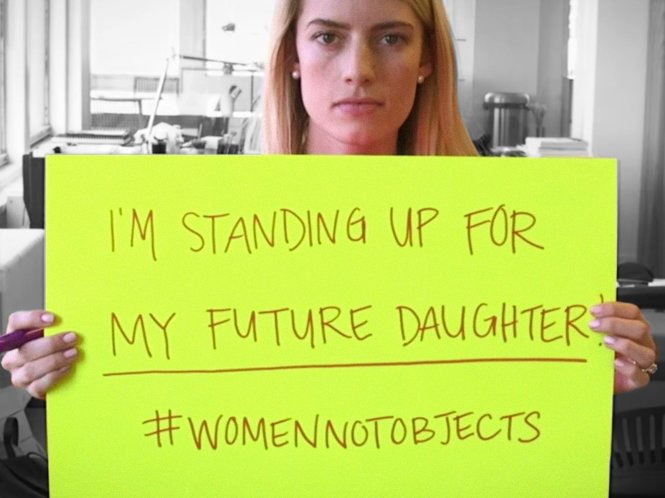
Chiến dịch #WomenNotObjects: “Tôi lên tiếng vì con gái tương lai của mình”. Ảnh: refinery29.com

Việc Hãng hàng không Vietjet sử dụng những cô gái trẻ ăn mặc hở hang tiếp đón đoàn cầu thủ Việt Nam đoạt giải á quân U-23 AFC trở về ngày 28-1 cho thấy nhận thức về phụ nữ trong cộng đồng các nhà tiếp thị và xã hội cần thay đổi.

Phụ nữ không phải đồ vật

Không khó để giải thích sự xuất hiện trên máy bay của tám cô gái đi catwalk trong trang phục y như trong bộ hình lịch bikini mà Vietjet vừa chụp đầu năm 2018.

Đây là kế hoạch tiếp thị có chuẩn bị, thống nhất với thương hiệu gắn liền với bikini của hãng hàng không đang dùng hashtag là #vietjetbikini trên mạng xã hội. Tiếp tục đọc “Tiếp thị hay truyền bá và củng cố định kiến giới ?”

Education and Skills for Inclusive Growth, Green Jobs and the Greening of Economies in Asia: Case Study Summaries of India, Indonesia, Sri Lanka and Viet Nam

© Asian Development Bank 2018. This book is an open access publication.

Download here https://www.adb.org/sites/default/files/publication/385041/education-skills-green-jobs.pdf

The green economy is a new economic paradigm which seeks to achieve economic development, while at the same time protecting the environment and achieving sustainable economic and social development. This requires transitioning to green jobs and green skills, and to creating new jobs in relation to the greening of workforces. Green jobs are relevant across all key sectors: agriculture, manufacturing, building, transport, tourism, and renewable energy. Skills acquisition and enhancement have great positive implications for all aspects of education and training, and for businesses.

Keywords Green jobs Green skills Green economy Green growth Sustainability Skills development priorities Waste management and recycling Renewable energy Skills acquisition and enhancement Skills toward sustainability Energy transition Smart cities Environmental goods and services Education and training

World Bank – New research on development issues in Vietnam – Volume 10, number 2 (2018 February 2)

New research on development issues in Vietnam – Volume 10, number 2 (2018 February 2)

Download full report here

Agriculture and Rural development

· Analysis of food demand in Vietnam and short-term impacts of market shocks on quantity and calorie consumption.
· The Challenges in Implementing Vietnam’s Nationally-Determined Contribution (NDC) in the Agriculture Sector under the Current Supporting Laws, Regulations, and Policies.
· Sustainable coffee supply chain management: a case study in Buon Me Thuot City, Daklak, Vietnam.
· Sustainable intensification of smallholder agriculture in Northwest Vietnam: Exploring the potential of integrating vegetables.
· Forest governance in Vietnam: A literature review.
· Performance Assessment of Irrigation Schemes and Water Pollution Issues Raised in the Red River, Vietnam.
· Self-governance and the Effects of Rules in Irrigation Systems: Evidence from Laboratory and Framed Field Experiments in China, India and Vietnam.
· Mapping land-use dynamic in the Vietnamese Mekong delta.
· Pig production and farm income in the pig value chain in Hung Yen and Nghe An provinces.
· Development of Climate-Related Risk Maps and Adaptation Plans (Climate Smart MAP) for Rice Production in Vietnam’s Mekong River Delta.
· Actively cautious: Industrialization and rural livelihood choices in contemporary northern Vietnam. Tiếp tục đọc “World Bank – New research on development issues in Vietnam – Volume 10, number 2 (2018 February 2)”

Liệu khai khoáng có thể bền vững được không?

English: Can mining be sustainable

>> Bài liên quan: Khoáng sản và phát triển bền vững

Tác giả Saleem Ali và Jamie Kneen, đối mặt với một câu hỏi thường trực, phải chăng khai thác khoáng sản vốn là không thể bền vững?

Ngày nay, rõ ràng “bền vững” là điểm cần chú ý của mọi doanh nghiệp, từ cửa hàng nhỏ cho đến các công ty đầu tư đa quốc gia. Khái niệm thực tế về bền vững có thể thay đổi, tuy nhiên các khái niệm bền vững đều đề cập về vấn đề việc đáp ứng các nhu cầu (mong muốn) hiện tại mà không gây ảnh hưởng xấu đến thế hệ tương lai. Khai thác khoáng sản mà bản chất là việc sử dụng nguồn nguyên liệu không thể tái chế đang là vấn đề thu hút nhiều cuộc tranh luận về khả năng bền vững. Khai thác khoáng sản có thể thực hiện một cách bền vững? Saleem H. Ali, Giám đốc Trung tâm Trách nhiệm xã hội trong khai thác mỏ  Đại học Queensland, Úc và Jamie Kneen, điều phối viên truyền thông và điều phối viên cho cơ quan giám sát khai khoáng MiningWatch Canada, đưa ra hai quan điểm về câu hỏi hóc búa này. Tiếp tục đọc “Liệu khai khoáng có thể bền vững được không?”

Khoáng sản và phát triển bền vững

WWF global

>> Bài liên quan: Liệu khai khoáng có thể bền vững được không? 

Khoáng sản là chất vô cơ tự nhiên xảy ra với thành phần hóa học và cấu trúc tinh thể xác định. Một số khoáng sản phổ biến là thạch anh, fenspat và mica. Con người sử dụng khoáng sản không chỉ để làm các vật dụng gia đình như dụng cụ đun nấu không gỉ, kính mắt, thậm chí cả đồ trang sức quý giá, mà còn là vật liệu để xây dựng nhà và tàu vũ trụ.

Với sự phát triển của ngành khai thác mỏ và các kỹ thuật chiết xuất tiên tiến, ngày càng có nhiều khu vực được phát hiện và lựa chọn để khai thác khoáng sản. Điều này dẫn đến mối quan ngại về tác động của việc khai thác mỏ đối với sức khoẻ của môi trường sinh thái và của người dân sống trong khu vực khai thác.

Khoáng sản là gì? Tiếp tục đọc “Khoáng sản và phát triển bền vững”

The Carbon-Free City Handbook

Rocky Mountain Institute

What is the Carbon-Free City Handbook?

The Handbook is a resource for city leaders around the world to take real and meaningful action toward their commitments with ready-to-implement, no regrets solutions that have proven success.

Debris remaining in pond and destruction from 1998 Hurricane Mitch in Savanna Bight village Guanaja Bay Islands Honduras

Why it Matters

Cities are at the forefront of climate change risk and opportunity. Nearly 600 cities making climate commitments, but they will only get us so far and must be substantiated with on-the-ground solutions that enable cities to make rapid progress toward near-term decarbonization, and put them on a path to full climate-neutrality.

Who’s Involved

The Handbook, developed with support from Rockefeller Brothers Fund, is an actionable resource for city mayors, chief sustainability officers, and other leaders who are in the drivers seat in making key decisions that shape their community’s future.

Download the handbook here https://www.rmi.org/carbonfreecities/

Xây dựng một tương lai tốt đẹp hơn: Việt Nam bùng nổ mạnh ngành sản xuất hàng may mặc đã thực sự đem lại lợi ích cho phụ nữ?

10 things to know about the future of water and sanitation

The world is transforming in many different ways.

These shifts – from climate change, to migration, to new technology and urbanisation – will have a significant impact on the management of water resources and related services such as sanitation. This impact will be both positive and negative, throwing up a variety of new opportunities and challenges, for people and economies.

But how can we make the most of the opportunities and face the challenges?

Here, we outline 10 things to know about the future of water and sanitation up to 2030, to do just that.

This publication is accompanied by the working paper Future flows: global trends to watch on water and sanitation. Tiếp tục đọc “10 things to know about the future of water and sanitation”

Cách mạng bền vững: ba xu hướng trường đại học và sinh viên toàn cầu đang thực hiện

English: Three ways Universities and their students are revolutionalizing Sustainability 

Là những nơi đi đầu về tri thức và sáng tạo, các trường đại học được trông đợi là nơi kiến tạo tương lai bền vững. Đây là nơi mà những chuyên gia nghiên cứu về những vấn đề mới nổi và đưa ra những ý tưởng mới. Đây cũng là nơi tập trung vô số những sinh viên trẻ giàu lý tưởng và dễ thích nghi, là những người được huy động để bảo vệ tương lai của chính họ. Vì vậy, một cách tự nhiên, nhiều ý tưởng bền vững cấp tiến được được sản sinh từ trường đại học.

Các trường đại học trên toàn thế giới hiện đang nỗ lực cắt giảm xu hướng lãng phí cũng như thúc đẩy một không gian khuyến khích ý thức về môi trường. Sau đây là ba lĩnh vực liên quan đến cuộc sống trong khuôn viên mà các trường đại học đang tìm cách trở nên xanh hơn.

1.     Thúc đẩy lối sống bền vững thông qua các sáng kiến về giao thông

Một trong những vấn đề cấp bách có liên quan đến sự bền vững về môi trường trong các trường đại học là việc di chuyển, đi lại. Trong một nghiên cứu năm 2011 bởi Complete College America cho biết có 75% sinh viên đại học ở Mỹ đến trường bằng ô tô, xe buýt và các loại phương tiện thải các bon khác. Nhìn chung, ngành giao thông là một trong những ngành đóng góp khí thải nhà kính nhiều nhất ở Mỹ. Tiếp tục đọc “Cách mạng bền vững: ba xu hướng trường đại học và sinh viên toàn cầu đang thực hiện”

Top 10 HAPPY environmental stories of 2017

Mongabay.com

  • Throughout 2017, scientists discovered new populations of rare wildlife, and rediscovered some species that were previously thought to be extinct.
  • Some countries created large marine protected areas, while a few others granted land rights to indigenous communities.
  • In 2017, we also saw the ever-increasing potential of technology to improve conservation monitoring and efforts.

The past year may have seemed like doom and gloom for the environment, but there was plenty to be thankful for. So once again, we bring you some of the happier environmental stories of 2017 (in no particular order). These include rediscoveries of species that were once thought to be extinct, local communities being granted land rights, and the emergence of new technologies that are boosting conservation efforts.

1. New populations of rare wildlife were found

This year, conservationists discovered some new populations of threatened wildlife. Take, for example, the helmeted hornbill (Rhinoplax vigil). A research team recorded a new and “unexpectedly rich population” of this critically endangered bird in western Borneo. For a species that is now nearly extinct because of poaching, this discovery boosts hope for its future.

It was good news for the Grauer’s gorilla (Gorilla beringei graueri) as well. Surveys in the Democratic Republic of Congo’s Maiko National Park revealed several previously uncounted individuals of Grauer’s gorillas in just 1 percent of the park. The researchers think that there might be many more gorillas living inside the largely unexplored 10,885-square-kilometer (4,000-square-mile) park. Tiếp tục đọc “Top 10 HAPPY environmental stories of 2017”

World Bank – New research on development issues in Vietnam – Volume 10, number 1 (2018 January 8)

Download full report >>

Table of content

Agriculture and Rural development

• Market implications of the integration scenario of Southeast Asian rice markets.
• Understanding smallholder farmers’ capacity to respond to climate change in a coastal community in Central Vietnam.
• The water-land-food nexus of natural rubber production.
• Assessment of household risk management strategies for coastal aquaculture: the case of clam farming in Thaibinh Province, Vietnam.
• Agroforestry: Contribution to food security and climate-change adaptation and mitigation in Southeast Asia: WHITE PAPER.
• The role of State Forest Enterprises in the payments for Forest Environmental Services Programme in Vietnam.
• Enhancing farmers’ market power and income in the pig value chain; a case study in Bac Giang province, Vietnam.
• The political economy of policy exceptionalism during economic transition: the case of rice policy in Vietnam.
Tiếp tục đọc “World Bank – New research on development issues in Vietnam – Volume 10, number 1 (2018 January 8)”

World Bank – New research on development issues in Vietnam – Volume 9, number 24 (2017 December 20)

Download full document here >>

Table of Content

Agriculture and Rural development

      • Impact of International Experience and Innovation Capacity on the Export Performance of Vietnamese Agricultural SMEs.
      • Impact of Climate Change on the Technical Efficiency of Striped Catfish, Pangasianodon hypophthalmus, Farming in the Mekong Delta, Vietnam.
      • Designing river flows to improve food security futures in the Lower Mekong Basin.
      • Effectiveness and efficiency of community-based forest management in Hoang Lien National Park, Lao Cai Province.
      • Synergies among climate change and biodiversity conservation measures and policies in the forest sector: A case study of Southeast Asian countries.
      • Livestock Production, Rural Poverty, and Perceived Shocks: Evidence from Panel Data for Vietnam.

Tiếp tục đọc “World Bank – New research on development issues in Vietnam – Volume 9, number 24 (2017 December 20)”