I'm from Hanoi, Viet Nam.
I'm an author of Dot Chuoi Non (dotchuoinon.com/author/hangbelu/), a blog on Positive thinking, founded by Dr. Tran Dinh Hoanh, an attorney in Washington DC.
I'm a co-founder of Conversations on Vietnam Development - cvdvn.net, a virtual think tank. I am a co-founder of two companies in Viet Nam working on children education services. I advise companies on STEAM education, English language education for children and students in Vietnam.
I'm studying the Buddha's teaching and the teaching of Jesus. I practice mindful living including meditation.
I hold a PhD on Sustainable Energy Systems from University of Lisbon and Aalto University.
I graduated from Hanoi University of Technology on Environmental Engineering. I obtained a Master degree of the same major from Stanford University and Nanyang Technological University.
My English-language blog at: hangbelu.wordpress/.
I play table tennis as a hobby.
Climate security refers to the impacts of the climate crisis on peace and security, particularly in fragile and conflict-affected settings.
Climate change impacts can trigger competition over natural resources, insecure livelihoods, and mass displacement, increasing the risk of social tensions and instability.
Investing in climate action can be an opportunity to strengthen cooperation, rebuild trust, and mend the social fabric in fragile and conflict-affected settings.
UNDP supports countries in fragile settings align responses to climate change with conflict prevention and peacebuilding actions.
What is climate security?
Climate security refers to the impacts of the climate crisis on peace and security, particularly in fragile and conflict-affected settings.
Climate change can exacerbate food, water, and livelihood insecurity, with cascading effects such as increased competition over natural resources, social disruptions, and displacement. This can lead to increased tensions, conflict, and instability in a country or region.
In settings where conflict already exists, the impacts of climate change can aggravate or prolong it, making it more difficult to reach and sustain peace. Conflict can in turn disrupt or impede climate action, either through the active destruction of energy, water, and agricultural assets, or by delaying or blocking mitigation and adaptation interventions.
Why does climate security matter?
By 2030, climate change could push up to 130 million more people into poverty, not only exacerbating existing vulnerabilities, including food and water insecurity, but also socio-economic fragility, and political grievances. Within already fragile settings, these impacts can escalate security challenges and worsen instability. Furthermore, climate-related security risks often affect women at disproportionate levels.
By Christina Ameln, Sustainability Strategist and Advisor –
The EU’s Corporate Sustainability Reporting Directive (CSRD) is the most ambitious reporting directive putting climate, nature and social impacts (non-financial) equal to financial reporting. While it might seem as a regulation aimed exclusively at companies in the EU, the impact will be wide-reaching. Non-EU companies will also feel the impact, including in Vietnam. The potential significance of this regulation on Vietnamese companies, investments and especially Vietnam’s supply chain cannot be ignored.
For us to understand the impact, let’s review the:
European Sustainability Reporting Standards (ESRS);
Impact on Vietnam with a focus on company, investors and value chain with suppliers as the focus; and
How this is not just about compliance but how organizations will put sustainability strategically front and center.
EU Ambitions: Green Deal
Let’s take a step back to understand where this all originates. In 2020, the European Commission launched its ambitious European Green Deal. The goal is to become the first climate-neutral continent by 2050. And among other sustainability related goals, the Green Deal aims to reduce Europe’s greenhouse gas emissions by 2030.
But the EU cannot do it alone.
Market participants, such as corporates to financial market players, play an important role in achieving and contributing to these targets in shifting away from an economy that encourages carbon-intensive business to one that drives transformation to a zero-carbon society. There is also the question of funding: According to the EU Commission, Europe will need an estimated EUR 350 billion in additional investment per year over this decade to meet its 2030 emissions-reduction target in energy systems alone, alongside the EUR 130 billion it will need for other environmental goals.
Hồ thủy lợi Biển Lạc ở tỉnh Bình Thuận được đầu tư xây dựng hàng chục tỷ đồng từ năm 2006 nhằm chào mừng Đại hội Đảng toàn quốc lần thứ 10 rồi bỏ hoang từ đó đến nay.
Từ trên cao nhìn xuống, nhiều người sẽ nghĩ đây là những đầm nuôi tôm hay là thửa ruộng trên một cánh đồng nào đó ở đồng bằng. Nhưng thực chất đó là hồ thủy lợi Biển Lạc. Hồ thủy lợi Biển Lạc diện tích hơn 1000 hecta nằm trên địa bàn 2 huyện miền núi Tánh Linh và Đức Linh của tỉnh Bình Thuận. Những ô nhỏ là ao, hồ, di chứng do hoạt động khai thác khoáng sản vô tội vạ hàng chục năm qua tạo nên.
Trong lòng hồ, hàng chục con tàu khai thác cát neo đậu. Những núi đất sét, cát hàng nghìn m3 tập kết quanh lòng hồ khiến người ta khi nhìn vào không biết đây là một hồ thủy lợi.
Lòng hồ bị đào bới nham nhở, chia tách thành từng ô thửa nhỏ. Mặc sức ai mạnh thì bao chiếm, nơi khai thác khoáng sản, chỗ trồng lúa, nơi trồng sen, nuôi cá…
Cùng tìm hiểu vấn đề này mới quý vị và các bạn theo dõi nội dung chương trình!
Không có bất cứ hàng hóa và sản phẩm nào được phép đưa vào thị trường châu Âu nếu chúng được sản xuất trên đất bị chặt phá rừng hay suy thoái rừng…
Sản phẩm sản xuất trên đất chặt phá rừng sẽ không được phép vào thị trường châu Âu. Ảnh: UNDP
Ngày 24/2, Chương trình Phát triển LHQ (UNDP), Liên minh châu Âu, và Tổng cục Lâm nghiệp trực thuộc Bộ Nông nghiệp và Phát triển nông thôn phối hợp tổ chức hội thảo kỹ thuật về sản xuất và thương mại nông sản không gây mất rừng.
Hội thảo là cơ hội để đại biểu lắng nghe ý kiến đa dạng từ các diễn giả với hiểu biết và kinh nghiệm quý giá liên quan tới sản xuất và thương mại nông sản không gây mất rừng.
Theo ông Patrick Haverman, Phó Trưởng Đại diện Chương trình Phát triển Liên hợp quốc (UNDP) tại Việt Nam, việc phá rừng và suy thoái rừng đang là những nguyên nhân quan trọng gây ra biến đổi khí hậu và mất mát đa dạng sinh học trên toàn cầu.
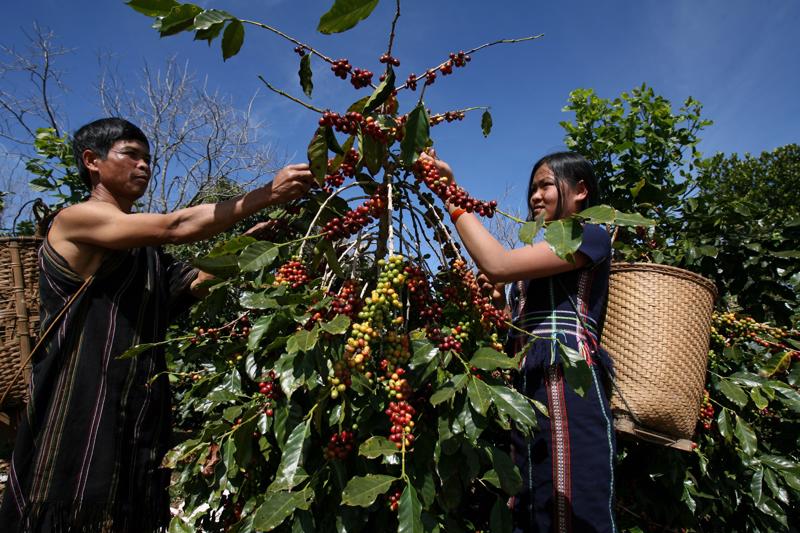
Các hàng hóa dự kiến sẽ chịu tác động bởi Quy định này gồm: Dầu cọ, đậu nành, gỗ, gia súc, ca cao, cà phê, cao su và một số sản phẩm có nguồn gốc từ đó (ví dụ: sôcôla, đồ nội thất, lốp xe, sản phẩm in).
Việt Nam là quốc gia có tốc độ tăng trưởng kinh tế vượt bậc trong suốt ba thập kỷ vừa qua và là trọng tâm trong danh mục đầu tư của các chính phủ nước ngoài và đa phương. Tuy nhiên, trong những năm vừa qua, tăng trưởng kinh tế đã kèm theo sự gia tăng đáng kể trong tiêu dùng, từ đó dẫn đến phát sinh một lượng lớn chất thải. Ước tính hàng năm Việt Nam phát sinh khoảng 3,7 triệu tấn chất thải nhựa sau sử dụng, con số này tăng khoảng 6,2% mỗi năm. Mặc dù, Chính phủ, ngành và tổ chức xã hội dân sự đã đưa ra những cam kết mạnh mẽ nhằm quản lý lượng chất thải này, tình trạng rò rỉ chất thải nhựa ra môi trường nước dự đoán sẽ tiếp tục tăng khoảng 106% trong giai đoạn từ năm 2008 đến năm 2030, tương đương từ 182.000 tấn đến 373.000 tấn mỗi năm. Năm 2019, Chính phủ Việt Nam đã bắt đầu hợp tác với Chương trình Đối tác Hành động Toàn cầu về Nhựa (GPAP), một nền tảng đa chủ thể do Diễn đàn Kinh tế Thế giới (WEF) khởi xướng. Đồng thời, vào ngày 23 tháng 12 năm 2020, Chương trình Đối tác Hành động Quốc gia về Nhựa tại Việt Nam (NPAP) đã được khởi động nhằm thực hiện các hành động cấp bách và chưa từng có tiền lệ liên quan đến vấn đề rò rỉ nhựa. Chương trình NPAP Việt Nam được thành lập với sự tham gia của Phó Thủ tướng Trịnh Đình Dũng, Chủ tịch WEF ông Borge Brende, Bộ trưởng Bộ Tài nguyên và Môi trường (Bộ TNMT) Trần Hồng Hà và các lãnh đạo chủ chốt.
Tiếp tục đọc “Hành động Quốc gia giảm ô nhiễm Nhựa tại Việt Nam – Viet Nam National Plastic Action Partnership”→
Rapid economic progress in Viet Nam has been accompanied by a huge increase in consumption and, as a result, waste – particularly plastic waste. It is estimated that Viet Nam’s post-consumer plastic waste will rise by 36% from 2018 levels by the year 2030. 1 Despite major commitments from the government, business and civil society, plastic waste leakage into the country’s water bodies is expected to increase by 106% between 2018 and 2030, to 373,000 tonnes per year.2 The intersectional gender context assessment report on the plastic value chain in Viet Nam is an initiative under the framework of the NPAP Viet Nam. Its aim is to highlight the gender and inclusion gaps and inequalities that exist throughout the plastic value chain, which can inform the development of gender-responsive and inclusive policy options for addressing plastic waste pollution in Viet Nam. Executive summaryGender Context Assessment of the Plastic Value Chain in Viet Nam 6
[VOV2] – Hội thảo đã gợi mở những trao đổi hiệu quả về vai trò của phụ nữ và cách thức giúp nâng cao bình đẳng giới, phát triển toàn diện trong quản lý rác thải nhựa ở cấp hộ gia đình và cộng đồng.
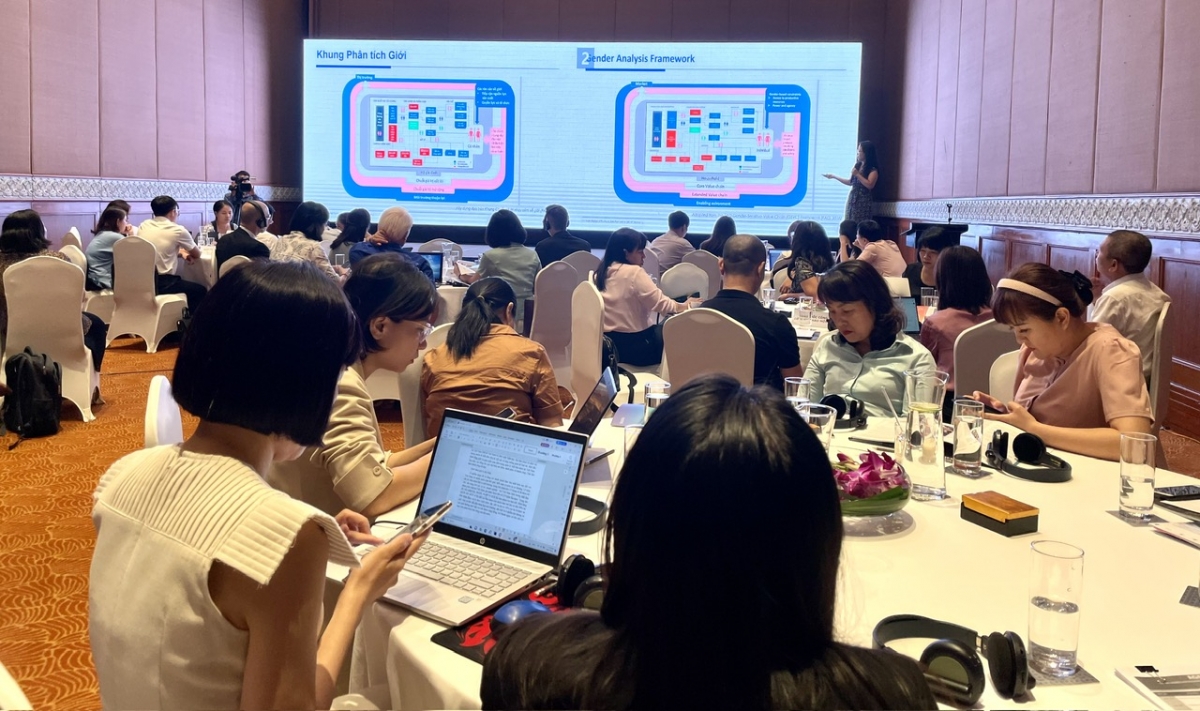
“Cần thiết phải lồng ghép các vấn đề bình đẳng giới và phát triển toàn diện trong bản kế hoạch hành động chung của Trung ương Hội liên hiệp Phụ nữ Việt Nam, Đại sứ quán Canada, Chương trình Phát triển của Liên hợp quốc tại Việt Nam (UNDP Việt Nam) và các thành viên tích cực khác thuộc mạng lưới Chương trình đối tác hành động Quốc gia về Nhựa (NPAP). Cụ thể sẽ đề xuất tích hợp những giải pháp đơn lẻ thành nền kinh tế tuần hoàn nhựa bền vững và toàn diện, bằng cách tận dụng nguồn lực từ các nhà hoạch định chính sách, chuyên gia, doanh nghiệp và đối tác phát triển”. Đây là nội dung được đưa ra tại Hội thảo về Bình đẳng giới và Phát triển toàn diện trong quản lý chất thải nhựa do Trung ương Hội liên hiệp Phụ nữ Việt Nam hợp tác cùng Đại sứ quán Canada tại Việt Nam và UNDP Việt Nam vừa tổ chức mới đây tại Hà Nội.
Hội thảo về Bình đẳng giới và Phát triển toàn diện trong quản lý chất thải nhựa
Hội thảo nhằm mục đích chia sẻ kết quả “Báo cáo đánh giá hiện trạng về giới (GESI) trong chuỗi giá trị nhựa tại Việt Nam” của Chương trình đối tác hành động Quốc gia về Nhựa (NPAP), cũng như nâng cao nhận thức của đối tác quốc gia và các bên liên quan trong thúc đẩy bình đẳng giới và phát triển toàn diện thuộc lĩnh vực quản lý chất thải nhựa.
Hội thảo đã gợi mở những trao đổi hiệu quả về vai trò của phụ nữ và cách thức giúp nâng cao bình đẳng giới, phát triển toàn diện trong quản lý rác thải nhựa ở cấp hộ gia đình và cộng đồng.
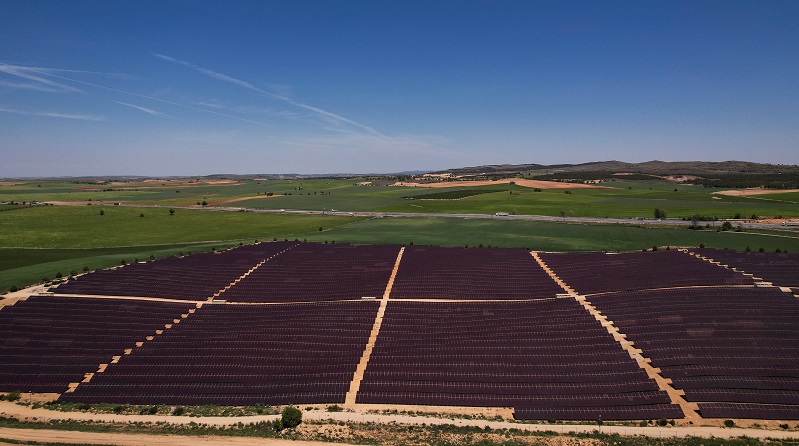
A Spanish solar plant in 2022 (REUTERS/Guillermo Martínez)
London’s High Court has ruled that two investors in Spanish solar energy plants are entitled to seize a Spanish property in London to enforce a judgment in a long-running dispute over renewable energy incentives.
The court’s interim charging order – meaning it is not yet final and can be objected to by the debtor – was issued on Wednesday but made public on Friday.
A recent study by Charles River Associates (CRA) outlines some worrying trends for global mining as the industry continues to expand and push into new markets.
The Toronto-based consultants, specialising in economic litigation found disputes between governments and investors involving mineral assets are growing rapidly – with 60% of all arbitrations over the last fifty years filed in the last decade.
Without a country to call their own, millions of people experience discrimination and persecution.
Last Updated January 10, 2023
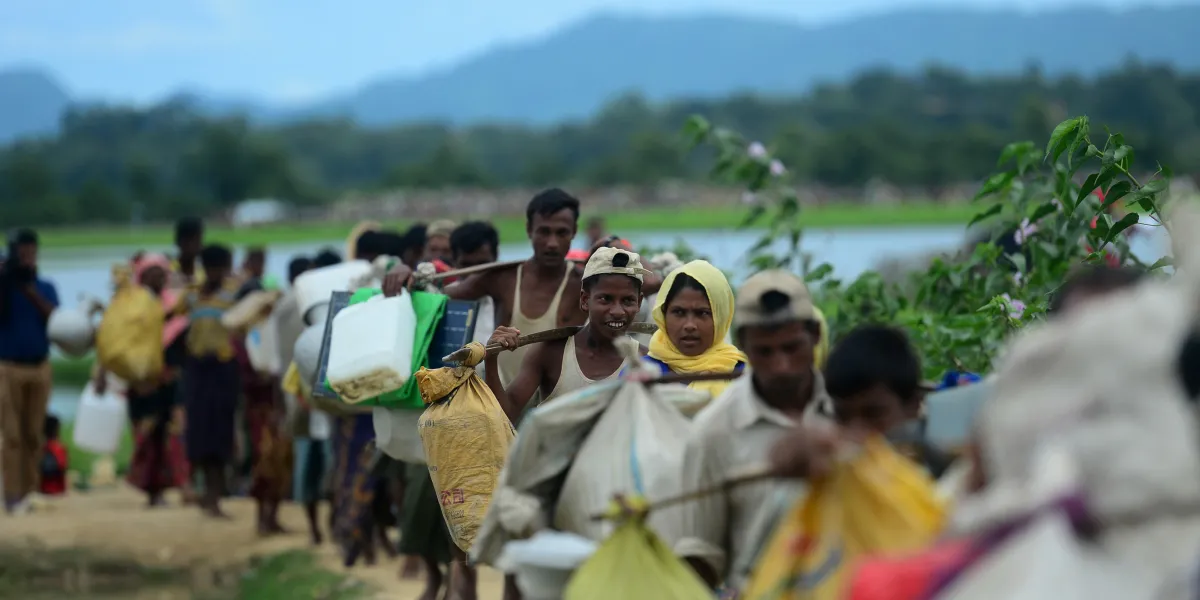
Rohingya walk near the no man’s land area between Bangladesh and Myanmar in the Palongkhali area next to Ukhia on October 19, 2017. Source: MUNIR UZ ZAMAN/AFP via Getty ImagesSHARE
Every two years, athletes from around the world gather to compete in the Olympic Games.
Competitions commence with host nations organizing spectacular opening ceremonies full of pageantry and, at times, peculiarities. At the 1992 Barcelona, Spain, opening ceremony, an archer lit the Olympic torch with a flaming arrow. At the 2012 London opening ceremony, organizers screened a film showing James Bond and Queen Elizabeth II, with stunt doubles later parachuting into the stadium. And in Sochi, Russia, in 2014, the Russian Police Choir kicked off the winter games with a rendition of Daft Punk’s disco-pop hit “Get Lucky.”
How did two countries with the same language, culture, and history turn out so differently?
Last Updated April 28, 2023
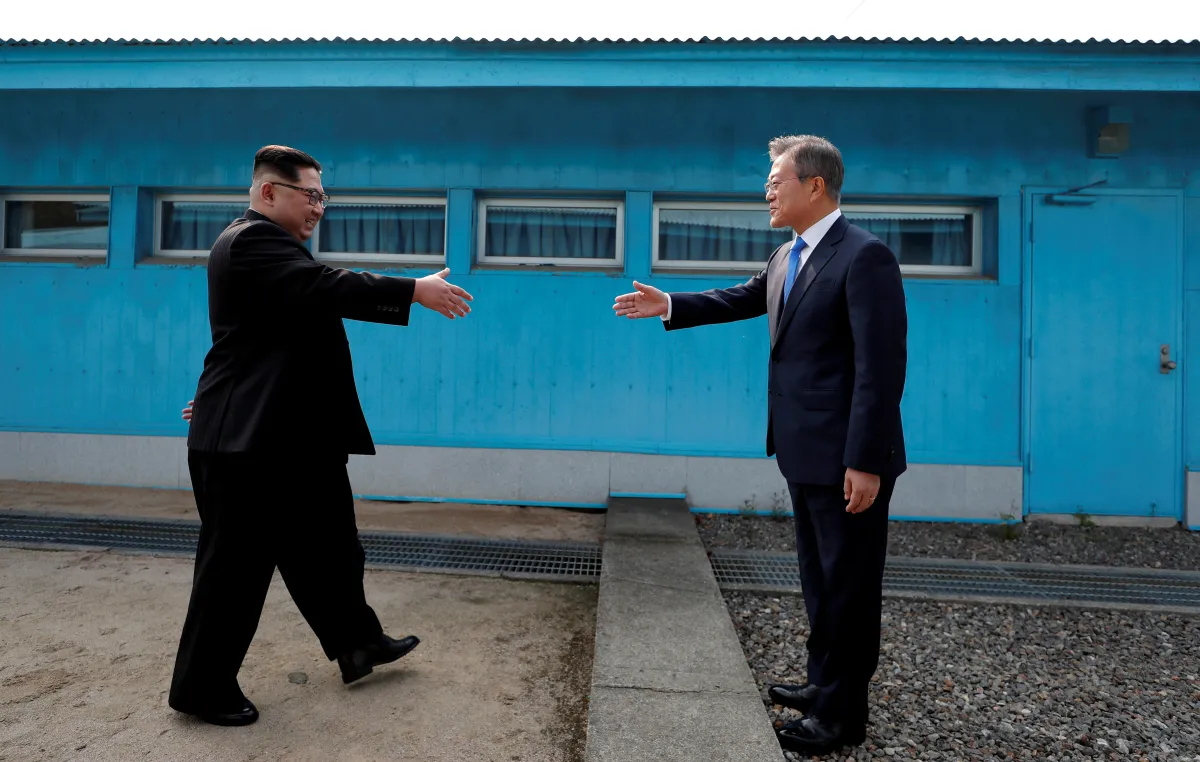
South Korean President Moon Jae-in and North Korean leader Kim Jong Un shake hands at the truce village of Panmunjom inside the demilitarized zone separating the two Koreas, South Korea, April 27, 2018.
Source: Korea Summit Press Pool via Reuters.SHARE
South Korea is one of the world’s most successful economies. It’s home to billion-dollar corporations like Samsung and produces some of the best high-tech electronics. But just across the border, North Korea is one of the most impoverished countries in the world. How can two countries with the same language, culture, and history—that were, not long ago, one united country—turn out so differently?
North and South Korea had been one nation for over a thousand years. Theoretically, they could have developed similarly after splitting in 1945, at the end of World War II. In fact, North Korea possessed the resources to outpace the south in development. But the political and economic decisions their leaders made destined the countries for completely different futures.
Sweltering heatwaves each year underline the need for a faster energy transition and speedier reform of international investment agreements (IIAs) to support the shift away from fossil fuels.
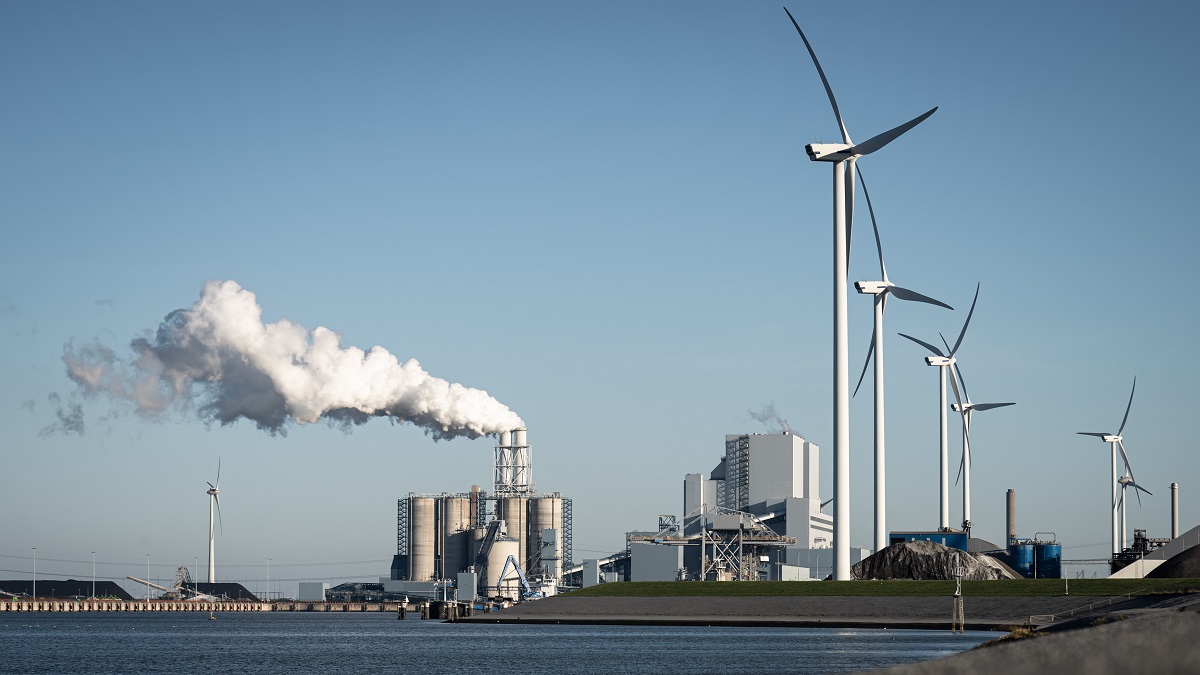
But many investment treaties, especially older ones, can hinder the transition. As countries try to cut ties with fossil fuels, oil and gas firms might use these treaties to challenge policy changes. An example is a coal phase-out claim against the Netherlands.
Cuba says it has no part in war in Ukraine and would ‘act vigorously’ against those trafficking Cubans as fighters.
A Cuban flag hangs at the foreign relations ministry in Havana, Cuba in 2016 [File: Desmond Boylan/AP Photo]
Cuba has uncovered a human trafficking ring that has coerced Cuban citizens to fight for Russia in the war in Ukraine, its foreign ministry said, adding that authorities were working to “neutralize and dismantle” the network.
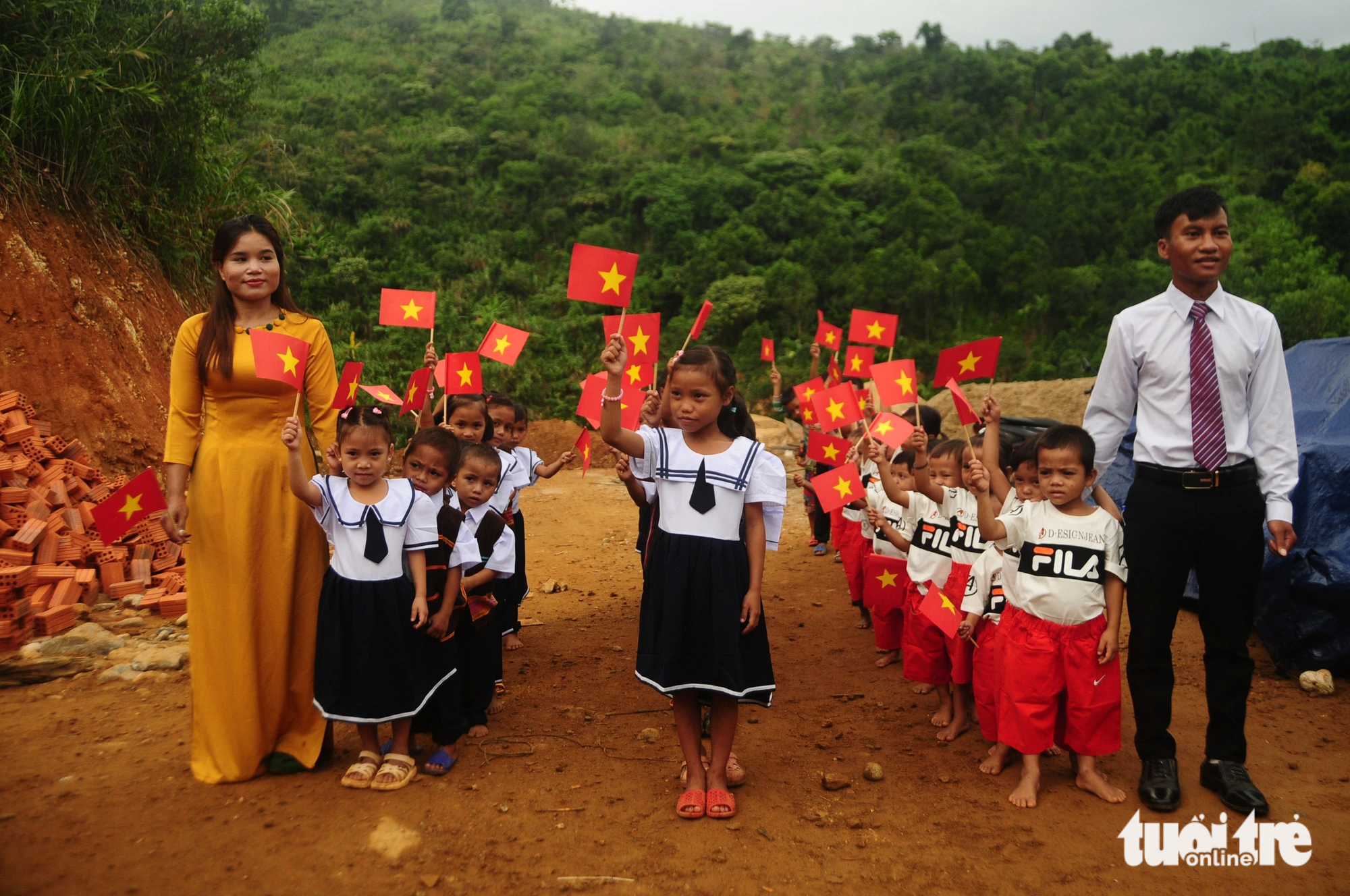
Sáng 4-9, một lễ khai giảng vô cùng đặc biệt đã được tổ chức tại nóc Ông Bình – điểm trường được bao quanh bởi rừng già Ngọc Linh ở xã Trà Dơn, huyện Nam Trà My, Quảng Nam. Lễ khai giảng này có những điều “lần đầu tiên” thật cảm động.
Hai giáo viên phụ trách ở điểm trường nóc Ông Bình dẫn học sinh vào dự lễ khai giảng – Ảnh: B.D.
“Âm thanh mà các con đang nghe là tiếng trống trường, nơi các con ngồi là lễ khai giảng mà có lẽ chưa một lần các con được thấy” – giọng thầy Hiệu trưởng Trường phổ thông Dân tộc bán trú tiểu học xã Trà Dơn (Nam Trà My) Trương Công Một cất lên bùi ngùi trong khoảnh sân bùn đất.
Khai giảng của “những điều đầu tiên”
Thầy Một nhìn về những ánh mắt tròn xoe, những cái đầu khét nắng đang hướng về mình. “Các con có vui không?” – thầy hỏi. Lũ trẻ ống chân lấm lem, đứa quay ngang, đứa nhìn dọc rồi đồng thanh trả lời: “Dạ vui!”.
Để đương đầu với nhiều thách thức có thể xảy ra trong tương lai, nhân loại thấy được giáo dục là một vốn quý không thể thiếu trong nỗ lực để đạt được những lý tưởng của hòa bình, tự do và công bằng xã hội. Điều này được kết luận của báo cáo, Hội đồng Ủy ban [UNESCO] khẳng định niềm tin của Ủy Ban rằng giáo dục đóng một vai trò cơ bản trong phát triển cá nhân và xã hội. Ủy Ban không xem giáo dục như là một phép lạ chữa lành hay như một công thức ma thuật mở ra cánh cửa cho một thế giới mà trong đó tất cả những lý tưởng sẽ đạt được. Mà Giáo dục là một trong những phương cách chủ yếu sẵn có để nuôi dưỡng một hình thức sâu sắc hơn và hài hòa hơn của phát triển con người và từ đó để giảm sự nghèo đói, sự thanh trừ, sự thiếu hiểu biết, áp bức và chiến tranh.
Vào thời điểm khi các chính sách giáo dục đang bị chỉ trích gay gắt hoặc đang bị đẩy xuống dưới đáy của chương trình nghị sự – vì lý do kinh tế và tài chính, Ủy Ban mong muốn chia sẻ niềm tin này với đối tượng khán giả rộng nhất có thể, thông qua các phân tích của mình, các cuộc thảo luận và các kiến nghị.
Mục đích có cần phải được nhấn mạnh? Ủy Ban đã suy nghĩ chủ yếu về các trẻ em và người trẻ, những người sẽ tiếp quản từ thế hệ hôm nay của người lớn, thế hệ mà đang có khuynh hướng chỉ tập trung vào các vấn đề của riêng họ. Giáo dục cũng là một biểu hiện của tình cảm dành cho trẻ em và thanh thiếu niên, những người mà chúng ta cần chào đón vào xã hội, cung cấp không hạn chế không gian cho họ bằng cách đặt họ vào đúng vị trí – một vị trí trong hệ thống giáo dục, chắc chắn rồi, mà còn trong gia đình, cộng đồng địa phương và quốc gia. Nhiệm vụ cơ bản này cần phải được liên tục gợi nhớ, để sự quan tâm nhiều hơn được dành cho nó, ngay cả khi phải lựa chọn giữa chính trị, kinh tế và tài chính. Theo lời của một nhà thơ: “Trẻ em là cha của nhân loại” (‘The Child is father of the Man’).
Thế kỷ của chúng ta cũng chứng kiến những tiến bộ dữ dội và mạnh mẽ cả về kinh tế và xã hội – tiến bộ trong bất kỳ trường hợp nào cũng không được phân phối đồng đều. Vào buổi bình minh của thế kỷ mới với viễn cảnh đó gợi lên cả nỗi thống khổ và hy vọng, nó là điều cần thiết mà tất cả mọi người với một ý thức trách nhiệm chuyển sự chú ý của họ vào cả mục đích và phương tiện giáo dục. Đó là quan điểm của Ủy Ban rằng, trong khi giáo dục là một quá trình liên tục của việc nâng cao kiến thức và kỹ năng, Giáo dục cũng là – có lẽ chủ yếu là – một phương tiện đặc biệt để mang đến sự phát triển cá nhân và xây dựng mối quan hệ giữa các cá nhân, các nhóm và các quốc gia.
Quan điểm này đã được thông qua một cách rõ ràng bởi các thành viên của Ủy ban khi họ chấp nhận nhiệm vụ của mình. Ủy Ban mong hơn nữa, bởi những lập luận viện dẫn, nhấn mạnh vai trò quan trọng của UNESCO, một vai trò mà bắt nguồn trực tiếp từ những ý tưởng mà từ đó UNESCO được thành lập, dựa trên niềm hy vọng cho một thế giới trở thành một nơi tốt hơn để sinh sống, nơi mà người dân sẽ học được cách tôn trọng các quyền của nữ giới và nam giới, thể hiện sự hiểu biết lẫn nhau, và sử dụng những tiến bộ trong kiến thức để thúc đẩy phát triển con người chứ không để tạo ra thêm sự phân biệt giữa mọi người.
Ủy ban của chúng tôi có nhiệm vụ có lẽ là bất khả thi về việc vượt qua những trở ngại do sự đa dạng bất thường của bối cảnh thế giới và cố gắng để đi đến các phân tích có giá trị phổ quát và là các kết luận có thể thỏa đáng cho tất cả mọi người.
Tuy thế, Hội đồng Ủy ban đã làm hết sức mình để phản ánh tư duy của mình về một tương lai được chi phối chủ yếu bởi sự toàn cầu hoá, để lựa chọn những câu hỏi mà tất cả mọi người đang yêu cầu và để thiết lập một số hướng dẫn có thể được áp dụng trong cả bối cảnh quốc gia và trên phạm vi toàn thế giới.