Certifying Vietnam’s timber plantations would help smallholders profit from lucrative export market

BOGOR, Indonesia (21 November, 2012)_If Vietnam wants its timber producers to benefit from the growing “eco-conscious” and more lucrative international furniture market, national forest institutions should look for ways to get plantation forests certified, said Louis Putzel, a senior scientist at the Center for International Forestry Research (CIFOR).

Related stories

  • The chicken or the egg?
  • Decoding Cameroon’s domestic timber trade
  • ‘Green deserts’ or functional forests?
  • Legalizing Cameroon’s timber production chain

The area of certified forests in Vietnam is vanishingly small. Ahmad Dermawan.

BOGOR, Indonesia (21 November, 2012)_If Vietnam wants its timber producers to benefit from the growing eco-conscious and more lucrative international furniture market, national forest institutions should look for ways to get smallholder plantation forests certified, said Louis Putzel, a senior scientist at the Center for International Forestry Research (CIFOR).

Eco-certification may become more important as countries start putting in place import restrictions, with the European Union ruling it will ban illegally harvested wood from entering its market as of March 2013. Tiếp tục đọc “Certifying Vietnam’s timber plantations would help smallholders profit from lucrative export market”

Monsanto’s Superfund Secret

DISSENT Magazine

Monsanto elemental phosphorous plant, Soda Springs, Idaho (Kevin Beebe / Flickr)

The world’s most widely used herbicide, Roundup, has faced intense scrutiny in recent weeks, since documents surfaced revealing a close relationship between Monsanto, the creator of Roundup, and EPA officials tasked with regulating herbicide use in the United States. One email exchange included a Monsanto executive boasting that an EPA official had told him he “should get a medal” if he could “kill” an agency investigation into the herbicide.Ư

This news was troubling, considering the fact that the World Health Organization recently declared Roundup’s active ingredient “probably carcinogenic to humans.” The 2015 WHO announcement raised major alarms because roughly 89 percent of American corn and over 90 percent of all soybeans produced in the United States—millions of tons of which are exported every year to dozens of countries around the world—are genetically engineered to be herbicide resistant, Roundup Ready being a preferred variety. These findings gave new scientific fodder to many GMO opponents who have long alleged that the world’s food supply is awash in dangerous chemicals. Tiếp tục đọc “Monsanto’s Superfund Secret”

Cạo trọc rừng thuốc quý Việt Nam

– 75 LÃNG QUÂN 6:20 AM, 05/04/2017

Người dân ở xóm Lũng Rịch, xã Lương Thông, huyện Thông Nông (tỉnh Cao Bằng) leo núi đi hái dược liệu về bán cho người Trung Quốc. Ảnh: L.Q

Trong khi hội nghị lớn về bảo tồn và phát huy giá trị của cây dược liệu Việt Nam cũng đang diễn ra tại Hà Nội, với nhiều phát biểu đau đáu và tâm huyết, thì tại tỉnh biên giới Cao Bằng, dược liệu quý bị khai thác ồ ạt đem bán sang Trung Quốc, trước sự ngơ ngác, bất lực của cơ quan chức năng.

Dược liệu ngày càng hiếm

Chúng tôi có mặt ở xã Lương Thông, huyện Thông Nông vào một ngày cuối tháng 3/2017. Đường vào xã hiểm trở, cao vời, bùn nhão nhoe nhoét. Những bản xa xôi như Tả Bốc, Lũng Rịch, chỉ mới khai sơn phá thạch, vừa được thông đường để xe hai cầu đặc chủng có thể leo vào. Vậy mà những thương lái đã len lỏi chi phối thị trường thu mua dược liệu từ lâu.

Tại sân nhà, Bí thư chi bộ bản Lũng Rịch, chị Triệu Thị Trang, kể: “Bà Thiết (một thương lái nhà ở ngoài thị trấn) đầu tư tiền, đầu tư cả những bao tải chi chít chữ Trung Quốc này vào cho tôi thu mua dược liệu”. Bà con trong xã đi rừng lấy cây thuốc kiếm ăn. Giá thu mua chỉ hơn 1 nghìn đồng/kg, đến dưới 7 nghìn đồng/kg, đủ loại cây họ yêu cầu. Nhiều cây là thuốc quý, bà con biết, vặt trụi đem bán cũng tiếc. Song, nếu giữ cây ở trong hốc đá thì làm sao moi được tiền từ cái túi to đùng mà bà Thiết đang đeo. Thế là chị Trang cũng đi lấy, bán.

Nhiều cây, thương lái Trung Quốc đưa cho bà Thiết vài lá, vài cọng, vài cây nho nhỏ để “làm mẫu”. Dúi cho ít tiền. Thế là đem giơ cho bà con vùng cao xem. “Ra lệnh” rằng đi lên rừng lấy nhé, về tôi thu mua bao nhiêu cũng hết. Họ cứ “giơ” ra cây nào, là y rằng một thời gian sau, lực lượng đông đảo người nghèo lại túa đi, cạo trọc thứ cây ấy ở rừng.

Bí thư Trang bảo, củ này chữa đi ngoài, cây này chữa đau bụng đau lưng, nhức xương khớp. Suốt bao năm bán cho thương lái Trung Quốc, nhìn những núi bao tải in bằng thứ chữ mình không đọc được đang nằm chình ình ở nhà mình mà đột ngột họ chả thu mua nữa, chị Trang ngẫm lại càng thấy hoang phí quá. “Lúc mình đau bụng, con cái đau lưng ỉa chảy, không có cây thuốc mà tự chữa trị, thấy trách mình lắm nhà báo ạ. Bây giờ bà con biết sợ, biết tự giận mình rồi”, chị nói.

Cạo trọc rừng thuốc quý Việt Nam ảnh 1
Một kho dược liệu chuẩn bị xuất lậu sang Trung Quốc.

Tuy nhiên, số người “giác ngộ” được như chị Trang và bà con ở xóm Lũng Rịch quá ít ỏi. Bà con vẫn lùng kiếm cây thuốc đem bán. Chúng tôi theo bà con lên rừng. Đi đến toạc máu chân từ sáng đến trưa, rừng trọc lốc, nắng như đổ lửa, vẫn chưa tìm được một túm dược liệu mà thương lái cho xem mẫu. Núi đá tai mèo xám ngoét, thung lũng sâu rợn người, từng nhóm chị em người Dao, người Tày ở Thông Nông leo xuống. Họ dùng những cây gậy gỗ nhọn, rúc người vào hốc đá, lùa gậy chọc vỡ một cái củ to bằng cái bát con. Củ vỡ toác, họ chọc vào để lôi từng miếng lên.

“Trước đây, một ngày có khi đi thu được cả gánh, giờ cả ngày chỉ được một vài lạng là nhiều. Suốt vài năm qua, đến năm ngoái, cứ vài ngày họ lại chở đi một vài ô tô tải to cái cây này đi. Đến bây giờ thì ở cả trên núi cao cũng chả còn cây nào nữa rồi”, chị Trịnh Thị Khe buồn rầu nói.

Cạo trọc rừng thuốc quý Việt Nam ảnh 2
Kho dược liệu bị Trung Quốc ngừng thu mua, bà con bỏ thành đống ở Thông Nông.

Mặc xác rừng

Trong khi rừng bị cạo trọc từng cọng lá, từng củ, rễ, từng quả xanh, thì ở các vựa thu gom, cây dược liệu chất cao như núi. Trong vai người mới vào nghề thu gom cây thuốc về chế biến kiếm lời, chúng tôi vào nhà bà Thiết nhà ở thị trấn Thông Nông. Cặp vợ chồng này người dưới xuôi lên Cao Bằng làm chủ vựa thu dược liệu bán sang Trung Quốc đã lâu.

“Các em muốn mua dược liệu gì phải mang mẫu đến. Sẽ có ngay. Bà con ở đây họ gọi cây bằng tên địa phương, khác tên trong sách vở, hai bên sẽ không hiểu nhau đâu. Bất kỳ hàng nào Trung Quốc muốn đặt thu mua, chúng tôi đều mua được hết. Hàng này đều nhập sang Trung Quốc, họ sơ chế “phù phép”, rồi bán ngược sang cho người Việt Nam”, bà Thiết nói. “Cứ thu gom, đầy xe tải là chúng tôi đem bán thôi. Rừng bị cạo hết cây, thì mặc xác rừng. Việc gì phải lo. Cứ có lợi nhuận là buôn thôi. Nếu mua, chúng tôi làm giấy tờ cho đi khắp cả nước được hết. Vì đây là cửa rừng”, bà khoe.

Chồng bà Thiết sang sảng: “Có tháng tao xuất hơn 30 xe, mỗi xe 10 tấn dược liệu luôn. Đầu năm ngoái, “tao” bán sang Trung Quốc 110 tấn dược liệu trong chưa đầy một tháng”. Bà Thiết phụ họa với chồng: “Có loại hàng, có khi vừa đưa mẫu cây, người ta đi đào đi hái rầm rộ, hàng về ào ào chật hết cả nhà. Đến mức, phải nói khó với cán bộ, cho chúng tôi “xuất” hàng trong đêm thì mới kịp”. “Tao làm “hàng dược liệu” này 20 năm rồi, có cây 5 triệu đồng/kg, có cây 5 nghìn đồng/kg, tao buôn tất”, ông này vỗ ngực. Trong nhà bà Thiết, còn có cả một “núi” gỗ nghiến đã xẻ thành súc, cắt thành thớt để chuẩn bị xuất sang bên kia biên giới.

Cạo trọc rừng thuốc quý Việt Nam ảnh 3
Cả một góc nhà toàn cây dược liệu quý, các đối tượng đầu tư tiền, bao tải chữ Trung Quốc, đề nghị bà con lên rừng lấy cây quý về cho họ.

Dự phiên chợ huyện Thông Nông, chúng tôi tiếp tục vào vai người đánh xe tải từ Ninh Bình lên thu mua dược liệu về công ty nam dược để làm ăn to. Tại gốc đa ở chợ huyện, một bà chủ buôn gạo tên Hòa còn cho biết: bây giờ bà con đi rừng khổ lắm mới tìm được một bó cây nhỏ, đem bán kiếm vài nghìn đồng đong gạo. Những cây giá vài triệu đồng/kg tươi thì cực hiếm. Mỗi phiên chợ, họ thu gom thêm, để chở sang bên kia biên giới mỗi lần vài xe tải. Được biết, phải “làm luật” với cán bộ quản lý.

Đúng phiên chợ huyện Trà Lĩnh, nườm nượp xe tải, xe máy, xe tự chế chở các cây dược liệu đến và bán cho tư thương, người Việt có, người Trung có. Có người còn sử dụng bảng giá bằng chữ Trung Quốc, mua bằng tiền Trung Quốc, nói tiếng Trung Quốc khi thu gom dược liệu giữa ban ngày. Có xe máy ào ào chở cây dược liệu đi thẳng từ khu vực mua bán… sang bên kia biên giới, không gặp cản trở nào. Quá bất ngờ, chúng tôi trao đổi với lực lượng Hải quan cửa khẩu và Cục Hải quan tỉnh Cao Bằng. Câu trả lời của lãnh đạo đơn vị này còn đáng ngạc nhiên hơn, là ít nhất trong 3 năm qua, cơ quan này không thông quan cho bất cứ xe dược liệu nào xuất bán sang Trung Quốc.

Cạo trọc rừng thuốc quý Việt Nam ảnh 4
Bà Thiết, một người ở Thông Nông, chuyên thu gom hàng dược liệu bán sang Trung Quốc.

Hình ảnh cảnh tấp nập mua bán, ào ào “xuất ngoại” dược liệu, do chúng tôi quay, được chiếu tại phòng làm việc trở thành “câu hỏi khó” khiến các cán bộ lúng túng. Một người thật thà: “Nhìn những cái cây họ khai thác, chúng tôi còn chưa biết nó là cây gì, nhìn danh mục có cái tên cây bị cấm theo nghị định nó dài loằng ngoằng, cũng chẳng hiểu cây ấy có mặt ở tỉnh ta không – thì làm sao mà… giữ chúng được?”.

Nhiều dược liệu quý có nguy cơ tuyệt diệt

Theo “Từ điển cây thuốc Việt Nam”, thống kê năm 1997, cả nước có tới 2.300 cây thuốc có giá trị, nhiều cây quý hiếm. Từ năm 1963 -1973, tại Cao Bằng, có gần 700 loại cây thuốc quý. Theo Hội Đông y Cao Bằng, nhiều cây thuốc có giá trị đặc biệt đã đứng trước nguy cơ tuyệt diệt, như: Thất diệp nhất chi hoa, giảo cổ lam, hoàng đằng, ba kích, hà thủ ô, thanh thiên quỳ…

Những người đắm đuối vì voọc Sơn Trà

  • TẤN VŨ
  • 03.04.2017, 11:32

TTCT – Rừng, động vật của Việt Nam sao phải để các tổ chức nước ngoài tài trợ bảo tồn? Sao người Việt không làm điều đó? 

Bùi Văn TuấnNhững câu hỏi ấy đã thôi thúc một nhóm thanh niên và câu chuyện duyên nợ với voọc Sơn Trà của Trung tâm bảo tồn đa dạng sinh học Nước Việt Xanh (GreenViet) bắt đầu.

Căn nhà hai tầng chật chội ở đường Thành Vinh 1, nằm sát chân núi Sơn Trà, là nơi làm việc của hơn 10 người thuộc GreenViet đã hơn năm năm nay. Tiếp tục đọc “Những người đắm đuối vì voọc Sơn Trà”

Painter captures pure eyes of minority kids in mountainous Vietnam (photos)

TUOI TRE NEWS

Updated : 04/06/2017 11:02 GMT + 7

A Hanoi-based artist has spent the last decade frequenting the mountainous areas in northern Vietnam to capture the beauty of minority people, especially children and women, onto his canvas.

Le The Anh, 39, now has hundreds of paintings featuring the life and people of the northern ethnic minority groups.

The artist, currently working at the fine arts department at the Hanoi Academy of Theatre and Cinema, came up with the topic in 2006 and has since spared one month every year to visit the northwestern area to follow his dream. Tiếp tục đọc “Painter captures pure eyes of minority kids in mountainous Vietnam (photos)”

Viet Nam, UN fight drought malnutrition

Update: April, 05/2017 – 09:00

|

  • Viet Nam UN fight drought malnutrition
Two-year-old Va Vi Nhong Kim holds a ready-to-use therapeutic food sachet, his daily nutrition enhancement staple. — Photo courtesy of UNICEF

Viet Nam News

HÀ NỘI —  Thousands of children under the age of five living in Central region drought-hit areas are recovering from malnutrition due to an Emergency nutrition intervention programme project.

The news was revealed in a report from National Institute for Nutrition (NIN) at a seminar held in Hà Nội.

The programme, with financial support worth US$4 million from UNICEF and the Government of Japan, has fulfilled its target of improving nutrition conditions for 7,640 children with severe and acute malnutrition (SAM) in 6 provinces of Ninh Thuận, Kon Tum, Gia Lai, Trà Vinh, Hậu Giang and Cà Mau. Tiếp tục đọc “Viet Nam, UN fight drought malnutrition”

Chinese patrol ships keep presence around Malaysian reefs

Exclusive: Ship-tracking data shows Chinese coastguard vessels at Luconia Shoals, 1,000 miles from mainland

A Chinese coastguard vessel
China’s coastguard fleet is often armed with machine guns and can be placed under army control during wartime. Photograph: AP

Chinese coastguard vessels maintain a near-constant presence around reefs claimed by Malaysia in the South China Sea, ship-tracking data shared with the Guardian has revealed.

The findings show the extent of Beijing’s military ambitions far south of its borders, antagonising south-east Asian countries and deepening a potentially explosive foreign policy crisis with the US president, Donald Trump. Tiếp tục đọc “Chinese patrol ships keep presence around Malaysian reefs”

Malaysian parliament passes Tourism Tax Bill in record session

Parliament was adjourned after the Tourism Tax Bill 2017 that was tabled by Tourism and Culture Minister Mohamed Nazri Abdul Aziz was passed with a big majority.

When winding up the debate for the bill, Mohamed Nazri said revenue from Tourism Tax would be in the region of RM654.62 million if the overall occupancy rate for the 11 million ‘room night’ in the country can achieve 60 per cent. Tiếp tục đọc “Malaysian parliament passes Tourism Tax Bill in record session”

Ministry to inspect deforestation in Phu Yen

Last update 16:14 | 05/04/2017

VietNamNet Bridge – The Ministry of Agriculture and Rural Development has decided to establish a team to inspect the use of forest land for other purposes in Phu Yen Province.

Trees, chopped down, Phu Yen, forest land, Vietnam economy, Vietnamnet bridge, English news about Vietnam, Vietnam news, news about Vietnam, English news, Vietnamnet news, latest news on Vietnam, Vietnam
Trees are chopped down to pave the way for a cow raising project. – Photo dantri.com.vn

The team with six members, led by Doan Hai Nam, deputy head of the Forest Protection Department under the Viet Nam Administration of Forestry, will work in 30 days.

The provincial Department of Agriculture and Rural Development, project owners and related units will be scrutinised. Tiếp tục đọc “Ministry to inspect deforestation in Phu Yen”

Climate policy hub opens in Hanoi

Last update 17:17 | 05/04/2017


VietNamNet Bridge – A knowledge hub to support climate change action was launched in Ha Noi on Tuesday.

CIAT, climate change, Climate Policy Hub, Vietnam economy, Vietnamnet bridge, English news about Vietnam, Vietnam news, news about Vietnam, English news, Vietnamnet news, latest news on Vietnam, Vietnam
Youngsters plant a coastal protection forest in Soc Trang Province’s Tran De District. — Photo: VNA/VNS 

The Climate Policy Hub, hosted by the International Center for Tropical Agriculture (CIAT)’s regional office in Ha Noi, aims to generate robust evidence on climate change in countries across Asia, and assist in policy development and investment decisions aimed at mitigating and adapting to climate change.

The hub offers agro-ecosystem diagnoses, mapping and modelling exercises, and economic and policy analyses, said Dr Dindo Campilan, CIAT’s Asia director at the inauguration ceremony. Tiếp tục đọc “Climate policy hub opens in Hanoi”

Measures needed to reduce pollution from coal thermal power plants

Last update 17:41 | 05/04/2017

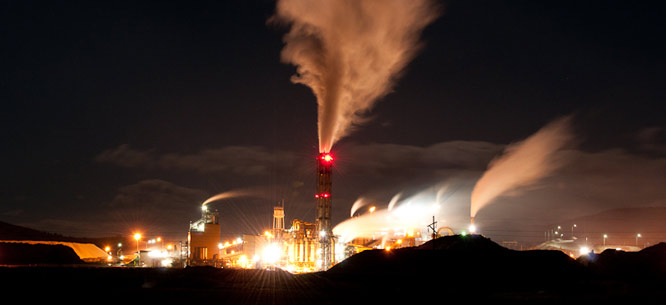
Developing coal-fired thermal power plants is needed to ensure the provision of electricity nationwide, but it risks environmental pollution without strict management.

Measures needed to reduce pollution from coal thermal power plants, environmental news, sci-tech news, vietnamnet bridge, english news, Vietnam news, news Vietnam, vietnamnet news, Vietnam net news, Vietnam latest news, Vietnam breaking news, vn news

According to the Electricity of ietnam (EVN), the total capacity of these plants is estimated at 13,483 MW at present, accounting for 34.37 percent of electricity production.

In 2025-2030, southern provinces will need an additional 30,000 MW of electricity to fuel economic growth. Therefore, by 2020, there are set to be 32 coal thermal power plants with a combined capacity of about 26,000 MW, making up 49.3 percent of total electricity output.

By 2025 and 2030, this figure will be 47,600 MW and 55,300 MW, accounting for 55 percent and 53.2 percent of the electricity production, respectively. Tiếp tục đọc “Measures needed to reduce pollution from coal thermal power plants”

Tam Thanh – the fishing village of murals

Last update 10:26 | 05/04/2017

VietNamNet Bridge – Artists from South Korea have given Tam Thanh fishing village in central Quang Nam Province a new look with colourful murals.

In early June 2016, Tam Thanh Village in Tam Thanh Commune was chosen for an art project as part of the Korea Foundation Community Art Exchange Programme held by the Korea Foundation and the UN-Habitat Vietnam to improve living conditions and introduce more art to the public.

Five artists from the South Korea, 12 volunteers and many Vietnamese students have given the walls of about 100 houses a new face. Tiếp tục đọc “Tam Thanh – the fishing village of murals”

Hanoi police seize transcontinental crime gang from Colombia

Tuoi Tre News

Updated : 04/05/2017 09:35 GMT + 7

Police in Hanoi have arrested a transcontinental gang of robbers originating from Colombia, who have operated in multiple countries including Vietnam.

Five members of the syndicate, Rodriguez Cuervo Luis Alexander, 40, Jose Aureliano Rosas Pena, 55, Ladino Cardona Jersain 51, Fabian Lucero Wilches, 35, and Carlos Alberto Lamprea Pena, 47, are all Colombian nationals, the municipal police department confirmed on Tuesday.

At the height of their activity in the Vietnamese capital, the gang targeted residents who had just withdrawn large sums of money from their banks.

According to the case file, their latest scheme was carried out on March 28. Tiếp tục đọc “Hanoi police seize transcontinental crime gang from Colombia”

Vietnam proposes drastically increasing ‘environment tax’ on petrol

TUOI TRE NEWS

Updated : 04/05/2017 13:00 GMT + 7

A woman refills her motorbike at a gasoline station in Ho Chi Minh City.
Tuoi Tre
The Vietnamese government is drafting an amendment to the law on environmental protection tax, which includes a proposal to more than double the current tax on gasoline.

The bill, prepared by the Ministry of Finance, suggests lifting the maximum environmental protection tax on gasoline to VND8,000 per liter from the current VND3,000.

Higher tax rates for other fuel products, such as diesel and fuel oil, are also proposed in the draft amendment.

The finance ministry is scheduled to collect feedback for the bill in April and submit a final draft to government in May. Tiếp tục đọc “Vietnam proposes drastically increasing ‘environment tax’ on petrol”

Vietnamese painting sold for record $1.2 million

TUOI TRE NEWS

Updated : 04/05/2017 16:03 GMT + 7

‘Doi song gia dinh’ (Family life), a painting by Le Pho

A painting by 20th-century Vietnamese painter Le Pho has been sold for nearly US$1.2 million at an auction in Hong Kong on Sunday, setting a new record for the highest priced Vietnamese painting ever.

The painting, Family Life (Doi song gia dinh), depicts an intimate family moment during a leisurely day.

It features the image of a mother and child against a lively background of people on the move: the toddler rests his head on his mother’s lap, clutching her knee, while the woman rests her palms on the boy’s hands and head, tilting her head down in a nurturing manner. Tiếp tục đọc “Vietnamese painting sold for record $1.2 million”