VOA – Mỹ đầu tư vào Mekong trong chiến lược đối trọng với Trung quốc – The Mekong-US partnership: The Mekong Region deserves good partners

The Mekong-U.S. Partnership: The Mekong Region Deserves Good Partners

PRESS STATEMENT

MICHAEL R. POMPEO, SECRETARY OF STATE

SEPTEMBER 14, 2020Share

The launch of the Mekong-U.S. Partnership reflects the importance of the Mekong region to the United States.  Our relationship with Mekong partner countries is an integral part of our Indo-Pacific vision and our strategic partnership with ASEAN.  With more than $150 million in initial investments in regional programs, we will build on the good work of the Lower Mekong Initiative and the $3.5 billion in regional U.S. assistance during the last eleven years.

The Mekong-U.S. Partnership is committed to the autonomy, economic independence, good governance, and sustainable growth of Mekong partner countries.  The United States has dedicated more than $52 million to fight COVID-19 in the region, building on more than twenty years of Mekong-U.S. cooperation on infectious diseases.  We have supported economic growth with more than $1 billion to develop infrastructure in ASEAN countries through the U.S. International Development Finance Corporation (DFC), and plan to invest billions more in the coming years.

The Mekong-U.S. Partnership will also continue to strengthen water security and the work of the Mekong River Commission.  It will include $55 million in planned new investments to help our Mekong partners combat transnational crime, including narcotrafficking and trafficking in persons, arms, and wildlife.  It will also increase support for energy security and electricity sector development through Asia EDGE (Enhancing Development and Growth), the Japan-U.S.-Mekong Power Partnership (JUMMP), and the Japan-U.S. Strategic Energy Partnership (JUSEP).  In all our efforts, the United States intends to work closely with partners like Japan, Australia, South Korea, India, and other good friends of the Mekong.

We need to be candid, however, about the challenges we face, including those from the Chinese Communist Party (CCP), which increasingly threatens the Mekong’s natural environments and economic autonomy.

The CCP’s unilateral decisions to withhold water upstream have exacerbated an historic drought.  The United States stands with the region and the Mekong River Commission in calling for transparent data sharing. We encourage countries of the Mekong region to hold the CCP accountable to its pledge to share its water data.  That data should be public.  It should be released year-round.  It should include water and water-related data, as well as land use, and dam construction and operation data.  And it should be shared through the Mekong River Commission, the organization that serves the interests of Mekong-region countries, not those of Beijing.

We are also concerned about infrastructure-linked debt and the predatory and opaque business practices of Beijing’s state-owned actors, such as China Communications Construction Company.  Concerning also is the boom in trafficking of persons, drugs, and wildlife, much of which emanates from organizations, companies, and special economic zones linked to the CCP.

Countries of the Mekong region have undergone an amazing journey in the last few decades. They deserve good partners.  Through the Mekong-U.S. Partnership, we look forward to many more years of collaboration to ensure a peaceful, secure, and prosperous Mekong region.
Phản ứng dư luận trước án tử hình trong vụ xử Đồng Tâm

15 tháng 9 2020 BBC

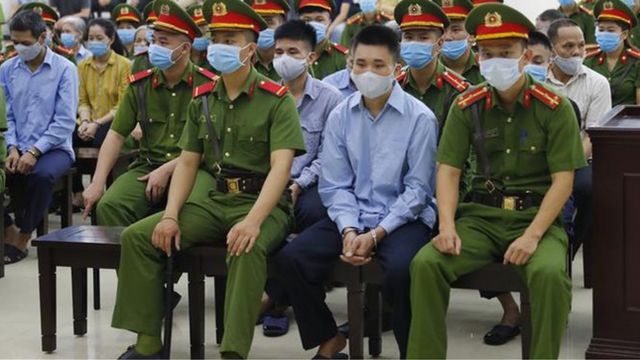
Phiên tòa xơ thẩm xử 29 người Đồng Tâm tháng 9/2020

Ngay sau khi Tòa án Nhân dân Tối cao TP Hà Nội tuyên án với 29 bị cáo Đồng Tâm trong phiên sơ thẩm ngày 14/9, Ân xá Quốc tế (Amnesty) và Tổ chức Theo dõi Nhân quyền (Human Rights Watch) đã lên tiếng bày tỏ quan điểm về sự việc.

Trong một văn bản gửi cho BBC News Tiếng Việt, tổ chức Ân xá Quốc tế nhận định rằng “Đây là một bản án vô nhân đạo sau một phiên tòa bất công trắng trợn”.

Tiếp tục đọc “Phản ứng dư luận trước án tử hình trong vụ xử Đồng Tâm”

Vietnamese American Pulitzer winner elected to Pulitzer prize board

Saturday, September 12, 2020, 18:00 GMT+7 tuoitre

Vietnamese American Pulitzer winner elected to Pulitzer prize board
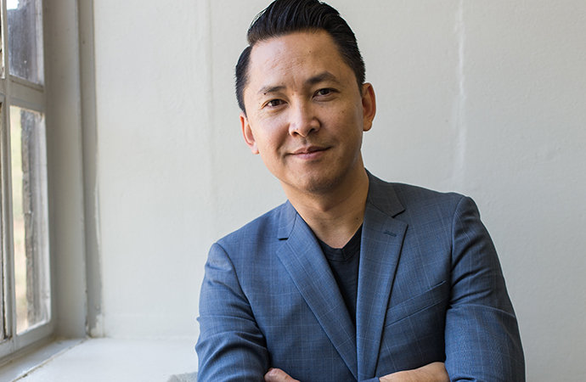
Vietnamese American author Nguyen Thanh Viet is seen in a photo uploaded to his personal website vietnguyen.info.

Vietnamese American 2016 Pulitzer winner Nguyen Thanh Viet has been selected as the newest member of the Pulitzer Prize Board, according to an announcement on the award’s official website.

The selection was announced on September 8.

“It’s an honor to join the #Pulitzer Board, especially as its first Vietnamese American and Asian American member,” Viet wrote in a tweet on September 9.

“As someone fortunate enough to be a recipient of the prize, I know the impact that the prize has on a writer’s career and on the perceptions of readers. I’m delighted to join in the Board’s crucial work,” Viet told the Pulitzer.

Tiếp tục đọc “Vietnamese American Pulitzer winner elected to Pulitzer prize board”

French lensman depicts Vietnam’s travel destinations in late 19th century

By Mai Nhat   September 16, 2020 | 11:51 am GMT+7 vnexpress

French photographer Pierre Dieulefils documented Vietnamese landmarks like Saigon Notre Dame Cathedral, Ha Long Bay and Ban Gioc Waterfall in the late 19th century.

The 2.29-kilometer Long Bien Bridge, which connects the downtown district of Hoan Kiem with Long Bien District, was built between 1899 and 1902 by the French during their colonial rule. The bridge was initially called the Doumer Bridge after Paul Doumer, the French governor-general of Indochina in 1897. At the time of construction it was one of the worlds longest bridges. After the country’s liberation it was renamed Long Bien Bridge.In the late 19th century, some French, including Pierre Dieulefils went to Vietnam to study about Vietnamese culture. 261 of his photos, taken in Vietnams three regions in North, Central and South were printed in the book Beautiful and magnificent Indochina released last August.
The 2.29-kilometer Long Bien Bridge, which connects the downtown district of Hoan Kiem with Long Bien District, was built between 1898 and 1902 by the French during their colonial rule. It was initially called Doumer Bridge after Paul Doumer, a French governor-general of Indochina.
At the time of construction it was one of the world’s longest bridges. After the country’s liberation it was renamed Long Bien Bridge.
Pierre Dieulefils was a soldier in Indochina before returning to Vietnam in 1888 to follow his passion for photography. A total 261 of his photos, taken across Vietnam, were printed in the book “Beautiful and Magnificent Indochina” released last August.
The downtown area of Nam Dinh Province is viewed from above with  tiled roof architecture and close-up houses.
An aerial view of Nam Dinh Town’s center. The town is now capital of Nam Dinh Province in northern Vietnam, nearly 90 km from Hanoi.
Ha Long Bay still looks unspoiled at the end of the 19th century. More than a century ago, the beauty of Ha Long Bay and the life of the people there was an interesting topic that attracted many foreign photographers. In 1994, Ha Long Bay in the northern province of Quang Ninh was recognized by UNESCO as a world natural heritage, earning it a global fame.
Ha Long Bay more than a century ago.
In 1994, the bay in the northern province of Quang Ninh was recognized by UNESCO as a world natural heritage, earning it global fame.
Pierre Dieulefils also spendt much time visiting destinations in the northern border region, including the Ban Gioc waterfall. The waterfall is located in Trung Khanh District in Cao Bang Province on the border with China. Around 340 kilometers (225 miles) to the north of Hanoi, Ban Gioc is now a relatively uncrowded natural beauty in Vietnam and a popular tourist destination in northern Vietnam.
Ban Gioc is considered Vietnam’s most beautiful waterfall, one of the largest natural waterfalls in Southeast Asia, and also the fourth largest in the world amongst those located on an international border.
Ban Gioc Waterfall is in Trung Khanh District of Cao Bang Province on the border with China, around 340 km (225 miles) to the north of Hanoi.
The area outside the Hue Imperial in the capital town Hue in central Vietnam. The relic was built under the reigns of King Gia Long and Minh Mang, located to the north of Huong (Perfume) River. This place combines Vietnamese traditional architectural principles, eastern philosophical thought with the five elements yin and yang theory and the features of Western military architecture.
The area outside the Hue Imperial Citadel in Hue Town, central Vietnam.
The relic was built under the reigns of Kings Gia Long and Minh Mang, to the north of Huong (Perfume) River. It combines traditional Vietnamese architecture, the eastern philosophy of yin and yang, and Western military architecture.
Gia Long was the first emperor (ruling 1802-1820) of the Nguyen Dynasty, Vietnam’s last royal family (1802-1945), while Minh Mang was the second emperor (ruling 1820-1841).
Mossy stone steps at Thieu Tri Mausoleum, the burial place of Emperor Thieu Trii, the third king of the Nguyen Dynasty. This was part of the Hue Monuments Complex recognized by UNESCO as a World Cultural Heritage in 1993. Today, the mausoleum is located in Cu Chanh Village, in Huong Thuy Town.
Mossy stone steps at Thieu Tri Mausoleum, the tomb of Emperor Thieu Tri, the third Nguyen Dynasty king (ruling 1841-1847).
This area is now part of the Hue Monuments Complex recognized by UNESCO as a world cultural heritage in 1993. Today, the mausoleum is located in Cu Chanh Village of Huong Thuy Town in Hue.
Nine Dynastic Urns includes nine bronze urns located in front of The Mieu Temple in the Hue Imperial Citadel. Construction on the nine Dynastic Urns started in December 1835 and completed in June 1837 under the reign of King Minh Mang. Each urn was decorated with 17 bas-reliefs and named in accordance with the posthumous titles of Nguyen emperors worshipped in The Mieu temple.
Ninedynastic urns stand in front of The Mieu Temple in the Hue Imperial Citadel. Construction on these nine urns started in 1835 and completed in 1837 under the reign of King Minh Mang.
Each urn was decorated with 17 bas-reliefs and named in accordance with the posthumous titles of Nguyen emperors worshipped at The Mieu Temple.
Binh Loi Bridge in the early 20th century. Stretching 276 meters with six spans, Binh Loi was the first bridge to cross the Saigon River and part of the initial phase of the Saigon-Nha Trang railway line. It was built by Levallois-Perret, a construction company formed out of the former Maison Eiffel which was founded by the legendary engineer Gustave Eiffel.Last June, the bridge was dismantled because of deterioration after more than 100 years.
Binh Loi Bridge in Saigon. Stretching 276 m with six spans, Binh Loi was the first bridge to cross Saigon River and part of the initial phase of the Saigon-Nha Trang railway line. It was built by Levallois-Perret, a construction company formed out of the former Maison Eiffel, founded by legendary engineer Gustave Eiffel.
Last June, the bridge was dismantled because of deterioration after more than 100 years.
Boats in front of a factory in Cho Lon area, which was formed between the 17th and 19th centuries when ethnic Chinese and their offspring settled here and built a bustling area. When the French dominated the country, Cho Lon was a town distinct from Saigon. The two were combined in 1956. Currently it is Ho Chi Minh Citys Districts 5 and 6.
Boats in front of a factory in Cho Lon area, formed between the 17th and 19th centuries when ethnic Chinese and their relatives settled here and built a bustling area.
In the French colonial time, Cho Lon was a town distinct from Saigon. The two were combined in 1956. Currently, the Cho Lon area is in Saigon’s Districts 5 and 6.
A view of the old Saigon Notre Dame Cathedral. The cathedral did not have two bell towers when inaugurated in 1880. They were later added in 1985, to include a total of six large bronze bells, with two crosses at the top, 60.5 m above ground. Located in a tourist precinct that includes the historic Central Post Office in District 1, the 140-year-old cathedral is popular among foreign and local visitors, especially during holiday seasons.
The Saigon Notre Dame Cathedral did not have two bell towers when inaugurated in 1880. They were later added in 1985, to include a total of six large bronze bells, with two crosses at the top, 60.5 m above ground.
Located in a tourist precinct that includes the historic Central Post Office in District 1, the 140-year-old cathedral is popular among foreign and local visitors, especially during holiday season.
Pierre Dieulefils was born in Malestroit Village in the Bretagne region of France in 1862. He joined the army in 1883 and was later assigned to Indochina in 1885.Two years later, he was discharged and returned to France. In 1888, he returned to northern Vietnam and became a professional photographer and postcard publisher.In 1905, he went to Saigon and then traveled to Phnom Penh and Angkor Wat in Cambodia. In 1909, he gathered a set of photos on Indochina and published a photo book entitled Indo-chine Pittoresque & Monumentale: Annam - Tonkin. The work earned him a gold medal at the Brussels International Exposition of 1910. In 1913, he returned to France, spending most of his time composing poetry. He died in his hometown of Malestroit in 1937.
Pierre Dieulefils (1862-1937) joined the army in 1883 and was later assigned to Indochina in 1885. Two years later, he was discharged and returned to France. In 1888, he returned to northern Vietnam and became a professional photographer and postcard publisher.
In 1909, he gathered a set of photos on Indochina and published a photo book entitled “Indo-chine Pittoresque & Monumentale: Annam – Tonkin”. The work earned him a gold medal at the Brussels International Exposition of 1910.

Photos by Pierre Dieulefils

A drugmaker reports positive results for a potential treatment

New York Times coronavirus brief

The pharmaceutical company Eli Lilly announced that a single infusion of its monoclonal antibody treatment was shown to drastically lower levels of the coronavirus in newly infected patients and lower the likelihood of requiring hospitalization.
It is the first potential treatment for patients with mild or moderate Covid-19. (The two other treatments that have proved helpful, the antiviral remdesivir and the steroid dexamethasone, are only for the seriously ill.)
Scientists used blood plasma from Covid-19 survivors, isolating and testing their antibodies to find the most powerful ones. They then manufactured vats of antibodies to make the drug. In a trial of more than 450 newly diagnosed Covid-19 patients, Eli Lilly said, only about 1.7 percent of those who received the drug ended up in the hospital, compared with 6 percent who were given a placebo — a 72 percent risk reduction. Those treated with the drug reportedly also had fewer symptoms, and the levels of virus in their bodies plummeted.
Other companies are also working on treatments with monoclonal antibodies, but they are difficult and expensive to make. A single dose could cost thousands of dollars. They offer only a temporary solution, with the antibodies lasting about a month.
But without a vaccine — the only way to elicit a lasting immune response — the treatment could give doctors another weapon in an arsenal with few options.
The study will eventually enroll 800 patients in the U.S. of all ages and risk categories, including people in nursing homes. Eli Lilly has already started manufacturing 10,000 doses in hopes that these interim results, which have not yet been peer reviewed, will bear out.

The company plans to discuss the state of the trial with the Food and Drug Administration, as well as the possibility of emergency use authorization to market the drug.
Here’s our treatment tracker.

Germany supplies equipment to monitor Mekong River dam impact

By Viet Anh   September 16, 2020 | 10:02 am GMT+7 vnexpressGermany supplies equipment to monitor Mekong River dam impactsThe Xayaburi dam in the lower Mekong River in Laos. Photo by CK Power/Handout via AFP.
Germany has provided equipment to the Mekong River Commission to monitor the environmental impacts of two mainstream dams on the lower reaches of the Mekong River.

The equipment, worth around $600,000, meant to help monitor the impacts of Laos’s Xayaburi and Don Sahong dams, was handed over on Tuesday as part of the German government’s support for the MRC’s Joint Environment Monitoring of Mekong Mainstream Hydropower Projects (JEM) program, which is now in the pilot stage.

Tiếp tục đọc “Germany supplies equipment to monitor Mekong River dam impact”

Former minister of industry and trade prosecuted for causing huge loss

16/09/2020    12:00 GMT+7

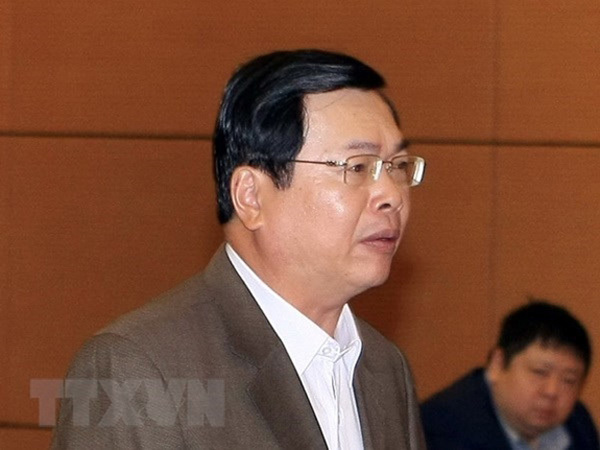
The Supreme People’s Procuracy on Monday issued an indictment to prosecute former Minister of Industry and Trade Vu Huy Hoang and his accomplices for their involvement in a violation case related to the land plot at 2-4-6 Hai Ba Trung Street, HCMC.

Former minister of industry and trade prosecuted for causing huge loss
Former Minister of Industry and Trade Vu Huy Hoang. — VNA/VNS Photo

Former Director of the Ministry of Industry and Trade (MoIT)’s Light Industry Department Phan Chi Dung, Former Vice Chairman of the HCM City People’s Committee Nguyen Huu Tin, former Director of the municipal Department of Natural Resources and Environment Dao Anh Kiet, and six others will also face prosecution.

Tiếp tục đọc “Former minister of industry and trade prosecuted for causing huge loss”

Tại sao con người bị hấp dẫn vào các nhóm cuồng tín – Why do people join cults?


TKhi Jim Jones thành lập Đền Hội Chúng vào năm 1955, mấy ai đoán được cái kết bi thương của nó. Phong trào tôn giáo tiến bộ này trở nên nổi tiếng và được những chính trị gia lừng lẫy ở San Francisco ủng hộ. Năm 1977, khị bị phát hiện về chuyện tẩy não và lạm dụng, Jones đã di cư cùng hàng trăm tín đồ và thành lập căn cứ tại Jonestown, Guyana (Nam Mỹ). Dù được tả như một thiên đường, nhưng nơi đây chẳng khác gì nhà tù, và khi một Nghị sĩ Mỹ đến đây để tìm hiểu, John đã thực hiện kế hoạch cuối cùng. 18 tháng 11, 1978, 909 người bao gồm đàn ông, phụ nữ và trẻ em đã chết sau khị bị ép uống thuốc độc tự tử. Hình ảnh kinh hoàng đó được biến thành từ lóng cho tư tưởng độc tôn giáo phái. “Họ đã uống như nước ngọt.”

Ngày nay, trên thế giới có hàng trăm giáo phái. Có hai điều bạn cần nhớ về chúng. Thứ nhất, không phải tất cả giáo phái là tôn giáo. Có giáo phái vì chính trị, để trị liệu, để cải thiện bạn thân, hay nhiều mục đích khác. Mặt khác, không phải tất cả tôn giáo là giáo phái. Vậy giáo phái thật sự là gì, và vì sao mọi người lại tham gia? Nói chung, giáo phái là một nhóm hoặc phong trào, mà trong đó mọi người chia sẻ một tư tưởng cực đoan, thường tư tưởng đó thuộc về giáo chủ. Vài giáo phái có kết cục chết chóc như Jonestown hay Heaven’s Gate, một giáo phái kết thúc với vụ thảm sát của 39 người năm 1997, phần lớn khác đều có những điểm chung. Một giáo phái thường yêu cầu các tín đồ phải rất tận tâm, họ duy trì một hệ phân cấp thứ bậc nghiêm ngặt để phân loại những tín đồ,  và họ tuyển tín đồ sau khi tuyển chọn kĩ càng. Họ nói rằng học thuyết của họ có thể trả lời cho những câu hỏi hóc búa của cuộc sống, cùng với cách thức để thay đổi một hội viên mới thành một tín đồ đích thực. Và quan trọng nhất, họ dùng nhiều hệ thống tác động và kiểm soát để làm các tín đồ vâng lời, và họ không cho phép bất đồng nội bộ hay người ngoài vào giám sát. Có thể bạn thắc mắc liệu những điều này có xuất hiện trong các tôn giáo. Thật ra, từ “cultus” được dùng để chỉ những người thờ phụng những vị thần nhất định bằng cách thực hiện nghi lễ và xây dựng đền thờ, Nhưng qua thời gian, từ này ám chỉ sự cống hiến quá mức. Nhiều tôn giáo bắt nguồn từ giáo phái, nhưng chúng dần lồng ghép vào xã hội khi chúng phát triển. Giáo phái thời nay thì ngược lại, cố tách biệt hội viên khỏi xã hội. Tiếp tục đọc “Tại sao con người bị hấp dẫn vào các nhóm cuồng tín – Why do people join cults?”

Citing New Security Law, U.S. Warns of Hong Kong Travel Risk

The measure is unlikely to have much of an immediate effect because of the city’s coronavirus restrictions, but it could worsen fraying U.S.-China ties.

Police officers confronting protesters in Hong Kong this month. Dozens of people in the city have been arrested under a new security law.
Police officers confronting protesters in Hong Kong this month. Dozens of people in the city have been arrested under a new security law.Credit…Lam Yik Fei for The New York Times
Austin Ramzy

By Austin Ramzy

Sept. 15, 2020, 9:37 a.m. ET New York Times

The State Department advisory warned that the security law, which came into force in June, could subject Americans who have been publicly critical of China “to a heightened risk of arrest, detention, expulsion, or prosecution.”

The security law targets what it deems acts of secession, subversion, terrorism and collusion with foreign elements, but critics say the broad wording also gives the authorities wide-ranging powers to target voices of dissent. Dozens of people in Hong Kong have already been arrested under the law, including Jimmy Lai, a prominent pro-democracy media tycoon.

ADVERTISEMENTContinue reading the main story

The State Department has previously warned about the risk of arbitrary detention in mainland China and about the use of exit bans that cannot be readily challenged in court to keep Americans in the country.

Hong Kong, a semiautonomous territory of China, has its own legal system that is more independent and transparent than the Communist Party-controlled courts in the mainland. But the U.S. travel advisory suggests the risk of arbitrary enforcement is increasing in Hong Kong as well.

  • Thanks for reading The Times.

Subscribe to The Times

Americans traveling in mainland China or Hong Kong “may be detained without access to U.S. consular services or information about their alleged crime,” the advisory said. “U.S. citizens may be subjected to prolonged interrogations and extended detention without due process of law.”

Wang Wenbin, a spokesman for the Chinese Ministry of Foreign Affairs, criticized the new travel warning on Tuesday, saying China was one of the safest places on earth and the mainland had recorded no local transmission of the coronavirus for a month.

Last year, the State Department warned of the risk of “confrontational” demonstrations in Hong Kong, as mass pro-democracy rallies evolved into an increasingly violent push against Chinese rule. Several other countries issued similar warnings.

Editors’ Picks

Why Are Men Still Explaining Things to Women?Montana’s Greatest Cultural Export: Inane Campaign AdsIf You See Someone Not Wearing a Mask, Do You Say Something?Continue reading the main storyhttps://tpc.googlesyndication.com/safeframe/1-0-37/html/container.html

ADVERTISEMENTContinue reading the main story

The United States also suspended extradition and bilateral tax agreements with Hong Kong after President Trump ended the special status granted to the city. AustraliaBritainCanada and New Zealand have also halted their extradition agreements with Hong Kong over the security law.

The United States has penalized Hong Kong and Chinese officials, and Beijing has responded with similar measures against American lawmakers and heads of nongovernmental organizations.

The warning on Hong Kong came as the United States improved its assessment of the coronavirus risk in China, where the spread of the virus is largely controlled, by changing its advisory level to “reconsider travel” from “do not travel.”

Austin Ramzy is a Hong Kong reporter, focusing on coverage of the city and also of regional and breaking news. He previously covered major events around Asia from Taipei and Beijing. @austinramzy

Hundreds of abandoned real estate projects in Hanoi to be inspected

16/09/2020    10:00 GMT+7 vietnamnet

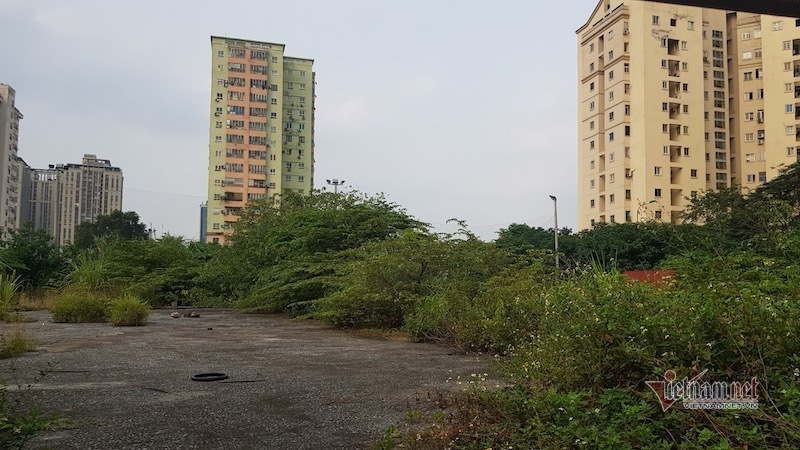
The Prime Minister has assigned the Ministry of Natural Resources and Environment and Hanoi authorities to check reports in local newspapers about 300 pending or abandoned real estate projects in the city.

The Hanoi Planning and Investment Department has released a decision to stop a housing project in Me Tri ward of Nam Tu Liem district. The investment certificate was given in June 2008 to Vietnam Trade Union Tourism Co Ltd.

Hundreds of abandoned real estate projects in Hanoi to be inspected

The company has to give back the land plot allocated to it before implementing the project, because the investor did not start the project within 12 months as stipulated in the 2014 Investment Law.

Tiếp tục đọc “Hundreds of abandoned real estate projects in Hanoi to be inspected”

Number of hotels on sale reaches record in Vietnam

16/09/2020    09:10 GMT+7 vietnamnet

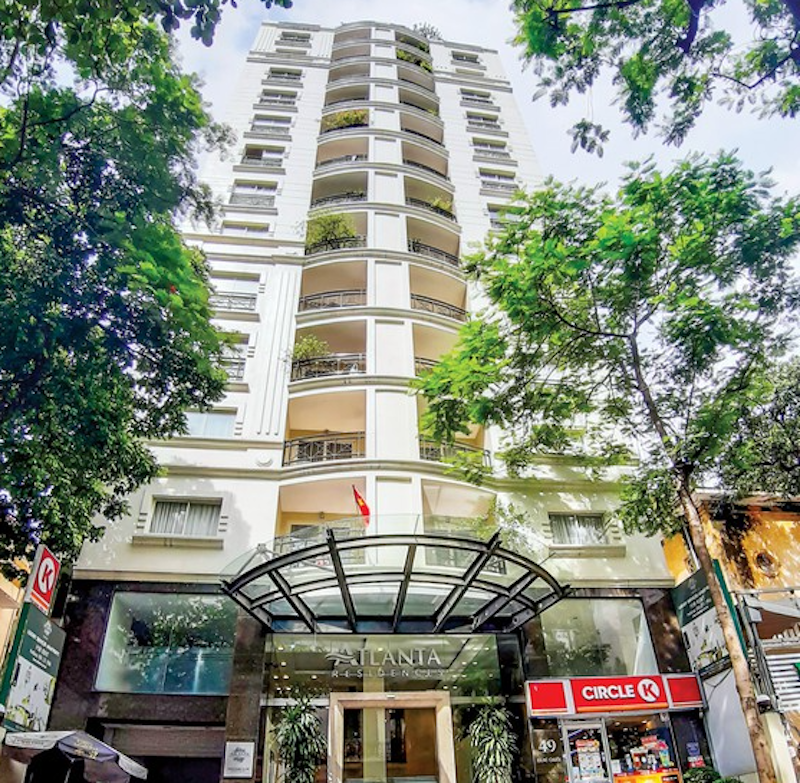
Hotels for sale is reaching a record number in a decade in Vietnam.

The number of hotels for sale is reaching a record high in a decade in Vietnam as the Covid-19 pandemic has thrown the local tourism industry in abyss, according to real estate brokers. 

Every day, dozens of hotels in Ho Chi Minh City, Hanoi, and coastal cities are for sale, but the number of properties hitting the market far outstrips that of buyers.

 A hotel in Hai Ba Trung district, Hanoi. Photo: Saigondautu

In Hanoi, the Old Quarter is home to many hotels for sale due to the impacts of the second wave of Covid-19 infections. Located on Hue Street, a 200m2 hotel is offered at VND300 million (US$12,930) per m2. Also, a 5-story hotel on Hang Be street with 16 rooms and 5.5m main side is asking for VND69 billion (US$3 million).

Tiếp tục đọc “Number of hotels on sale reaches record in Vietnam”

HCM City to turn Can Gio into sustainable eco-urban area

16/09/2020    06:47 GMT+7 vietnamnet

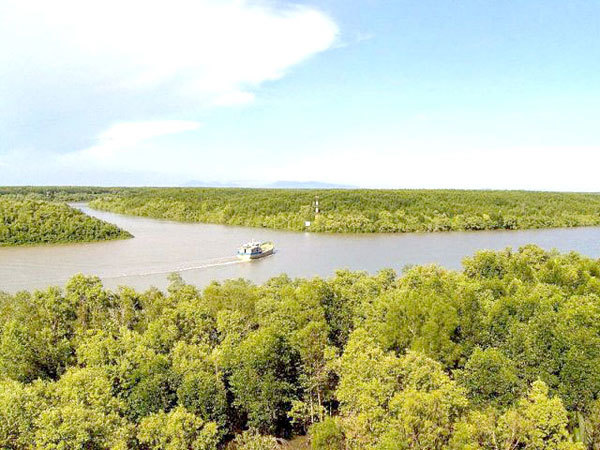
HCM City plans to turn Can Gio District into an ecological urban area as part of efforts to urbanise it and improve the quality of life for locals.

The famous Can Gio Mangrove Biosphere Reserve Area. HCM City plans to turn Can Gio District into an ecological urban area. Photo courtesy of the Can Gio Mangrove Biosphere Reserve Area

With Prime Minister Nguyen Xuan Phuc calling on HCM City to “urbanise the district while preserving its mangrove forests,” the city plans to solicit investment in the district, especially in major projects like the Can Gio Sea Encroachment project, Can Gio Bridge, an upgrade of the Rung Sac route, and building a ferry port.  

Tiếp tục đọc “HCM City to turn Can Gio into sustainable eco-urban area”