Mongabay series: Mother Nature and a hydropower onslaught aren’t the Mekong Delta’s only problems

Mother Nature and a hydropower onslaught aren’t the Mekong Delta’s only problems 

Mongabay Series:
Part 1 – Will climate change sink the Mekong Delta?
Part 2 – Vietnam sweats bullets as China and Laos dam the Mekong
Part 3 – Mother Nature and a hydropower onslaught aren’t the Mekong Delta’s only problems
Part 4 – A plan to save the Mekong Delta

13 October 2016 / David Brown

Climate change and dams going in upstream are threatening to render the crucial region unviable. But are the Delta’s biggest problems of Vietnam’s own making?

  • Vietnam’s Mekong Delta, home to nearly 20 million people, is one of the most highly productive agricultural environments in the world, thanks in part to an elaborate network of canals, dikes, sluice gates and drainage ditches.
  • On the strength of Delta agriculture, Vietnam has gone from a chronic importer of rice to a major exporter.
  • But farmers in the region are critical of the government’s food security policies, which mandate that most of the Delta’s land be devoted to rice production. And many of them are taking measures to circumvent those rules, in ways that aren’t always friendly to the environment.
  • That’s just one example of how water and land-use policy in the Delta is undermining efforts to protect the vulnerable region from climate change and upstream development.

This is the third article of an in-depth, four-part series exploring threats facing the Mekong Delta and how they might be addressed. Read the  first, secondthird and fourth installments. Tiếp tục đọc “Mongabay series: Mother Nature and a hydropower onslaught aren’t the Mekong Delta’s only problems”
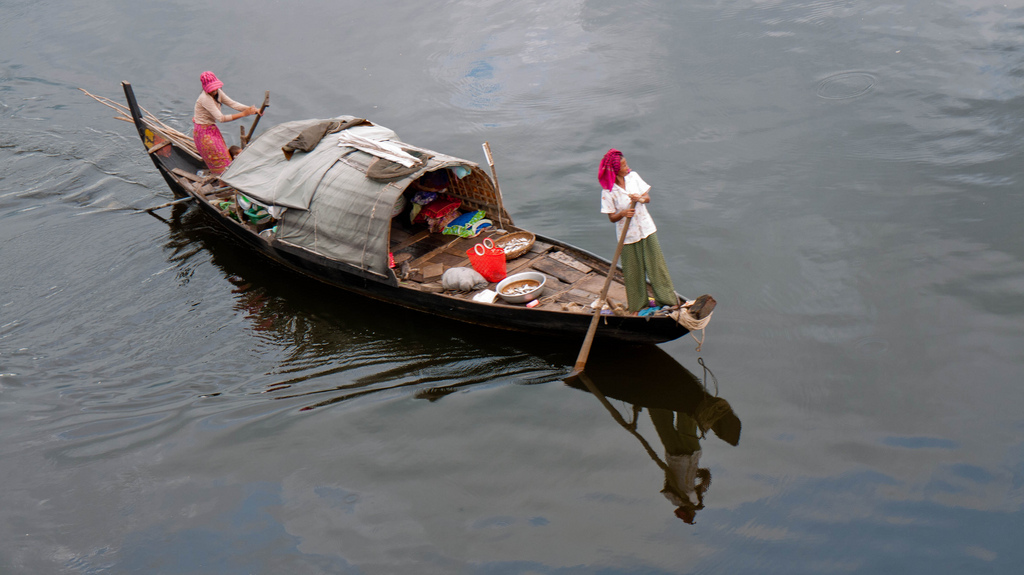
Mongabay series: Vietnam sweats bullets as China and Laos dam the Mekong

Vietnam sweats bullets as China and Laos dam the Mekong

Mongabay Series:
Part 1 – Will climate change sink the Mekong Delta?
Part 2 – Vietnam sweats bullets as China and Laos dam the Mekong
Part 3 – Mother Nature and a hydropower onslaught aren’t the Mekong Delta’s only problems
Part 4 – A plan to save the Mekong Delta

6 October 2016 / David Brown

Tiếp tục đọc “Mongabay series: Vietnam sweats bullets as China and Laos dam the Mekong”

Mongabay series: Will climate change sink the Mekong Delta

Will climate change sink the Mekong Delta?

Mongabay Series:
Part 1 – Will climate change sink the Mekong Delta?
Part 2 – Vietnam sweats bullets as China and Laos dam the Mekong
Part 3 – Mother Nature and a hydropower onslaught aren’t the Mekong Delta’s only problems
Part 4 – A plan to save the Mekong Delta

3 October 2016 / David Brown

No delta region in the world is more threatened by climate change. Will Vietnam act in time to save it?

  • Scientists say the 1-meter sea level rise expected by century’s end will displace 3.5-5 million Mekong Delta residents. A 2-meter sea level rise could force three times that to higher ground.
  • Shifting rainfall and flooding patterns are also threatening one of the most highly productive agricultural environments in the world.
  • The onus is now on Vietnam’s government in Hanoi to approve a comprehensive adaptation and mitigation plan.
This is the first article of an in-depth, four-part series exploring threats facing the Mekong Delta and how they might be addressed. Read the first, secondthird and fourth installments.It’s a sad fact that several decades of talk about climate change have hardly anywhere yet led to serious efforts to adapt to phenomena that are virtually unavoidable. Neuroscientists say that’s because we’re humans. We aren’t wired to respond to large, complex, slow-moving threats. Our instinctive response is apathy, not action.

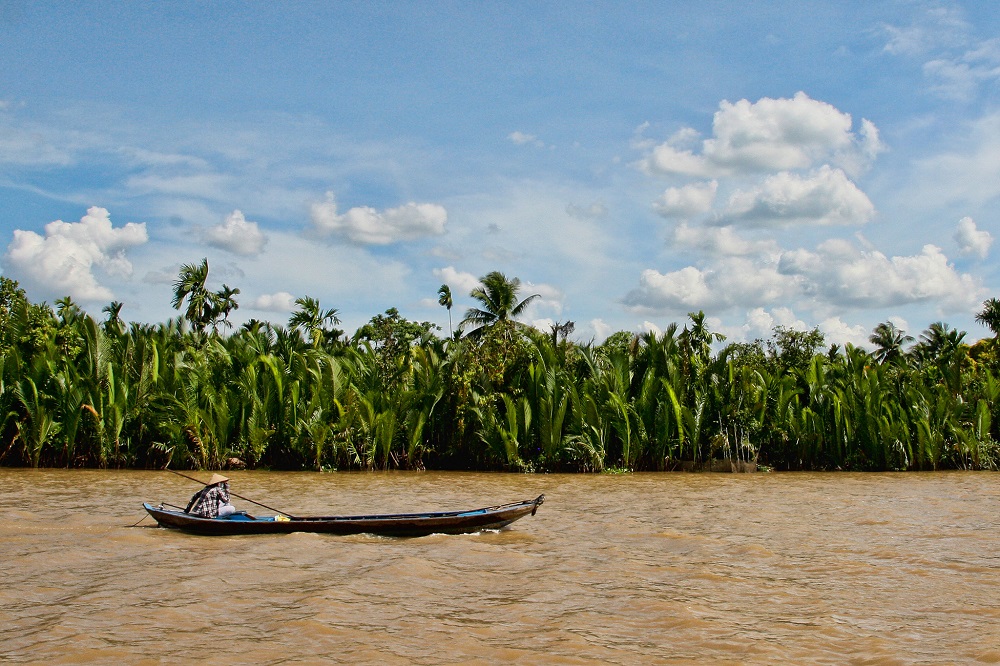
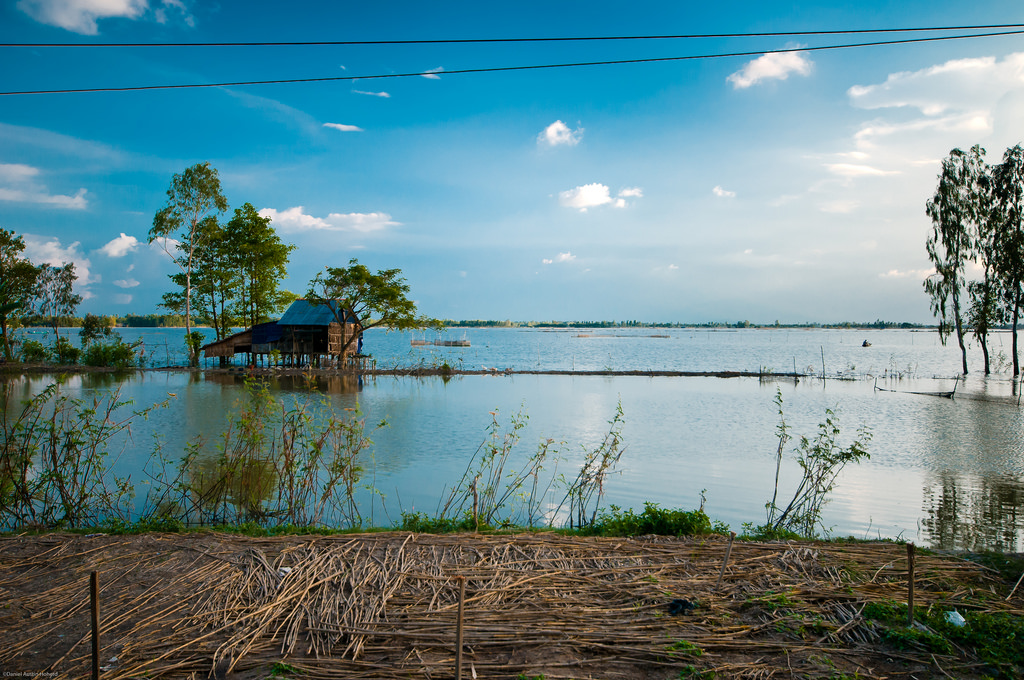
That paradox was much on my mind during a recent visit back to Vietnam’s fabulously fertile Mekong Delta, a soggy plain the size of Switzerland. Here the livelihood of 20 percent of Vietnam’s 92 million people is gravely threatened by climate change and by a manmade catastrophe, the seemingly unstoppable damming of the upper reaches of the Mekong River. Tiếp tục đọc “Mongabay series: Will climate change sink the Mekong Delta”

Letters from the Mekong: A Call for Strategic Basin-Wide Energy Planning in Laos

This issue brief—the third in Stimson’s “Letters from the Mekong” series — continues to challenge the prevailing narrative that the current rapid pace of dam construction on the Mekong River in mainland Southeast Asia will continue until the entire river is turned into a series of reservoirs. Certainly, the construction of even a few large dams will severely impact food security in the world’s most productive freshwater fishery and sharply reduce the delivery of nutrient-rich sediment needed to sustain agriculture, especially in Cambodia and Vietnam’s Mekong Delta. However, our team’s extensive research over a number of years, including site visits and meetings with regional policymakers, provides compelling evidence that not all of the planned dams will be built due to rising political and financial risks, including questions about the validity of current supply and demand projections in the greater Mekong region. As a consequence, we have concluded that it is not yet too late for the adoption of a new approach that optimizes the inescapable “nexus” tradeoffs among energy, export revenues, food security, and fresh water and protects the core ecology of the river system for the benefit of future generations.

In particular, through a continued examination of rising risks and local and regional responses to those risks, we believe that Laos and Cambodia will fall far short of current plans for more than 100 dams on the Mekong mainstream and tributaries. This reality will have particular implications for Laos, which seeks to become the “Battery of Southeast Asia” by setting the export of hydropower to regional markets as its top economic development priority.

In the case of Laos in particular, the reluctant recognition that its dream of damming the Mekong are in jeopardy may cause a reconsideration of its development policy options. Fewer Lao dams will mean that national revenue targets will not be met. Already the government has begun to make overtures for US and other donor assistance in managing the optimization of its hydropower resources. This is not surprising since Lao decision makers depend almost entirely on outside developers to build out its planned portfolio of dams under commercial build-own-operate-transfer (BOOT) concessions for export to neighboring countries. All of these dams are being constructed in a one-off, project-byproject manner with no prior input from the intergovernmental Mekong River Commission (MRC) or neighboring countries, and hence there is little practical opportunity for synergistic planning that could optimize the benefits of water usage on a basin-wide scale.

Because planners cannot see past the next project, it is impossible to determine to what extent the targets for the final power output of either Laos or the basin as a whole are achievable. Further, critical red lines of risk tolerance, particularly toward the environmental and social risks that impede dam construction, are unidentifiable because the government has little stake invested in the projects and derives few resources from the BOOT process to mitigate risk.

By 2020 roughly 30% of the Mekong basin’s power potential in Laos will be tapped by existing dams and those currently under construction. Beyond 2020 the prospect for completing the remaining 70 plus dams planned or under study by the Lao Ministry of Energy and Mines is unknowable. As Lao officials begin to realize they will not necessarily meet their development goals, there will still be time to transition to a basin-wide, strategic energy plan that meets projected revenue goals while minimizing impacts on key environmental flows through a combination of fewer dams and other non-hydropower sources of clean energy generation.

Sale of Cambodian breast milk to mothers in US criticised by UN

UN agency says trade puts babies of poor and vulnerable at risk of malnutrition as Cambodia moves to block further exports

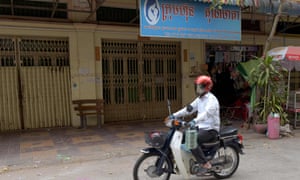
A man on a motorbike past the offices of Ambrosia Labs in Phnom Penh.
A man on a motorbike rides past the offices of Ambrosia Labs in Phnom Penh. Photograph: Tang Chhin Sothy/AFP/Getty

The UN children’s fund has strongly criticised the sale by a commercial company of breast milk donated by Cambodian mothers to women in the US, warning it could lead to the babies of poor and vulnerable women becoming malnourished. Tiếp tục đọc “Sale of Cambodian breast milk to mothers in US criticised by UN”

China denies reports of building on disputed shoal

BEIJING: China’s Foreign Ministry on Wednesday denied reports that China will begin preparatory work this year for an environmental monitoring station on disputed Scarborough Shoal in the South China Sea.

China seized the shoal, which is northeast of the Spratly islands, in 2012 and denied access to Philippine fishermen. But after President Rodrigo Duterte visited China last year, it allowed them to return to the traditional fishing area. Tiếp tục đọc “China denies reports of building on disputed shoal”

Watergrabbing A Story of Water

Al Jazeera

Historically the source of many conflicts, water grabbing is the control and theft of water resources by the powerful, often at the expense of local populations and ecosystems. It can result in dispossession, displacement and ecological destruction.

In an age of dwindling resources and climate change, water is increasingly being privatised.

It is now 24 years since the United Nations designated March 22 as World Water Day.

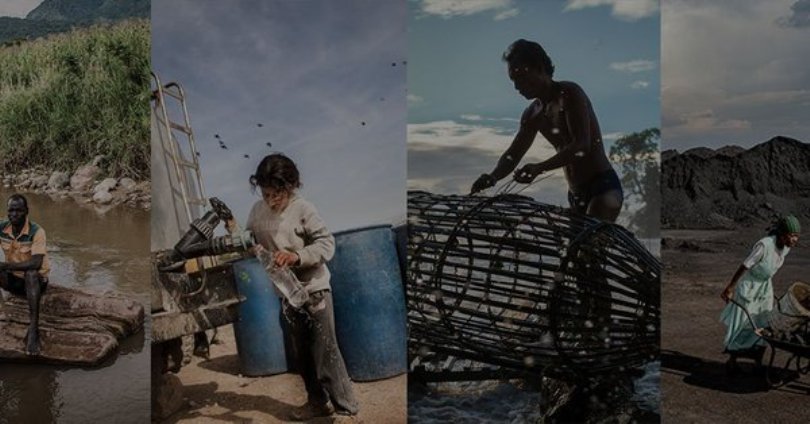
Al Jazeera looks at water grabbing in four parts of the globe, including large-scale damming in the Omo Valley in Ethiopia, the mining industry in South Africa, inequitable water practices in Palestine/Israel and the impact of dams on people living along the Mekong River in southeast Asia.

Tiếp tục đọc “Watergrabbing A Story of Water”

North Korea vows to pursue nuclear arms amid US threat

al jazeera 5 hours ago

North Korea vows to pursue nuclear arms amid US threat

Pyongyang envoy to UN warns his country is developing ‘pre-emptive strike capabilities with nuclear forces’.

North Korean diplomat Choe Myong-nam, left, is seen at a press conference in this 2015 photo [Mike Segar/Reuters]

North Korea will pursue “acceleration” of its nuclear and missile programmes including developing a “pre-emptive first-strike capability”, a diplomat from Pyongyang warned on Tuesday. Tiếp tục đọc “North Korea vows to pursue nuclear arms amid US threat”

Philippines to China: Stop Scarborough Shoal plan

al jareeza 11 hours ago

Diplomatic protest planned against Beijing as President Duterte calls for regional guidelines to resolve sea disputes.

Chinese ships spotted last September at Scarborough Shoal, which is within the Philippines’ exclusive economic zone [AP File]

The Philippines plans to file a “strong” protest against China after it announced preparatory work for an environmental monitoring station on a shoal in the South China Sea, as President Rodrigo Duterte called for regional guidelines governing the disputed area.

Justice Minister Vitaliano Aguirre told reporters in Manila on Tuesday the government would file a complaint against Beijing’s plan to construct a radar station on Scarborough Shoal.

“The case which will be filed is fairly strong I think,” Aguirre said. Tiếp tục đọc “Philippines to China: Stop Scarborough Shoal plan”

France, Japan back free navigation in Asia-Pacific, Abe says

French President Francois Hollande and Japan’s Prime Minister Shinzo Abe attend a joint declaration at the Elysee Palace in Paris, France, March 20, 2017. REUTERS/Philippe Wojaze

France and Japan support a “free and open maritime order” in the Asia-Pacific region, Japanese Prime Minister Shinzo Abe said after talks with French President Francois Hollande on Monday.

The message seemed aimed at China, which claims almost all the South China Sea and which has fueled concern in Japan and the West with its growing military presence in the waterway. Tiếp tục đọc “France, Japan back free navigation in Asia-Pacific, Abe says”

“Xanh hóa” bãi rác Đông Thạnh bằng công nghệ cao

– 63 ĐÔNG ANH 4:27 PM, 21/03/2017

Vườn mai, hoa kiểng được trồng tại bãi rác Đông Thạnh.

Cách đây khoảng 10 năm, nhắc tới bãi rác Đông Thạnh, người ta nghĩ tới ô nhiễm môi trường, là mùi hôi, là sự than phiền của người dân sống xung quanh bãi rác… Thế nhưng giờ đây, một màu xanh ngút ngàn đang phủ xanh bãi rác Đông Thạnh, khiến bất kỳ ai có dịp ghé thăm cũng phải ngỡ ngàng…

Tiếp tục đọc ““Xanh hóa” bãi rác Đông Thạnh bằng công nghệ cao”

Sơn Trà trở thành khu du lịch quốc gia: Bài toán giữa bảo tồn và phát triển?

LĐO HỮU LONG 6:15 AM, 21/03/2017

Voọc chà vá chân nâu tại bán đảo Sơn Trà làm hình ảnh nhận diện thành phố nhân sự kiện năm APEC 2017 tại Đà Nẵng. Ảnh: GreenViet.

Trung tâm Bảo tồn Đa dạng sinh học Nước Việt Xanh khuyến cáo, việc xây dựng các dự án trên bán đảo Sơn Trà ảnh hướng đến môi trường sống của loài vọoc chà vá chân nâu, đẩy loài voọc trước nguy cơ tuyệt chủng. Ngay từ bây giờ, chúng ta cần đẩy mạnh giáo dục da dạng sinh học ở cấp nhà trường và đặt bài toán cân đối giữa bảo tồn và phát triển…

Tiếp tục đọc “Sơn Trà trở thành khu du lịch quốc gia: Bài toán giữa bảo tồn và phát triển?”

Hãy ngừng ngay bê tông hóa Sơn Trà!

LĐO THÙY TRANG 3:8 PM, 20/03/2017

Hệ sinh thái động thực vật tại Sơn Trà đang ngày càng bị xâm hại nặng nề và táo tợn. Ảnh: Le Tuan.

Sau 3 ngày kể từ khi bị người dân phát hiện một phần bán đảo Sơn Trà (Đà Nẵng) bị cày ủi gần như thành đồi trọc để xây dựng biệt thự, khu nghĩ dưỡng, dự án sinh thái Biển Tiên Sa đã bị đình chỉ hoạt động. Thế nhưng, với nhiều người dân Đà Nẵng và các chuyên gia môi trường, họ mong muốn chính quyền địa phương có những quyết định mạnh mẽ hơn bởi sự xâm hại vào bán đảo Sơn Trà đang ngày càng nghiêm trọng và táo tợn.

Tiếp tục đọc “Hãy ngừng ngay bê tông hóa Sơn Trà!”

Chính sách công nghiệp: Chỉ dẫn cho một vấn đề phức tạp (P1)

English: Industrial Policy: A Guide for the Perplexed

>> Chính sách công nghiệp: Chỉ dẫn cho một vấn đề phức tạp (P2)

Với mục đích của bài viết ngắn này, chính sách công nghiệp được định nghĩa là sự can thiệp của chính phủ vào một lĩnh vực nhất định, để thúc đẩy sự tăng trưởng của lĩnh vực đó và từ đó thúc đẩy sự phát triển của toàn bộ nền kinh tế. Định nghĩa này không bao gồm các chính sách theo chiều ngang, như sự đầu tư vào giáo dục, củng cố qui định về luật và quyền sở hữu, …, mặc dù những chính sách ngang này có thể ảnh hưởng đến nhiều ngành khác nhau theo cách khác nhau và vì vậy có thể là một phần của chính sách công nghiệp. Tôi làm như vậy nhằm tăng tính khúc chiết, ngắn gọn và bởi vì sự ảnh hưởng của chính sách ngang rất rộng, và có ít nhiều gây tranh cãi xung quanh chính sách này hơn là sự ảnh hưởng của nó tới các ngành kinh tế. Để tập trung hơn nữa, tôi cũng loại trừ những sự can thiệp nhằm đạt được mục tiêu khác mục tiêu tăng trưởng, việc làm, như cải thiện môi trường và tiêu chuẩn an toàn, biện pháp can thiệp để sửa chữa thất bại của thị trường và cũng để không gây các tranh cãi liên quan. Tiếp tục đọc “Chính sách công nghiệp: Chỉ dẫn cho một vấn đề phức tạp (P1)”