In Defense of Bảo Tàng Địa Chất, Saigon’s Most Neglected Museum

By (un)conventional standards, Saigon’s Geological Museum may warrant a score of 1.3/9, but if one considers it as a source of whimsy, it’s a solid 8.2/9.For years, Saigoneer’s editorial staff has discussed visiting and writing about the Geological Museum (Bảo tàng Địa chất), but it never got done. I’ve lived here for half a decade, and when I moved to a new neighborhood a year ago my daily walk to the office took me past the museum; yet I still had never entered. Then, on a whim, one random Tuesday morning several weeks ago, I went. The result? I didn’t think I could love Saigon more than I already did, and yet…

The Collection

When a meteor, a hulking hunk of prehistoric mass, shreds through Earth’s atmosphere and slams into the surface, the impact vaporizes terrestrial scraps of minerals and sends debris into the sky. The molten globs float like glassy raindrops and fall thousands of kilometers away. Buried under layers of rock laid over millions of years, occasionally the shiny shards work their way to the surface; shimmering examples of Earth’s immensity and the intensity of time. Have you ever seen one? If not, you can.

A case filled with these tektites awaits in District 1 alongside literal pieces of lava, impressions made by long-extinct sea creatures straight out of a science-fiction movie, and wood transformed to stone. Can you imagine, wood to stone! What was once a tiny seed and then a towering tube of pulp pumping sap to a canopy of soft leaves made into solid rock by the geological machinations of our exceedingly strange planet. No one seems to care. Tiếp tục đọc “In Defense of Bảo Tàng Địa Chất, Saigon’s Most Neglected Museum”

Hội Tam Hoàng và vụ xử bắn Tạ Vinh – 2 kỳ

***

Hội Tam Hoàng và vụ xử bắn Tạ Vinh:

Sự trỗi dậy của những hoàng đế không ngai

05:45 12/08/2015

Rạng sáng ngày 14/3/1966, một người Việt gốc Hoa (Triều Châu) là Tạ Vinh đã bị đưa ra pháp trường cát rồi sau đó bị xử bắn vì tội danh “lũng đoạn nền kinh tế quốc gia”. Pháp trường này nằm trước Trụ sở Hỏa xa Sài Gòn (nay là Công ty vận tải hành khách đường sắt Sài Gòn), nhìn sang bên kia chợ Bến Thành.

Tạ Vinh lúc ra tòa án quân sự mặt trận.

Mặc dù Tạ Vinh không phải là thành viên Tam hoàng nhưng ngay khi ông ta bị bắt rồi bị đưa ra xét xử trong một phiên tòa chớp nhoáng, cả Tam hoàng Chợ Lớn lẫn Tam hoàng Hồng Kông đều ra sức cứu Tạ Vinh bởi lẽ “Nếu không nhanh chóng dập đám cháy nhỏ bằng một thùng nước thì sẽ phải dập bằng cả một hồ nước”…

Tiếp tục đọc “Hội Tam Hoàng và vụ xử bắn Tạ Vinh – 2 kỳ”

Người Hoa (Việt Nam)

Bách khoa toàn thư mở Wikipedia

Người Hoa
华人
華人
Húarén
Waa4jan4

Một gia đình người Hoa tại Lào Cai, thế kỷ XVIII

Một gia đình người Hoa tại Lào Cai

Tổng số dân
749.466 @2019 [1]
Khu vực có số dân đáng kể
Thành phố Hồ Chí MinhĐồng NaiSóc TrăngKiên GiangBạc LiêuBình DươngQuảng NamĐà NẵngBắc GiangQuảng Ninh
Ngôn ngữ
Tiếng Việttiếng Quảng Đôngtiếng Triều Châutiếng Khách Giatiếng Phúc Kiếntiếng Quan thoại
Tôn giáo
Chủ yếu là Phật giáo Đại thừaĐạo giáo và Khổng giáo, thờ cúng tổ tiên. Một lượng nhỏ theo Công giáo Roma và Tin LànhĐạo Cao Đài
Sắc tộc có liên quan
Người HánHoa kiều

Tiếp tục đọc “Người Hoa (Việt Nam)”

Sài Gòn nhớ nhớ thương thương – 10 kỳ

Ảnh phim hiếm về trung tâm Sài Gòn năm 1967

nguoidothi –   11:49 | Thứ bảy, 10/03/2018

Trải qua hơn 50 năm, các công trình như quảng trường Quách Thị Trang, cầu Khánh Hội hay cầu Mống đã có nhiều thay đổi.

Phía trước chợ Bến Thành năm 1967 là công trường Quách Thị Trang và bức tượng Trần Nguyên Hãn. Khi đó, xe lam là một trong số phương tiện giao thông công cộng được sử dụng rộng rãi. Chợ có từ trước khi người Pháp xâm chiếm Gia Định, ban đầu nằm bên bờ sông Bến Nghé, cạnh một bến sông gần thành Gia Định (bấy giờ là thành Quy, còn gọi là thành Bát Quái). Bến này dùng để cho hành khách vãng lai và quân nhân vào thành, vì vậy mới có tên gọi là Bến Thành và khu chợ cũng có tên gọi là chợ Bến Thành. Tiếp tục đọc “Ảnh phim hiếm về trung tâm Sài Gòn năm 1967”

Những hình ảnh hiếm hoi về cuộc sống Sài Gòn năm 1956

 nguoidothi –  02:28 | Chủ nhật, 14/01/2018

Bộ sưu tập ảnh này sẽ khiến bạn yên Sài Gòn hơn dù đã trải qua nhiều thập kỷ.

Bộ sưu tập Sài Gòn xưa do Saigonneer đăng tải, được thực bởi các nhiếp ảnh gia “vô danh” ở nơi mà họ yêu thích, trên đường phố Sài Gòn hoặc vài tỉnh phía Nam và được sưu tập, chọn lọc bởi tác giả Mạnh Hải trên Flickr.

Những bức ảnh này sẽ mang đến cho bạn sự ngạc nhiên với nhiều chủ đề khá ngẫu nhiên, từ người dân tộc thiểu số đến những đứa bé đang chơi đùa trên phố, cuộc sống thường nhật của Sài Gòn xưa.

Sau đây là 36 hình ảnh hiếm hoi về cuộc sống Sài Gòn năm 1956:

Tiếp tục đọc “Những hình ảnh hiếm hoi về cuộc sống Sài Gòn năm 1956”

BIỂN ĐÔNG: VÙNG BIỂN QUAN TRỌNG NHẤT TRÊN THẾ GIỚI

English: The World’s Most Important Body of Water: More than most, four men shaped the oft-cited “strategic tensions” over the South China Sea.
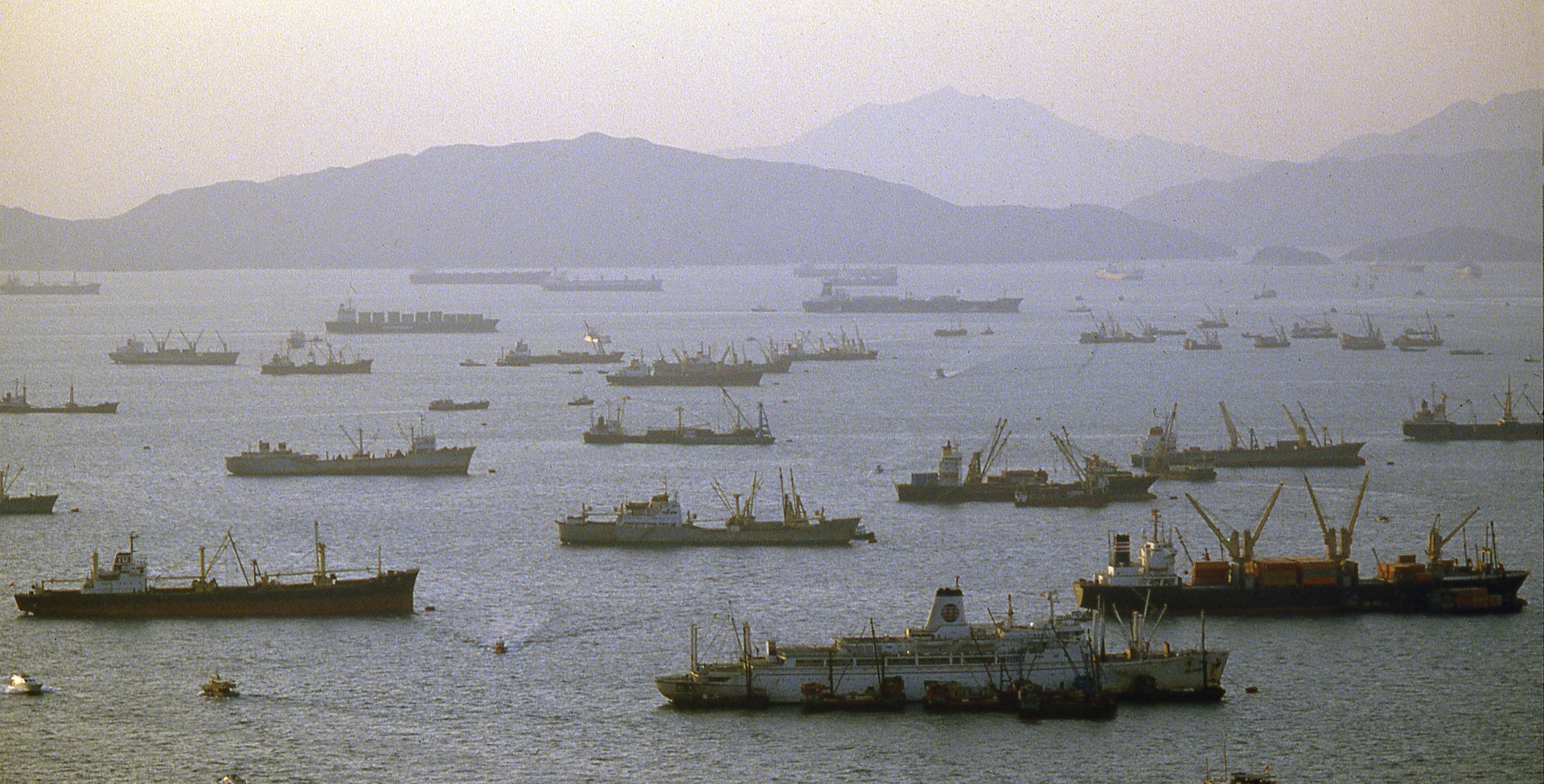
An aerial view of cargo ships in Hong Kong harbor.

Hơn ai hết, có bốn nhân vật đã định hình “căng thẳng chiến lược” thường được nhắc đến về Biển Đông

Biển Đông là vùng lãnh hải quan trọng nhất cho nền kinh tế thế giới — nơi mà ít nhất một phần ba thương mại toàn cầu thông thương qua lại. Đây cũng là vùng biển nguy hiểm nhất thế giới, nơi mà quân đội Hoa Kỳ và Trung Quốc có thể dễ dàng va chạm nhất.

Các tàu chiến của Trung Quốc và Mỹ gần như chỉ ngăn chặn được một số sự cố ở đó trong vài năm qua, và quân đội Trung Quốc đã cảnh báo về các máy bay phản lực của Mỹ bay phía trên. Vào tháng 7, hai quốc gia đã tiến hành các cuộc tập trận hải quân cạnh tranh trong vùng biển này. Với việc được gọi là “cạnh tranh chiến lược” ngày càng tăng giữa Washington và Bắc Kinh, nỗi lo sợ về một tai nạn có thể châm ngòi cho một cuộc đối đầu quân sự lớn hơn khiến các nhà chiến lược ở cả hai bên phải bận tâm.

Những căng thẳng này xuất phát từ bất đồng giữa hai nước về việc liệu Biển Đông có phải là lãnh thổ của Trung Quốc hay không, một cuộc cãi vã nói lên tranh chấp sâu sắc hơn về chủ quyền vùng biển, chủ quyền được quyết định ra sao, và các quyền di chuyển cơ bản trong các vùng biển đó.
Tiếp tục đọc “BIỂN ĐÔNG: VÙNG BIỂN QUAN TRỌNG NHẤT TRÊN THẾ GIỚI”

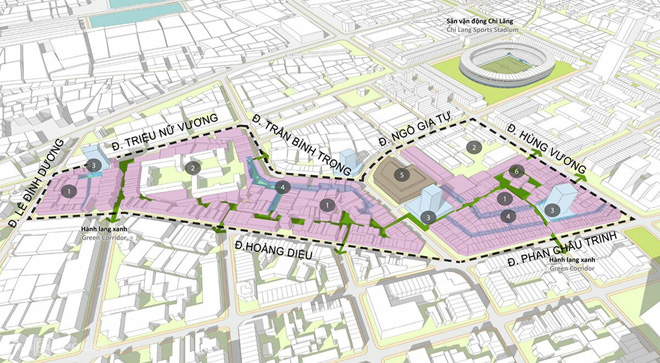
Từ 5 “kho báu” di sản quận Ba nghĩ đến việc thúc đẩy kinh tế di sản

NĐT –   16:54 | Thứ năm, 24/12/2020 Ăn quận Năm, nằm quận Ba… Ai đó đã đúc kết thành tục ngữ. Nhưng quận Ba đâu chỉ có những con đường biệt thự “cây dài bóng mát” – mơ ước nhà cửa của thị dân. Quận Ba còn có nhiều “kho báu” khác mà người viết nhân dự Hội thảo “Tiềm năng phát triển đô thị của quận Ba, TP.HCM” vào ngày 22.12 vừa qua, đã đề nghị khai thác. Mong rằng việc nhận diện các kho báu di sản của từng quận/huyện cụ thể sẽ góp thêm việc thúc đẩy kinh tế di sản cho toàn thành phố và các nơi khác.

Biệt thự 110 – 112 Võ Văn Tần (quận 3, TP.HCM) đã có kế hoạch trùng tu để trả lại một kiến trúc ẩn chứa nhiều giá trị Việt Nam. Ảnh: Trung Dũng Tiếp tục đọc “Từ 5 “kho báu” di sản quận Ba nghĩ đến việc thúc đẩy kinh tế di sản”

Con Đỗ Ba, bây giờ ra sao?

NNTôi tìm lại con của nhân chứng “My Lai massacre” giữa ánh đèn đêm le lói, ngồi nghe Chi kể chuyện, nghe cảm giác lạnh dọc xương sống…

My Lai Massacre, đó là cụm từ phía Mỹ lưu trong hồ sơ vụ thảm sát Mỹ Lai tại xã Tịnh Khê, TP Quảng Ngãi vào ngày 16/3/1968. Một nhân chứng sống sót được báo chí quốc tế và trong nước không ngừng nhắc tên là Đỗ Ba.

Nhân chứng Đỗ Ba thoát chết trong thảm sát Mỹ Lai năm 1968. Ảnh: TL.
Nhân chứng Đỗ Ba thoát chết trong thảm sát Mỹ Lai năm 1968. Ảnh: TL.

Nhưng còn một Đỗ Ba khác thì sống đời ẩn dật, vào định cư ở Trại phong Quy Hòa, tỉnh Bình Định, sau đó qua đời. Đầu tháng 9/2020, người con trai Đỗ Ba đột ngột gọi ra Đà Nẵng và nói giọng buồn bã: “Xin chú tìm giúp một nơi nương náu cho người em trai, xin chú giúp đỡ…!”. Tiếp tục đọc “Con Đỗ Ba, bây giờ ra sao?”

World History – Lịch sử Thế giới

The Encyclopedia of World History

World History textbook @GLHS

Global Studies textbook @GLHS

Lịch Sử Thế Giới – Tập 1 – Nguyễn Hiến Lê

Lịch Sử Thế Giới – Tập 2 – Nguyễn Hiến Lê

A Concise History of the-World – An Illustrated Timeline – National Geographic – Neil Kagan

A Short History of the World – H. G. Wells

French lensman depicts Vietnam’s travel destinations in late 19th century

By Mai Nhat   September 16, 2020 | 11:51 am GMT+7 vnexpress

French photographer Pierre Dieulefils documented Vietnamese landmarks like Saigon Notre Dame Cathedral, Ha Long Bay and Ban Gioc Waterfall in the late 19th century.

The 2.29-kilometer Long Bien Bridge, which connects the downtown district of Hoan Kiem with Long Bien District, was built between 1899 and 1902 by the French during their colonial rule. The bridge was initially called the Doumer Bridge after Paul Doumer, the French governor-general of Indochina in 1897. At the time of construction it was one of the worlds longest bridges. After the country’s liberation it was renamed Long Bien Bridge.In the late 19th century, some French, including Pierre Dieulefils went to Vietnam to study about Vietnamese culture. 261 of his photos, taken in Vietnams three regions in North, Central and South were printed in the book Beautiful and magnificent Indochina released last August.
The 2.29-kilometer Long Bien Bridge, which connects the downtown district of Hoan Kiem with Long Bien District, was built between 1898 and 1902 by the French during their colonial rule. It was initially called Doumer Bridge after Paul Doumer, a French governor-general of Indochina.
At the time of construction it was one of the world’s longest bridges. After the country’s liberation it was renamed Long Bien Bridge.
Pierre Dieulefils was a soldier in Indochina before returning to Vietnam in 1888 to follow his passion for photography. A total 261 of his photos, taken across Vietnam, were printed in the book “Beautiful and Magnificent Indochina” released last August.
The downtown area of Nam Dinh Province is viewed from above with  tiled roof architecture and close-up houses.
An aerial view of Nam Dinh Town’s center. The town is now capital of Nam Dinh Province in northern Vietnam, nearly 90 km from Hanoi.
Ha Long Bay still looks unspoiled at the end of the 19th century. More than a century ago, the beauty of Ha Long Bay and the life of the people there was an interesting topic that attracted many foreign photographers. In 1994, Ha Long Bay in the northern province of Quang Ninh was recognized by UNESCO as a world natural heritage, earning it a global fame.
Ha Long Bay more than a century ago.
In 1994, the bay in the northern province of Quang Ninh was recognized by UNESCO as a world natural heritage, earning it global fame.
Pierre Dieulefils also spendt much time visiting destinations in the northern border region, including the Ban Gioc waterfall. The waterfall is located in Trung Khanh District in Cao Bang Province on the border with China. Around 340 kilometers (225 miles) to the north of Hanoi, Ban Gioc is now a relatively uncrowded natural beauty in Vietnam and a popular tourist destination in northern Vietnam.
Ban Gioc is considered Vietnam’s most beautiful waterfall, one of the largest natural waterfalls in Southeast Asia, and also the fourth largest in the world amongst those located on an international border.
Ban Gioc Waterfall is in Trung Khanh District of Cao Bang Province on the border with China, around 340 km (225 miles) to the north of Hanoi.
The area outside the Hue Imperial in the capital town Hue in central Vietnam. The relic was built under the reigns of King Gia Long and Minh Mang, located to the north of Huong (Perfume) River. This place combines Vietnamese traditional architectural principles, eastern philosophical thought with the five elements yin and yang theory and the features of Western military architecture.
The area outside the Hue Imperial Citadel in Hue Town, central Vietnam.
The relic was built under the reigns of Kings Gia Long and Minh Mang, to the north of Huong (Perfume) River. It combines traditional Vietnamese architecture, the eastern philosophy of yin and yang, and Western military architecture.
Gia Long was the first emperor (ruling 1802-1820) of the Nguyen Dynasty, Vietnam’s last royal family (1802-1945), while Minh Mang was the second emperor (ruling 1820-1841).
Mossy stone steps at Thieu Tri Mausoleum, the burial place of Emperor Thieu Trii, the third king of the Nguyen Dynasty. This was part of the Hue Monuments Complex recognized by UNESCO as a World Cultural Heritage in 1993. Today, the mausoleum is located in Cu Chanh Village, in Huong Thuy Town.
Mossy stone steps at Thieu Tri Mausoleum, the tomb of Emperor Thieu Tri, the third Nguyen Dynasty king (ruling 1841-1847).
This area is now part of the Hue Monuments Complex recognized by UNESCO as a world cultural heritage in 1993. Today, the mausoleum is located in Cu Chanh Village of Huong Thuy Town in Hue.
Nine Dynastic Urns includes nine bronze urns located in front of The Mieu Temple in the Hue Imperial Citadel. Construction on the nine Dynastic Urns started in December 1835 and completed in June 1837 under the reign of King Minh Mang. Each urn was decorated with 17 bas-reliefs and named in accordance with the posthumous titles of Nguyen emperors worshipped in The Mieu temple.
Ninedynastic urns stand in front of The Mieu Temple in the Hue Imperial Citadel. Construction on these nine urns started in 1835 and completed in 1837 under the reign of King Minh Mang.
Each urn was decorated with 17 bas-reliefs and named in accordance with the posthumous titles of Nguyen emperors worshipped at The Mieu Temple.
Binh Loi Bridge in the early 20th century. Stretching 276 meters with six spans, Binh Loi was the first bridge to cross the Saigon River and part of the initial phase of the Saigon-Nha Trang railway line. It was built by Levallois-Perret, a construction company formed out of the former Maison Eiffel which was founded by the legendary engineer Gustave Eiffel.Last June, the bridge was dismantled because of deterioration after more than 100 years.
Binh Loi Bridge in Saigon. Stretching 276 m with six spans, Binh Loi was the first bridge to cross Saigon River and part of the initial phase of the Saigon-Nha Trang railway line. It was built by Levallois-Perret, a construction company formed out of the former Maison Eiffel, founded by legendary engineer Gustave Eiffel.
Last June, the bridge was dismantled because of deterioration after more than 100 years.
Boats in front of a factory in Cho Lon area, which was formed between the 17th and 19th centuries when ethnic Chinese and their offspring settled here and built a bustling area. When the French dominated the country, Cho Lon was a town distinct from Saigon. The two were combined in 1956. Currently it is Ho Chi Minh Citys Districts 5 and 6.
Boats in front of a factory in Cho Lon area, formed between the 17th and 19th centuries when ethnic Chinese and their relatives settled here and built a bustling area.
In the French colonial time, Cho Lon was a town distinct from Saigon. The two were combined in 1956. Currently, the Cho Lon area is in Saigon’s Districts 5 and 6.
A view of the old Saigon Notre Dame Cathedral. The cathedral did not have two bell towers when inaugurated in 1880. They were later added in 1985, to include a total of six large bronze bells, with two crosses at the top, 60.5 m above ground. Located in a tourist precinct that includes the historic Central Post Office in District 1, the 140-year-old cathedral is popular among foreign and local visitors, especially during holiday seasons.
The Saigon Notre Dame Cathedral did not have two bell towers when inaugurated in 1880. They were later added in 1985, to include a total of six large bronze bells, with two crosses at the top, 60.5 m above ground.
Located in a tourist precinct that includes the historic Central Post Office in District 1, the 140-year-old cathedral is popular among foreign and local visitors, especially during holiday season.
Pierre Dieulefils was born in Malestroit Village in the Bretagne region of France in 1862. He joined the army in 1883 and was later assigned to Indochina in 1885.Two years later, he was discharged and returned to France. In 1888, he returned to northern Vietnam and became a professional photographer and postcard publisher.In 1905, he went to Saigon and then traveled to Phnom Penh and Angkor Wat in Cambodia. In 1909, he gathered a set of photos on Indochina and published a photo book entitled Indo-chine Pittoresque & Monumentale: Annam - Tonkin. The work earned him a gold medal at the Brussels International Exposition of 1910. In 1913, he returned to France, spending most of his time composing poetry. He died in his hometown of Malestroit in 1937.
Pierre Dieulefils (1862-1937) joined the army in 1883 and was later assigned to Indochina in 1885. Two years later, he was discharged and returned to France. In 1888, he returned to northern Vietnam and became a professional photographer and postcard publisher.
In 1909, he gathered a set of photos on Indochina and published a photo book entitled “Indo-chine Pittoresque & Monumentale: Annam – Tonkin”. The work earned him a gold medal at the Brussels International Exposition of 1910.

Photos by Pierre Dieulefils

Vietnam in the late 19th century through French photographer’s lens

By Mai Nhat   September 14, 2020 | 08:40 am GMT+7 vietnamnet

French lensman Pierre Dieulefils captured images of daily life in Vietnam in the 1880s.

At the end of the 19th century, southern women preferred ao ngu than (five-part ao dai) with beaded jewelry. According to Vietnamese designer Sy Hoang, rich women in this period of time used to wear this type of ao dai, with the four layers representing the parents of both the wife and husband. The fifth layer represents the wearer. The clothing also has five buttons, symbolic of the five qualities every one should have - nhan (kindness), le(decorum), nghia(uprightness), tri(wisdom) and tin (faithfulness). These photos are in Indo-Chine Pittoresque & Monumentale: Annam – Tonkin book, which includes a collection of photos taken by French lensman Pierre Dieulefils, who was a soldier in Indochina before returning to Vietnam  in 1988 to follow his passion for photography.
At the end of the 19th century southern women preferred “ao ngu than” (five-piece ao dai) and beaded jewelry. According to designer Sy Hoang, rich women used to wear this type of ao dai, with four layers representing the parents of the wife and husband and the fifth, the wearer. The tunic also had five buttons, symbolic of the five qualities everyone should have – nhan (kindness), le (decorum), nghia (uprightness), tri (wisdom) and tin (faithfulness).
Tiếp tục đọc “Vietnam in the late 19th century through French photographer’s lens”

President Ho Chi Minh’s Stilt House in Hanoi

By Ha Thanh   September 5, 2020 | 12:03 pm GMT+7 VNExpress

Ho Chi Minh’s Stilt House, the living and working space of the former president, is a popular historic site in Hanoi for both Vietnamese and foreign travelers.
Built in 1958, the tile-roofed stilt house has a single floor and measures 10.5 metres in perimeter (??) and 6.2 metres in height. It resembles the style of the traditional of the Tay – Thai ethnic stilt house in Viet Bac, the northernmost region of Vietnam consisting of six provinces, Cao Bang, Bac Kan, Lang Son, Ha Giang, Tuyen Quang, and Thai Nguyen. Prior to the construction of the house, Ho Chi Minh, known affectionately as Uncle Ho, had discussed its design thoroughly with its architect, Nguyen Van Ninh. He wanted it to resemble his previous stilt house in Viet Bac, with the ground floor being open and the first having a study and a bedroom and a wall with a bookcase and surrounded by a verandah. Uncle Ho lived and worked here from 1958 until his death in 1969. It witnessed many monumental decisions made for the country, making it an architectural, cultural and political heritage of Vietnam.
Built in 1958, the tile-roofed stilt house at 1 Hoang Hoa Tham Street in Ba Dinh District has a single floor and measures 10.5 metres in length and 6.2 metres in width. It resembles the style of the traditional of the Tay – Thai ethnic stilt houses in Viet Bac, the northernmost region of Vietnam consisting of six provinces, Cao Bang, Bac Kan, Lang Son, Ha Giang, Tuyen Quang, and Thai Nguyen. Viet Bac was the name of the region in the time of war against the French colonists (1945-1954).
Tiếp tục đọc “President Ho Chi Minh’s Stilt House in Hanoi”

A slip down memory lane: Vietnam in the 1880s

By Mai Nhat   August 24, 2020 | 08:33 am GMT+7 vnexpress

Grayscale photos by French photographer Pierre Dieulefils shed light on Vietnam’s historical landscape during the late 19th century.

A local book publication has published a book titled Indo-Chine Pittoresque & Monumentale which show a collection of old photos taken by different French photographers, including Dieulefils. These photos served as a form of research about locals lives  back during the French colonial period.
Locally published “Indo-Chine Pittoresque & MonumentaleAnnam – Tonkin” book includes a collection of photos taken by different French photographers, including Dieulefils. These images serve to expose Vietnamese culture during the French colonial period and can be dated back to 1885.

Tiếp tục đọc “A slip down memory lane: Vietnam in the 1880s”