Nông nghiệp hữu cơ 2018: Thách thức và cơ hội !

Ghi chép của Hoàng Thiên Nga

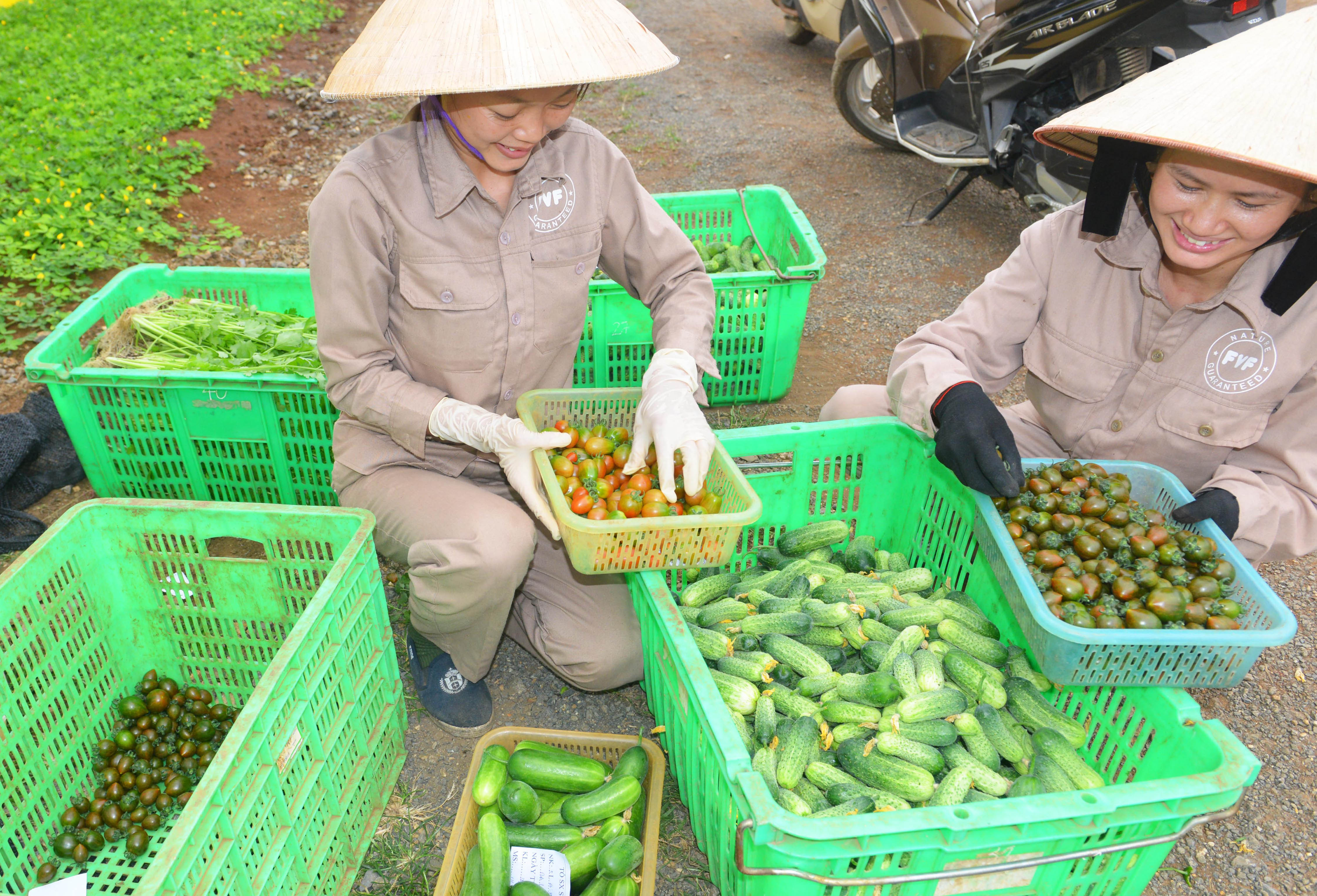
Chưa bao giờ xã hội quan tâm đến khái niệm “nông nghiệp hữu cơ” như bây giờ, trào lưu sản xuất nông sản xanh-sạch cũng đã lan tỏa trên nhiều tỉnh thành cả nước. Tuy nhiên, bên cạnh sự nhập cuộc mạnh mẽ của những doanh nghiệp lớn, nhiều người tiên phong làm nông nghiệp hữu cơ vẫn vướng víu rất nhiều trở ngại, cần cơ chế hỗ trợ cụ thể và khả thi.

Rau quả hữu cơ rất ngon lành

Tiếp tục đọc “Nông nghiệp hữu cơ 2018: Thách thức và cơ hội !”

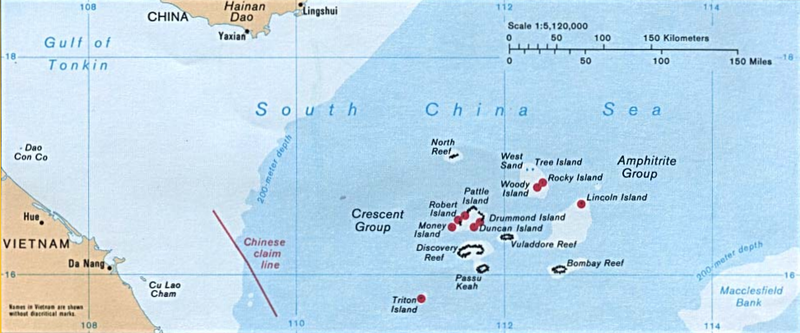
Cooperate or South China Sea fisheries may collapse

    • More than half the fishing vessel in the world operate in the South China Sea, where sovereign rights have been an object of fierce contention among bordering countries.
    • Scientists have been warning that the sea is fast becoming the site of an environmental disaster, the impending collapse of one of the world’s most productive fisheries.
    • Now a group of experts that includes geopolitical strategists as well as marine biologists is calling on the disputing parties to come together to manage and protect the sea’s fish stocks and marine environment.
    • Effective management hinges on China’s active participation, but it remains unclear whether that country, now the dominant power in the sea with a big appetite for seafood, will cooperate.

Tiếp tục đọc “Cooperate or South China Sea fisheries may collapse”

Việt Nam học được gì từ giáo dục STEM (Khoa học-công nghệ-kỹ thuật-toán học)?

Dân trí Trong khoảng hai thập niên gần đây, Giáo dục STEM đã trở nên phổ biến ở Mỹ và một số nước trên thế giới. Vậy giáo dục STEM là gì? Điểm mạnh và điểm hạn chế? Chúng ta học được gì từ giáo dục STEM, đặc biệt trong bối cảnh xây dựng Chương trình giáo dục phổ thông mới?
 >> Bộ GD&ĐT khuyến khích các trường đưa môn học STEM vào giảng dạy
 >> Chuyện giáo dục Bồ Đào Nha “lột xác” nhờ STEM qua con mắt GS. John Vũ

Cùng với thuật ngữ “Cách mạng công nghiệp lần thứ tư” và “Giáo dục 4.0”, STEM dường như đã trở thành một thuật ngữ thời thượng. Trong bối cảnh như thế, có hai câu hỏi bản chất cần giải quyết:

Thứ nhất, Giáo dục STEM là gì? Điểm mạnh và điểm hạn chế? Tiếp tục đọc “Việt Nam học được gì từ giáo dục STEM (Khoa học-công nghệ-kỹ thuật-toán học)?”

Ngành năng lượng Việt Nam đang đi ngược xu thế

Thứ Ba,  19/12/2017, 09:58 

Ống khói của một nhà máy nhiệt điện chạy than ở khu vực phía Bắc. Ảnh: laodong.vn

(TBKTSG) – Hơn 42% tổng nguồn vốn đầu tư trực tiếp nước ngoài (FDI) mới cam kết được cấp phép trong 11 tháng đầu năm 2017 là đăng ký vào lĩnh vực kinh doanh và phân phối điện. Đáng chú ý, cả ba dự án được cấp phép trong lĩnh vực này đều là xây dựng nhà máy nhiệt điện than.

Cấp phép ba dự án BOT nhiệt điện than

Ngoài tập đoàn Điện lực Việt Nam (EVN) là đơn vị chủ lực thực hiện đầu tư phát triển nguồn điện, Chính phủ đã từng bước hình thành, phát triển thị trường điện cạnh tranh, đa dạng hóa phương thức đầu tư và kinh doanh điện, nhằm khuyến khích các nhà đầu tư trong và ngoài nước tham gia đầu tư các công trình nguồn điện theo hình thức BOT (xây dựng – vận hành – chuyển giao).

Tiếp tục đọc “Ngành năng lượng Việt Nam đang đi ngược xu thế”

Mẹ thiên nhiên và huỷ diệt bởi thủy điện không phải là vấn đề duy nhất của Đồng Bằng Sông Cửu Long

Không có khu vực đồng bằng nào trên thế giới bị đe doạ bởi biến đổi khí hậu trầm trọng như Sông Cửu Long. Liệu Việt Nam có hành động kịp thời để cứu nơi đây?

Loạt bài của Mongabay – Mongabay series

Tiếng Việt
Phần 1 – Liệu biến đổi khí hậu sẽ nhấn chìm Đồng bằng sông Cửu Long?
Phần 2 – Việt Nam cực kỳ lo lắng vì Trung Quốc và Lào xây đập trên Mekong
Phần 3 – Mẹ Thiên nhiên và huỷ diệt bởi thủy điện không phải là vấn đề duy nhất của Đồng bằng sông Cửu Long
Phần 4 – Kế hoạch cứu nguy Đồng bằng sông Cửu Long

English
Part 1 – Will climate change sink the Mekong Delta?
Part 2 – Vietnam sweats bullets as China and Laos dam the Mekong
Part 3 – Mother Nature and a hydropower onslaught aren’t the Mekong Delta’s only problems
Part 4 – A plan to save the Mekong Delta

Biến đổi khí hậu và các đập nước ở thượng nguồn đang đe dọa khu vực quan trọng này và vấn đề trở nên khó kiểm soát được. Nhưng có phải những vấn đề lớn nhất của ĐBSCL đều do chính Việt Nam tạo ra?

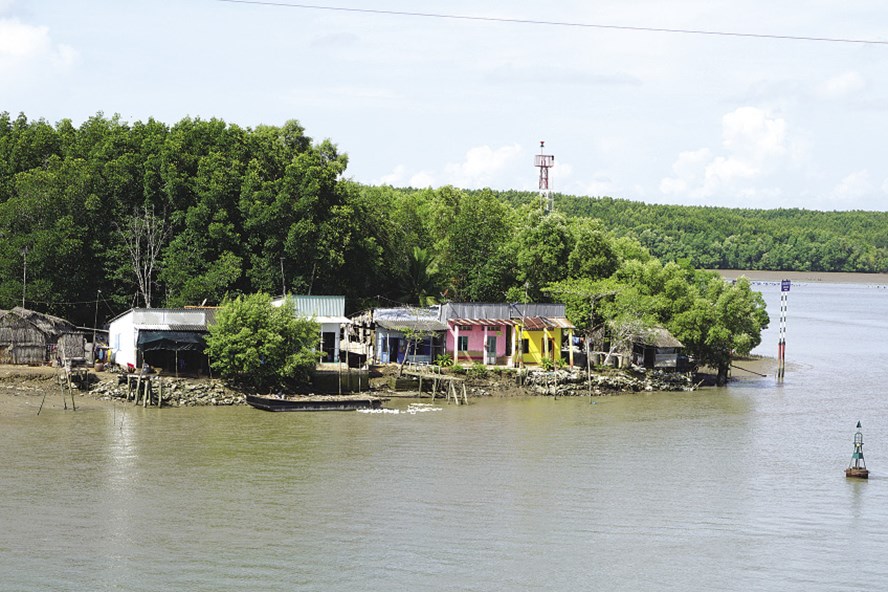
Đồng bằng sông Cửu Long của Việt Nam, nơi ở của gần 20 triệu người, là một trong những môi trường nông nghiệp có năng suất cao nhất trên thế giới, nhờ vào mạng lưới kênh rạch, đê, cửa cống và rãnh thoát nước phức tạp.

Về thế mạnh nông nghiệp của ĐBSCL, Việt Nam đã đi từ một nhà nhập khẩu gạo lâu năm và trở thành một nước xuất khẩu lớn. Tuy nhiên, nông dân trong khu vực rất quan tâm đến các chính sách an ninh lương thực của chính phủ, trong đó yêu cầu hầu hết đất đai của ĐBSCL phải được dành cho sản xuất lúa gạo. Và nhiều người trong số họ đang có biện pháp để phá vỡ các quy tắc, theo những cách mà không phải lúc nào cũng thân thiện với môi trường.
Tiếp tục đọc “Mẹ thiên nhiên và huỷ diệt bởi thủy điện không phải là vấn đề duy nhất của Đồng Bằng Sông Cửu Long”

Eluding Censors, a Magazine Covers Southeast Asia’s Literary Scene

Minh Bui Jones looking at a previous issue of his magazine on the terrace of his house in Cambodia’s capital, Phnom Penh. CreditOmar Havana for The New York Times

HONG KONG — At Monument Books, a bookstore in Phnom Penh, Cambodia, the magazine racks are stacked with copies of The Economist and other titles from Britain, Australia, France and the United States.

But one top-selling magazine there was founded in Phnom Penh and takes its name — Mekong Review — from the mighty river that runs beside the city’s low-rise downtown.

Tiếp tục đọc “Eluding Censors, a Magazine Covers Southeast Asia’s Literary Scene”

Want More Women on Boards? This Stat Help

Gillian Tan is a Bloomberg Gadfly columnist covering deals and private equity. She previously was a reporter for the Wall Street Journal. She is a qualified chartered accountant.)

(Updated )

A global effort to bolster the number of women on corporate boards is taking longer than it should. But the recent performance of companies that lead their peers on this measure may accelerate change.

An MSCI study published this month shows just seven companies in its key global index, comprised of more than 2,500 members, have boards that are dominated by women. But of these seven, more than half have outperformed their industry peers. The list is led by luxury retailer Kering FP, which has seven women on its 11-person board. The Gucci owner has outperformed the entire index as well as the more-specific consumer discretionary index not only on a year-to-date measure, but also since the company added two more female directors in April 2016 to put women in the majority.

Read more on Bloomberg

Biến đổi khí hậu đã tác động đến Việt Nam như thế nào?

Do ảnh hưởng của nước biển dâng, hiện các nhà dân ở chân cầu Dần Xây (huyện Cần Giờ, TPHCM) lúc triều cao bị ngập đến 1,7m khiến việc sinh hoạt, đi lại rất khó khăn. Ảnh: MINH QUÂN

The Climate – Justice – Cooperation Nexus: 10 Cornerstones of the Great Transformation towards Sustainability

IIASA

The challenge of our generation: Avert dangerous global warming – invest in social cohesion and wellbeing of people – build local, national, and transnational alliances for transformative change towards sustainability

1. We can reach the goals of the Paris Agreement – but ambitious action is needed now! Climate change is a threat to humanity. Irreversible Earth systems changes need to be avoided. This is a civilisational challenge which requires unprecedented joint action around the globe. We are under huge time pressure. Global CO2 emissions must decline to zero by mid-century in order to achieve the ambitious Paris goal, aimed at stabilising the global mean temperature well below 2 degrees C, and if possible at 1.5 degrees C. This translates into a stylised “carbon law”, whereby emissions must be halved every decade in analogy to the Moore’s law of semiconductors. We have the resources and the technology to achieve this, but do we have the political will and the resolve? Recent developments, such as the declaration by the US President to withdraw from the Paris Agreement, can be interpreted as a major setback. At the same time, they may inspire counter-movements, strengthening the determination to vigorously combat climate change. In particular, OECD countries and emerging economies should make commitments within the G 20 and within their national policies to ensure the achievement of global decarbonisation by the middle of the century. Tiếp tục đọc “The Climate – Justice – Cooperation Nexus: 10 Cornerstones of the Great Transformation towards Sustainability”

Ocean plastic pollution – what role can social science play?

29 November 2017

IDS is partnering with the EU, UN, Chatham House and other organisations to host a high level side event on circular economy solutions to tackling ocean plastic pollution, during this year’s United Nations Environment Assembly in Nairobi (4-6 December). The event will showcase specific examples of collaborative action and policies that aim to reduce plastic waste, address unsustainable consumption and production patterns and redirect investment for a clean, efficient and circular economy. Ahead of the event, I want to highlight the importance of a universal development approach and transformative social science research, as solutions to the ocean plastics problem.

A large sculpture of a shark made out of plastic waste found in the ocean.

Ocean plastics pollution – not just an environmental issue

Plastics pollution of oceans has emerged as a major global environmental crisis. Between 4.8 and 12.7 million tonnes of plastics enter the ocean each year. It is devastating for marine ecosystems and the accumulation of microplastics in food chains pose a risk to human health. And the issue is becoming more serious.  By 2050, plastics production is expected to increase to over 2000 tonnes per year, up from 311 million tonnes in 2014.

Plastics end up in the ocean as the result of chains of human activities in different parts of the world. We are all contributing to it. China, Indonesia and the Philippines have been identified as the top three sources of ocean plastics pollution by the Ocean Conservancy. While litter found on the sea floor around the UK has risen 150% in the last year and UK plastic waste drifts to the artic where is has a very damaging impact on one of the most vulnerable ecosystems in the world.

Tiếp tục đọc “Ocean plastic pollution – what role can social science play?”

Lễ trao học bổng Đọt Chuối Non lần thứ 10 – Rơi lệ trước những tấm gương vượt khó phi thường

Bài cùng chuỗi:
Tiếp thêm động lực phấn đấu – Học bổng Đọt Chuối Non 2017

TP
BMT – Trong 97 học sinh đặc biệt hiếu học, hiếu thảo trên 2 tỉnh Tây Nguyên được tuyển chọn trao học bổng Đọt Chuối Non lần thứ 10, có những học sinh mang trọng bệnh hoặc khuyết tật nặng, nhưng vẫn nỗ lực theo đuổi sự học, học giỏi, và đầy nghị lực vươn lên.

97 suất học bổng và nhiều phần quà đã được trao

Suốt gần 3 tiếng đồng hồ sáng ngày 18/11/2017, hơn 1.400 đại biểu, thầy cô giáo, nhà tài trợ và học sinh đã chăm chú theo dõi buổi lễ mừng ngày Nhà giáo Việt Nam, và trao học bổng Đọt Chuối Non lần thứ 10 trong khuôn viên thoáng rộng, rợp mát bóng cây của trường THCS Lương Thế Vinh (số 1 Tôn Đức Thắng TP Buôn Ma Thuột) Tiếp tục đọc “Lễ trao học bổng Đọt Chuối Non lần thứ 10 – Rơi lệ trước những tấm gương vượt khó phi thường”

Global nuclear weapons: downsizing but modernizing

Pie chart showing gloal share of nuclear weapons in January 2016

SPIRI_(Stockholm, 13 June 2016) The Stockholm International Peace Research Institute (SIPRI) today launches its annual nuclear forces data, which highlights the current trends and developments in world nuclear arsenals. The data shows that while the overall number of nuclear weapons in the world continues to decline, none of the nuclear weapon-possessing states are prepared to give up their nuclear arsenals for the foreseeable future.

At the start of 2016 nine states—the United States, Russia, the United Kingdom, France, China, India, Pakistan, Israel and North Korea—possessed approximately 4,120 operationally deployed nuclear weapons. If all nuclear warheads are counted, these states together possessed a total of approximately 15,395 nuclear weapons compared with 15,850 in early 2015 (see table 1).


Table 1. World nuclear forces, 2016 Tiếp tục đọc “Global nuclear weapons: downsizing but modernizing”