Khmer New Year Festival wishes for lucks

Last update 11:34 | 19/04/2017

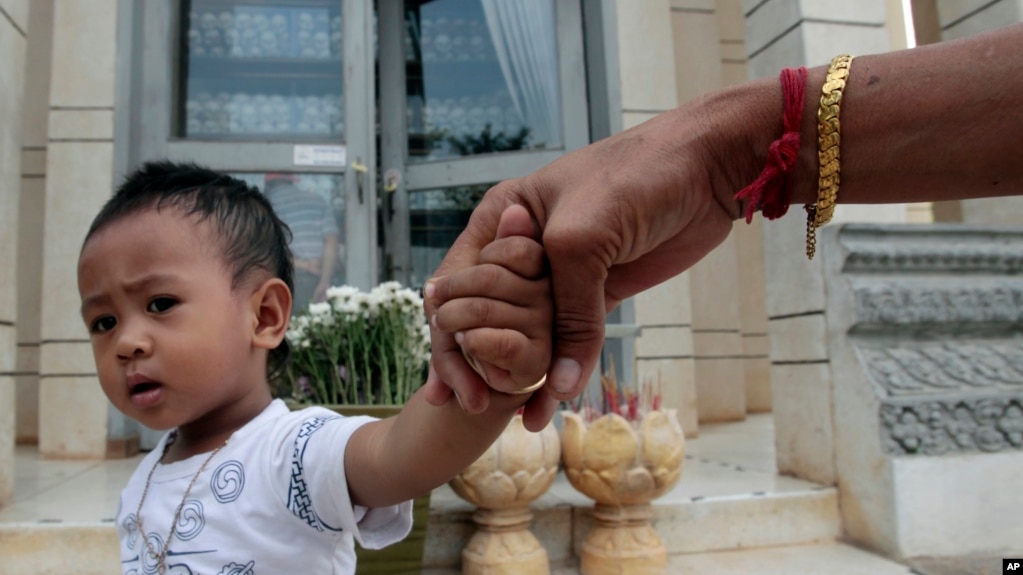
Choi Chnam Thmay is the traditional New Year of the Khmer people living in the Mekong Delta. It takes place from April 13 to 15, bringing crowds to pagodas to worship Buddha. Traditional customs like bathing the Buddha statue, and wearing wish bracelets, as well as music and dance performances, are also offered.

Khmer New Year Festival wishes for lucks, entertainment events, entertainment news, entertainment activities, what’s on, Vietnam culture, Vietnam tradition, vn news, Vietnam beauty, news Vietnam, Vietnam news, Vietnam net news, vietnamnet news, vietnamnet

People attend an offering worship at Xoai Xiem Thmay Pagoda. Tiếp tục đọc “Khmer New Year Festival wishes for lucks”

Cách nói tôi, ta, tao, tớ, qua, min… Tiếng Việt thời LM de Rhodes (phần 2)

Linh mục Alexandre de Rhodes và cuốn Phép Giảng Tám Ngày

Nguyễn Cung Thông[1]

>> Tiếng Việt thời LM de Rhodes – Cách nói “xuống thuyền, trên trời, ra đời, Đàng Trong/Ngoài …” (phần 1)
>> Tiếng Việt thời LM de Rhodes – Cách nói tôi, ta, tao, tớ, qua, min… (phần 2)
>> Tiếng Việt thời LM de Rhodes – Cách dùng chớ (gì), kín … (phần 3)
>> Tiếng Việt thời LM de Rhodes – Cách dùng đỗ trạng nguyên, trên/dưới… (phần 4)

Phần này bàn về các cách dùng đại từ nhân xưng ngôi thứ nhất vào thời linh mục (LM) Alexandre de Rhodes đến An Nam truyền đạo. Cách gọi đại từ nhân xưng với các ngôi chính là vết tích của truyền thống ngữ pháp La Tinh như sẽ thấy rõ hơn ở phần sau.

Bài này chú trọng đến cách dùng vào thời các giáo sĩ qua An Nam, chứ không phê bình cách phân loại này có chính xác hay không cho loại hình ngôn ngữ đặc biệt của tiếng Việt. Tiếp tục đọc “Cách nói tôi, ta, tao, tớ, qua, min… Tiếng Việt thời LM de Rhodes (phần 2)”

Nofilter

UNICEF Viet Nam – Xuất bản 27 thg 3, 2017

Hãy cùng chúng tôi hưởng ứng #NgayNuocTheGioi – bằng cách cùng nhìn lại chiến dịch #Nofilter, một chiến dịch truyền thông nhằm nâng cao nhận thức về hậu quả của biến đổi khí hậu. Thông qua loạt ảnh chụp trẻ em Việt Nam được tráng rửa theo cách thủ công và truyền thống (sử dụng film, nước và phòng tối), nhưng với nguồn nước ô nhiễm từ sông hồ gần nơi các em sống. Những bức ảnh bị hư hại nặng nề cũng chính là câu trả lời cho việc biến đổi khí hậu ảnh hưởng thế nào đến sức khỏe và sự phát triển của con em chúng ta.

Nofilter

Tiếp tục đọc “Nofilter”

New product papers over an old tradition

vietnamnews

Update: April, 16/2017 – 09:00

Soft light: A lantern made with nipa palm paper.VNS Photo Công Thành

Young entrepreneurs have come up with a creative way to have visitors to Hoi An City take part of its famous nipa palm forest home as souvenirs, Hoai Nam reports

Trương Tấn Thọ, 39, earns a living making traditional paper.

Apart from the famous (poonah) paper, his firm in Hoi An City, called Giấy Việt (Vietnamese paper), also makes paper from the pulp of bamboo and mulberry trees.

A few years ago, Thọ hit up on the idea of using the stems of the nipa palm (called water coconut in Viet Nam), found in profusion in the area, to make paper and paper products, using the know-how he had acquired in making traditional paper with local materials. Tiếp tục đọc “New product papers over an old tradition”

Taiwan bans dog and cat meat from table as attitudes change

Consumption attracts large fine and repeat offenders could be named and shamed under law that is first of its kind in Asia

Cats are seen caged after being rescued by China Small Animal Protection Association from a Tianjin market that trade cats for meat and fur, in Beijing
People in Taiwan who repeatedly eat dog or cat meat face being named and shamed under the new law. Photograph: AP

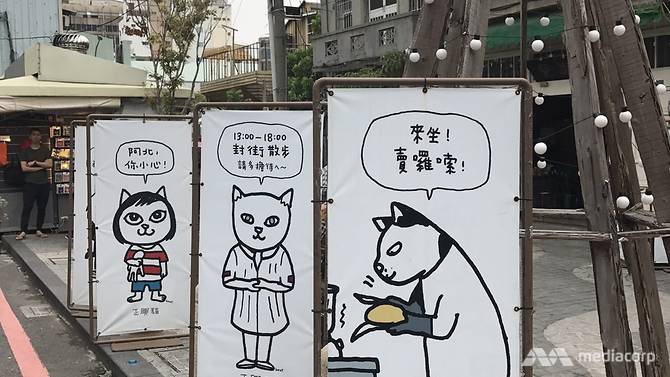
Taiwan is set to become the first country in Asia to ban the consumption of dog and cat meat, as increasing pet ownership across the continent has seen attitudes shift.

The revised Animal Protection Act imposes a fine of up to 250,000 Taiwan dollars (£6,500) for eating dog or cat meat, while the penalties for animal cruelty or slaughter were raised to up to two years in prison and fines of up to 2m Taiwan dollars (£52,000). Tiếp tục đọc “Taiwan bans dog and cat meat from table as attitudes change”

Beauty of traditional dress returns to daily life

Last update 18:10 | 08/04/2017

As a public service unit in HCMCity’s District 3, the Ward 9 People’s Committee has encouraged its female staff to wear aodai. The sight of Vietnamese workers in the traditional long dress has been lauded by the public.

This is a TV station office. The work requires staff to be dynamic but many female reporters and editors wear the traditional long dress as their daily outfit.

Aodai used to be Vietnamese women’s daily costume. However, today, aodai is often worn only on special occasions.

But recently, wearing the traditional dress has come back in vogue, receiving a warm response from the public, especially among youngsters.

Wearing aodai at the office honours and promotes traditional culture and the beauty and grace of the traditional dress, which has become a symbol of feminine beauty in Vietnam.

VNA

Peaceful Hoi An featured in oil paintings

TUOI TRE NEWS

Updated : 04/06/2017 13:01 GMT + 7

A young painter born in the central province of Quang Nam has to look no further than the provincial tourist city of Hoi An to find inspiration for his works.

Nguyen Huu Duc, born in 1991, proudly said a collection of oil paintings depicting a pure, simple and peaceful Hoi An Ancient Town is the “treasure of my painting career” over the last two years.

Duc has captured all what makes Hoi An known around the world – the town’s ancient houses with red tile roofs, yellow walls and the bougainvilleas. The young painter also finds inspiration in a pair of hens, an aging oil lamp, an old bicycle or a ceramic tea set.

Duc graduated from the Hue University of Fine Arts and currently works as a freelance painter.

Below are some of his peaceful Hoi An oil paintings. Tiếp tục đọc “Peaceful Hoi An featured in oil paintings”

Painter captures pure eyes of minority kids in mountainous Vietnam (photos)

TUOI TRE NEWS

Updated : 04/06/2017 11:02 GMT + 7

A Hanoi-based artist has spent the last decade frequenting the mountainous areas in northern Vietnam to capture the beauty of minority people, especially children and women, onto his canvas.

Le The Anh, 39, now has hundreds of paintings featuring the life and people of the northern ethnic minority groups.

The artist, currently working at the fine arts department at the Hanoi Academy of Theatre and Cinema, came up with the topic in 2006 and has since spared one month every year to visit the northwestern area to follow his dream. Tiếp tục đọc “Painter captures pure eyes of minority kids in mountainous Vietnam (photos)”

Vietnamese painting sold for record $1.2 million

TUOI TRE NEWS

Updated : 04/05/2017 16:03 GMT + 7

‘Doi song gia dinh’ (Family life), a painting by Le Pho

A painting by 20th-century Vietnamese painter Le Pho has been sold for nearly US$1.2 million at an auction in Hong Kong on Sunday, setting a new record for the highest priced Vietnamese painting ever.

The painting, Family Life (Doi song gia dinh), depicts an intimate family moment during a leisurely day.

It features the image of a mother and child against a lively background of people on the move: the toddler rests his head on his mother’s lap, clutching her knee, while the woman rests her palms on the boy’s hands and head, tilting her head down in a nurturing manner. Tiếp tục đọc “Vietnamese painting sold for record $1.2 million”

Hơn cả Việt Nam: Thời khắc đập tan sự im lặng

HUNTERS 04/04/2017

mlk_riverside

BookHunter: Vào ngày này, đúng 50 năm trước, Linh mục Martin Luther King đã phát biểu tại nhà thờ Riverside, thành phố New York để lên án chiến tranh tại Việt Nam. Đúng một năm sau đó, ngày 4 tháng 4 năm 1968, Martin Luther King đã bị ám sát. Ông là một nhà hùng biện với nhiều bài nói chuyện gây chấn động nước Mỹ cũng như toàn thế giới. Bài phát biểu “Beyond Vietnam: A time to break silence” là một trong số đó. Chúng tôi xin được lược dịch để giúp độc giả có thêm thông tin và góc nhìn về cuộc chiến diễn ra giữa Việt Nam và Hoa Kỳ.  Tiếp tục đọc “Hơn cả Việt Nam: Thời khắc đập tan sự im lặng”

Tìm lời giải cho “bài toán nghĩa trang”

07:03 Chủ Nhật ngày 26/03/2017

(HNM) – Báo Hànộimới ngày 20-2 có bài “Quy hoạch nghĩa trang khu vực ngoại thành: Cái khó đang bó… văn minh!”, phản ánh tình trạng chôn cất không theo quy hoạch dẫn đến lãng phí tài nguyên, gây ô nhiễm. Thực tế, việc nhiều nghĩa trang phải đóng cửa do hết đất chôn cất hoặc nằm trong khu dân cư là vấn đề bức xúc từ lâu, đòi hỏi có một kế hoạch dài hơi tổ chức nơi an nghỉ cho người đã khuất. Giải “bài toán nghĩa trang” không chỉ là yêu cầu thiết thực mà còn là xu hướng tất yếu của xã hội hiện đại.

Nghĩa trang Láng Hạ (quận Đống Đa) lọt thỏm giữa khu dân cư đông đúc.

Tiếp tục đọc “Tìm lời giải cho “bài toán nghĩa trang””

Quy hoạch nghĩa trang khu vực ngoại thành: Cái khó đang bó… văn minh!

05:59 Thứ Hai ngày 20/02/2017

(HNM) – Chọn hướng đẹp, chọn phần đất “vượng” để an táng là suy nghĩ phổ biến của nhiều người, đặc biệt là những người cao tuổi ở các làng quê… Từ đây dẫn đến việc quy tụ các phần mộ không theo đúng quy hoạch nghĩa trang nhân dân (NT), thậm chí nằm rải rác ở các khu đất của hộ gia đình dẫn đến lãng phí tài nguyên đất, không văn minh và gây ô nhiễm môi trường. Quy hoạch NT khu vực ngoại thành Hà Nội dù đã được nhiều nơi thực hiện, song tình hình chung vẫn là “múa gậy trong bị” với nhiều cái khó không dễ giải quyết…

Việc sắp xếp những ngôi mộ cùng kích thước và thẳng hàng ở nghĩa trang thôn Vĩnh Phúc (xã Liệp Tuyết, Quốc Oai) sẽ tạo cơ sở để hình thành nghĩa trang văn minh.

Tiếp tục đọc “Quy hoạch nghĩa trang khu vực ngoại thành: Cái khó đang bó… văn minh!”

Phần hồn Hội An phai nhạt

01/04/2017 22:31

Nhà thờ tộc Tăng, một di tích đặc biệt ở phố cổ Hội An, sau khi trùng tu đang được tận dụng để kinh doanh

Nhiều nhà cổ thay tên đổi chủ, thay đổi chức năng và tình trạng biến động dân cư ở Hội An đang làm biến dạng những giá trị trong quần thể di tích được cho là “bảo tàng sống” này

Một buổi sáng giữa tháng 2-2017, người dân đi tập thể dục phát hiện mùi khét cùng đám khói bốc lên nghi ngút từ ngôi nhà cổ vắng chủ ở số 95 Nguyễn Thái Học, phường Minh An, TP Hội An, tỉnh Quảng Nam. Nhiều người hô hoán cùng nhau phá cửa xông vào dập lửa, di chuyển đồ đạc khỏi nhà để hạn chế thiệt hại. Một lúc sau, đám cháy được dập tắt với sự trợ giúp của lực lượng chức năng. Tiếp tục đọc “Phần hồn Hội An phai nhạt”

The kingdom of women: the Tibetan tribe where a man is never the boss – Tây Lương Nữ Quốc

    TĐH: Nhân có bài tiếng Anh này, mình thêm loạt bài về Tây Lương Nữ Quốc của báo Tuổi Trẻ sau bài tiếng Anh.

 The Guardian

The kingdom of women: the Tibetan tribe where a man is never the boss

It’s a place where women rule, marriage doesn’t exist and everything follows the maternal bloodline. But is it as good for women as it sounds – and how long can it last?

A Mosuo woman weaves with a loom at her shop in Lijiang, China.
A Mosuo woman weaves with a loom at her shop in Lijiang, China. Photograph: Chien-min Chung/Getty Images

Imagine a society without fathers; without marriage (or divorce); one in which nuclear families don’t exist. Grandmother sits at the head of the table; her sons and daughters live with her, along with the children of those daughters, following the maternal bloodline. Men are little more than studs, sperm donors who inseminate women but have, more often than not, little involvement in their children’s upbringing.

This progressive, feminist world – or anachronistic matriarchy, as skewed as any patriarchal society, depending on your viewpoint – exists in a lush valley in Yunnan, south-west China, in the far eastern foothills of the Himalayas. An ancient tribal community of Tibetan Buddhists called the Mosuo, they live in a surprisingly modern way: women are treated as equal, if not superior, to men; both have as many, or as few, sexual partners as they like, free from judgment; and extended families bring up the children and care for the elderly. But is it as utopian as it seems? And how much longer can it survive? Tiếp tục đọc “The kingdom of women: the Tibetan tribe where a man is never the boss – Tây Lương Nữ Quốc”

Hiệp Uớc Của Người Quân Tử – The Gentlemen’s Agreement

TĐH: Ngày 9 tháng 4 năm 2017 này là kỷ niệm 152 năm ngày Hiệp Ước Appomattox được ký kết, đưa đến sự chấm dứt cuộc nội chiến Nam Bắc của Mỹ và bắt đầu tiến trình hàn gắn vết thương chiến tranh. Đây là một vết son lớn trong lịch sử nước Mỹ. Hiệp Ước đầy nhân ái và thông minh này đã giúp nước Mỹ đoàn kết lại và phục hồi rất nhanh sau chiến tranh. Hai tướng, Robert E. Lee – tư lệnh quân đội miền Nam đầu hàng – và Ulysses S. Grant – tư lệnh quân đội miền Bắc chấp nhận đầu hàng, với sự tương kính cho nhau và lòng đeo đuổi hòa bình cho nước Mỹ, đã đạt được hiệp ước rất đơn giản nhưng kỳ diệu này, để ngày nay người ta gọi đó là “Hiệp Ước Của Người Quân Tử” (“The Gentlemen’s Agreement”).

Hai bài viết dưới đây — mô tả lại những trao đổi thư từ giữa hai tướng đưa đến cuộc họp, và cuộc họp cùng ký kết hiệp ước giản dị — sẽ giúp chúng ta hiểu tại sao người ta gọi là “Hiệp Ước Của Người Quân Tử”.

Sau phần tiếng Việt là phần nguyên bản tiếng Anh.

Đầu hàng tại Appomattox, 1865

Quân đội bị bao vây, chiến sĩ yếu và kiệt sức, tường Robert E. Lee hiểu rằng mình chẳng còn lựa chọn nào ngoài việc suy tính đến việc đầu hàng tướng Grant. Sau một chuỗi thư từ qua lại giữa hai tướng, họ đồng ý gặp nhau ngày 9 tháng 4, 1865, tại nhà của Wilmer Mclean trong làng Appomattox Court House. Cuộc họp kéo dài khoảng 2 tiếng rưỡi và khi cuộc họp kết thúc cuộc nội chiến đẫm máu nhất trong lịch sử của nước Mỹ được đến gần điểm chấm dứt. Tiếp tục đọc “Hiệp Uớc Của Người Quân Tử – The Gentlemen’s Agreement”