Standoff between UN and Taliban may lead loss of billions in humanitarian aid for Afghanistan
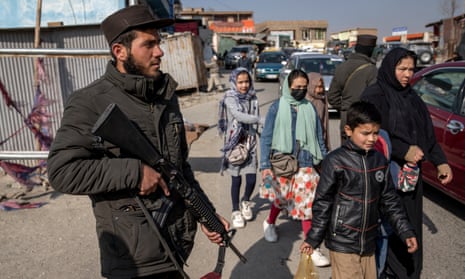
A Taliban fighter stands guard in Kabul. UN flights carrying cash for humanitarian aid into Kabul have already been suspended. Photograph: Ebrahim Noroozi/AP
The UN’s lead humanitarian coordinator has said UN-supplied aid cannot continue if the Taliban do not lift their ban on women working for humanitarian aid agencies in Afghanistan.
Martin Griffiths, the head of the UN’s Office for the Coordination of Humanitarian Affairs, is due to visit Kabul shortly to discuss the impasse.
Although he said he did not want to pre-empt talks and was willing to examine workarounds on the ban, his remarks suggest a standoff is developing between the UN and the Taliban that could lead to billions in aid being cut off in the long term.
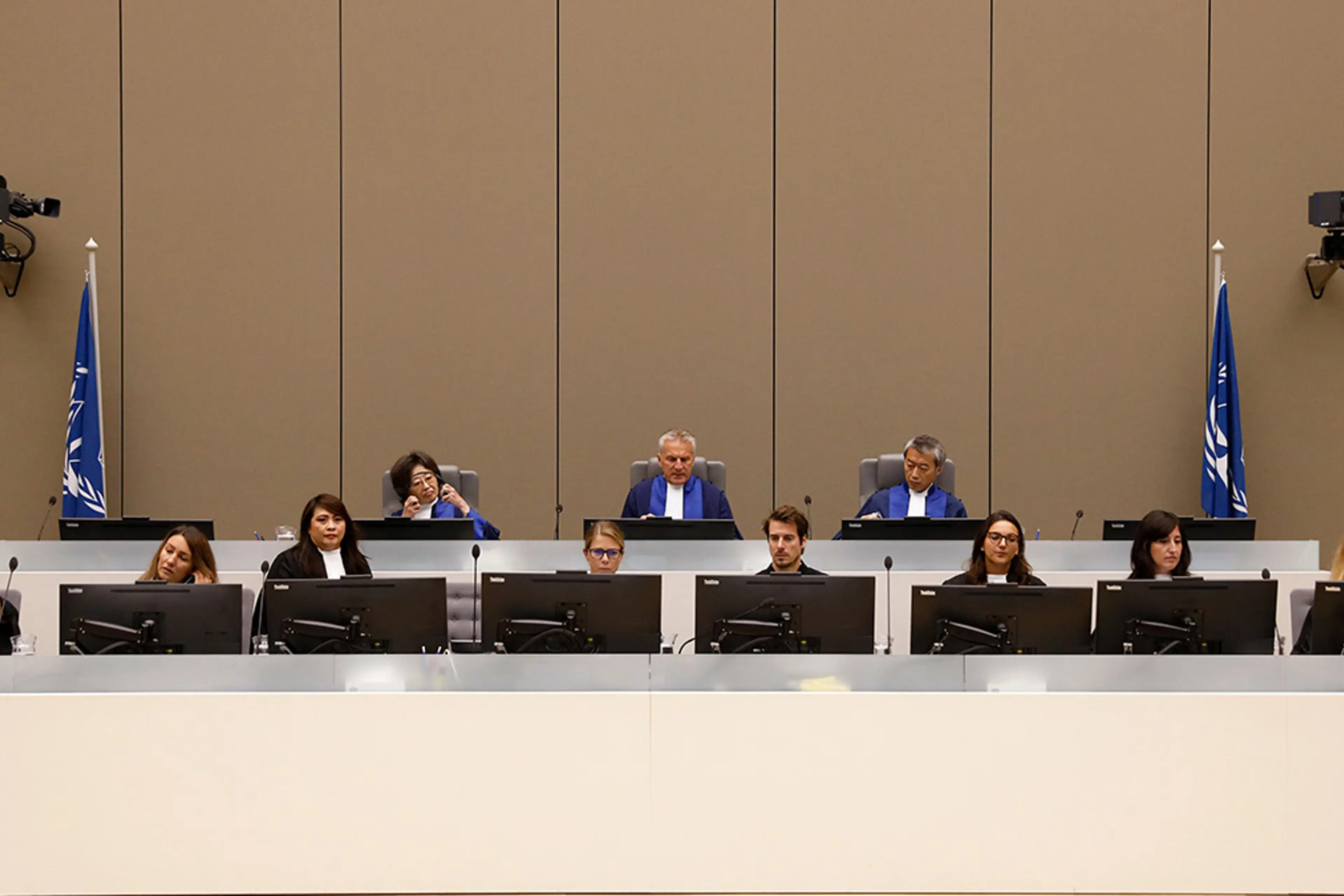
The ICC seeks to investigate and prosecute those responsible for grave offenses such as genocide and war crimes.
Dozens of countries are not ICC members, including China, India, Russia, and the United States.
The court has angered nonmembers by launching probes into possible war crimes in Afghanistan, the Palestinian territories, and Ukraine.
Introduction
The International Criminal Court (ICC), established in 2002, seeks to hold to account those guilty of some of the world’s worst crimes. Champions of the court say it deters would-be war criminals, bolsters the rule of law, and offers justice to victims of atrocities. But, since its inception, the court has faced considerable setbacks. It has been unable to gain the support of major powers, including the United States, China, and Russia, who say it undermines national sovereignty. Two countries have withdrawn from the court, and many African governments complain that the court has singled out Africa. U.S. opposition to the ICC hardened under President Donald Trump, and although the Joe Biden administration has taken a more conciliatory approach, tensions remain.
What are the court’s origins?
In the aftermath of World War II, the Allied powers launched the first international war crimes tribunal, known as the Nuremberg Trials, to prosecute top Nazi officials. It wasn’t until the 1990s, however, that many governments coalesced around the idea of a permanent court to hold perpetrators to account for the world’s most serious crimes. The United Nations had previously set up ad hoc international criminal tribunals to deal with war crimes in the former Yugoslavia and Rwanda, but many international law experts considered them inefficient and inadequate deterrents.
Author Sang-Hyun Song, President of the International Criminal Court.
December 2012, No. 4 Vol. XLIX, Delivering Justice
“Determined to put an end to impunity for the perpetrators of the most serious crimes of concern to the International Community as a whole and thus contribute to the prevention of such crimes“
Preamble of the Rome Statute
On 24 September 2012, the United Nations General Assembly held a High-level Meeting on the Rule of Law at the National and International Levels during which numerous delegates spoke about the importance of the International Criminal Court (ICC). In the Declaration adopted at the meeting, States recognized “the role of the International Criminal Court in a multilateral system that aims to end impunity and establish the rule of law”.1 In my remarks to the Assembly on 1 November 2012, I welcomed this statement, which echoed many earlier characterizations of the Court’s role.2
The crux of the ICC role lies in enforcing and inducing compliance with specific norms of international law aimed at outlawing and preventing mass violence.
Confronted with the extensive perpetration of unspeakable atrocities after the Second World War, the international community articulated an unparalleled call for justice. It sought to put an end to such crimes through, inter alia, the adoption of the Convention on the Prevention and Punishment of the Crime of Genocide, the four Geneva Conventions and the Nuremberg Principles.
Sharia guides the personal religious practices of Muslims worldwide, but whether it should influence modern legal systems remains a subject of intense debate.
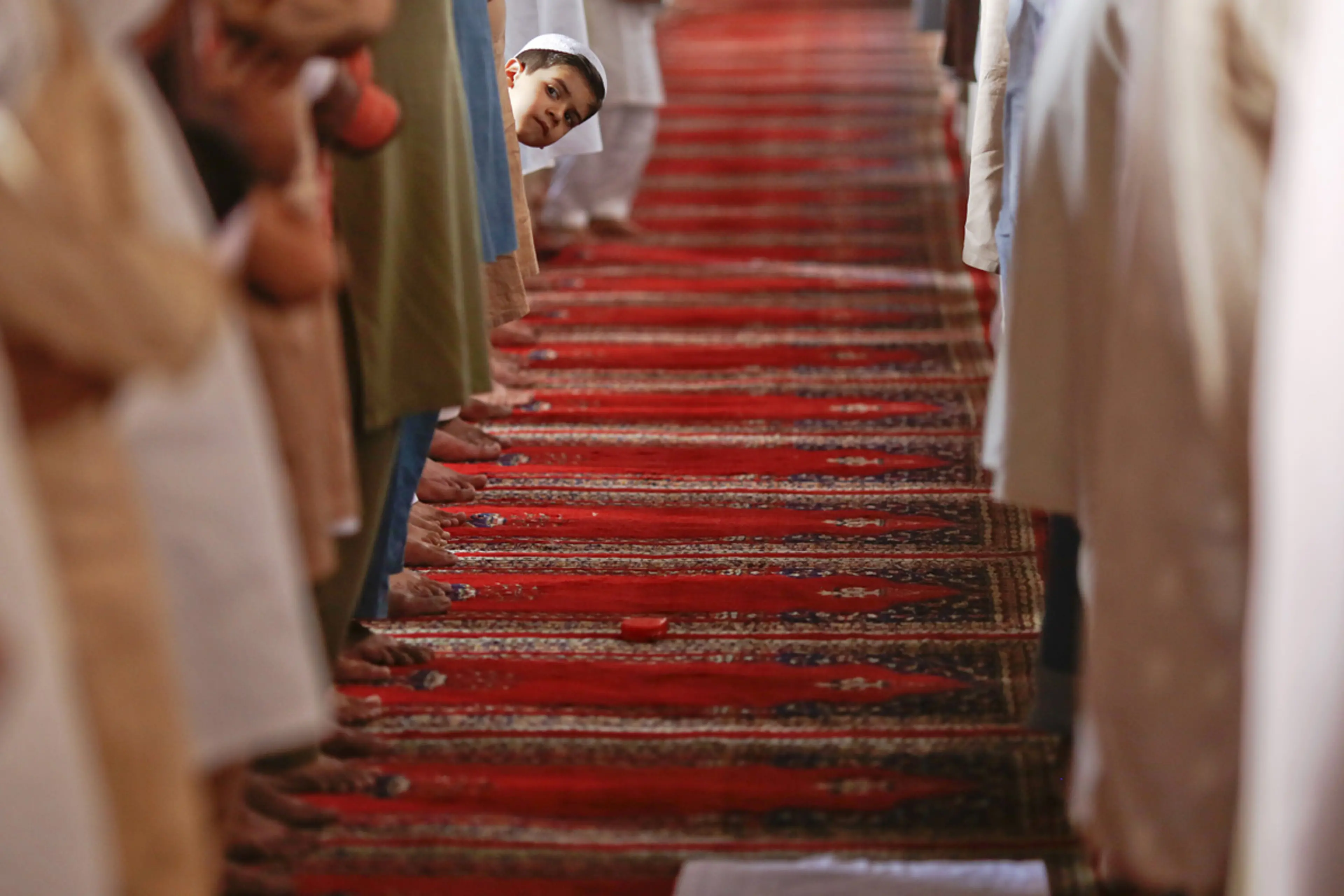
Friday prayers at the Wazir Khan mosque in Lahore, Pakistan. Damir Sagolj/Reuters
WRITTEN BY Kali Robinson Last updated December 17, 2021 2:00 pm (EST)
Summary
Sharia is the ideal form of divine guidance that Muslims follow to live a righteous life. Human interpretations of sharia, or fiqh, are the basis of Islamic law today.
About half the world’s Muslim-majority countries have sharia-based laws, and most Muslims worldwide follow aspects of sharia in their private religious practices.
Debate continues to flare over sharia’s place in the modern world, particularly with regard to its teachings relating to criminal justice, democracy, and social equality.
Most of the world’s nearly fifty Muslim-majority countries have laws that reference sharia, the guidance Muslims believe God provided them on a range of spiritual and worldly matters. Some of these nations have laws that call for what critics say are cruel criminal punishments, or place undue restrictions on the lives of women and minority groups. However, there is great diversity in how governments interpret and apply sharia, and people often misunderstand the role it plays in legal systems and the lives of individuals.
What is sharia?
Sharia means “the correct path” in Arabic. In Islam, it refers to the divine counsel that Muslims follow to live moral lives and grow close to God. Sharia is derived from two main sources: the Quran, which is considered the direct word of God, and hadith—thousands of sayings and practices attributed to the Prophet Mohammed that collectively form the Sunna. Some of the traditions and narratives included in these sources evolved from those in Judaism and Christianity, the other major Abrahamic religions. Shiite Muslims include the words and deeds of some of the prophet’s family in the Sunna. However, sharia largely comprises the interpretive tradition of Muslim scholars.
In the Declaration of the High-level Meeting on the Rule of Law, Member States noted that “the rule of law and development are strongly interrelated and mutually reinforcing, that the advancement of the rule of law at the national and international levels is essential for sustained and inclusive economic growth, sustainable development, the eradication of poverty and hunger and the full realization of all human rights and fundamental freedoms, including the right to development, all of which in turn reinforce the rule of law”. They therefore called for consideration of that interrelationship in the post-2015 international development agenda. At the international level, the body of international instruments, including those concerning international trade and finance, climate change and protection of the environment and the right to development, establishes internationally agreed standards which support sustainable development.
At the national level, the rule of law is necessary to create an environment for providing sustainable livelihoods and eradicating poverty. Poverty often stems from disempowerment, exclusion and discrimination. The rule of law fosters development through strengthening the voices of individuals and communities, by providing access to justice , ensuring due process and establishing remedies for the violation of rights . Security of livelihoods, shelter, tenure and contracts can enable and empower the poor to defend themselves against violations of their rights. Legal empowerment goes beyond the provision of legal remedies and supports better economic opportunities.
Một dàn đồng ca hát không thành lời. Một ước nguyện có mái nhà chung mãi không được lắng nghe. Có một nhóm những người câm điếc ở Sài Gòn loay hoay trong căn nhà hơn 10 mét vuông và mơ về một ngày những gì mình nghĩ, bật ra được thành tiếng.
epa10363106 Pro-government supporters, including families of killed Iranian soldiers, protest against the UN and western countries in front of the United Nation office in Tehran, Iran, 13 December 2022. EPA-EFE/ABEDIN TAHERKENAREH
2022 has been a year where high-profile international cases of violence against women, such as in Iran, Ukraine, and Afghanistan, have made headlines, but this is just part of a trend that permeates every aspect of society, according to United Nations (UN) officials interviewed by EURACTIV.
UN Women Brussels Director Dagmar Schumacher and the UN’s Director in Brussels Camilla Bruckner sat down with EURACTIV to discuss progress in Europe and the situation for women outside of the Union following the 16 Days of Activism against Gender-Based Violence.
Trẻ con lai ở miền Tây: Con không cha như nhà không nóc
Trẻ con lai ở miền Tây: Không khai sinh được cho con vì lỡ… lấy chồng ngoại
Trẻ con lai ở miền Tây: Cắt đứt máu mủ
Cần một chính sách cho trẻ con lai miền Tây
***
Trẻ con lai ở miền Tây: Con không cha như nhà không nóc
22/01/2018 12:12 GMT+7
TTO – Hôn nhân tan vỡ trên xứ người, nhiều cô dâu Việt mang theo hàng ngàn đứa con lai từ Hàn Quốc, Đài Loan, Trung Quốc… trở về. Phía trước những đứa trẻ ấy là hành trình gian nan về cuộc sống và pháp lý.
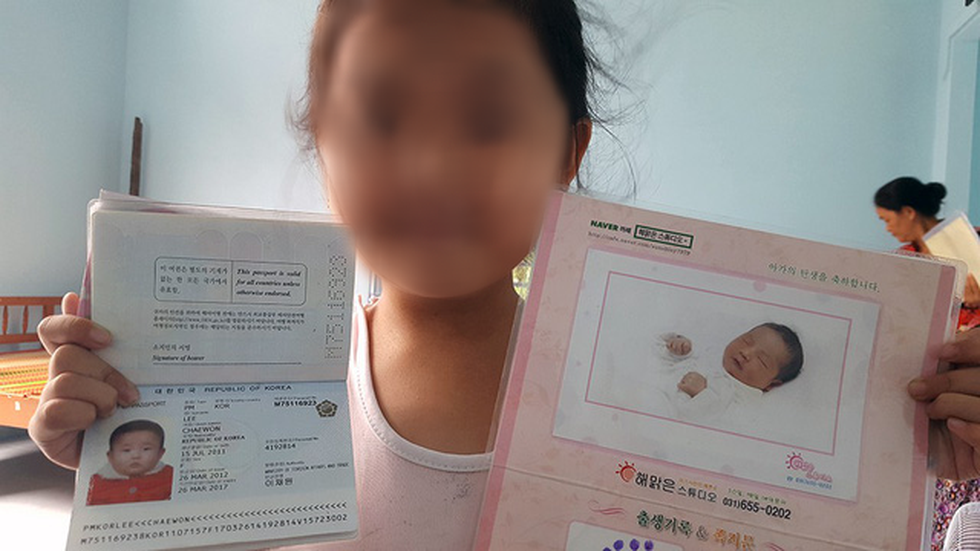
Bé Lee Chaewon và những ký ức Hàn Quốc còn lại – Ảnh: VIỄN SỰ
Hồi mẹ nó ẵm về nước, bà nội nó nói mua cho cái vé khứ hồi, tới hồi ra sân bay về lại Hàn Quốc thì mới hay cái vé đi có một chiều
Chị TỪ THỊ XUYÊN (dì ruột bé Hong Deajun)
Chúng tôi trở lại cù lao Tân Lộc, Q.Thốt Nốt, TP Cần Thơ, nơi hơn mười năm trước được gọi là “đảo Đài Loan” khi cả cù lao có hơn 1.000 cô gái đi lấy chồng ngoại, chủ yếu là Đài Loan, Hàn Quốc, Trung Quốc.
Mấy năm gần đây, các cô gái Tân Lộc rời cù lao lấy chồng ngoại giảm dần, nhưng người Tân Lộc lại đón dòng hồi hương của các đứa trẻ con lai trở về quê mẹ.
“Con không cha như nhà không nóc” – câu chuyện hồi hương của những đứa trẻ con lai không có cha bên cạnh còn buồn hơn cả câu chuyện ly hương của những người mẹ năm nào.
HANOI, Dec 9 (Reuters) – A Vietnamese oil service vessel rescued 154 people from a sinking boat in the Andaman Sea and has transferred them to Myanmar’s navy, state media reported, a group that was confirmed by activists as minority Rohingya Muslims.
The vessel, Hai Duong 29, was en route from Singapore to Myanmar when it spotted the boat in distress 285 miles (458.7 km) south of the Myanmar coast on Wednesday, VTCNews said in a report aired late on Thursday.
The Rohingya are a minority that has for years been persecuted in Myanmar and many risk their lives attempting to reach predominantly Muslim Malaysia and Indonesia on rickety boats.
Deputy spokeswoman for the Ministry of Foreign Affairs Pham Thu Hang. Photo courtesy of the Ministry of Foreign AffairsThe government says the U.S. decision to put Vietnam on a Special Watch List regarding religious freedom was based on inaccurate information.
Controversial changes fuelled protests when they were first proposed in 2019 and could still be challenged in court.
Parliament passed the controversial law on Tuesday [Willy Kurniawan/Reuters]
Published On 6 Dec 20226 Dec 2022
Indonesia has passed a controversial new Criminal Code that includes outlawing sex outside marriage and cohabitation, in changes that critics contend could undermine freedoms in the Southeast Asian nation.
The new laws apply to Indonesians and foreigners and also restore a ban on insulting the president, state institutions or Indonesia’s national ideology known as Pancasila.
TTCT – Không giống các đại học hàng đầu trên thế giới, đại học ở Mỹ không đơn thuần chọn sinh viên xuất sắc nhất mà cân đối cả từ hoạt động ngoại khóa, tài sản gia đình đến sắc tộc. Yếu tố cuối này được cho là không công bằng, và điều này có thể sẽ thay đổi.
TTCT – Lần đầu tiên trong lịch sử World Cup nam, có ba trọng tài nữ tham gia điều hành. Điều này càng ý nghĩa khi World Cup 2022 diễn ra ở một quốc gia Hồi giáo: Qatar. Nhưng ở Việt Nam, sự hưởng ứng World Cup có vẻ đang ngược chiều, nhìn từ một chương trình của đài truyền hình quốc gia.
Sau khi có bản quyền truyền hình, đài truyền hình quốc gia rầm rộ tổ chức tuyển chọn 32 “hot girl” tham gia chương trình “Nóng cùng World Cup” với những lời rao, tít tựa xoáy vào sức nóng hình thể phụ nữ…
Though the idea of helping and giving back to others has existed since Biblical times, nonprofit organizations in the United States have a much shorter history. Every couple of decades, a new era ushers in a new set of ideas, principles and practices that affect how the nonprofit sector functions. Let’s take a look at what we can learn from the history of nonprofit organizations.
Without being too retrospective, we can learn a thing or two from the past when it comes to fundraising for nonprofits. When problems emerge, you have to think of new and creative ways to deal with them. But why spend hours trying to blaze your own trail when others have done it before you? Below, you’ll find some key turning points in the history of the nonprofit sector and what we can learn from them.
Bài viết đăng tải trên ấn phẩm Nghiên cứu lập pháp số 7(263), tháng 4/2014) – TS. CAO VŨ MINH – Đại học Luật TP. Hồ Chí Minh.
1. Đi tìm lời giải cho quy định “cấm kết hôn giữa những người cùng giới tính”
Trong rất nhiều nội dung cần sửa đổi của Luật Hôn nhân và gia đình (Luật HNVGĐ) thì vấn đề hôn nhân giữa những người cùng giới tính (NCGT) đang nhận được quan tâm sâu sắc của toàn xã hội. Vấn đề nên hay không nên thừa nhận hôn nhân đồng giới (HNĐG) đang phát sinh những quan điểm trái chiều nhau. Hiện nay có hai quan điểm chủ đạo: i) không nên công nhận HNĐG vì điều này trái với quy luật tự nhiên của cuộc sống; ii) nên công nhận HNĐG vì mọi người sinh ra là bình đẳng bất kể người đó có xu hướng tính dục và bản dạng giới như thế nào.
Liên quan đến vấn đề giới tính trong kết hôn, Luật HNVGĐ hiện hành của nước ta quy định cấm kết hôn giữa những NCGT[1]. Như vậy, nếu đặt câu hỏi: “theo pháp luật Việt Nam, người đồng tính (NĐT) có quyền kết hôn hay không?” thì lời đáp sẽ rất đơn giản và rõ ràng: “có”. Tuy nhiên, nếu hỏi rằng: “NĐT có được kết hôn một cách tự nguyện, theo ý muốn thực sự, theo nhu cầu mang tính bản năng của họ không?” thì câu trả lời sẽ là ngược lại. Thực ra, quy định cấm kết hôn “giữa những NCGT” không nhằm riêng vào NĐT[2]. Tuy vậy, việc cấm kết hôn giữa những NCGT đã hạn chế hầu như tất cả những khả năng kết hôn mà NĐT có nhu cầu.
NĐT bị hấp dẫn về mặt giới tính bởi NCGT với họ và thường có nhu cầu quan hệ tình dục với người cùng giới. Với thiên hướng tình dục này, có bốn khả năng kết hôn có thể đặt ra với NĐT.
Trường hợp thứ nhất: kết hôn giữa NĐT nam với NĐT nữ (kết hôn khác giới tính giữa hai NĐT). Trường hợp này không có nhiều khả năng xảy ra trên thực tế vì xu hướng tình dục của hai người này không hướng vào nhau.