Người Hà Nội vẫn sinh con trai nhiều hơn con gái

PV 11/07/2022 – 19:19 (GMT+7)

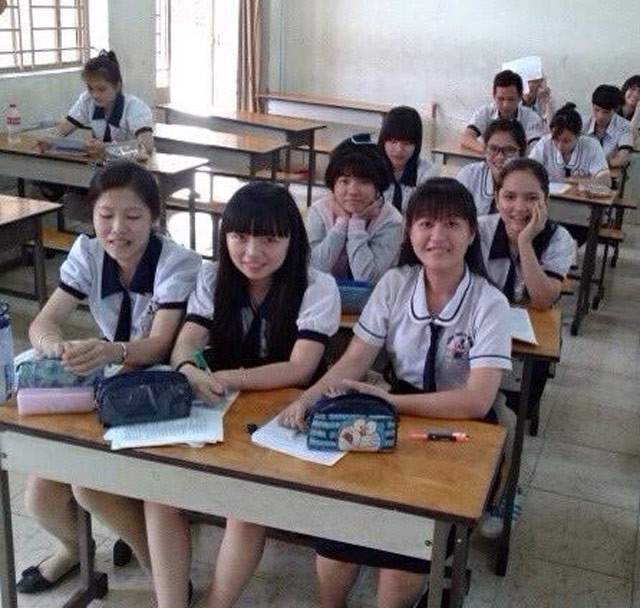
Ảnh minh hoạ

Khó khăn lớn nhất trong công tác dân số của thành phố Hà Nội chính là việc phải hạ thấp tỷ lệ chênh lệch giới tính khi sinh.

Hà Nội là thành phố đông dân thứ hai của cả nước và cũng có mật độ dân số cao thứ hai trong 63 tỉnh, thành phố. Quy mô dân số đông, địa bàn rộng, có sự chênh lệch khá lớn tình hình thực hiện các chỉ tiêu công tác dân số giữa 12 quận và 18 huyện, thị xã.

Tính riêng trong 6 tháng đầu năm 2022, số trẻ chào đời trên địa bàn thành phố là 42.868 trẻ, giảm 1.978 trẻ so với cùng kỳ năm 2021. Trong đó, tỷ lệ sàng lọc trước sinh đạt 84,24% (tăng 0,31% so với cùng kỳ năm 2021); sàng lọc sơ sinh là 89,17% (tăng 1,02% so với cùng kỳ năm 2021).

Đặc biệt, tình trạng mất cân bằng giới tính khi sinh vẫn ở mức cao (6 tháng đầu năm 2022 là 112,7 trẻ trai/100 trẻ gái), trong đó có một số huyện ở mức rất cao trên 120 trẻ trai/100 trẻ gái, như: Quốc Oai, Thanh Oai, Thường Tín.

Tiếp tục đọc “Người Hà Nội vẫn sinh con trai nhiều hơn con gái”

France, Islam and Secularism

Al Jazeera English – 1 thg 2, 2021

French President Emmanuel Macron says he wants to get tough on “Islamist separatism”.

So why does his proposed new law have some people feeling like he is targeting Muslims?

And why is he being accused of trying to score political points?

France, Islam and Secularism | Start Here

An Unholy Alliance: Monks and the Military in Myanmar

Al Jazeera English – 19-3-2019

With almost 90 percent of Myanmar’s population being devoted Buddhists, the religion has been at the heart of the nation’s very identity for centuries.

But while the pillars of Buddhist teachings are love, compassion and peace, there is a very different variation to the philosophy being taught at the Ma Ba Tha monastery in Yangon’s Insein township.

The monks there are connected to one of the world’s worst humanitarian crises, the systematic persecution and genocide of the Rohingya in Rakhine state.

Al Jazeera’s unprecedented access to the Ma Ba Tha monastery and its leaders offers a glimpse into how their ultra-nationalist agenda is becoming the blueprint for the political structure of the country. Is the joining of forces between monks and generals threatening Myanmar’s young and fragile democracy?

An Unholy Alliance: Monks and the Military in Myanmar | Featured Documentary

Europe’s New Moral Crusade: A campaign against progressive values

Al Jazeera English – 24-12-2022

Encouraged by the reversal of pro-abortion rights in the United States, a loose coalition of evangelical Christians, far-right politicians and Russian oligarchs are now engaged in a fierce campaign against progressive, liberal values in Europe.

But what is driving this so-called moral crusade? And who is funding it?

For People & Power, filmmakers Sarah Spiller, Mark Williams and Callum Macrae went in search of answers.

Europe’s New Moral Crusade: A campaign against progressive values | People and Power

Lebanon’s forgotten Palestinians

Al Jazeera – 4-1-2023

Generations of Palestinians have called Lebanon home. Many fled here during the 1948 Arab-Israeli War.

It has been a struggle for them to survive. But the current level of poverty is unprecedented – the result of one of the worst economic crises in recent history.

The United Nations agency that is supposed to support them has been crippled by a shortage of funds. Children are hungry, and many people are jobless, while others die at sea trying to reach Europe.

Lebanon’s forgotten Palestinians | The Full Report

Thanh niên lao vào giành giật manh chiếu để sinh con trai ở Lễ hội Đúc Bụt

VNN – 29/01/2023   15:58 (GMT+07:00)

Nguyễn Huế

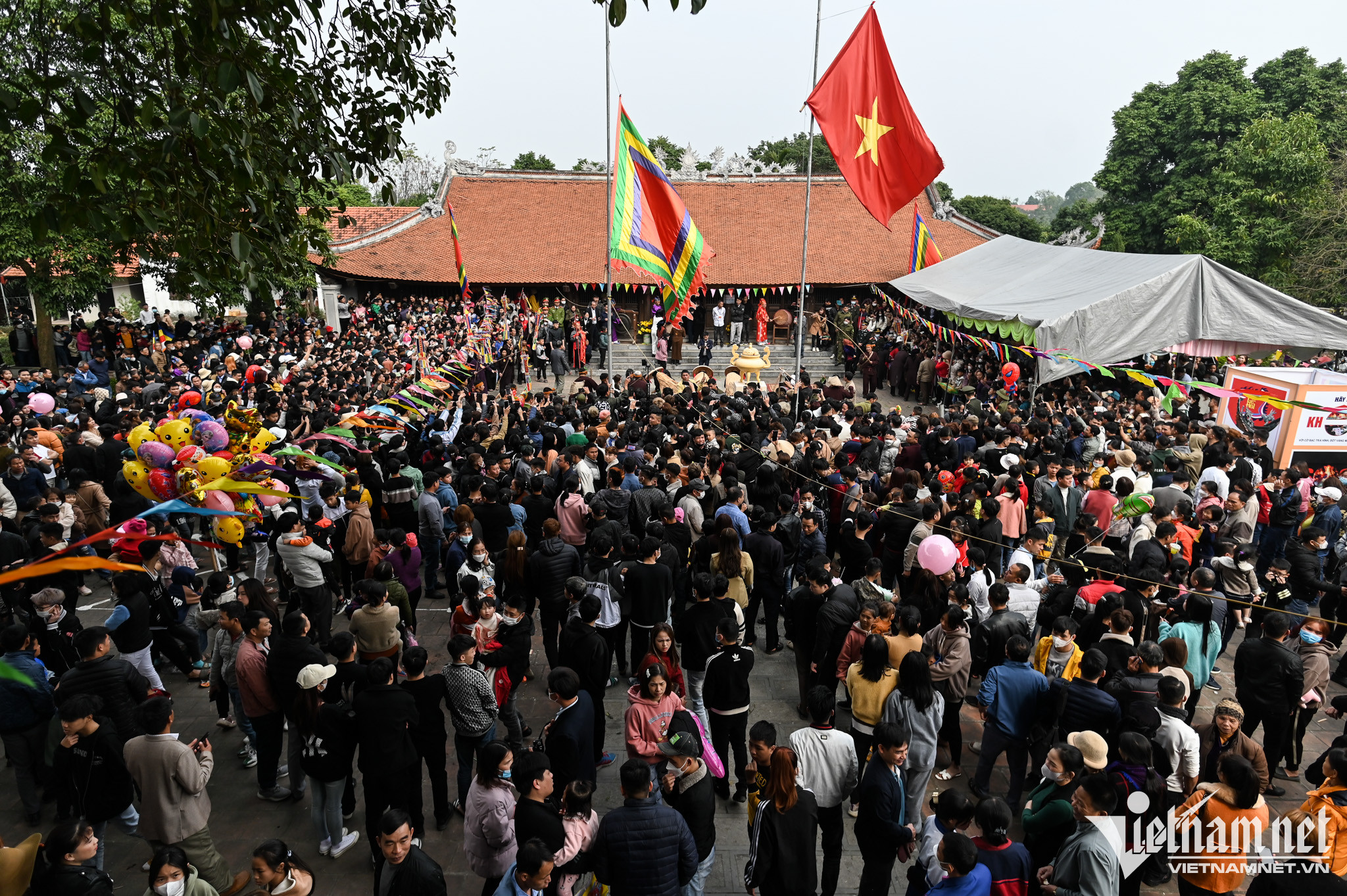
Khi chiếc nồi đất được đập vỡ tại sân đền Đức Bà, hàng trăm thanh niên và cả người trung tuổi xông vào giằng co để cướp bằng được manh chiếu cói tại Lễ hội Đúc Bụt đầu năm mới.

Lễ hội Đúc Bụt (huyện Tam Dương, Vĩnh Phúc) tái hiện hình thức sinh hoạt văn hóa dân gian truyền tích Ngọc Kinh công chúa chiêu tập nghĩa sĩ rèn đúc vũ khí tụ nghĩa được tổ chức sáng 29/1 (mùng 8 tháng Giêng).

Tiếp tục đọc “Thanh niên lao vào giành giật manh chiếu để sinh con trai ở Lễ hội Đúc Bụt”

The World’s Stake in American Democracy

America’s democratic difficulties will have major implications for the world.

Article by Richard Haass, PF

Originally published at Project Syndicate

January 24, 2023 12:28 pm (EST)

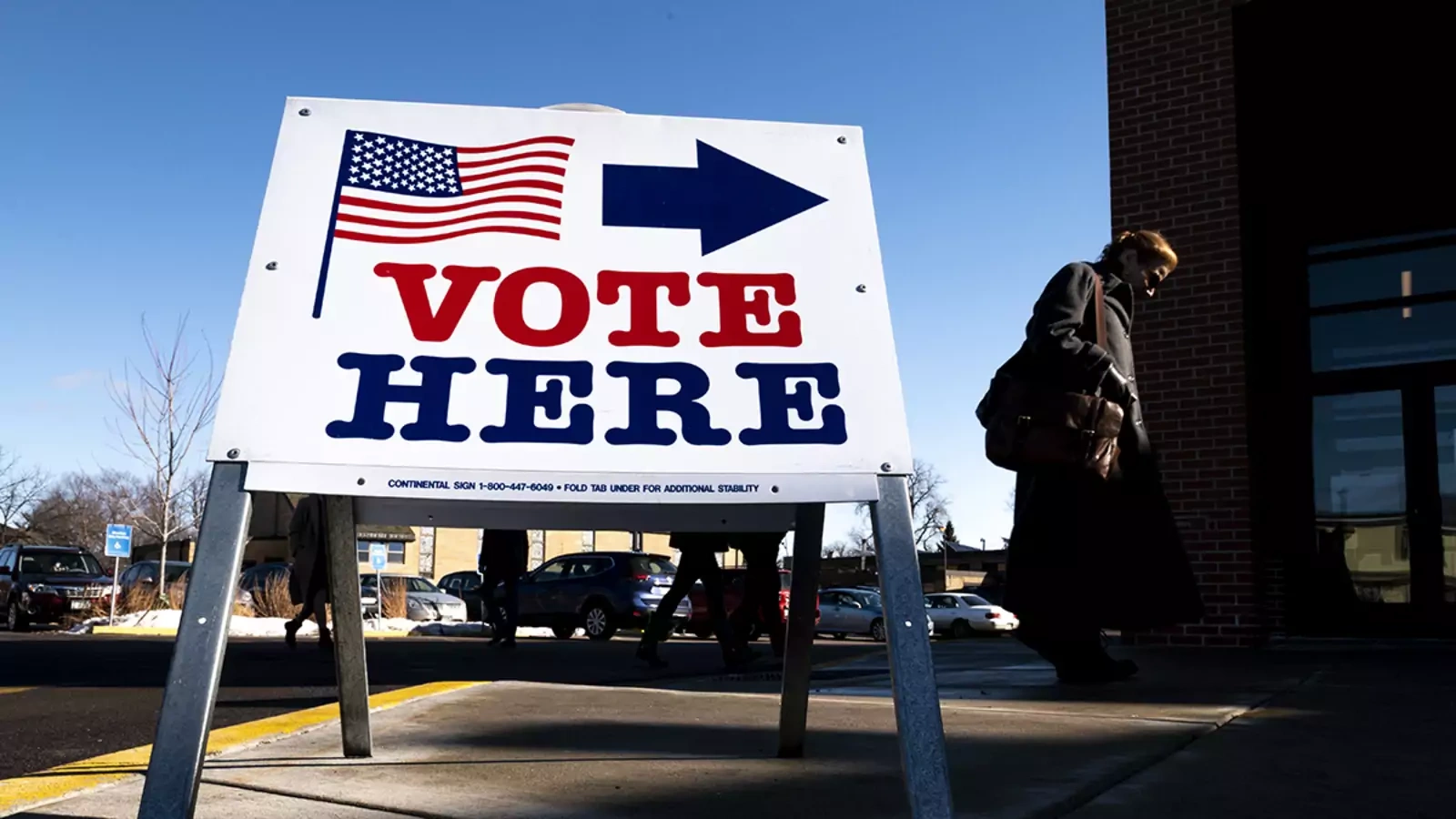
A voter arrives at a polling place on March 3, 2020 in Minneapolis, Minnesota.
A voter arrives at a polling place on March 3, 2020 in Minneapolis, Minnesota. Stephen Maturen/Getty Images

For more than three-quarters of a century, the United States has played an outsized, constructive role in the world. To be sure, there have been major errors, including the Vietnam War and the 2003 Iraq War, but the US got it right far more often than not.

Tiếp tục đọc “The World’s Stake in American Democracy”

11 crises to watch in 2023

UNOCHA

As the war in Ukraine dominates the international headlines, dozens of other humanitarian crises need our urgent attention. Most of them are driven by conflict and climate shocks, compounded by pre-existing vulnerability and inadequate access to services. This year sets a new record, with UN agencies and humanitarian partners requiring US$51.5 billion to help 230 million people who need emergency assistance in 68 countries.

In addition to Ukraine, here are 11 crises on our radar.

Esha Mohammed, a herder and mother in Eli Dar, in Ethiopia's Afar Region, July 2022. Credit: UNOCHA/Liz Loh-Taylor

Esha Mohammed, a herder and mother in Eli Dar, in Ethiopia’s Afar Region, July 2022. Credit: UNOCHA/Liz Loh-Taylor

The Horn of Africa

When it comes to the deadly impact of the climate crisis, the Horn of Africa is now in unprecedented territory. It has endured five consecutive failed rains, and a sixth is now predicted in March.

Continued drought will bring prolonged catastrophe to people in Ethiopia, Kenya and Somalia, with at least 36.4 million people needing emergency assistance to survive, up to 26 million of them acutely food insecure. Famine risk will remain for people in two districts of Somalia. More than 9.5 million livestock have already died, and more deaths are anticipated, destroying herders’ and farmers’ livelihoods.

Tiếp tục đọc “11 crises to watch in 2023”

Nhìn lại 30 năm dỡ bỏ rào cản cho người nhập cư

NGUYỄN THU QUỲNH 06/01/2023 12:05 GMT+7

TTCTLiệu những “hàng rào kỹ thuật” như quy định về đăng ký thường trú (và trước đây là hộ khẩu) có tác dụng ngăn cản dòng di cư vào đô thị lớn?

Mới đây, việc lập dự thảo quy định công dân làm thủ tục đăng ký thường trú phải có chỗ ở hợp pháp tối thiểu 8m2 đối nhà ở có nguồn gốc sở hữu nhà nước và 20m2 đối với nhà ở còn lại tiếp tục cho thấy chính sách thường trú ở Hà Nội khác biệt với các khu vực khác, cũng như nỗ lực cố gắng hạn chế dân số đăng ký thường trú vào đây.

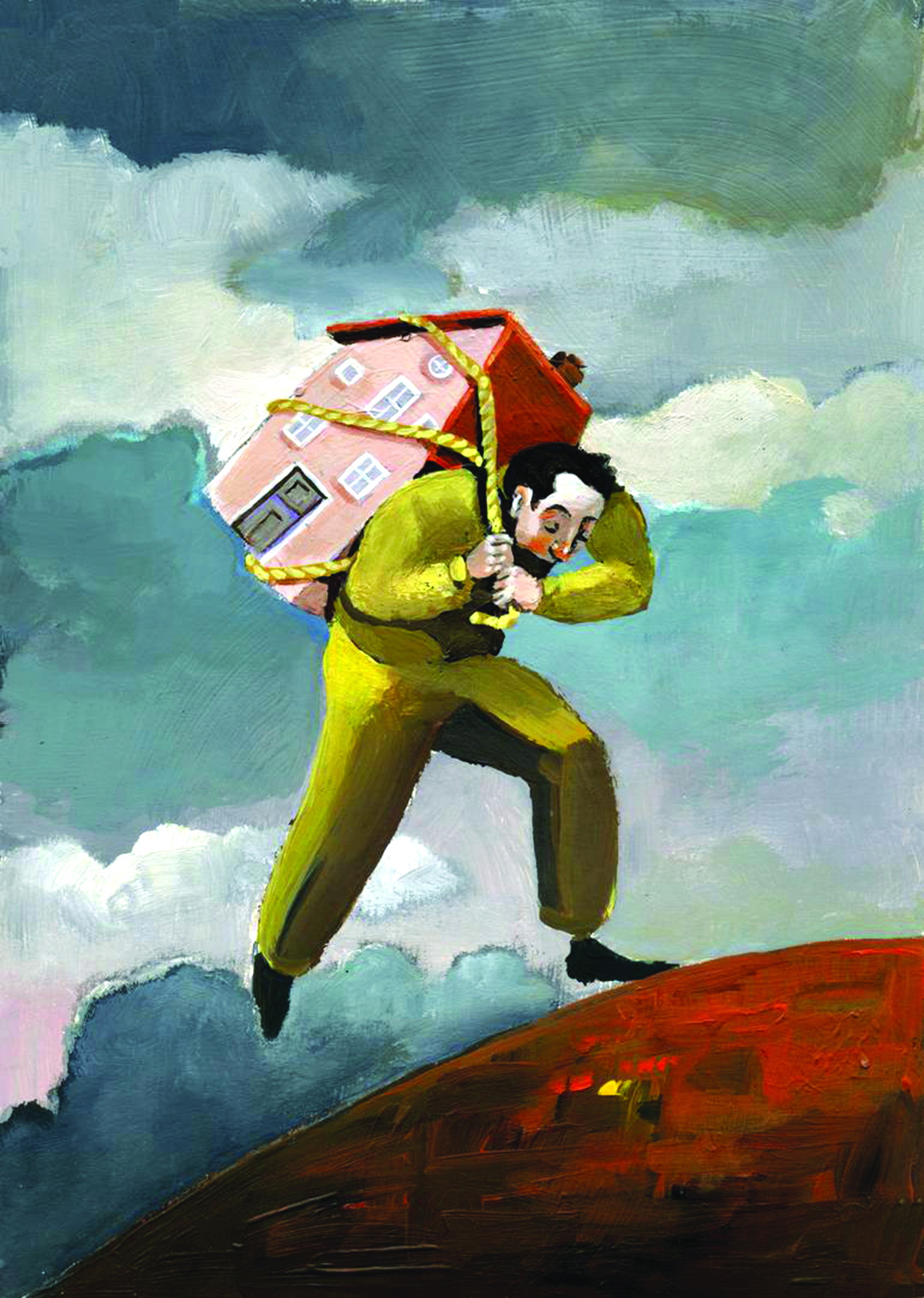
Nhìn lại 30 năm dỡ bỏ rào cản cho người nhập cư - Ảnh 1.

Bức tranh Những ký ức của người nhập cư (Memories of immigrant) của Cristina Bernazzani, Ý.

Tiếp tục đọc “Nhìn lại 30 năm dỡ bỏ rào cản cho người nhập cư”

Afghan aid at risk from Taliban ban on women, warns United Nations

theguardian.com

Standoff between UN and Taliban may lead loss of billions in humanitarian aid for Afghanistan

A Taliban fighter stands guard in Kabul
A Taliban fighter stands guard in Kabul. UN flights carrying cash for humanitarian aid into Kabul have already been suspended. Photograph: Ebrahim Noroozi/AP

Patrick Wintour Diplomatic editorFri 6 Jan 2023 09.44 GMT

The UN’s lead humanitarian coordinator has said UN-supplied aid cannot continue if the Taliban do not lift their ban on women working for humanitarian aid agencies in Afghanistan.

Martin Griffiths, the head of the UN’s Office for the Coordination of Humanitarian Affairs, is due to visit Kabul shortly to discuss the impasse.

Although he said he did not want to pre-empt talks and was willing to examine workarounds on the ban, his remarks suggest a standoff is developing between the UN and the Taliban that could lead to billions in aid being cut off in the long term.

Tiếp tục đọc “Afghan aid at risk from Taliban ban on women, warns United Nations”

The Role of the International Criminal Court

cfr.org

The ICC was created to bring justice to the world’s worst war criminals, but debate over the court still rages.

Judges are pictured in the courtroom during the trial of Bosco Ntaganda.
Judges are pictured in the courtroom during the trial of Bosco Ntaganda. Bas Czerwinski/Reuters

WRITTEN BY Claire Klobucista

UPDATED Last updated March 28, 2022 2:00 pm (EST)

Summary

  • The ICC seeks to investigate and prosecute those responsible for grave offenses such as genocide and war crimes.
  • Dozens of countries are not ICC members, including China, India, Russia, and the United States.
  • The court has angered nonmembers by launching probes into possible war crimes in Afghanistan, the Palestinian territories, and Ukraine.

Introduction

The International Criminal Court (ICC), established in 2002, seeks to hold to account those guilty of some of the world’s worst crimes. Champions of the court say it deters would-be war criminals, bolsters the rule of law, and offers justice to victims of atrocities. But, since its inception, the court has faced considerable setbacks. It has been unable to gain the support of major powers, including the United States, China, and Russia, who say it undermines national sovereignty. Two countries have withdrawn from the court, and many African governments complain that the court has singled out Africa. U.S. opposition to the ICC hardened under President Donald Trump, and although the Joe Biden administration has taken a more conciliatory approach, tensions remain.

What are the court’s origins?

In the aftermath of World War II, the Allied powers launched the first international war crimes tribunal, known as the Nuremberg Trials, to prosecute top Nazi officials. It wasn’t until the 1990s, however, that many governments coalesced around the idea of a permanent court to hold perpetrators to account for the world’s most serious crimes. The United Nations had previously set up ad hoc international criminal tribunals to deal with war crimes in the former Yugoslavia and Rwanda, but many international law experts considered them inefficient and inadequate deterrents.

Tiếp tục đọc “The Role of the International Criminal Court”

The Role of the International Criminal Court in Ending Impunity and Establishing the Rule of Law

UN.org

Author Sang-Hyun Song, President of the International Criminal Court.

December 2012, No. 4 Vol. XLIX, Delivering Justice 

Determined to put an end to impunity for the perpetrators of the most serious crimes of concern to the International Community as a whole and thus contribute to the prevention of such crimes

Preamble of the Rome Statute

On 24 September 2012, the United Nations General Assembly held a High-level Meeting on the Rule of Law at the National and International Levels during which numerous delegates spoke about the importance of the International Criminal Court (ICC). In the Declaration adopted at the meeting, States recognized “the role of the International Criminal Court in a multilateral system that aims to end impunity and establish the rule of law”.1 In my remarks to the Assembly on 1 November 2012, I welcomed this statement, which echoed many earlier characterizations of the Court’s role.2

The crux of the ICC role lies in enforcing and inducing compliance with specific norms of international law aimed at outlawing and preventing mass violence.

Confronted with the extensive perpetration of unspeakable atrocities after the Second World War, the international community articulated an unparalleled call for justice. It sought to put an end to such crimes through, inter alia, the adoption of the Convention on the Prevention and Punishment of the Crime of Genocide, the four Geneva Conventions and the Nuremberg Principles.

Tiếp tục đọc “The Role of the International Criminal Court in Ending Impunity and Establishing the Rule of Law”

Understanding Sharia: The Intersection of Islam and the Law

cfr.org

Sharia guides the personal religious practices of Muslims worldwide, but whether it should influence modern legal systems remains a subject of intense debate.

Friday prayers at the Wazir Khan mosque in Lahore, Pakistan.
Friday prayers at the Wazir Khan mosque in Lahore, Pakistan. Damir Sagolj/Reuters

WRITTEN BY Kali Robinson Last updated December 17, 2021 2:00 pm (EST)

Summary

  • Sharia is the ideal form of divine guidance that Muslims follow to live a righteous life. Human interpretations of sharia, or fiqh, are the basis of Islamic law today.
  • About half the world’s Muslim-majority countries have sharia-based laws, and most Muslims worldwide follow aspects of sharia in their private religious practices.
  • Debate continues to flare over sharia’s place in the modern world, particularly with regard to its teachings relating to criminal justice, democracy, and social equality.

What is sharia?

Why is it so controversial?

How much room is there for reform?

How do governments in the Muslim world use sharia?

How do extremist groups interpret sharia?How do Muslim-minority countries approach sharia?

Recommended Resources

Introduction

Most of the world’s nearly fifty Muslim-majority countries have laws that reference sharia, the guidance Muslims believe God provided them on a range of spiritual and worldly matters. Some of these nations have laws that call for what critics say are cruel criminal punishments, or place undue restrictions on the lives of women and minority groups. However, there is great diversity in how governments interpret and apply sharia, and people often misunderstand the role it plays in legal systems and the lives of individuals.

What is sharia?

Sharia means “the correct path” in Arabic. In Islam, it refers to the divine counsel that Muslims follow to live moral lives and grow close to God. Sharia is derived from two main sources: the Quran, which is considered the direct word of God, and hadith—thousands of sayings and practices attributed to the Prophet Mohammed that collectively form the Sunna. Some of the traditions and narratives included in these sources evolved from those in Judaism and Christianity, the other major Abrahamic religions. Shiite Muslims include the words and deeds of some of the prophet’s family in the Sunna. However, sharia largely comprises the interpretive tradition of Muslim scholars.

Tiếp tục đọc “Understanding Sharia: The Intersection of Islam and the Law”

Rule of Law and Development

UN.org

In the Declaration of the High-level Meeting on the Rule of Law, Member States noted that “the rule of law and development are strongly interrelated and mutually reinforcing, that the advancement of the rule of law at the national and international levels is essential for sustained and inclusive economic growth, sustainable development, the eradication of poverty and hunger and the full realization of all human rights and fundamental freedoms, including the right to development, all of which in turn reinforce the rule of law”. They therefore called for consideration of that interrelationship in the post-2015 international development agenda. At the international level, the body of international instruments, including those concerning international trade and finance, climate change and protection of the environment and the right to development, establishes internationally agreed standards which support sustainable development.

At the national level, the rule of law is necessary to create an environment for providing sustainable livelihoods and eradicating poverty. Poverty often stems from disempowerment, exclusion and discrimination. The rule of law fosters development through strengthening the voices of individuals and communities, by providing access to justice , ensuring due process and establishing remedies for the violation of rights . Security of livelihoods, shelter, tenure and contracts can enable and empower the poor to defend themselves against violations of their rights. Legal empowerment goes beyond the provision of legal remedies and supports better economic opportunities.

Tiếp tục đọc “Rule of Law and Development”

Ước mơ lặng câm

ngay nay -13/09/2020 | 14:35

Một dàn đồng ca hát không thành lời. Một ước nguyện có mái nhà chung mãi không được lắng nghe. Có một nhóm những người câm điếc ở Sài Gòn loay hoay trong căn nhà hơn 10 mét vuông và mơ về một ngày những gì mình nghĩ, bật ra được thành tiếng.

_____________

Tiếp tục đọc “Ước mơ lặng câm”