Understanding Causes for Wrongful Convictions in Vietnam: a View from the Top and the Bottom of the Iceberg

Abstract

Wrongful convictions have severe consequences and effects on the values, dignity, and self-esteem of the innocent and their beloved ones. While Vietnam is implementing the rule of law to ensure the protection of citizens’ fundamental rights, recent and serious wrongful conviction cases suggest a need to enhance the effectiveness and credibility of criminal justice reform. Using several cases for examples from Vietnam, this study examines two levels of factors that contribute to wrongful convictions: (i) the acknowledged causes (the top of the iceberg) and (ii) the hidden roots (beneath the surface). In addition, we compare the case of Vietnam to the findings from other Asian nations, notably those of East Asia. We conclude that the causes for wrongful convictions are embedded in the criminal justice process and culture, and eradication of wrongful convictions requires careful planning and innovative reforms that address the root causes of the problems. Relevant policy and practical recommendations are offered to deal with the factors leading to wrongful convictions in Vietnam.

Introduction

In recent years, Vietnam’s criminal justice system has been more effective in addressing human rights and responding to transnational crimes and maintaining national security. New legislation in Vietnam’s criminal justice system sets the goals of safeguarding justice and human rights first and foremost, a component of which requires reduction of wrongful convictions. Wrongful convictions have weakened public trust in the criminal justice system, violated human rights, and affected the integrity of the rule of law. Yet, at the domestic level, wrongful convictions are still persistent.

Vietnamese legal scholars have started examining wrongful convictions, particularly after the Communist Party of Vietnam (CPV) called for judicial reforms in the 2000s (Dao, 2020; Thai, 2020). These scholars have paid little attention, however, to the fundamental reasons that lead to wrongful convictions. While the CPV encouraged the combination of inquisitorial and adversarial models in criminal proceedings, the legal ideology to identify and recognize hidden factors of wrongful convictions has not been seriously considered in the process. In other words, the hidden factors contributing to wrongful convictions are still not reviewed and assessed alongside the surface elements of wrongful convictions in Vietnam.

Tiếp tục đọc “Understanding Causes for Wrongful Convictions in Vietnam: a View from the Top and the Bottom of the Iceberg”

Lao động đi làm việc ở nước ngoài phải trả phí bình quân 165 triệu đồng

Thanh niên – Thu Hằng – 16/08/2022 16:38 GMT+7

Chi phí tuyển dụng trung bình của lao động Việt Nam đi làm việc ở nước ngoài khoảng 165 triệu đồng. Con số này tương đương khoảng 8 tháng lương tại quốc gia tiếp nhận. Đặc biệt, ở một số ngành… chi phí lên đến 200 triệu.

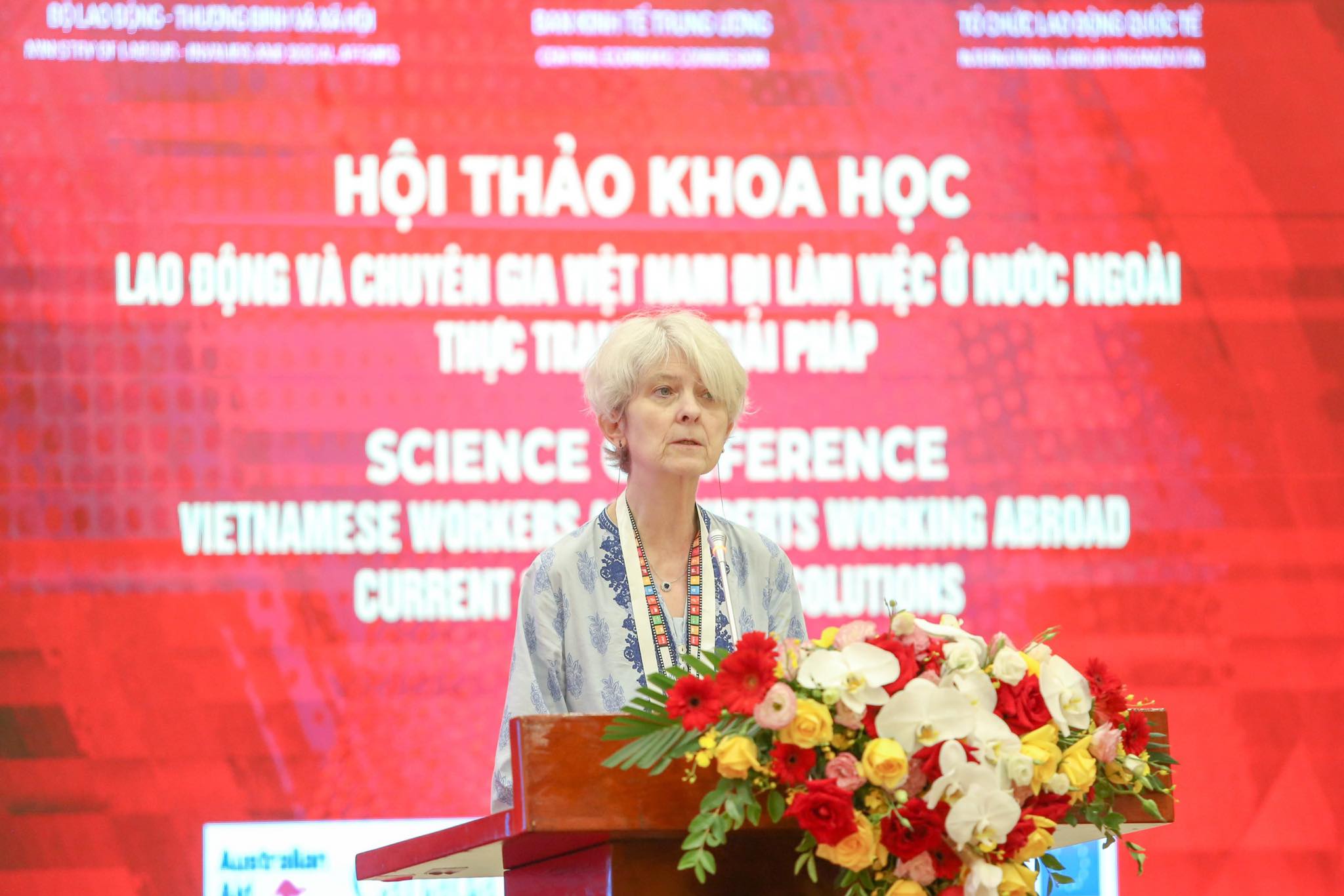
Đây là thông tin được bà Ingrid Christensen, Giám đốc Văn phòng Tổ chức Lao động quốc tế (ILO) tại Việt Nam cho biết, tại Hội thảo “Lao động và chuyên gia Việt Nam đi làm việc ở nước ngoài – Thực trạng và giải pháp” do Ban Kinh tế T.Ư phối hợp với Bộ LĐ-TB-XH và ILO tổ chức ngày 16.8.

Bà Ingrid Christensen, Giám đốc ILO tại Việt Nam
HÀ QUÂN

Tiếp tục đọc “Lao động đi làm việc ở nước ngoài phải trả phí bình quân 165 triệu đồng”

Biden Signs Executive Order to Prohibit U.S. Government Use of Commercial Spyware that Poses Risks to National Security or Has Been Misused by Foreign Actors to Enable Human Rights Abuses

MARCH 27, 2023 White House

FACT SHEET: President Biden Signs Executive Order to Prohibit U.S. Government Use of Commercial Spyware that Poses Risks to National Security

  1. HOME
  2. BRIEFING ROOM
  3. STATEMENTS AND RELEASES

Presidential Directive Will Serve as a Cornerstone Initiative During the Second Summit for Democracy

Today, President Biden signed an Executive Order that prohibits, for the first time, operational use by the United States Government of commercial spyware that poses risks to national security or has been misused by foreign actors to enable human rights abuses around the world.

Commercial spyware – sophisticated and invasive cyber surveillance tools sold by vendors to access electronic devices remotely, extract their content, and manipulate their components, all without the knowledge or consent of the devices’ users – has proliferated in recent years with few controls and high risk of abuse.

The proliferation of commercial spyware poses distinct and growing counterintelligence and security risks to the United States, including to the safety and security of U.S. Government personnel and their families. U.S. Government personnel overseas have been targeted by commercial spyware, and untrustworthy commercial vendors and tools can present significant risks to the security and integrity of U.S. Government information and information systems.

Tiếp tục đọc “Biden Signs Executive Order to Prohibit U.S. Government Use of Commercial Spyware that Poses Risks to National Security or Has Been Misused by Foreign Actors to Enable Human Rights Abuses”

A federal judge spoke at Stanford Law School. Chaos ensued.

March 24, 2023, The New York Times, Good Morning
By David Leonhardt
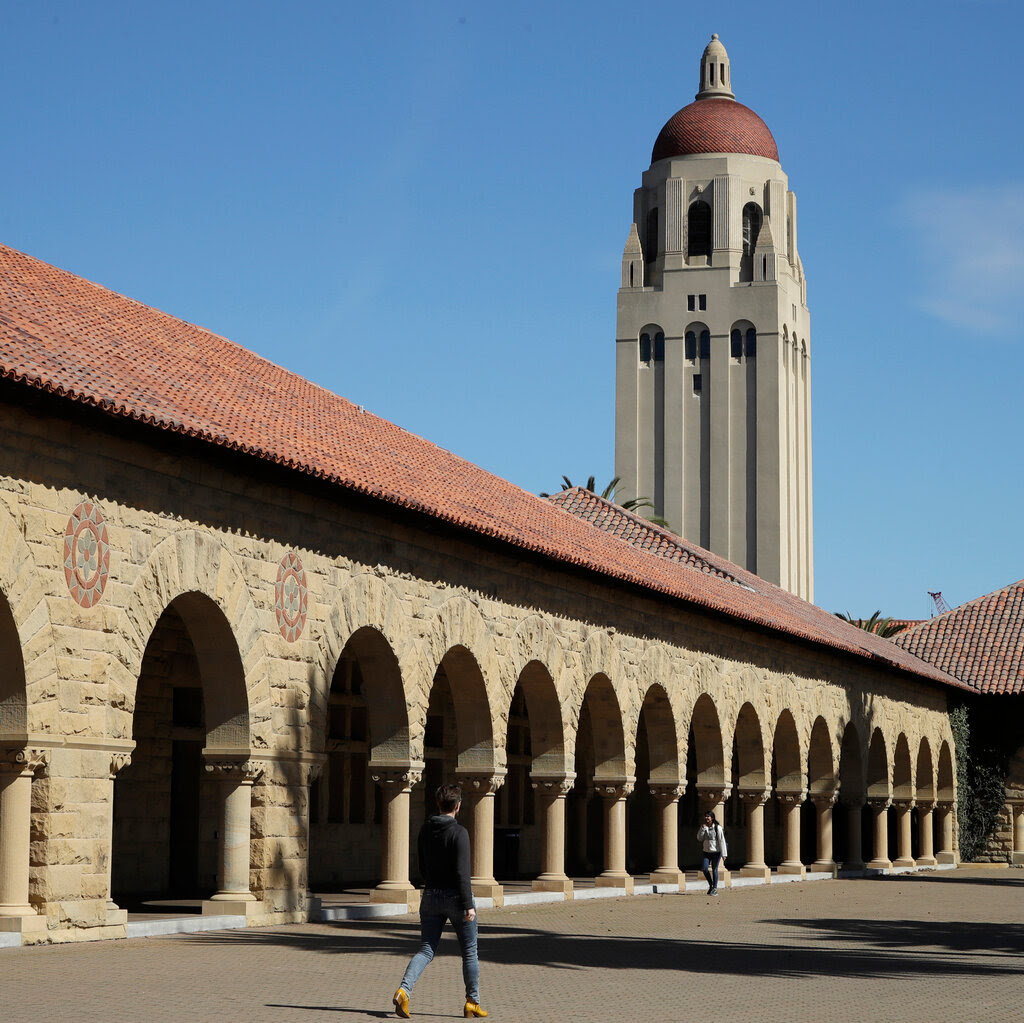
Stanford University.Ben Margot/Associated Press

A heckler’s veto
Stuart Kyle Duncan — a federal appeals court judge appointed by Donald Trump — visited Stanford Law School this month to give a talk. It didn’t go well.
Students frequently interrupted him with heckling. One protester called for his daughters to be raped, Duncan said. When he asked Stanford administrators to calm the crowd, the associate dean for diversity, equity and inclusion walked to the lectern and instead began her remarks by criticizing him. “For many people here, your work has caused harm,” she told him.
Tiếp tục đọc “A federal judge spoke at Stanford Law School. Chaos ensued.”

2022 Country Reports on Human Rights Practices

US BUREAU OF DEMOCRACY, HUMAN RIGHTS, AND LABOR

 MARCH 20, 2023

The annual Country Reports on Human Rights Practices – the Human Rights Report – cover internationally recognized individual, civil, political, and worker rights, as set forth in the Universal Declaration of Human Rights and other international agreements. The U.S. Department of State submits reports on all countries receiving assistance and all United Nations member states to the U.S. Congress in accordance with the Foreign Assistance Act of 1961 and the Trade Act of 1974.

TRANSLATIONS

Preface

For nearly 50 years, the Country Reports on Human Rights Practices have served as a vital resource for governments, researchers, advocacy groups, journalists, and voices of conscience worldwide that work to promote respect for human rights and accountability for injustice.  The individual reports cover 198 countries and territories, providing factual, objective information based on credible reports of the events that occurred throughout 2022.  These reports are meticulously compiled by U.S. Department of State employees in Washington, D.C., and at our overseas missions throughout the world, who collectively spend thousands of hours preparing the reports using credible information from U.S. embassies and consulates abroad, foreign government officials, nongovernmental and international organizations, jurists and legal experts, journalists, academics, human rights defenders, labor activists, and published reports.  We take seriously our responsibility to ensure their accuracy.

Tiếp tục đọc “2022 Country Reports on Human Rights Practices”

How war crimes prosecutions work

Zachary B. Wolf

Analysis by Zachary B. Wolf, CNN

Published 2:42 PM EDT, Fri March 17, 2023

After more than a year of international outrage at Russia’s invasion of Ukraine and shocking atrocities, there’s an arrest warrant out for Russian President Vladimir Putin.

The International Criminal Court on Friday announced charges against Putin and Russian official Maria Lvova-Belova relating to an alleged scheme to forcibly deport thousands of Ukrainian children to Russia.

Read CNN’s full report about the charges and the arrest warrant.

And read about the scheme involving Ukrainian children taken to Russia.

Russia rejected the allegations Friday, and a ministry of foreign affairs spokeswoman said the court has “no meaning” in Russia.

Tiếp tục đọc “How war crimes prosecutions work”

The ICC issued arrest warrants on Friday for Putin and Russian official Maria Lvova-Belov

Russia scoffs but Putin could stand trial for alleged war crimes, ICC chief prosecutor says

By Caitlin Hu, CNN

Updated 9:03 PM EDT, Fri March 17, 2023

Karim Khan ICC vpx

ICC chief prosecutor reacts to Putin arrest warrant

The International Criminal Court’s chief prosecutor believes Russian President Vladimir Putin could stand trial for alleged crimes committed during Russia’s war in Ukraine, he told CNN on Friday, despite Moscow’s arguments that it is not subject to the court’s decisions.

In an interview with CNN’s Clarissa Ward, Chief Prosecutor Karim Khan pointed to historic trials of Nazi war criminals, former Yugoslavian President Slobodan Milošević, and former Liberian leader Charles Taylor, among others.

“All of them were mighty, powerful individuals and yet they found themselves in courtrooms,” he said.

Tiếp tục đọc “The ICC issued arrest warrants on Friday for Putin and Russian official Maria Lvova-Belov”

Phía sau những ca phá thai để tìm “thằng cu nối dõi” – 3 bài

 Phía sau những ca phá thai để tìm “thằng cu nối dõi” – Bài 1: Giấc mơ sinh được con trai

07/12/2021 – 06:25

PNOTheo bản báo cáo ngày 5/7/2021 về tình hình thực hiện chiến lược dân số và sức khỏe sinh sản tại TP.HCM giai đoạn 2016-2020, trong năm 2020, tỷ lệ nạo phá thai ở TP.HCM là 33,46 ca nạo/100 ca sinh. Trong số các ca nạo phá thai, có những ca nhằm mục đích chọn giới tính thai nhi, tức bỏ con gái để chờ sinh cho được con trai.

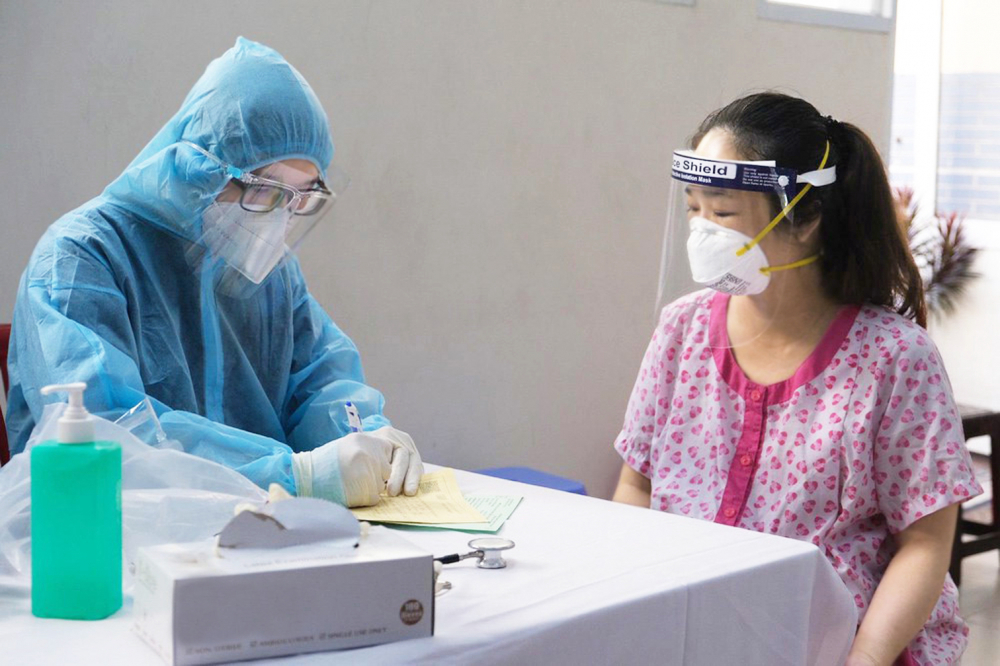
1. Buổi sáng Chủ nhật, tại phòng khám sản, Bệnh viện H.Bình Chánh, một vài bà bầu ngồi chờ đến lượt mình. Trong phòng, bác sĩ đang siêu âm bốn chiều cho một bà bầu khác. Vừa rê đầu máy siêu âm, bác sĩ vừa đọc tình trạng sức khỏe của thai nhi cho thai phụ nghe, nhưng bà mẹ vẫn luôn miệng hỏi: “Con trai hay con gái vậy bác?”. 

Bác sĩ Bệnh viện H.Bình Chánh khám và tư vấn cho thai phụ

Câu hỏi quen thuộc của trên 20 bà bầu khám thai sáng đó là con trai hay con gái: “Bác coi kỹ giúp em nha, phải chắc con trai không?”. Yêu thích con trai vẫn là giấc mơ của những cặp vợ chồng có con lần đầu tiên, càng thôi thúc hơn nếu sinh lần hai mà bé trước là con gái. Nhưng thực tế, ít ông bố, bà mẹ nào dám khẳng định rằng mình đang mong con trai. 

Tiếp tục đọc “Phía sau những ca phá thai để tìm “thằng cu nối dõi” – 3 bài”

Gian nan đường “danh phận” của các hội nhóm xã hội

Thứ sáu, 23/03/2018 – 07:36

(Dân trí) – Một cơ sở từ thiện bảo trợ trẻ mồ côi 20 năm hành trình xin cấp phép hoạt động không thành, cánh cửa đại học khó hé mở cho những đứa trẻ lớn lên tại đây. Một nhóm thanh niên ưu tú của Tây Nguyên lận đận đã 7-8 năm tìm kiếm sự “chính danh” để có thể lan tỏa cơ hội giáo dục cho lớp đàn em ở quê nhà…

Chuyện 2 nữ sinh cầu cứu trước cánh cửa đại học

Mái ấm truyền tin là một cơ sở từ thiện nuôi dưỡng trẻ em mồ côi, trẻ em dân tộc thiểu số điều kiện khó khăn, không nơi nương tựa đóng tại quận Bình Tân, TPHCM, đã hoạt động từ năm 1995 tới nay. Thực tế nhiều em đã được nuôi dưỡng, cho học hành tới trưởng thành từ ngôi nhà chung này, đi làm, lập gia đình… Trong hơn 20 năm hoạt động, mỗi năm mái ấm tiếp nhận, giúp đỡ trên dưới 20 trẻ nhỏ có hoàn cảnh éo le như vậy.

Mục tiêu của những người hoạt động thiện nguyện tại mái ấm là chăm lo để trẻ có thể hòa nhập cộng đồng, được đến trường học hành với môi trường giáo dục đảm bảo. Dù vậy, cơ sở từng gặp rất nhiều khó khăn để có được giấy phép hoạt động.


Năm 2016, một nữ sinh từ Mái ấm truyền tin đã viết tâm thư cầu cứu vì em không làm được chứng minh nhân dân để thi đại học (bàn đầu, bên phải).

Tiếp tục đọc “Gian nan đường “danh phận” của các hội nhóm xã hội”

A Human Approach to World Peace

The 14th Dalai Lama of Tibet

When we rise in the morning and listen to the radio or read the newspaper, we are confronted with the same sad news: violence, crime, wars, and disasters. I cannot recall a single day without a report of something terrible happening somewhere. Even in these modern times it is clear that one’s precious life is not safe. No former generation has had to experience so much bad news as we face today; this constant awareness of fear and tension should make any sensitive and compassionate person question seriously the progress of our modern world.
 
It is ironic that the more serious problems emanate from the more industrially advanced societies. Science and technology have worked wonders in many fields, but the basic human problems remain. There is unprecedented literacy, yet this universal education does not seem to have fostered goodness, but only mental restlessness and discontent instead. There is no doubt about the increase in our material progress and technology, but somehow this is not sufficient as we have not yet succeeded in bringing about peace and happiness or in overcoming suffering.
 
We can only conclude that there must be something seriously wrong with our progress and development, and if we do not check it in time there could be disastrous consequences for the future of humanity. I am not at all against science and technology – they have contributed immensely to the overall experience of humankind; to our material comfort and well-being and to our greater understanding of the world we live in. But if we give too much emphasis to science and technology we are in danger of losing touch with those aspects of human knowledge and understanding that aspire towards honesty and altruism.
 
Science and technology, though capable of creating immeasurable material comfort, cannot replace the age-old spiritual and humanitarian values that have largely shaped world civilization, in all its national forms, as we know it today. No one can deny the unprecedented material benefit of science and technology, but our basic human problems remain; we are still faced with the same, if not more, suffering, fear, and tension. Thus it is only logical to try to strike a balance between material developments on the one hand and the development of spiritual, human values on the other. In order to bring about this great adjustment, we need to revive our humanitarian values.
 
I am sure that many people share my concern about the present worldwide moral crisis and will join in my appeal to all humanitarians and religious practitioners who also share this concern to help make our societies more compassionate, just, and equitable. I do not speak as a Buddhist or even as a Tibetan. Nor do I speak as an expert on international politics (though I unavoidably comment on these matters). Rather, I speak simply as a human being, as an upholder of the humanitarian values that are the bedrock not only of Mahayana Buddhism but of all the great world religions. From this perspective I share with you my personal outlook – that:

Tiếp tục đọc “A Human Approach to World Peace”

Climate change and modern slavery are linked:

What’s the issue?

antislavery.org

Climate change and modern slavery are linked closely together in a vicious circle.

Climate-induced disaster, environmental degradation and growing scarcity of resources are affecting many communities, driving millions of people into poverty and forcing many to migrate in search of work, food or safety. In many cases, victims of the climate emergency will be left more vulnerable to forms of modern slavery, including human traffickingforced labour and child slavery.

Three of the ways that climate change and modern slavery are linked:

  • When people are forced to migrate, they face greater risks of human trafficking and forced labour. People who lose their livelihoods, income and ties to their community are often made vulnerable to exploitation, and in the worst cases, modern slavery, as they are forced to migrate. By 2050, the World Bank estimates that more than 143 million people will have been forced from their homes in sub-Saharan Africa, South Asia and Latin America because of climate change
  • The same industries that drive climate change leave people vulnerable to forced migration. Extractive industries and agricultural businesses in particular contribute to the emissions that drive climate change, while also profoundly damaging the land and water that ordinary people rely upon. This pushes many more people into poverty and forces them to leave their homes and communities, making them more vulnerable to people traffickers and at risk of slavery
  • Many victims of the climate emergency are exploited by businesses that contribute to the problem. Many of the people forced into migration by the climate emergency find themselves trafficked into forced labour, some within the very industries that are degrading the environment – completing a vicious circle in which climate change drives, and is driven by, modern slavery

Tiếp tục đọc “Climate change and modern slavery are linked:”

A very British way of torture

A Very British Way of Torture | Featured Documentaries

Al Jazeera English – 8-12-2022

Between 1952 and 1960, Britain fought a vicious war in Kenya against the anticolonial Mau Mau movement. It was an exceptionally bloody conflict, with atrocities committed on both sides.

For decades, many of the worst abuses by British colonial forces were kept hidden.

Piecing together survivor testimonies and expert analysis from British and Kenyan historians, this film tells a complete and detailed story for the first time of how Britain was involved in systemic torture – including accounts of murders, rapes and forced castrations.

A Very British Way of Torture is a film by Ed McGown and produced by Rob Newman.

Document archive is courtesy of the UK National Archives.

Vietnam’s environmental NGOs face uncertain status, shrinking civic space

news.mongabay.com

by Hướng Thiện on 13 February 2023

  • A wave of recent closures of environment organizations in Vietnam, as well as the arrests of NGO leaders, reflects the difficult position that activists face in the one-party state.
  • Nonprofit organizations have an unclear legal status in the country, and are vulnerable to pressure from the state as well as from powerful private interests.
  • Though the communist-led government has at times recognized the value of NGOs as partners in implementing social and environmental programs, it has also attacked the concept of civil society as a threat to official ideology and morality.

Thuý, who helped run environmental programs at a nonprofit based in Ho Chi Minh City, had for weeks pondered quitting her job to pursue an advanced degree. The 24-year-old, who like all NGO workers interviewed for this story used a pseudonym due to fear of reprisals, was at a loss as to how to communicate her hard decision to her supervisors. While she felt it was time to move on, Thuý was grateful for the open-minded and dynamic working environment that had allowed her to grow tremendously.

Much to Thuý’s surprise, it was her supervisors who initiated a conversation about her career, advising her to be prepared to leave soon, because their organization was being told “from above” to shut down.

Tiếp tục đọc “Vietnam’s environmental NGOs face uncertain status, shrinking civic space”