
Tháng: Tháng Năm 2021
Những ‘trại phong’ đóng băng ký ức
VNE – Thứ hai, 15/1/2018
Trong thế giới bị cô lập của những cơ sở điều trị bệnh phong, hàng chục năm qua, những bệnh nhân cuối cùng vẫn tồn tại theo cách riêng.
Bà Chõn luôn quấn một chiếc giẻ quanh mắt. Bà bị mù từ lâu. Chiếc giẻ ấy có một chức năng bảo vệ đặc biệt. Nó ngăn lũ ruồi đẻ trứng vào mắt bà.
Không ai biết bà Chõn đã từng bị ruồi đẻ vào mắt như thế nào. Những người sống cùng không còn nhớ. Khi các tình nguyện viên lần đầu tiên đặt chân đến trại Phú Bình, thì bà đã quấn giẻ. Ở nơi bà sống, có nhiều người mù. Nhưng chỉ có bà Chõn quấn giẻ quanh mắt: nó chắc chắn không phải là một niềm tin được đồn thổi.
Bà Chõn mất năm ngoái. Nhưng câu chuyện của bà vẫn được nhắc lại như một nỗi ám ảnh cho những người mới đặt chân tới trại Phú Bình. Cái giẻ đại diện cho bệnh tật, cho việc thiếu thốn sự chăm sóc, và tiêu biểu cho nỗ lực vá víu của những người già nơi này nhằm níu giữ sự sống.

Trẻ hóa tuổi uống rượu bia, hệ lụy sức khỏe cả đời
PTH: Đây là bản tin cách đây 3 năm nhưng vẫn đúng cho hôm nay.
Thứ Năm, 13-12-2018, 15:09Facebook Email Bản in +

NDĐT – Có tới gần 45% học sinh từ lớp 8 đến lớp 12 đã uống cốc rượu/bia đầu tiên trước 14 tuổi. Việc sử dụng rượu, bia ở tuổi vị thành niên và thanh niên gây ra nhiều hệ lụy về sức khỏe, đặc biệt là gây tổn thương cho não.
Trẻ hóa tuổi sử dụng rượu bia
Việt Nam có 94 triệu dân, mỗi năm tiêu thụ 305 triệu lít rượu, tiêu thụ 4,1 tỷ lít bia. Năm 2016, lượng tiêu thụ cồn ở người 15 tuổi trở lên ở nước ta là 8,3 lít cồn nguyên chất. Xu hướng uống rượu ở tuổi trẻ gia tăng, nguy hại lớn với sức khỏe người dân, trong đó có tai nạn giao thông. 36% vụ tai nạn liên quan đến rượu bia, chưa tính bạo lực gia đình, gây rối trật tự công cộng.
Sử dụng rượu, bia tại Việt Nam đang ngày càng trẻ hóa. Xu hướng trẻ hóa tuổi sử dụng rượu, bia là một vấn đề nghiêm trọng do các hệ lụy về sức khỏe, xã hội đối với giới trẻ. Tỷ lệ uống rượu, bia ở vị thành niên và thanh niên là 79,9% đối với nam và 36,5% đối với nữ.
Tiếp tục đọc “Trẻ hóa tuổi uống rượu bia, hệ lụy sức khỏe cả đời”
Nông nghiệp Hà Nội – những cánh đồng bị bỏ quên
VNE – Thứ năm, 2/8/2018, 02:06
Người làm nông tại Hà Nội không cảm thấy mình là một phần trong nền kinh tế “thủ đô hiện đại”.
Chị Huệ ngại đi họp phụ huynh cho con gái từ hai năm nay. Chị sợ bị cô giáo nhắc chuyện khất tiền học.
Huệ là kỹ sư thủy lợi của Hà Nội – nghề của những “Sơn Tinh bắt nước chảy quanh”, như lời hát của Đỗ Nhuận. Nhưng cuộc đời vị Sơn Tinh này giờ là một chuỗi các cuộc khất lần tiền bạc.
Tại trung tâm thành phố, giữa các buổi họp có mời báo chí, các lãnh đạo Hà Nội vẫn khẳng định “đầu tư cho thủy lợi” và “hiện đại hóa nông nghiệp”. Nhưng cách đó 15 cây số, tại trạm bơm Phương Bảng, Hoài Đức, diễn ra một khung cảnh quen thuộc: một nhóm công nhân thủy lợi tranh thủ giờ nghỉ trưa bàn chuyện chi tiêu tháng tới. Đó là những lúc họ vừa được tạm ứng lương một tháng – chừng một triệu tám trăm nghìn đồng.

Tiếp tục đọc “Nông nghiệp Hà Nội – những cánh đồng bị bỏ quên”
Vietnam to cancel 1,500 unnecessary public projects
By Duc Minh May 25, 2021 | 03:32 pm GMT+7 VNExpresss Men work on an expressway project in the southern province of Dong Nai in April 2021. Photo by VnExpress/Phuoc Tuan.
Vietnam will trim the list of public projects to around 5,000 after cutting at least 1,500 deemed unnecessary and ineffective.
This will improve investment efficiency, officials say. So far, around 1,050 projects have been cut from the country’s investment plan for the 2021-2025 period, according to the Ministry of Planning and Investment.
Tiếp tục đọc “Vietnam to cancel 1,500 unnecessary public projects”Lưu Quang Vũ vẫn phản biện xã hội 30 năm sau ngày mất
VNE – Thứ tư, 29/8/2018, 10:13
Thói giả dối, quan liêu, háo danh, cậy chức quyền… trong tác phẩm của nhà viết kịch ở thập niên 1980 luôn nguyên vẹn giá trị thời sự.

“Nếu không tin trung ương thì bà lên đâu, lên giời à?”.
Câu hỏi thách thức của chánh văn phòng tỉnh Chu Thị Mỡi cho bà Hoài, người phụ nữ có chồng đang bị oan, sau ba mươi năm vẫn khiến khán phòng của Nhà hát Tuổi trẻ lặng xuống.
Những khoảng lặng như thế, đôi khi là cả những giọt nước mắt lấp lánh trên gương mặt khán giả, là khung cảnh thường thấy trong những lần diễn vở “Lời thề thứ 9” của nhà biên kịch Lưu Quang Vũ suốt 30 năm qua. Và đó không phải vở duy nhất gây xúc động xuyên thời gian. Trong bối cảnh sân khấu kịch gặp nhiều khó khăn, thì cứ mỗi lần kịch Lưu Quang Vũ được dựng lại, nhà hát lại đỏ đèn.
Ba mươi năm ngày mất của nhà viết kịch Lưu Quang Vũ, báo VnExpress thực hiện một chuỗi phỏng vấn 5 diễn viên từng gắn bó với các nhân vật của ông. Họ không chỉ nói về vai diễn, mà nói về những thông điệp xã hội Lưu Quang Vũ đưa ra. Chúng đều còn nguyên giá trị đến hôm nay.
Tiếp tục đọc “Lưu Quang Vũ vẫn phản biện xã hội 30 năm sau ngày mất”
Asia’s oil refiners aren’t going away anytime soon
Predictions of peak oil and the impending demise of fossil fuels will hit Asian oil refiners especially hard. The region is home to three of the top four oil-guzzling nations, and more than a third of global crude processing capacity. Yet, Asian refiners are expanding at a breakneck pace, even building massive new plants designed to run for at least half a century.
What is going on?
After a century of powering the world’s vehicles, oil refiners are having to plan for an oil-free future in mobility as cars begin switching to batteries, ships burn natural gas, and innovation brings on other energy sources such as hydrogen. Goldman Sachs Group Inc. predicts oil demand for transportation will peak as early as 2026.
Yet, even as a slew of headlines announce oil major BP Plc selling its prized Alaskan fields or Royal Dutch Shell Plc pulling the plug on refineries from Louisiana to the Philippines, Asia’s big refineries are planning for a much longer transition. Chinese refining capacity has nearly tripled since the turn of the millennium, and the nation will end more than a century of U.S. dominancethis year. And China’s capacity will continue climbing – to about 20 million barrels a day by 2025, from 17.4 million barrels at the end of 2020. India’s processing is also rising rapidly and could jump by more than half to 8 million barrels a day in the same time.
Những nữ thanh niên xung phong bình yên nơi cửa phật
VNE – Chủ nhật, 30/4/2017
“Chiến tranh không mang một khuôn mặt đàn bà”
Một đêm đầu tháng Ba năm 1971, người ta dúi vào tay nữ hộ lý Bùi Thị Đoán một đứa trẻ đỏ hỏn.
Đêm ấy, chị Đoán đang trực ở bệnh viện tỉnh Thái Bình. Người phụ nữ lớn tuổi trình bày rằng ai đó đã gửi đứa trẻ cho bà để đi vệ sinh, rất lâu rồi không thấy quay lại. Mọi người hoảng hốt đốt đèn bão đi các gốc cây xung quanh để tìm. Rồi họ nhận ra: người mẹ đã cố tình bỏ đứa con ở lại.
Đoán từng là thanh niên xung phong. Ở cái tuổi lỡ thì, cô mang trong mình mặc cảm của một phụ nữ không bao giờ dám sinh con. Nhiều người đến tìm hiểu, nhưng Đoán không muốn lấy chồng. Cô sợ phải sinh ra những đứa con tật nguyền – nhiều đồng đội từ chiến trường của cô đã như thế.

Tiếp tục đọc “Những nữ thanh niên xung phong bình yên nơi cửa phật”
Phương pháp tính biểu giá điện cho các hoạt động khác nhau tại EU
English: Methodology For Electricity Tariff Calculation For Different Activities EU- INOGATE programme
Chương trình EU- INOGATE
Chương trình EU- INOGATE
Dự án: “Hỗ trợ tích hợp Thị trường Năng lượng và Năng lượng Bền vững trong nhóm công ty năng lượng ở Đông Nam Âu” (SEMISE)
Chịu trách nhiệm cho nội dung của báo cáo này hoàn toàn thuộc về đơn vị tư vấn và không phản ánh bất cứ quan điểm nào của Liên minh Châu Âu
MỤC LỤC:
- Các kinh nghiệm cải cách biểu giá điện của liên minh châu Âu (EU) và nhóm các công ty năng lượng Đông Nam Âu
1.1 Cơ sở của chi phí cho thiết lập biểu giá điện
1.2 Các cách tiếp cận khác nhau để tính biểu giá điện của Châu Âu
1.2.1 Các ví dụ về giá truyền tải
1.2.2 Các ví dụ về hệ thống phân phối giá từ các nước Châu Âu
1. Các kinh nghiệm cải cách biểu giá điện của Liên Minh châu Âu và nhóm các công ty năng lượng Đông Nam Âu
Giữa các Quốc gia Thành viên châu Âu thì điều quan trọng cần được lưu ý đó là việc thiết lập biểu giá điện cho các công ty độc quyền tích hợp theo chiều dọc được quy định và không thể tách rời khỏi cơ quan điều tiết nơi có chức năng xây dựng các phương pháp tính biểu giá và phê duyệt biểu giá do các công ty tiện ích đề xuất và tuân theo các phương pháp của cơ quan điều tiết.
Tiếp tục đọc “Phương pháp tính biểu giá điện cho các hoạt động khác nhau tại EU”
20 years for Vietnam to become rich and strong
24/05/2021 06:00 GMT+7 vietnamnet
If developing countries do not make breakthroughs during the golden population period, they will find it difficult to overcome the middle-income trap to become developed countries.
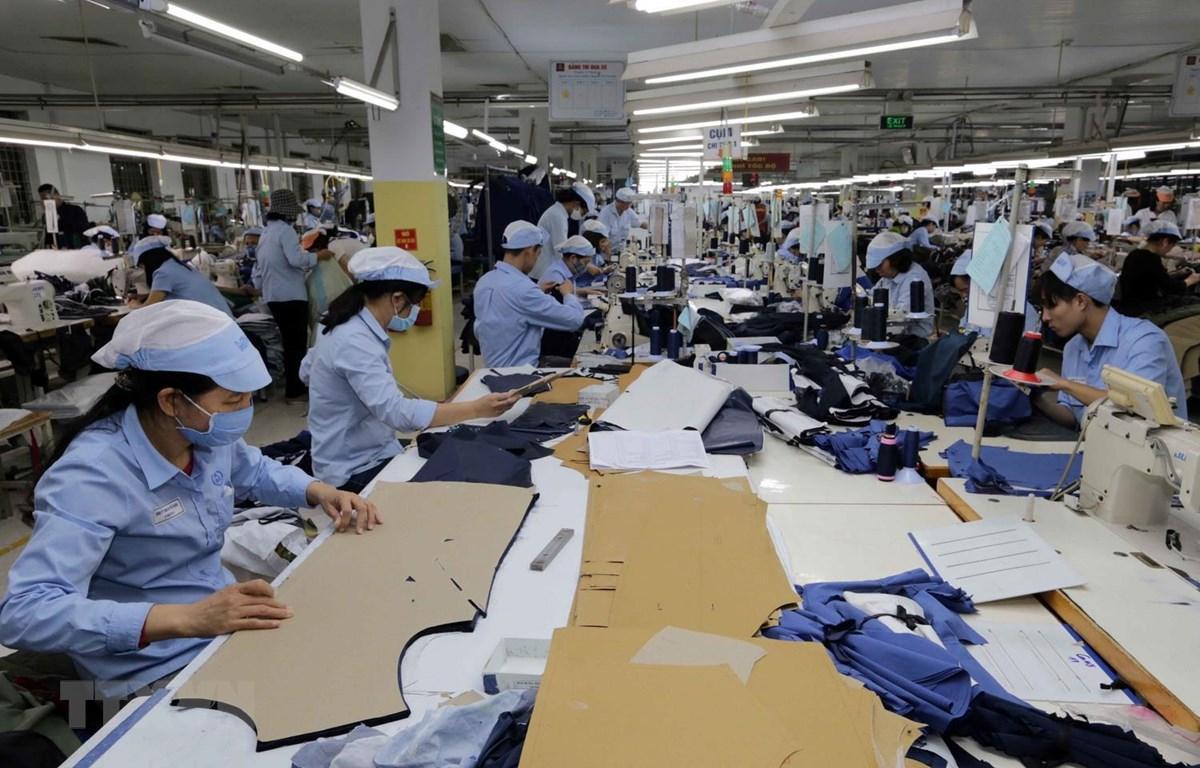
According to China’s 2020 census results released on May 11, China’s population is rapidly aging, and the number of people of working age is decreasing. The number of people of working age (15-59 years old) is 894.38 million, accounting for 63.35% of the population, down 6.79% compared to 2010. The number of children aged 14 and under is 253.38 million, equivalent to 17.95% of the population and the number of people aged 65 and over is 190.64 million, accounting for 13.5% of the population.
According to criteria of the United Nations Population Fund (UNFPA), a country with a maximum proportion of children under 14 years old accounting for 30% and elderly people (aged 65 and over) less than 15% of the total population is considered to be in the golden population age.
Based on the criteria, China is still in the golden population period. However, as the number of people over 65 years old has increased rapidly, from 7% of the population in 2000 to 13.5% in 2020, China’s population aging trend is unlikely to reverse. Over the past four decades, China’s economy has grown thanks to an abundant workforce, but the country is on the way from labor surplus to labor shortage, at the fastest pace in history.
China has become a society of the elderly in just 20 years, much faster than France (140 years), Sweden (85 years), and the United States (72 years). The problem is that aging population occurs when China’s GDP per capita is only about $10,000/year, compared to over $30,000/year in developed countries. This is negatively affecting economic development and major national goals of China.
Since 2007 Vietnam has entered the golden population period and the current proportion of people of working age account for nearly 70% of the population, of which about half are young people, who are under 34 years old. However, according to the 2019 census, Vietnam’s population is aging at an unprecedented rate. In 2019, the country had 11.4 million people aged 60 and over, accounting for 11.86% of the total population and the aging index increased from 35.9% in 2009 to 48.8% in 2019. It is estimated that the number of people aged 65 and over will reach over 10% by 2026 and exceed 15% by 2039.
This will be the end of the golden population period in Vietnam.
Vietnam is now in the group of low-middle-income economies and has set a goal to become a high-middle-income country by 2030 and a high-income developed country by 2045.
Experts said that developing countries, if failing to make breakthrough in the golden population period, will find it difficult to overcome the middle-income trap and will never become developed countries.
The first 10 years of the golden population period have passed. It is forecasted that Vietnam’s population in the period 2030-2040 will likely be aging. Therefore, only the period from 2020-2030 is the optimal time, an extremely important opportunity for economic development.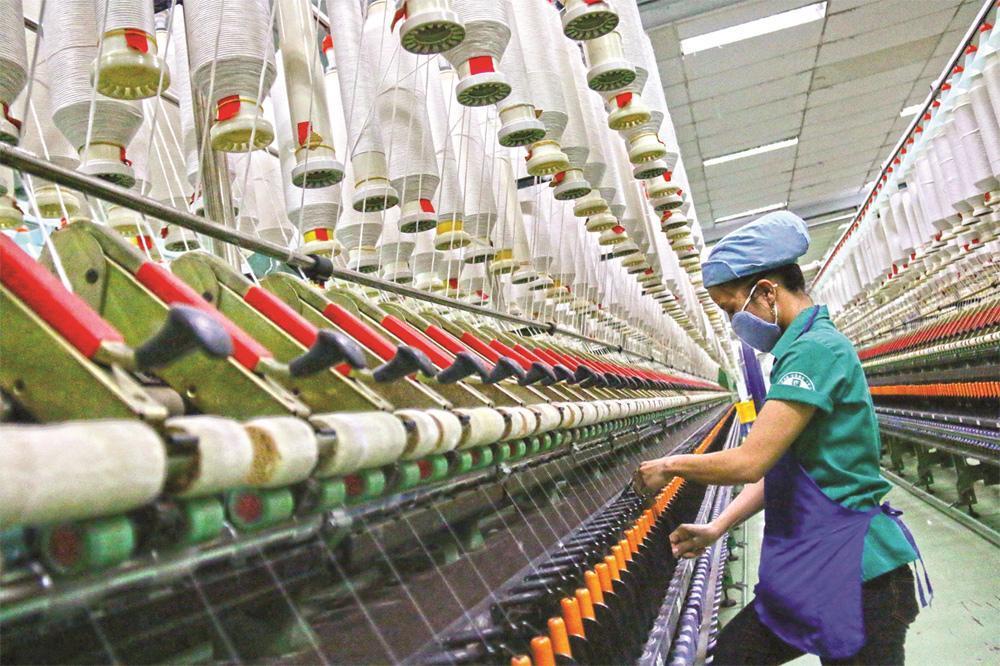
However, the golden population structure is only a possibility and an opportunity, not a guarantee for economic breakthroughs. It is important that people of working age must be able to work, have jobs and create high productivity.
Labor productivity of Vietnam is low compared to other countries in the region: 26 times lower than Singapore, 7 times lower than Malaysia, 4 times lower than China, 2 times lower than the Philippines, 3 times lower than Thailand. One of the main causes of low labor productivity is the poor qualifications and capacity of workers.
According to the Ministry of Labor, Invalids and Social Affairs, unskilled labor accounted for 39% of the total workforce in 2009, down to 36% in 2018. In 10 years, it only fell by 3%, so for a long time, the economy retained the structure of using cheap labor. Vietnam is lacking skilled workers, labor groups with technical expertise, managers, and innovators. These are the groups capable of leading the economy.
Compared with some countries in the region, the proportion of trained workers in Vietnam seems to be good, but the quality and qualifications are still a concern. Most of the recruited workers need to be retrained, and many people work in the wrong profession.
For the Human Development Index (HDI), a measure of population quality, published by the United Nations Development Program (UNDP), Vietnam ranked 117th out of 189 countries and territories in 2019. Vietnam has never entered the top 100 most developed countries, has not closed the gap with other countries in the world. In particular, labor productivity is still the weakest factor when it comes to population quality.
According to the Vietnam Chamber of Commerce and Industry (VCCI), nearly 70% of foreign-invested enterprises in Vietnam have difficulty in recruiting skilled technicians. With human resources for positions that require strategic and leadership thinking, it is even harder to find. They have to seek personnel from other countries. In addition to the lack of high-quality labor, the discipline of workers is still poor.
The 4.0 industrial revolution is taking place in the world and economic experts say that Vietnam needs to transit to a digital economy. Digital transformation will help increase labor productivity and help Vietnam make a breakthrough.
However, this process is facing many challenges. Most Vietnamese businesses still do not know how to start their digital transformation strategy. Small and medium-sized enterprises do not understand much about the concept of digital transformation. Most of them have not approached digital technologies, are not equipped with a business mindset on a digital platform, and lack a business strategy on a digital platform. The main reason is the lack of human resources in digital services.
Experts said that Japan and Germany were severely damaged in the second world war, but have risen strongly to become developed countries thanks to a skilled, well-trained workforce.
According to demographers, Vietnam’s golden population period will last for about 20 more years and will not return. Therefore, during this period, it is necessary to train a strong young workforce who are capable of changing the country’s economy. We need to make the most of this precious resource. In fact, the golden population opportunity does not automatically bring a positive impact, but it must be “held” to “create” a golden workforce, leading the country to fast and sustainable development.
It is necessary to have a good labor market management policy. There should be specific regulations to link training and vocational institutions with the market. The education system must be able to handle the provision of knowledge and professional skills for workers, so it can become a strong driving force of the economy, bringing Vietnam to a higher position in the global value chain.
Vietnam to enter aging population stage in 2026
Twenty percent of Vietnam’s population will be 60 years of age or older within the next 20 years, resulting ….
Aging in Vietnam: The elderly to account for 20.4% by 2050
It takes Vietnam only 20 years to transform from 7% to 14% of the population aged 65 and over.
Three keys to fight against Covid-19 in Vietnam
21/05/2021 06:00 GMT+7 Vietnamnet
Along with the 5K message, Vietnam is strictly implementing three counterattacks: large-scale testing; implementation of a vaccine strategy; and application of technology for Covid-19 tracing.
On May 5, 2021, the new Government, headed by Prime Minister Pham Minh Chinh, had a regular but special meeting after one month of operation.
Cabinet members spent most of the time discussing a huge challenge that Vietnam was facing: the new Covid-19 outbreak. At that time the pandemic was wreaking havoc in the neighboring countries. Thanks to effective solutions that were proven in the previous three waves of Covid, Vietnam was like an ‘oasis’ among surrounding countries that were being fiercely attacked by the epidemic.
Tiếp tục đọc “Three keys to fight against Covid-19 in Vietnam”Ý đồ của Trung Quốc khi điều 300 tàu ở Biển Đông
Giới chuyên gia đánh giá gần 300 tàu Trung Quốc hiện diện ở Biển Đông để sử dụng lợi thế số lượng nhằm gây áp lực cho các nước láng giềng Đông Nam Á.
Lực lượng tuần tra thuộc nhóm chuyên trách Biển Đông của Philippines cho biết tính tới ngày 9/5, 287 tàu “dân quân biển” Trung Quốc phân tán tại các thực thể ở quần đảo Trường Sa thuộc chủ quyền Việt Nam, trong đó các cụm tàu lớn hơn xuất hiện tại các đảo nhân tạo Trung Quốc bồi đắp phi pháp ở khu vực này. Số lượng này đã tăng lên đáng kể so với khoảng 200 tàu cách đây hai tháng.

Báo Trung Quốc đe dọa Australia
Global Times dẫn lời chuyên gia quân sự Trung Quốc cho rằng Australia “nằm trong tầm bắn tên lửa”, sau khi nước này diễn tập chung với Nhật, Pháp, Mỹ.
Hải quân Australia, Pháp, Mỹ và Nhật tham gia diễn tập chung ngoài khơi biển Hoa Đông từ 11/5 tới 17/5, trong đó thủy thủ tàu HMAS Parramatta của Australia tham gia nội dung đổ bộ lên đảo xa và thực hành chống tàu ngầm.
Đáp lại, Global Times, tờ báo thuộc People’s Daily, cơ quan ngôn luận của đảng Cộng sản Trung Quốc, đã chỉ trích cả 4 quốc gia tham gia diễn tập và gọi Australia là “yếu kém”, “tầm thường về mặt quân sự”.

Xung đột Israel – Palestine: Từ đất hứa tới đất dữ
ASHRAF ABOUL-YAZID (*) 23/5/2021 14:00 GMT+7
TTCT – Bốn tấm bản đồ gắn kèm bài báo này là chìa khóa để hiểu được tình hình hiện tại ở Palestine.
Trước năm 1948, không có một đất nước tên là Israel. Tất cả bắt đầu với “Tuyên bố Balfour” của Anh quốc vào năm 1917 trong Thế chiến I khẳng định ủng hộ thành lập một “quê hương cho người Do Thái” ở Palestine.
Có vẻ những nạn nhân của chế độ Quốc xã muốn thế giới bảo đảm với họ một sự đền bù cho những đau khổ của họ. Palestine, khi Bộ trưởng Ngoại giao Anh Arthur Balfour đưa ra tuyên bố mang tên ông, là lãnh thổ thuộc Đế quốc Ottoman.

Tuyên bố đó thuộc một bức thư đề ngày 2-11-1917 gửi Lord Rothschild – lãnh đạo cộng đồng Do Thái ở Anh, để chuyển tiếp cho Hội Do Thái Anh quốc và Ireland. Toàn văn tuyên bố được đăng trên báo ngày 9-11-1917.
Tiếp tục đọc “Xung đột Israel – Palestine: Từ đất hứa tới đất dữ”
Reshore, Reroute, Rebalance: A U.S. Strategy for Clean Energy Supply Chains
May 19, 2021DOWNLOAD THE REPORT
Clean energy technologies are now big business. Vast sums of money in clean energy supply chains promise to rearrange the geopolitics of industrial competition and energy security. Further, to achieve their increasingly ambitious climate goals, countries are likely to do far more to reshape industrial sectors, compressing in a few years a process that normally takes decades.
Tiếp tục đọc “Reshore, Reroute, Rebalance: A U.S. Strategy for Clean Energy Supply Chains”
 CVD
CVD 