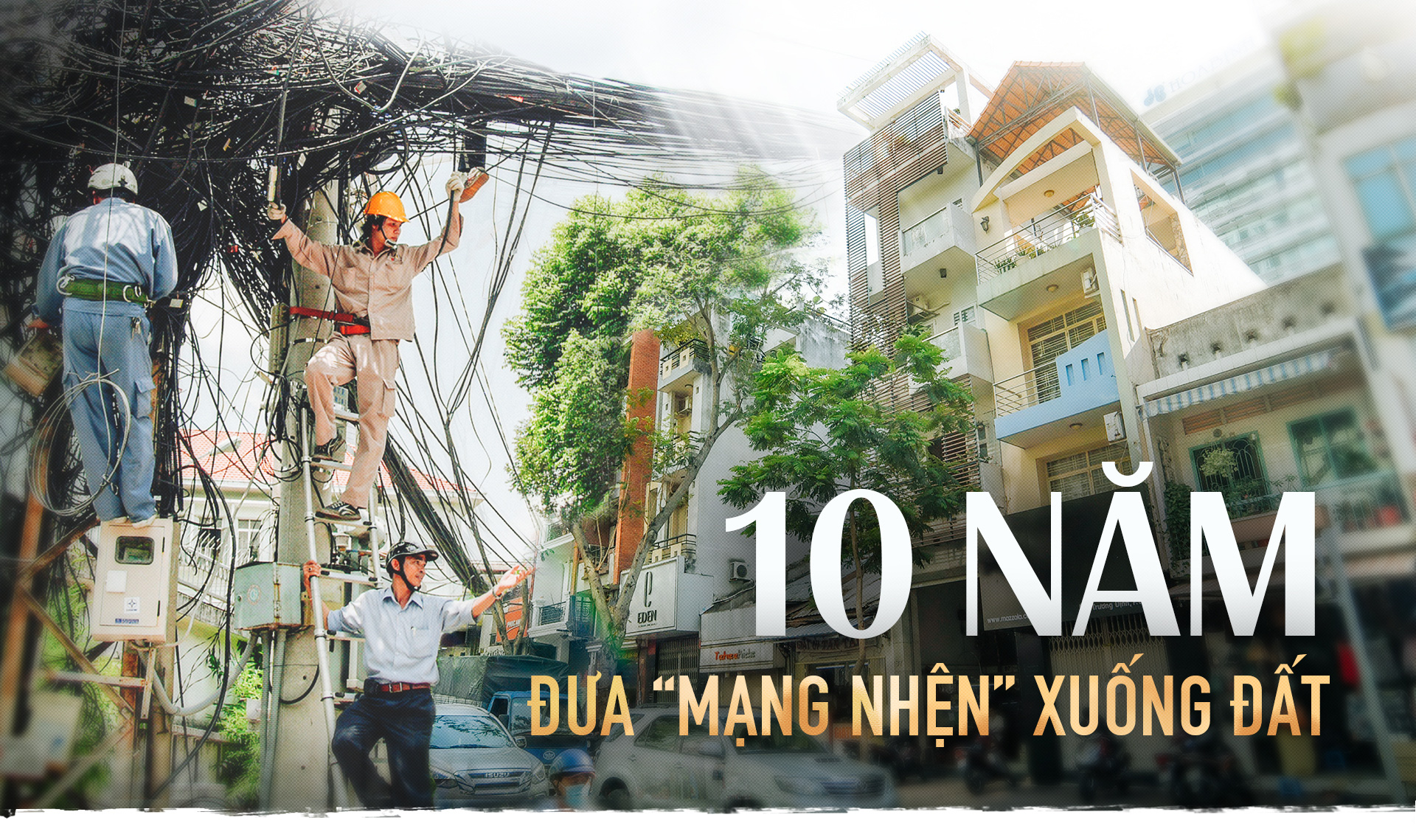
TTO – Nhiều người dân TP.HCM khi được hỏi vẫn không quên hình ảnh những bó dây điện, cáp viễn thông nặng trĩu sà xuống những đường phố những năm trước đây. Các bó dây rối nùi, chằng chịt khiến người dân lo sợ sẽ đổ ập xuống khi qua lại. Nhưng hiện tại đã khác, những “mạng nhện” khổng lồ này đã vắng bóng dần, nhưng ít ai biết để đưa mạng lưới này từ trên trời xuống đất, thành phố phải trải qua một thập kỷ với nhiều nỗ lực từ các bên liên quan.Tiếp tục đọc “10 năm đưa “mạng nhện” xuống đất”→
Written by Paul Christiansen. Photos by Alberto Prieto.
By (un)conventional standards, Saigon’s Geological Museum may warrant a score of 1.3/9, but if one considers it as a source of whimsy, it’s a solid 8.2/9.For years, Saigoneer’s editorial staff has discussed visiting and writing about the Geological Museum (Bảo tàng Địa chất), but it never got done. I’ve lived here for half a decade, and when I moved to a new neighborhood a year ago my daily walk to the office took me past the museum; yet I still had never entered. Then, on a whim, one random Tuesday morning several weeks ago, I went. The result? I didn’t think I could love Saigon more than I already did, and yet…
The Collection
When a meteor, a hulking hunk of prehistoric mass, shreds through Earth’s atmosphere and slams into the surface, the impact vaporizes terrestrial scraps of minerals and sends debris into the sky. The molten globs float like glassy raindrops and fall thousands of kilometers away. Buried under layers of rock laid over millions of years, occasionally the shiny shards work their way to the surface; shimmering examples of Earth’s immensity and the intensity of time. Have you ever seen one? If not, you can.
A case filled with these tektites awaits in District 1 alongside literal pieces of lava, impressions made by long-extinct sea creatures straight out of a science-fiction movie, and wood transformed to stone. Can you imagine, wood to stone! What was once a tiny seed and then a towering tube of pulp pumping sap to a canopy of soft leaves made into solid rock by the geological machinations of our exceedingly strange planet. No one seems to care. Tiếp tục đọc “In Defense of Bảo Tàng Địa Chất, Saigon’s Most Neglected Museum”→
Ambassador Daniel Kritenbrink collaborated with Vietnamese rapper Wowy to make a song about the Lunar New Year vibe in Vietnam.
Throughout the song, the ambassador raps several Vietnamese lines to wish people a peaceful new lunar year.
He also lists what should be done throughout Tet in Vietnamese traditions, including preparing the yellow mai and peach plants, of which flowers are signature for home decoration during Tet in Vietnam, cleaning up the house to welcome guests, and giving li xi (lucky money) to children.
He ends the video with the line saying “Tet den roi” which means Tet has arrived.
This is the Ambassador’s fourth Tet in Vietnam, and he has always enjoyed this time of year. “Tet gives us an opportunity to slow down, reconnect with loved ones, and reflect on the passing year while looking ahead to the coming year,” said the U.S. Consulate General in HCMC.
“Our two countries cooperate closely on everything from security, trade, and education, to war legacies, energy, and health, and now we can add music to the list,” it added.
Tet is what Vietnamese calls Lunar New Year, which is so far the nation’s biggest holiday and most important occasion for family reunion.
(ANTV) – Đặc xá là chính sách khoan hồng của Đảng, Nhà nước và thể hiện truyền thống nhân đạo của dân tộc Việt Nam đối với những người phạm tội. Đồng thời, đặc xá cũng là sự ghi nhận kết quả cải tạo, chấp hành tốt các nội quy của phạm nhân, kết quả của quá trình giáo dục cải tạo phạm nhân, thể hiện sự kết hợp chặt chẽ giữa trại giam, gia đình, các cơ quan chức năng có liên quan và xã hội.
Police in the central province of Quang Tri on February 10 launched legal proceedings against two men for compiling and spreading documents with defamatory contents via social networks.
Phan Bui Bao Thi (Photo: laodong.vn)
The documents were posted on Facebook accounts like Thu Ha and Hoang Le, and such fanpages as Ly Duong Tu, Quang Tri 357, and Tin Quang Tri 246 (Quang Tri news 246).
Those articles, photos and video clips have contents defaming and insulting the prestige of individuals, including some leaders of Quang Tri province, ministries and centrally-run agencies.
They have harmed the leaders’ prestige and dignity as well as the role, position and function of State agencies for a long time, triggering concern among Party members, officials and the public, while affecting political security in the locality.
Local competent forces on February 4 stopped 56-year-old Le Anh Dung, residing in An Phu ward, district 2, Ho Chi Minh City, while he was on the way from Dong Ha city, Quang Tri province, to HCM City.
They found documents stored in Dung’s mobile phone proving that he had directly published the documents on social networks.
Dung’s accomplice is Phan Bui Bao Thi, 50, from Son Tra district, the central city of Da Nang, who is working at the Giao duc & Thoi dai (The Education and Times) newspaper.
Thi confessed that he and Dung wrote many articles defaming Quang Tri leaders and posted more than 10,000 pages on social networks.
The local police on February 5-6 decided to detain the duo for abusing the rights to freedom and democracy, and violating the State’s interests, as well as legal rights and interests of organisations and individuals as prescribed in Article 331 of the Penal Code./.VNA
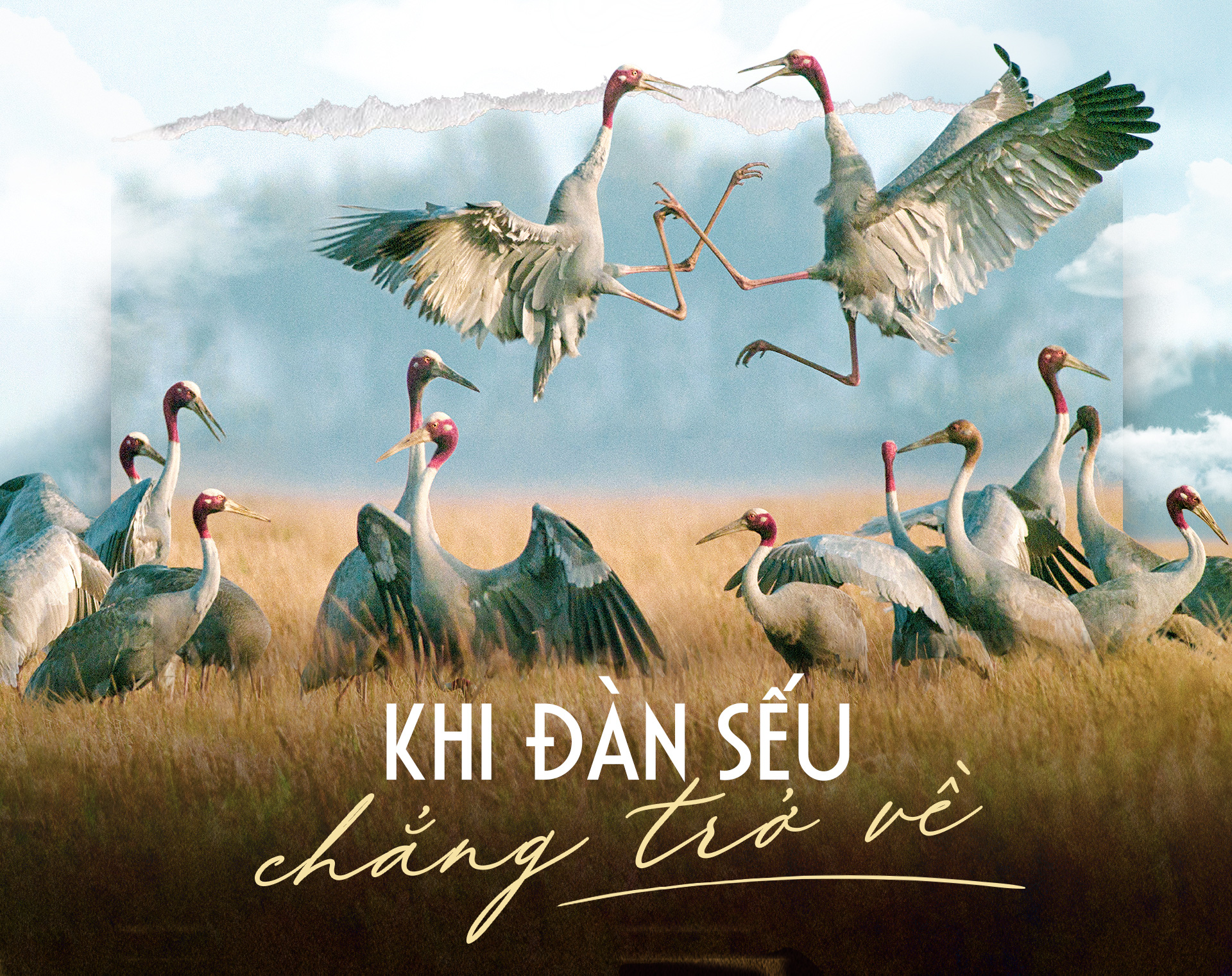
TTO – Năm 2020, lần đầu tiên Việt Nam không thấy sếu đầu đỏ bay về, trú lại tìm thức ăn. Giới khoa học quan sát và cho biết chỉ có 7 con bay qua khu vực Phú Mỹ (Kiên Giang) mà không hề đậu lại. Lý do là vì không còn chút đất lành nào cho đàn sếu trở về.
“ Buồn lắm, vẫn không thấy chúng đâu” – ông Trần Hào Hiệp, phó giám đốc Trung tâm bảo tồn và hợp tác quốc tế thuộc Vườn quốc gia (VQG) Tràm Chim, nói với tôi qua cuộc điện thoại ngày 14-12-2020, dẫu “tháng 12 là tháng chúng có thể về sớm”. Tiếp tục đọc “Khi đàn sếu chẳng trở về…”→
TTO – Một lần đi trên con đường trơn trượt, ngập ngụa bùn đất, chưa kể phải lội qua 4 con suối lớn chảy xiết và hơn chục khe suối nhỏ mới tới được trường học của các em nhỏ vùng cao để quý trọng hơn từng mét đường bê tông mà công trình “Con đường em đến trường” thực hiện ở Yên Bái.
Vượt hơn 35km đường rừng, sương mù bảng lảng quanh sườn núi, chốc chốc phía xa, đám mây đen bất chợt kéo đến, ánh mắt lo lắng hiện rõ trên gương mặt đồng nghiệp dù bao năm tác nghiệp miền núi và có tiếng “tay lái lụa” chẳng khác gì trai bản. Tiếp tục đọc “Đường đến trường “nơi tận cùng” Mù Căng Chải”→
Andrew Rhodes wrote this essay while a student at the U.S. Naval War College. It won the Strategic Research Paper category of the 2019 Chairman of the Joint Chiefs of Staff Strategic Essay Competition.
In the early 20th century, the visionary Marine officer Earl “Pete” Ellis compiled remarkable studies of islands in the Western Pacific and considered the practical means for the seizure or defense of advanced bases. A century after Ellis’s work, China presents new strategic and operational challenges to the U.S. position in Asia, and it is time for Washington to develop a coherent strategy, one that will last another 100 years, for the islands of the Western Pacific. It has become common to consider the second island chain as a defining feature of Pacific geography, but when Ellis mastered its geography, he saw not a “chain,” but a “cloud.” He wrote in 1921 that the “Marshall, Caroline, and Pelew Islands form a ‘cloud’ of islands stretching east and west.” His apt description of these archipelagoes serves well for a broader conception of the islands in, and adjacent to, traditional definitions of the second island chain. A new U.S. strategy should abandon the narrow lens of the “chain” and emphasize a broader second island cloud that highlights the U.S. regional role and invests in a resilient, distributed, and enduring presence in the Pacific.
WASHINGTON — The extensive chains of Pacific islands ringing China have been described as a wall, a barrier to be breached by an attacker or strengthened by a defender. They are seen as springboards, potential bases for operations to attack or invade others in the region. In a territorial sense, they are benchmarks marking the extent of a country’s influence.
“It’s truly a case of where you stand. Perspective is shaped by one’s geographic and geostrategic position,” said Andrew Erickson, a professor with the China Maritime Studies Institute at the Naval War College.
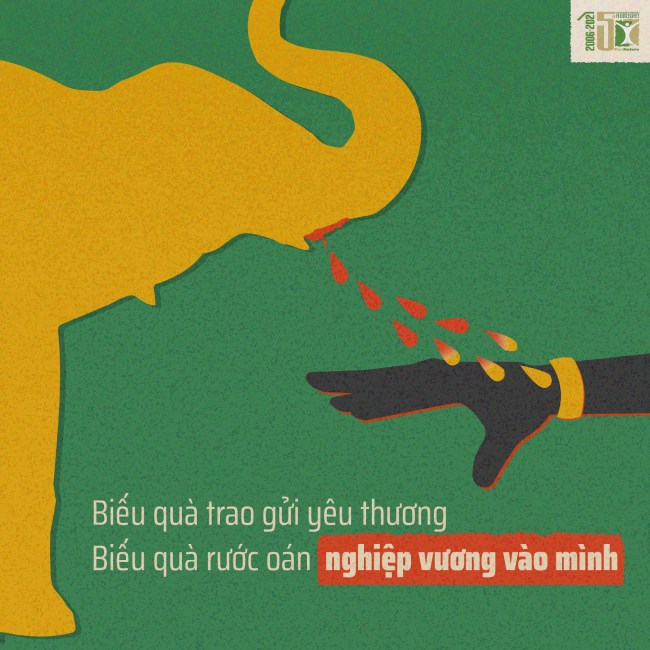
Đại dịch Covid-19, cơn ác mộng được cho là có nguồn gốc từ động vật hoang dã vẫn tiếp tục diễn biến phức tạp và chưa có dấu hiệu dừng lại. Những ngày cận kề Tết Nguyên đán, Việt Nam ghi nhận thêm nhiều ca lây nhiễm trong cộng đồng tại nhiều tỉnh, thành trên cả nước. Để bảo vệ bản thân và xã hội trước nguy cơ bùng phát dịch bệnh trên diện rộng, mỗi chúng ta hãy nêu cao cảnh giác phòng ngừa, đặc biệt là nói “KHÔNG” với những sản phẩm có nguồn gốc từ động vật hoang dã như cao hổ cốt, sừng tê giác, ngà voi, vảy tê tê, mật gấu… Dưới đây là một vài khẩu hiệu dễ nhớ, dễ áp dụng để bạn có một Năm mới đoàn viên, ấm áp và góp phần không nhỏ vào cuộc chiến bảo vệ động vật hoang dã.
During his Senate confirmation hearing last week to be the next director of national intelligence, Texas Republican Rep. John Ratcliffe emphasized China is this country’s “greatest threat actor,” a status only confirmed by rising acrimony over Beijing’s handling of the coronavirus pandemic. But though tensions are rising in the South China Sea, where U.S. Navy missions challenge China’s unsubstantiated claims of hegemony over the region, an actual war between the two powers appears unlikely.
But are the United States and China on a path to a new Cold War?
In an era of geopolitical competition, the West — the U.S.-led countries of the transatlantic alliance and their East Asian allies — lacks a strategy for dealing with its most formidable competitor: the People’s Republic of China (henceforth China). But the Chinese Communist Party (CCP) has a strategy for dealing with the West. It involves a long-term goal of “national rejuvenation”1 — making China the world’s most powerful country by 2050 — implemented with decisive leadership; a clear-eyed appreciation of Western diplomatic, economic, political, and social weaknesses; and effective means of exploiting them. These tactics, best characterized as “sharp power,”2 include censorship and manipulation of the information system, cyber operations, divide-and-rule diplomacy, leverage of trade and investment, and propaganda, plus military bluff and intimidation.
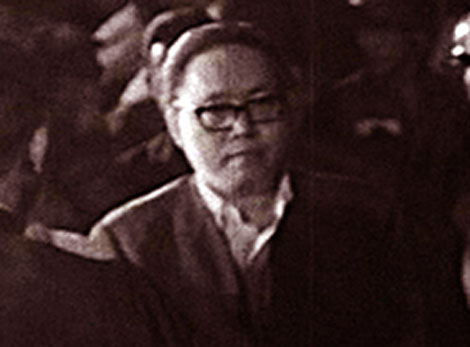
Rạng sáng ngày 14/3/1966, một người Việt gốc Hoa (Triều Châu) là Tạ Vinh đã bị đưa ra pháp trường cát rồi sau đó bị xử bắn vì tội danh “lũng đoạn nền kinh tế quốc gia”. Pháp trường này nằm trước Trụ sở Hỏa xa Sài Gòn (nay là Công ty vận tải hành khách đường sắt Sài Gòn), nhìn sang bên kia chợ Bến Thành.
Tạ Vinh lúc ra tòa án quân sự mặt trận.
Mặc dù Tạ Vinh không phải là thành viên Tam hoàng nhưng ngay khi ông ta bị bắt rồi bị đưa ra xét xử trong một phiên tòa chớp nhoáng, cả Tam hoàng Chợ Lớn lẫn Tam hoàng Hồng Kông đều ra sức cứu Tạ Vinh bởi lẽ “Nếu không nhanh chóng dập đám cháy nhỏ bằng một thùng nước thì sẽ phải dập bằng cả một hồ nước”…
China’s military is going global. In the coming decade, the People’s Liberation Army (PLA) could be well-positioned to influence events and conduct a wide range of missions, including limited warfighting, beyond the Western Pacific. The United States and its close allies, who have enjoyed largely unobstructed access to the world’s oceans for the last three decades, will need to adjust to new military realities as the PLA makes its presence felt in faraway theaters.
In this study, Senior Fellow Toshi Yoshihara and Research Fellow Jack Bianchi argue that a deep study of China’s weaknesses as they relate to its worldwide ambitions is required to formulate an effective allied response. These weaknesses offer insights into the costs that Beijing will have to pay to go global. Importantly, the United States and its close allies enjoy agency over certain Chinese weaknesses, furnishing them leverage that, if exercised, could yield strategic dividends. The report concludes with a range of allied options that exploit China’s weaknesses to constrain and complicate the PLA’s global expansion.
Read the full publication “Seizing on Weakness: Allied Strategy for Competing With China’s Globalizing Military” report using our online e-reader tool.




/arc-anglerfish-arc2-prod-mco.s3.amazonaws.com/public/WXZMPTS72JAG5MXYLYQDNCD2ZA.jpg)





 CVD
CVD 