The gap in global standards – World Development Report 2025

STANDARDS FOR DEVELOPMENT

worldbank.org

Rising Standards Reshape the Global Economy

International standards are proliferating, delivering major benefits to wealthy nations and big multinationals while leaving many developing countries behind, a new World Bank report shows. 

Main Messages

  • Standards are the hidden foundations of prosperity. They are the shared rules that make plugs fit sockets, medicines work safely, and digital systems connect seamlessly. Standards embody collective knowledge, build trust, and enable economies to function efficiently. When they fail, markets fragment; when they work, prosperity follows.
  • For low- and middle-income countries, standards have never mattered more. Nearly 90 percent of world trade is now shaped by nontariff measures, most linked to standards. From digital systems for payment to charging stations for electric vehicles, new technologies can deliver economywide benefits only when standards exist. Mastering them can enhance national competitiveness and protect against technological, financial, and environmental risks.
  • Standards are a versatile tool of economic policy.Governments can use voluntary standards to drive innovation and give technical guidance on compliance with regulations. They can also make them mandatory when uniform compliance is necessary to protect health, safety, or the environment. In addition, governments can deploy standards as an instrument of industrial policy without reference to specific technologies or firms.
  • Ambition must match capacity.Countries should follow a trajectory that takes into account their stage of economic development, first adapting international standards to local realities when needed, then aligning with them as institutions mature, and actively participating in authoring standards in priority areas as capabilities grow. Rwanda’s Zamukana Ubuziranenge (“Grow with Standards”) program exemplifies this path, helping micro, small, and medium enterprises progress step by step towards compliance with international standards.
  • Investing in quality-enhancing infrastructure makes standards work well. The system of testing, certification, metrology, and accreditation in a country is what makes standards effective. Such systems are expensive to build and easy to neglect. Countries should start with public provision of quality-enhancing services in key sectors, then gradually open these services up to private participation. In many places, capacity gaps are stark: Ethiopia has fewer than 100 accredited auditors for compliance with standards of the International Organization for Standardization (ISO), compared with 12,000 in Germany.
  • To make standards a springboard for development, countries should do the following:
    • Create incentives for firms to upgrade the quality of their exports rather than imposing unrealistic mandates.
    • Adapt and sequence standards to align with the national capacity to enforce them.
    • Participate actively in international forums for setting standards.
    • Invest in and share quality infrastructure resources regionally.
  • The global community, for its part, must do the following:
    • Support participation by low- and middle-income countries in developing international standards and design tiered standards that reflect diverse capacities among countries.
    • Deepen regulatory cooperation and reduce fragmentation.
    • Develop credible standards for emerging technologies and actions to prevent or mitigate climate change.
    • Expand research and data on the economic and social impacts of standards.
  • Standards matter for development. Countries that take them seriously are getting ahead. Countries that ignore them risk falling behind.

➜ Download Main Messages: English | عربي | Español | Français | Português | Pусский | 中文
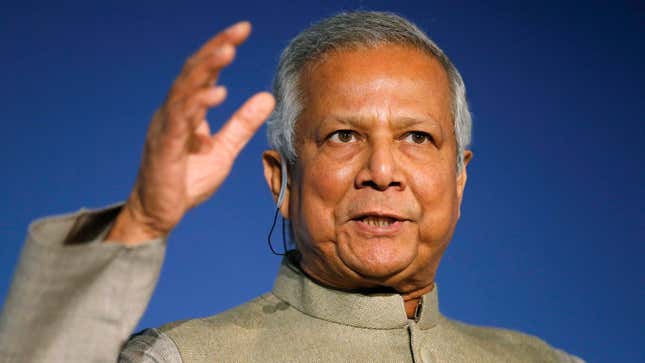
The Nobel laureate – Muhammad Yunus, the father of microfinance, is facing a prison sentence

qz.com

  • The Bangladesh government has brought an onslaught of legal cases against Muhammad Yunus over the last decade

By Ananya Bhattacharya PublishedSeptember 1, 2023

At the center of government lawsuits.

Among foreign economists and civil society activists, the Nobel laureate Muhammad Yunus is an icon for extending microloans to those too poor to access conventional banks. But at home, in Bangladesh, he has been increasingly vilified—and now faces time in prison.

Tiếp tục đọc “The Nobel laureate – Muhammad Yunus, the father of microfinance, is facing a prison sentence”

2022 Vietnam poverty and equity assessment – From the last mile to the next mile

world bank – APRIL 28, 202

Watch the clip here

The poverty and equity agenda is no longer only about raising minimum living standards and tackling chronic poverty; it is also about creating new and sustainable economic pathways for a more aspirational population.

Report download

FULL REPORT (ENG) | OVERVIEW (ENG) | OVERVIEW (VN)

—-

Launch event materials

EVENT POSTER [JPG]  | PRESENTATION (ENG) | PRESENTATION (VN)


Main messages

There was significant progress in poverty reduction from 2010-2020, but Last Mile challenges in tackling poverty remain.

Tiếp tục đọc “2022 Vietnam poverty and equity assessment – From the last mile to the next mile”

Tăng cường sự tham gia của phụ nữ vào vị trí lãnh đạo trong ngành may mặc

world bankDIANE DAVOINE |JULY 28, 2021

This page in: Vietnamese English

In her new role, Than Thi Thuy supervises and trains 27 sewing operators. © Better Work

Một chương trình đào tạo về kiến thức kỹ thuật, phát triển khả năng lãnh đạo và thực hành tại chỗ giúp thúc đẩy sự nghiệp và hiệu quả công việc cho phụ nữ Việt Nam.

Chị Thân Thị Thủy là công nhân may tại một nhà máy tại Việt Nam trong 2 năm, sau đó, được quản lý bổ nhiệm vào vị trí giám sát. Chị cho biết: “Tôi rất thành thục kỹ năng may vá, nhưng chưa tự tin về kỹ năng quản lý của mình”. Sau khi tham gia chương trình đào tạo dành cho nữ công nhân triển vọng, chị được trang bị kiến thức mới về kỹ thuật và năng lực lãnh đạo, từ đó phát triển sự nghiệp của mình. Sau khi đảm nhiệm vị trí mới, chị cho biết: “Tôi hiện quản lý một dây chuyền may gồm 27 công nhân. Tôi hướng dẫn từng thành viên trong dây chuyền để họ có thể xử lý ít nhất 2 quy trình, từ đó giảm tình trạng tắc nghẽn và nâng cao tay nghề.”

Tại Việt Nam, nơi phụ nữ chiếm hơn 80% lực lượng lao động của ngành may mặc, việc từ công nhân may trở thành người giám sát tạo cơ hội cho nhiều phụ nữ thăng tiến trong sự nghiệp. Tuy nhiên, điều đó không hề đơn giản. Đây là một bước tiến quan trọng đòi hỏi phải có kinh nghiệm, kiến thức kỹ thuật và các khả năng khác, chẳng hạn như kỹ năng lãnh đạo, giao tiếp quyết đoán và sự tự tin.

Tiếp tục đọc “Tăng cường sự tham gia của phụ nữ vào vị trí lãnh đạo trong ngành may mặc”

Việt Nam cần làm gì để trở thành cường quốc kỹ thuật số

worldbankJACQUES MORISSET |AUGUST 24, 2021

This page in: Vietnamese English

Smart city in Vietnam.
Để trở thành cường quốc kỹ thuật số, Việt Nam sẽ cần tạo điều kiện để các đơn vị trong nước áp dụng và thích ứng với những công nghệ kỹ thuật số toàn cầu mới. Ảnh: THINK A/ Shutterstock

Cách mạng kỹ thuật số chưa bao giờ chỉ là tạo ra những công nghệ đột phá. Các quốc gia hàng đầu về đổi mới, sáng tạo trong lĩnh vực này như Mỹ và Trung Quốc sở hữu gần 2/3 số bằng sáng chế CNTT mới và các công nghệ liên quan đến máy tính đăng ký hàng năm.[1] Tuy nhiên, đối với hầu hết các quốc gia trên thế giới, trong đó có Việt Nam, tương lai sẽ không được quyết định bởi động lực đổi mới, sáng tạo mà là năng lực của quốc gia trong việc tận dụng tối đa các công nghệ kỹ thuật số do các nước khác phát triển.

Tiếp tục đọc “Việt Nam cần làm gì để trở thành cường quốc kỹ thuật số”

Tăng cường Khả năng Tiếp cận Dịch vụ Y tế cho Người dân Nông thôn tại Việt Nam thông qua Đầu tư Nâng cấp Bệnh viện Tuyến dưới

worldbank – 28 THÁNG 2 NĂM 2021

Xem clip  Dự án Hỗ trợ y tế các tỉnh vùng Đông Bắc Bộ và Đồng bằng Sông Hồng đã cải thiện cuộc sống cho hàng triệu người tại các tỉnh miền Bắc Việt Nam – tại đây

World Bank Group

TRUNG TÂM NỘI SOI | Bệnh Viện Đa Khoa Xuyên Á


NỘI DUNG CHÍNH

  • Việt Nam đã có nhiều nỗ lực trong việc khắc phục tình trạng quá tải kéo dài tại các bệnh viện tuyến trung ương đồng thời nâng cao chất lượng dịch vụ y tế thông qua đầu tư vào hệ thống y tế địa phương.
  • Dự án Hỗ trợ y tế các tỉnh vùng Đông Bắc Bộ và Đồng bằng Sông Hồng đã nâng cao năng lực điều trị cho các bệnh viện tuyến tỉnh và tuyến huyện tại 13 tỉnh miền Bắc Việt Nam.
  • • 3.000 kỹ thuật mới đã được chuyển giao cho các bệnh viện tuyến tỉnh và tuyến huyện. Gần 42.000 lượt bệnh nhân được thụ hưởng điều trị bằng các phương pháp mới này.

Tiếp tục đọc “Tăng cường Khả năng Tiếp cận Dịch vụ Y tế cho Người dân Nông thôn tại Việt Nam thông qua Đầu tư Nâng cấp Bệnh viện Tuyến dưới”

Resilient Shores: Vietnam’s Coastal Development Between Opportunity and Disaster Risk

 OCTOBER 21, 2020 World Bank

0:00 / 3:25

In a country that is among the most exposed to natural hazards, Vietnam’s coastline often bears the brunt. Resilient Shores lays out a resilience strategy that can guide Vietnam through the decisive actions it must take to safeguard the prosperity of future generations from climate change and disaster risks.

Tiếp tục đọc “Resilient Shores: Vietnam’s Coastal Development Between Opportunity and Disaster Risk”

New research on development issues in Vietnam Volume 11, number 11 (2019 November)

Download the full report >>

TABLE OF CONTENT

AGRICULTURE AND RURAL DEVELOPMENT

Tiếp tục đọc “New research on development issues in Vietnam Volume 11, number 11 (2019 November)”

World Bank: New research on development issues in Vietnam – Volume 11, number 8 (2019 August)

Download full report >>

TABLE OF CONTENT

AGRICULTURE AND RURAL DEVELOPMENT

Tiếp tục đọc “World Bank: New research on development issues in Vietnam – Volume 11, number 8 (2019 August)”

World Bank: New research on development issues in Vietnam – Volume 11, number 7 (2019 July)

Download Full Report >>

TABLE OF CONTENT

AGRICULTURE AND RURAL DEVELOPMENT

Tiếp tục đọc “World Bank: New research on development issues in Vietnam – Volume 11, number 7 (2019 July)”

Chuỗi các phát hiện về Nam Theun 2

BVR&MT – “Cái chết dưới Nước – bài học toàn cầu từ mô hình thuỷ điện điểm của Ngân hàng Thế giới (WB) Lào” là cuốn sách mô tả một chuỗi các phát hiện về dự án Nam Theun 2 từ quá trình lên kế hoạch vào cuối những năm 1980, lấy ý kiến các bên từ cuối những năm 1990 đến đầu những năm 2000, xây dựng và hoàn thành vào năm 2010. Con đập vốn là niềm tự hào của WB về quy mô và vẫn thường được WB ca ngợi về tính bền vững cũng như những đóng góp của nó đối với công cuộc xóa đói giảm nghèo tại Lào – một quốc gia đang phát triển. Tuy nhiên, đồng hành với dự án này là những chỉ trích của dư luận về sự ủng hộ của WB cùng các tổ chức tài chính đối với các con đập lớn có tác động xấu đến môi trường và xã hội trên toàn cầu và Nam Theun 2 là một trong số đó.

Tác giả Bruce Shoemaker tại buổi ra mắt sách tại Hà Nội ngày 29/10/2018

Tiếp tục đọc “Chuỗi các phát hiện về Nam Theun 2”

World Bank: New research on development issues in Vietnam – Volume 11, number 6 (2019 June)

Download full report >>

TABLE OF CONTENT


AGRICULTURE AND RURAL DEVELOPMENT

Tiếp tục đọc “World Bank: New research on development issues in Vietnam – Volume 11, number 6 (2019 June)”

World Bank: New research on development issues in Vietnam – Volume 11, number 5 (2019 May)

Download full report >>

TABLE OF CONTENT

AGRICULTURE AND RURAL DEVELOPMENT

ECONOMIC DEVELOPMENT

Tiếp tục đọc “World Bank: New research on development issues in Vietnam – Volume 11, number 5 (2019 May)”

World Bank: New research on development issues in Vietnam – Volume 11, number 4 (2019 April)


Download full report >>

TABLE OF CONTENT

AGRICULTURE AND RURAL DEVELOPMENT

World Bank: New Research and Development in Vietnam – Volume 11, number 3 (2019 March)

Download full report >>

TABLE OF CONTENT

AGRICULTURE AND RURAL DEVELOPMENT