3 lý do tại sao Quyền sở hữu tài sản là tối cần thiết cho hệ sinh thái môi trường lành mạnh.

English: 3 Reasons Property Rights Are Essential for Healthy Ecosystems

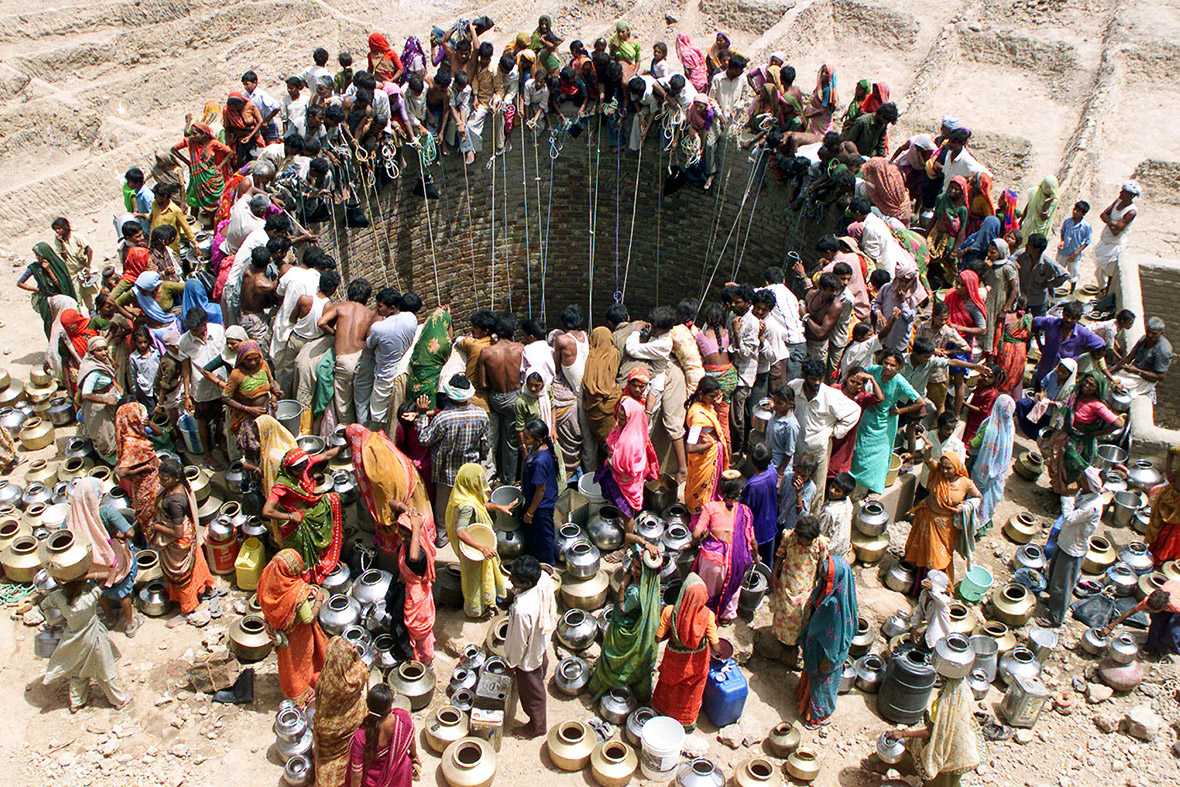
Chúng ta đều nghe đến những con số thống kê về sự sụp đổ hệ sinh thái. Hơn một tỉ người sống ở vùng khan hiếm nước. 30% rừng trên thế giới đã bị phá huỷ, và 20% bị suy thoái. Và gần 500 triệu người sống ở những vùng đất khô cằn ngày càng dễ bị ảnh hưởng bởi biến đổi khí hậu.

Tiếp tục đọc “3 lý do tại sao Quyền sở hữu tài sản là tối cần thiết cho hệ sinh thái môi trường lành mạnh.”

Mực nước ngầm ở các tỉnh, thành phố ven biển ở mức báo động

Thứ năm – 21/01/2016 09:55 Cục Quản Lý Tài Nguyên Nước – Bộ TN&MT

Mực nước ngầm ở các tỉnh, thành phố ven biển kéo dài từ Hải Phòng đến Cà Mau đang hạ xuống mức báo động.

 
Cảnh báo trên được ông Nguyễn Chí Công – Phó Tổng Giám đốc Trung tâm Quy hoạch và Điều tra Tài nguyên nước quốc gia (thuộc Bộ Tài nguyên và Môi trường) đưa ra tại hội thảo quốc tế về Quản lý tổng hợp tài nguyên nước vùng ven biển – Kinh nghiệm quản lý nước dưới đất khu vực Đông-Đông Nam Á (CCOP 2016).

Tiếp tục đọc “Mực nước ngầm ở các tỉnh, thành phố ven biển ở mức báo động”

UN chief warns of serious clean water shortages by 2050

srsnews

UNITED NATIONS (AP) — Secretary-General Antonio Guterres warned Tuesday that by 2050 global demand for fresh water is projected to grow by more than 40 percent and at least a quarter of the world’s population will live in countries with a “chronic or recurrent” lack of clean water.

He told the Security Council that “strains on water access are already rising in all regions,” noting that three-quarters of the 193 U.N. member states share rivers or lake basins with their neighbors. Tiếp tục đọc “UN chief warns of serious clean water shortages by 2050”

Chỉ đúng nguyên nhân ĐBSCL sạt lở và các khuyến nghị

BĐV – Bài viết của GS.TSKH Nguyễn Ngọc Trân – Nguyên Chủ nhiệm Chương trình cấp Nhà nước Điều tra cơ bản tổng hợp ĐBSCL về tình hình sạt lở ở khu vực này.

Tình hình sạt lở bờ sông, bờ biển ở ĐBSCL ngày càng nhiều và nghiêm trọng.

Các nguyên nhân cơ bản thường được nói đến thời gian gần đây là do thiếu hụt trầm tích bị các đập thủy điện trên dòng chính sông Lancang – Mekong giữ lại, và do lạm khai thác cát sông.

Hiểu sâu để có giải pháp tốt. Nhằm mục đích này, xin đóng góp một số ý kiến vào nhận thức khách quan vấn đề sạt lở và từ đó một số việc cần làm theo thiện ý của tác giả.

Tiếp tục đọc “Chỉ đúng nguyên nhân ĐBSCL sạt lở và các khuyến nghị”

Khủng hoảng nước ở Việt Nam

English: WATER IN CRISIS – VIETNAM

Việt Nam có tổng cộng 2360 con sông với chiều  dài trên 10km và đáng lẽ sẽ phải cung cấp được nguồn nước dồi dào cho đất nước này. Tuy nhiên, do thiếu cơ sở hạ tầng và khả năng tài chính nên việc tận dụng nguồn cung từ các con sông này còn thấp cộng với phân bổ không đồng đều của lượng mưa đã dẫn đến tình trạng thiếu nước ở khắp nơi.

Mặc dù Việt Nam đã cải thiện tình trạng cung cấp nước của mình trong vài thập kỷ gần đây nhưng vẫn không có sự cải thiện nào đáng kể ở nhiều khu vực nông thôn, những vùng mà tập trung dân số nghèo nhất. Theo báo cáo thì chỉ 39% dân số ở nông thôn được tiếp cận nguồn nước và hệ thống vệ sinh an toàn.  Người dân ở nông thôn đã chuyển từ sử dụng nước mặt từ những chiếc giếng khoan nông sang nguồn nước ngầm được bơm từ các ống nước tư. Ở vùng phía Bắc của Việt Nam quanh Hà Nội, có bằng chứng cho thấy nguồn nước uống có chứa asen (thạch tím). Khoảng 7 triệu người đang sống ở khu vực này có nguy cơ cao bị nhiễm độc asen và đây là một vấn đề thật sự nghiêm trọng vì lượng asen cao như thế có thể gây ung thư, các vấn đề về da và hệ thống thần kinh.
Tiếp tục đọc “Khủng hoảng nước ở Việt Nam”

Ngày Nước Thế giới 2017: 60 bức ảnh khiến bạn phải nghĩ lại về việc để vòi nước chảy

Bất cập trong quản lý và khai thác nước ngầm – 2 bài

Bất cập trong quản lý và khai thác nước ngầm – Bài 1

Ông Nguyễn Đăng Biển (bên phải) ở tổ 4, khu phố Phú Hưng.phường Phú Thịnh, thị xã Bình Long khoan giếng tại ấp Quản Lợi A, xã Tân Lợi (Hớn Quản)Ông Nguyễn Đăng Biển (bên phải) ở tổ 4, khu phố Phú Hưng.phường Phú Thịnh, thị xã Bình Long khoan giếng tại ấp Quản Lợi A, xã Tân Lợi (Hớn Quản)

01:33 PM – 05/05/2017

BP – Những năm gần đây, thời tiết diễn biến bất thường dẫn đến khô kiệt nguồn nước, ảnh hưởng sinh hoạt và phát triển sản xuất của người dân. Khi nước mặt cạn kiệt, các hồ chứa trơ đáy, giải pháp khoan để khai thác nước ngầm được cho là hiệu quả nhất, dẫn đến dịch vụ khoan giếng nở rộ và là nguyên nhân chính làm cạn kiệt nguồn nước cục bộ, gia tăng ô nhiễm các tầng chứa nước. Thậm chí làm ô nhiễm mạch nước ngầm do các giếng khoan không gặp nước đã không được trám lấp, về mùa mưa chất bẩn theo dòng nước chảy xuống giếng. Tiếp tục đọc “Bất cập trong quản lý và khai thác nước ngầm – 2 bài”

World Water Day 2017: 60 powerful photos to make you think twice about leaving the tap running

Ho Chi Minh City to build first retention basin to combat flooding

TUOI TRE NEWS

Updated : 05/09/2017 15:33 GMT + 7

The administration of Ho Chi Minh City will go ahead with a project to build its first-ever retention basin in the rural district of Cu Chi as a means of curbing chronic flooding in the city.

The pond will reserve water for household and agriculture use during the dry season, and mitigate the impacts of flooding during the rainy season.

The project, which will see the construction of a retention basin between 2019 and 2025, has been approved by Le Van Khoa, deputy chairman of Ho Chi Minh City.

The city’s Steering Center for the Urban Flood Control Program will implement the project, the first of its kind in the southern metropolis, around the Ben Muong and Lang The canals in Cu Chi.

During the 2017-18 period, the city will focus on upgrading, expanding and dredging canals to improve the water flow and anti-flooding capacity of its drainage system.

Resolving water pollution and improving hygiene in the area are also prioritized, before construction of the retention basin commences in 2019.

According to the steering center, as much as 3,000 hectares of land in the Ben Muong – Lang The area is constantly flooded during rainy seasons, damaging crops.

Sedimentation in nearby waterways and the fast growth of industrial and residential zones without the installation of appropriate drainage systems have exacerbated the problem, it said.

Environmental minister proposes solutions on landslides

vietnamnews

Update: May, 04/2017 – 17:05

The accident site where 16 houses collapsed following a landslide on April 22 in Chợ Mới District, An Giang Province. — VNA/VNS Photo Công Mạo
Viet Nam News AN GIANG — Minister of Natural Resources and Environment Trần Hồng Hà has proposed an emergency solution to avoid further devastation in the aftermath of the landslide that destroyed 14 houses last month in Mekong Delta An Giang Province.

The use of gabions, wattle screens, bamboo, wooden poles and sand packs was one of the emergency solutionsproposed to the Prime Minister after the environmental minister completed a field trip to the devastated area on April 25-26. Tiếp tục đọc “Environmental minister proposes solutions on landslides”

Mass fish deaths reported in fresh water cages

Update: April, 07/2017 – 18:00

A breeder and his dead fish. — VNS Photo Điền Quang

THỪA THIÊN- HUẾ — Fish breeding in floating cages in central Thừa Thiên-Huế Province’s river have died en mass, resulting in huge losses for breeders.

The fish deaths occurred earlier this week in Bồ River’s section running across the province’s Hương Toàn Commune in Hương Trà District. Breeders said the fish were almost ready to harvest; therefore, they were expected to incur significant losses for this breeding season. Tiếp tục đọc “Mass fish deaths reported in fresh water cages”

The Impact of Dams on the Mekong

CGIAR (Consultative Group for International Agricultural Research)

Read and Download: The Impact of Dams on the Mekong

Link to Mekong Hydropwer Map and Portal

Series of “State of knowledge” on Mekong:

1. The Impact of Dams on the Mekong
2. Mekong sediment basics
3. Corporate social responsibility in Mekong hydropower development
4. China’s Influence on Hydropower Development in the Lancang River and Lower Mekong River Basin

Environment minister urges water conservation in Vietnam

Tuoi Tre News

Updated : 03/23/2017 18:35 GMT + 7

Minister of Natural Resources and Environment Tran Hong Ha warned citizens at an event in northern Vietnam of the alarming scarcity of water, calling for the urgent conservation of water resources in the country.

A national campaign was organized in Bac Ninh Province on Wednesday morning to mark World Water Day, an event aimed at raising social awareness of water pollution and the importance of protecting resources.

The event was sponsored by Tuoi Tre (Youth) newspaper and Comfort, a Unilever brand in Vietnam.

Situated downstream of many major rivers, Vietnam faces significant challenges brought about by a lack of water resources, Minister Ha explained at the event.

“Two-thirds of the water in Vietnam’s rivers come from outside the territory,” the official pointed out, adding that the average volume in the country is about 3,600 cubic meters per person a year, compared to the global average of 4,000 cubic meters per person. Tiếp tục đọc “Environment minister urges water conservation in Vietnam”

Watergrabbing A Story of Water

Al Jazeera

Historically the source of many conflicts, water grabbing is the control and theft of water resources by the powerful, often at the expense of local populations and ecosystems. It can result in dispossession, displacement and ecological destruction.

In an age of dwindling resources and climate change, water is increasingly being privatised.

It is now 24 years since the United Nations designated March 22 as World Water Day.

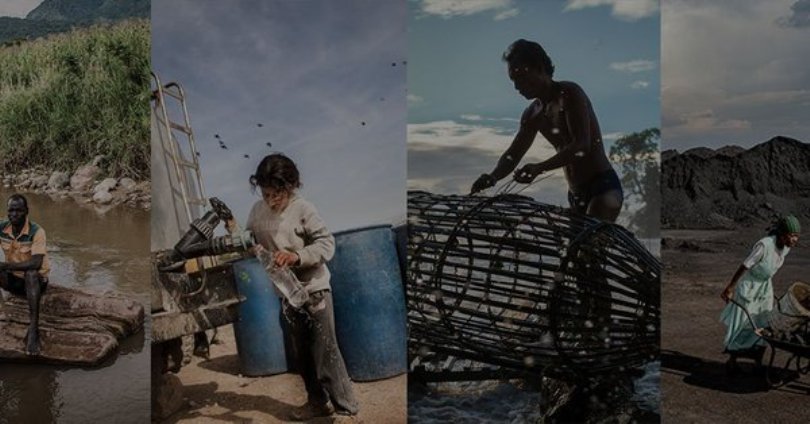
Al Jazeera looks at water grabbing in four parts of the globe, including large-scale damming in the Omo Valley in Ethiopia, the mining industry in South Africa, inequitable water practices in Palestine/Israel and the impact of dams on people living along the Mekong River in southeast Asia.

Tiếp tục đọc “Watergrabbing A Story of Water”

‘Parched’ Chinese city plans to pump water from Russian lake via 1,000km pipeline

Urban planners in Lanzhou have drawn up proposals to pipe water into the chronically dry region from Siberia’s Lake Baikal.

Lake Baikal
Lake Baikal is the deepest freshwater lake on earth. Photograph: Kirill Shipitsin/TASS

China is reportedly considering plans to build a 1,000km (620 mile) pipeline to pump water all the way from Siberia to its drought-stricken northwest.

According to reports in the Chinese media, urban planners in Lanzhou, the capital of Gansu province, have drawn up proposals to pipe water into the chronically parched region from Russia’s Lake Baikal, the deepest freshwater lake on earth.

Li Luoli, an academic who is one of the plan’s cheerleaders, claimed the mega-project – roughly the equivalent of pumping water from Lake Como to London – was both theoretically feasible and “certainly beneficial” to China. Tiếp tục đọc “‘Parched’ Chinese city plans to pump water from Russian lake via 1,000km pipeline”