The Unlikely, Indispensable U.S.-Vietnam Partnership

July 6, 2021 CSIS

DOWNLOAD THE REPORT

The U.S.-Vietnam relationship has been on an upward trajectory defined by common interests since diplomatic relations between the two countries normalized a quarter-century ago. Vietnam was one of two Southeast Asian countries specifically referenced in the Biden administration’s Interim National Security Strategic Guidance, demonstrating the extent to which it has become an increasingly critical part of U.S. defense planning for the region. Bilateral trade has grown over 200-fold since normalization. People-to-people ties have also grown as Vietnam’s tourism industry has developed. Since normalization, Vietnam has welcomed U.S. tourists, former Vietnam War veterans, and even former refugees and their families. U.S. schools and companies in turn have attracted Vietnamese students and recent graduates, who are among the best educated in the world despite the country’s lower level of economic development.

Tiếp tục đọc “The Unlikely, Indispensable U.S.-Vietnam Partnership”

CPI rises slowly as people run out of money

Chia sẻ | FaceBookTwitter Email Copy LinkInterested006/07/2021    10:00 GMT+7

The reported CPI only reflects 60-70 percent of the real situation, according to the former Chair of the Hanoi Supermarket Association Vu Vinh Phu.

CPI rises slowly as people run out of money

The General Statistics Office (GSO) has reported that the CPI increased by 1.47 percent in the first half of the year compared with the same period last year, the lowest increase since 2016.

The figure has surprised many people, because local media have reported sharp price increases of many products recently.

According to GSO, there were some factors that inhibited the CPI growth in H1. The prices of food products decreased by 39 percent compared with H1 2020, which caused the general CPI to decrease by 0.08 percentage point.

The government launched support packages to help people and businesses hit by Covid-19, including an electricity bill support package, which caused the average household-consumed electricity price to decrease by 3.06 percent, and made the general CPI decrease by 0.1 percentage point.

Tiếp tục đọc “CPI rises slowly as people run out of money”

Most businesses seek human resources upgrade: survey

By Phuong Dong   July 5, 2021 | 09:00 pm GMT+7 vnexpressMost businesses seek human resources upgrade: surveyA woman does office work using a laptop and calculator. Illustration photo by Shutterstock. Seventy percent of businesses would focus on re-educating and training their workforce in new skills needed on the job, said a human resources survey.
According to the survey conducted in 605 businesses by recruitment company Talentnet and its global counterpart Mercer last year, 20 percent of respondents were looking to recruit more workers this year.

These were firms in fields like finance, banking, insurance and construction, Tieu Yen Trinh, general director of Talentnet, said at a recent human resource management conference.

Tiếp tục đọc “Most businesses seek human resources upgrade: survey”

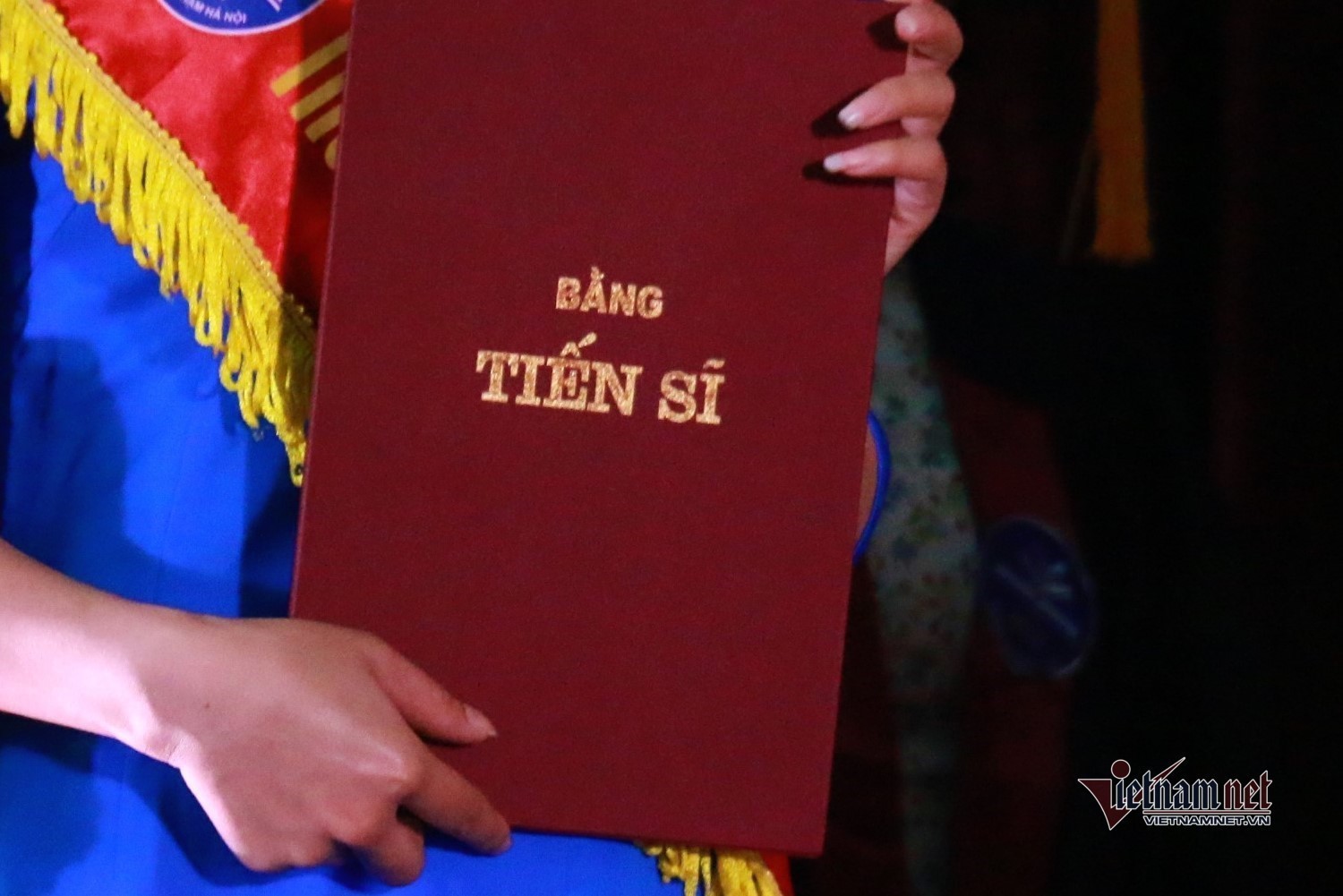
PhD production plan: Will Project 89 go a new way?

VNN – 19/05/2021    09:00 GMT+7

Before launching Project 89 that aimed to produce 7,300 more lecturers with a doctoral degree, the Ministry of Education and Training (MOET) ran two projects on preparing human resources with doctoral and master’s degrees, worth trillions of VND.

PhD production plan: Will Project 89 go a new way?

The state spent VND2.5 trillion on the project on training science and technology officers at foreign training facilities with state funds, under Project 322.

Under the Prime Minister’s Decision No 322 in 2000, the project would be implemented from 2000 to 2005, aiming to train and foster officers to have doctoral, master’s and bachelor’s degree at overseas training and research establishments, or in cooperation with foreign establishments, in order to satisfy the needs of industrialization and modernization.

The budget allocated for the training in 2000 was VND100 billion. However, Project 322 lasted only 10 years.

Tiếp tục đọc “PhD production plan: Will Project 89 go a new way?”

Nước của phương Nam, mượn về phương Bắc

ĐỨC HOÀNG  8/6/2016 10:06 GMT+7

TTCTCao nguyên Thanh – Tạng là nơi bắt nguồn của 10 hệ thống sông quan trọng bậc nhất trong khu vực Nam và Đông Nam châu Á, trong đó có sông Mekong. Và vấn đề bảo vệ nguồn nước từ vùng đất này hiện phụ thuộc vào quốc gia đang quản lý nó, Trung Quốc.

Những công trình nắn dòng chảy thô bạo của Trung Quốc sẽ ảnh hưởng rất nhiều đến nguồn nước ở các nước hạ lưu-washingtontimes.com

Tiếp tục đọc “Nước của phương Nam, mượn về phương Bắc”

“Tiếng Việt từ TK 17: thợ dào, thợ rèn, thợ máy … dộng chúa” (phần 30)

Nguyễn Cung Thông 1

Phần này bàn về các tên gọi thợ dào, thợ rèn, thợ máy cùng tương quan Hán Việt đ – d như đao -dao, đáo –dáo vào thời LM de Rhodes đến truyền đạo. Đây là lần đầu tiên các danh từ như vậy được dùng trong tiếng Việt qua dạng con chữ La Tinh (chữ quốc ngữ), thí dụ như dộng trong câu làm khải dộng chúa hay cây da so với cây đa chẳng hạn.

Các tài liệu tham khảo chính của bài viết này là bốn tác phẩm của LM de Rhodes soạn: (a) cuốn Phép Giảng Tám Ngày (viết tắt là PGTN), (b) Bản Báo Cáo vắn tắt về tiếng An Nam hay Đông Kinh (viết tắt là BBC), (c) Lịch Sử Vương Quốc Đàng Ngoài 1627-1646 và (d) tự điển Annam-Lusitan-Latinh (thường gọi là Việt-Bồ-La, viết tắt là VBL) có thể tra tự điển này trên mạng, như trang http://books.google.fr/books?id=uGhkAAAAMAAJ&printsec=frontcover#v=onepage&q&f=false .

Tiếp tục đọc ““Tiếng Việt từ TK 17: thợ dào, thợ rèn, thợ máy … dộng chúa” (phần 30)”

“Những mãnh vụn ngôn ngữ và lịch sử: tiếng Việt từ thời LM de Rhodes – niên hiệu Long Thái và chúa Khánh ở Cao Bằng, chúa Bằng ở kinh đô” (phần 29)


Nguyễn Cung Thông 1

Phần này bàn về niên hiệu Long Thái và chúa Khánh ở Cao Bằng vào thời LM de Rhodes đến truyền đạo. Đây là lần đầu tiên các danh từ như vậy được dùng trong tiếng Việt qua dạng con chữ La Tinh (chữ quốc ngữ).

Các tài liệu tham khảo chính của bài viết này là cuốn “Chúa Thao cổ truyện” và bốn tác phẩm của LM de Rhodes soạn: (a) cuốn Phép Giảng Tám Ngày (viết tắt là PGTN), (b) Bản Báo Cáo vắn tắt về tiếng An Nam hay Đông Kinh (viết tắt là BBC), (c) Lịch Sử Vương Quốc Đàng Ngoài 1627-1646 và (d) tự điển Annam-Lusitan-Latinh (thường gọi là Việt-Bồ-La, viết tắt là VBL) có thể tra tự điển này trên mạng, như trang http://books.google.fr/books?id=uGhkAAAAMAAJ&printsec=frontcover#v=onepage&q&f=false .

Tiếp tục đọc ““Những mãnh vụn ngôn ngữ và lịch sử: tiếng Việt từ thời LM de Rhodes – niên hiệu Long Thái và chúa Khánh ở Cao Bằng, chúa Bằng ở kinh đô” (phần 29)”

EVN names contractors for 1,200-MW thermal plant

By Anh Minh   June 18, 2021 | 11:02 am GMT+7 VNExpressEVN names contractors for 1,200-MW thermal plantWorkers fix electric cables in District 1, Ho Chi Minh City. Photo by VnExpress/Thanh Nguyen.Vietnam Electricity, the country’ sole power distributor, has signed up three contractors for building a 1,200-MW thermal power plant at a construction cost of $1.3 billion.

The EPC contractors, No. 1 Construction Corporation, Mitsubishi Corporation of Japan and Hyundai Engineering and Construction of South Korea, will complete installation of the first turbine of the Quang Trach 1 thermal electric plant in the central province of Quang Binh within 42 months and the second in 48 months.

Tiếp tục đọc “EVN names contractors for 1,200-MW thermal plant”

Investors pump billions into offshore wind power plants

By Anh Minh   June 16, 2021 | 04:57 pm GMT+7 VNExpressInvestors pump billions into offshore wind power plantsWind turbines in the province of Bac Lieu, southern Vietnam. Photo by VnExpress/Nguyet Nhi.Foreign and local investors have poured billions of dollars into developing offshore wind farms.

Thang Long Wind, a $11.9-billion, 3.4 GW offshore plant, is being built in the central province of Binh Thuan.

Installation of floats will be completed in July to gather oceanographic data related to waves, wind and currents.

La Gan, another offshore wind farm, a joint venture between Asia Petroleum Energy Corporation (Asia Petro), Novasia Energy Company and Danish fund management firm Copenhagen Infrastructure Partners (CIP), will have a capacity of 3.5 GW and cost $10.5 billion.

Tiếp tục đọc “Investors pump billions into offshore wind power plants”

Việt Nam tụt hạng từ 52 xuống 65/100 quốc gia về chỉ số thông thạo tiếng Anh

Tuệ Nguyễn 12:29 – 26/11/2020 0 THANH NIÊN ONLINE

Việt Nam tụt hạng từ 52 của năm trước xuống hạng 65 của năm nay trên tổng số 100 quốc gia trong bảng chỉ số thông thạo tiếng Anh toàn cầu của EF.  

Việt Nam tụt hạng từ 52 của năm trước xuống hạng 65 của năm nay trên tổng số 100 quốc gia trong bảng chỉ số thông thạo tiếng Anh toàn cầu (ảnh minh họa)  /// ẢNH ĐÀO NGỌC THẠCH
Việt Nam tụt hạng từ 52 của năm trước xuống hạng 65 của năm nay trên tổng số 100 quốc gia trong bảng chỉ số thông thạo tiếng Anh toàn cầu (ảnh minh họa)ẢNH ĐÀO NGỌC THẠCH

Việt Nam tụt hạng từ 52 của năm trước xuống hạng 65 của năm nay trên tổng số 100 quốc gia trong bảng chỉ số thông thạo tiếng Anh toàn cầu (ảnh minh họa)ẢNH ĐÀO NGỌC THẠCHTổ chức EF Education First mới công bố bản báo cáo năm 2020 về chỉ số thông thạo tiếng Anh – EF English proficiency index (EF EPI), phân tích dữ liệu từ hơn 2,2 triệu người ở 100 quốc gia và vùng lãnh thổ không sử dụng tiếng Anh là ngôn ngữ mẹ đẻ.

Tiếp tục đọc “Việt Nam tụt hạng từ 52 xuống 65/100 quốc gia về chỉ số thông thạo tiếng Anh”

A number of theoretical and practical issues on socialism and the path to socialism in Vietnam

TĐH: At the least, read this article to understand Mr. Secretary General’s thinking

29/05/2021    12:25 GMT+7 vietnamnet

Professor, Dr Nguyen Phu Trong, General Secretary of the Central Committee of the Communist Party of Vietnam, has written an article titled “A number of theoretical and practical issues on socialism and the path towards socialism in Vietnam.”

Below is the full text article:

    Socialism and the path to socialism in Vietnam is a truly fundamental theoretical and practical topic of great importance. It covers a broad array of diverse and complex issues under various approaches, and requires both painstaking and serious investigation, and a deep and scientific stocktaking of practice. Within the scope of this writing, I would like to touch upon some aspects from Vietnam’s practical perspective. I would only focus on answering the following questions: What is socialism? Why did Vietnam choose the socialist path? How to gradually build socialism in Vietnam? How significant have the “Doi Moi” (Renewal) and the building of socialism been in Vietnam over the past years? And what are the issues facing this process?

Tiếp tục đọc “A number of theoretical and practical issues on socialism and the path to socialism in Vietnam”

Ý đồ của Trung Quốc khi điều 300 tàu ở Biển Đông

VNExpress

Giới chuyên gia đánh giá gần 300 tàu Trung Quốc hiện diện ở Biển Đông để sử dụng lợi thế số lượng nhằm gây áp lực cho các nước láng giềng Đông Nam Á.

Lực lượng tuần tra thuộc nhóm chuyên trách Biển Đông của Philippines cho biết tính tới ngày 9/5, 287 tàu “dân quân biển” Trung Quốc phân tán tại các thực thể ở quần đảo Trường Sa thuộc chủ quyền Việt Nam, trong đó các cụm tàu lớn hơn xuất hiện tại các đảo nhân tạo Trung Quốc bồi đắp phi pháp ở khu vực này. Số lượng này đã tăng lên đáng kể so với khoảng 200 tàu cách đây hai tháng.

Ý đồ của gần 300 tàu Trung Quốc ở Biển Đông
Đội tàu cá Trung Quốc neo đậu tại bãi Ba Đầu trong lãnh hải đảo Sinh Tồn Đông thuộc quần đảo Trường Sa của Việt Nam hồi tháng 3. Ảnh: AP.
Tiếp tục đọc “Ý đồ của Trung Quốc khi điều 300 tàu ở Biển Đông”

What Americans Should Know About Interpol Abuse

Ted Bromund @Bromund / May 17, 2021 dailysignal

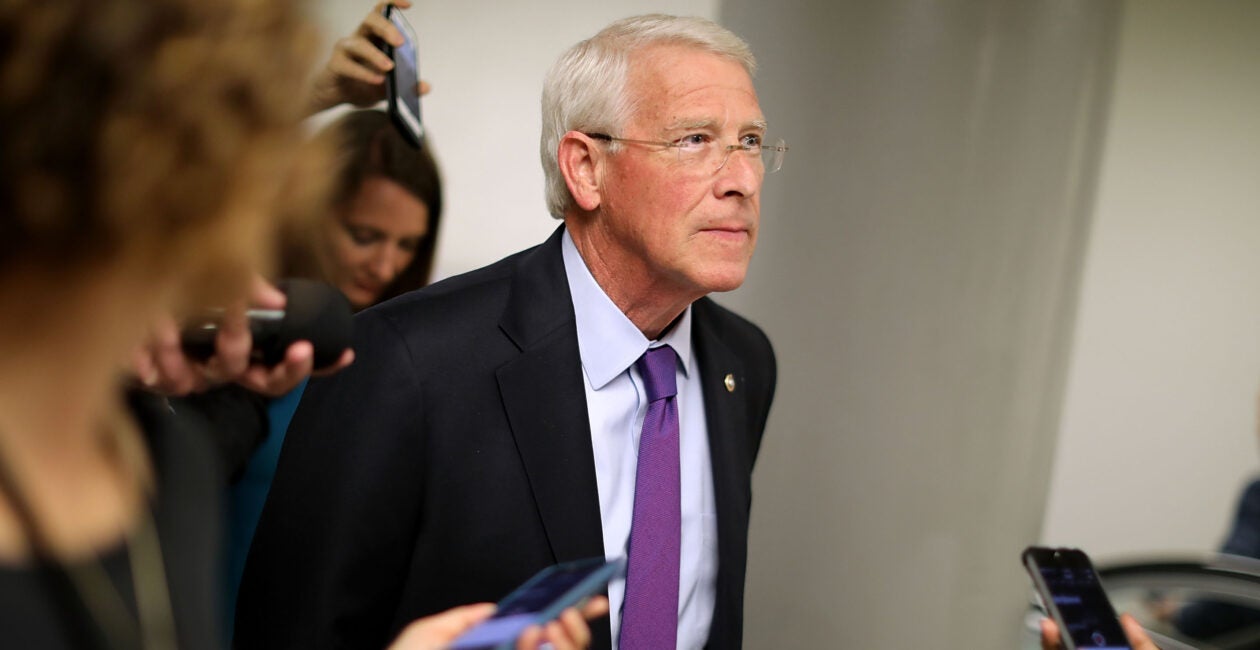
Sen. Roger Wicker, R-Miss., seen here talking with reporters at the Capitol on May 16, 2017, will be the keynote speaker at a webinar, “Ending Interpol Abuse: How the Democratic World Can Fight Transnational Repression,” hosted by The Heritage Foundation on Tuesday. (Photo: Chip Somodevilla/Getty Images)

COMMENTARY BY

Ted Bromund@Bromund

Ted R. Bromund, Ph.D., is the Margaret Thatcher senior research fellow at The Heritage Foundation. Read his research.

Over the past few years, awareness has spread about the problem of Interpol abuse.

Interpol isn’t an international police agency, even though Hollywood likes to depict it as such. It’s actually more like an electronic bulletin board on which police agencies around the world can post their “wanted” notices.

Tiếp tục đọc “What Americans Should Know About Interpol Abuse”

Cuộc chiến giành đất thổi bùng xung đột Israel – Palestine

VNEXpress

Giao tranh Israel – Hamas nổ ra sau những tranh cãi về cuộc chiến pháp lý nhiều năm nhằm đẩy 7 gia đình Palestine khỏi khu đất ở Đông Jerusalem.

Hôm 10/5, đụng độ nghiêm trọng xảy ra tại nhà thờ Hồi giáo Al Aqsa, một trong những địa điểm linh thiêng nhất ở Jerusalem, khi cảnh sát Israel bắn hơi cay và lựu đạn choáng vào đám đông biểu tình người Palestine. Đụng độ tại đây và nhiều khu vực khác thuộc Jerusalem đã khiến hàng trăm người Palestine và nhiều sĩ quan Israel bị thương.

Phong trào Hamas tại Dải Gaza của Palestine tối hôm đó quyết định can thiệp bằng cách phóng hàng loạt rocket về phía lãnh thổ Israel. Không quân Israel tung đòn không kích đáp trả, châm ngòi cho loạt động thái “ăn miếng trả miếng” giữa hai bên.

Tiếp tục đọc “Cuộc chiến giành đất thổi bùng xung đột Israel – Palestine”

Global Trend 2040

Read and download report > >

FOREWORD

Welcome to the 7th edition of the National Intelligence Council’s Global Trends report. Published every four years since 1997, Global Trends assesses the key trends and uncertainties that will shape the strategic environment for the United States during the next two decades.

Global Trends is designed to provide an analytic framework for policymakers early in each administration as they craft national security strategy and navigate an uncertain future. The goal is not to offer a specific prediction of the world in 2040; instead, our intent is to help policymakers and citizens see what may lie beyond the horizon and prepare for an array of possible futures.

Each edition of Global Trends is a unique undertaking, as its authors on the National Intelligence Council develop a methodology and formulate the analysis. This process involved numerous steps: examining and evaluating previous editions of Global Trends for lessons learned; research and discovery involving widespread consultations, data collection, and commissioned research; synthesizing, outlining, and drafting; and soliciting internal and external feedback to revise and sharpen the analysis.

A central component of the project has been our conversations with the world outside our security gates. We benefited greatly from ongoing conversations with esteemed academics and researchers across a range of disciplines, anchoring our study in the latest theories and data. We also broadened our contacts to hear diverse perspectives, ranging from high school students in Washington DC, to civil society organizations in Africa, to business leaders in Asia, to foresight practitioners in Europe and Asia, to environmental groups in South America. These discussions offered us new ideas and expertise, challenged our assumptions, and helped us to identify and understand our biases and blind spots.

One of the key challenges with a project of this breadth and magnitude is how to organize all the analysis into a story that is coherent, integrated, and forward looking. We constructed this report around two central organizing principles: identifying and assessing broad forces that are shaping the future strategic environment, and then exploring how populations and leaders will act on and respond to the forces.

Based on those organizing principles, we built the analysis in three general sections. First, we explore structural forces in four core areas: demographics, environment, economics, and technology. We selected these areas because they are foundational in shaping future dynamics and relatively universal in scope, and because we can offer projections with a
reasonable degree of confidence based on available data and evidence. The second section examines how these structural forces interact and intersect with other factors to affect emerging dynamics at three levels of analysis: individuals and society, states, and the international system. The analysis in this section involves a higher degree of uncertainty because of the variability of human choices that will be made in the future. We focus on identifying and describing the key emerging dynamics at each level, including what is driving them and how they might evolve over time. Finally, the third section identifies several key uncertainties and uses these to create five future scenarios for the world in 2040. These scenarios are not intended to be predictions but to widen the aperture as to the possibilities, exploring various combinations of how the structural forces, emerging dynamics, and key uncertainties could play out.
When exploring the long-term future, another challenge is choosing which issues to cover and emphasize, and which ones to leave out. We focused on global, long-term trends and dynamics that are likely to shape communities, states, and the international system for decades and to present them in a broader context. Accordingly, there is less on other nearterm issues and crises.

We offer this analysis with humility, knowing that invariably the future will unfold in ways that we have not foreseen. Although Global Trends is necessarily more speculative than most intelligence assessments, we rely on the fundamentals of our analytic tradecraft: we construct arguments that are grounded in data and appropriately caveated; we show our work and explain what we know and do not know; we consider alternative hypotheses and how we could be wrong; and we do not advocate policy positions or preferences. Global Trends reflects the National Intelligence Council’s perspective on these future trends; it does not represent the official, coordinated view of the US Intelligence Community nor US policy.

We are proud to publish this report publicly for audiences around the world to read and consider. We hope that it serves as a useful resource and provokes a conversation about our collective future.

Finally, a note of gratitude to colleagues on the National Intelligence Council and the wider Intelligence Community who joined in this journey to understand our world, explore the future, and draft this report.

The Strategic Futures Group
National Intelligence Council
March 2021