
This is a declassified video of the largest-ever hydrogen bomb blast. The bomb called Tsar Bomb or Tsar Bomba was equivalent to 50 million tonnes of TNT. The “Little Boy” Hiroshima bomb equaled 15 kilotonnes of TNT.
Tác giả: Đào Thu Hằng
I'm from Hanoi, Viet Nam.
I'm an author of Dot Chuoi Non (dotchuoinon.com/author/hangbelu/), a blog on Positive thinking, founded by Dr. Tran Dinh Hoanh, an attorney in Washington DC.
I'm a co-founder of Conversations on Vietnam Development - cvdvn.net, a virtual think tank. I am a co-founder of two companies in Viet Nam working on children education services. I advise companies on STEAM education, English language education for children and students in Vietnam.
I'm studying the Buddha's teaching and the teaching of Jesus. I practice mindful living including meditation.
I hold a PhD on Sustainable Energy Systems from University of Lisbon and Aalto University.
I graduated from Hanoi University of Technology on Environmental Engineering. I obtained a Master degree of the same major from Stanford University and Nanyang Technological University.
My English-language blog at: hangbelu.wordpress/.
I play table tennis as a hobby.
Việt Nam củng cố vai trò lãnh đạo trong năng lượng tái tạo – liệu đã đủ?
| thesaigontimes.vn |
| Evan Scandling (1) – Đào Thu Hằng (2) – Alex Perera (3) |
| Chủ Nhật, 18/4/2021, 08:57 |
(KTSG) – Điện mặt trời hiện chiếm hơn 4% tổng sản lượng điện cả nước và dự kiến sẽ góp trên 9% tổng sản lượng năm 2021. Với nhiều GW điện mặt trời và điện gió được bổ sung thêm, Việt Nam đang nhanh chóng trở thành nước đi đầu tại Đông Nam Á về năng lượng sạch. Điện mặt trời áp mái phần lớn đến từ doanh nghiệp thương mại và công nghiệp. Ảnh: H.P Hệ thống năng lượng của Việt Nam đang thay đổi đáng kể trong hai năm qua, nhờ hàng tỉ đô la Mỹ từ nhà đầu tư tư nhân. Tăng từ 20 MW điện mặt trời đầu năm 2019 đến gần 20.000 MW – là một con số chưa từng có. Tất nhiên, mở rộng quy mô nhanh là cần thiết để Việt Nam đạt được mục tiêu quốc gia về biến đổi khí hậu – theo Thỏa thuận Paris, giảm thải 27% lượng khí nhà kính vào năm 2030. Thành tựu về năng lượng sạch của Việt Nam đem đến nhiều lợi ích gồm tăng khả năng cạnh tranh toàn cầu, là điểm đến cho đầu tư nước ngoài. Nhiều chuyên gia tin rằng các hành động bảo vệ khí hậu trong thập kỷ này có vai trò thiết yếu để thúc đẩy vị thế chính trị và kinh tế của quốc gia. Theo đó, Việt Nam nên mừng cho thành công gần đây, nhưng cũng nên thấy rằng còn nhiều điều cần làm nếu muốn cải thiện hơn nữa sức hấp dẫn trên bản đồ chính trị và kinh tế quốc tế – đặc biệt khi ngành năng lượng đang trải qua những thay đổi lớn. Liệu Việt Nam có nắm bắt được cơ hội khổng lồ này để không chỉ đáp ứng mục tiêu về khí hậu mà còn củng cố vị trí về chính trị và kinh tế trên toàn cầu? Lĩnh vực tư nhân đang thúc đẩy sự bùng nổ năng lượng sạch – và còn khao khát nhiều hơn nữa Lĩnh vực tư nhân đóng vai trò không thể thiếu trong bức tranh năng lượng sạch của Việt Nam. Đó là hàng trăm công ty đang đầu tư và phát triển các nhà máy năng lượng tái tạo – thậm chí đầu tư cho đường dây truyền tải và phân phối điện, cùng hàng ngàn doanh nghiệp đang mua điện tái tạo để tiêu thụ trực tiếp. Trong số hơn 9.300 MW điện mặt trời mái nhà năm 2020, ước tính 85% đến từ doanh nghiệp thương mại và công nghiệp. Điển hình, theo khảo sát hơn 100 công ty của Chương trình Thúc đẩy đầu tư năng lượng sạch (CEIA(*)), nhu cầu dùng điện sạch của doanh nghiệp lên tới hơn 1.000 MW và họ đang chờ đợi chương trình thí điểm DPPA – Thỏa thuận mua bán điện trực tiếp được ban hành. Bởi DPPA cho phép các giao dịch mua bán điện mặt trời và điện gió diễn ra trực tiếp giữa bên phát điện với bên dùng điện công nghiệp. Nhiều công ty cam kết hành động vì khí hậu đang thực hiện nhanh và mạnh hơn bao giờ hết, đồng thúc đẩy bởi nhu cầu của người tiêu dùng và các quỹ tuyên bố sẽ không đầu tư nếu như công ty không có hành động thuyết phục để bảo vệ chính mình và thế giới khỏi các rủi ro khí hậu. Đó là hơn 1.000 công ty toàn cầu đang đặt ra các mục tiêu giảm phát thải thông qua sáng kiến Mục tiêu khoa học (SBTi), và một ví dụ khác là toàn bộ các ngành thống nhất về mục tiêu giảm carbon trong Hiến chương Liên hiệp quốc Hành động vì khí hậu trong ngành công nghiệp thời trang. Các công ty có chuỗi cung ứng sâu và rộng ở Việt Nam, như Nike, Walmart, H&M, Apple và IKEA, yêu cầu các nhà sản xuất chuỗi cung ứng của họ có hành động giảm carbon từ quá trình vận hành. Có thể thấy, các công ty toàn cầu lớn nhất từ nhiều lĩnh vực đang đưa yếu tố giảm phát thải và hành động vì khí hậu vào các quyết định lập kế hoạch và đầu tư. Nếu một quốc gia do dự trong việc giảm carbon trong lưới điện hoặc không quan tâm đến việc mở ra các lựa chọn mua bán năng lượng sạch cho người dùng năng lượng, thì có khả năng cao các công ty lớn sẽ xem xét dịch chuyển hoạt động hoặc chuỗi cung ứng của họ sang một quốc gia khác có nhiều nỗ lực hơn. Thực tế, một nhóm gồm 29 thương hiệu thời trang và nhà sản xuất gần đây đã gửi thư tới nguyên Thủ tướng Nguyễn Xuân Phúc, nhấn mạnh những lợi ích cạnh tranh của các chính sách hỗ trợ năng lượng sạch và thúc giục triển khai thí điểm DPPA, một chương trình vốn được mong đợi từ lâu bởi các công ty muốn mua điện sạch với số lượng lớn.“Việc thực thi chương trình thí điểm DPPA sẽ cho phép ngành công nghiệp ở Việt Nam đạt được mục tiêu 100% năng lượng tái tạo trước các nước khác trong khu vực nhiều năm, giúp Việt Nam có lợi thế cạnh tranh mạnh mẽ khi các công ty đưa ra quyết định về nguồn cung cấp sản phẩm”, nhóm đề nghị. Nhu cầu về điện sạch là rất lớn và cần được đưa vào quy hoạch phát triển điện lực quốc gia nếu Chính phủ muốn đặt mục tiêu cho Việt Nam trở thành một trung tâm lớn của nhiều ngành công nghiệp.Thêm lựa chọn, cạnh tranh về chi phí và hợp tácMay mắn thay, Việt Nam không phải là nơi đầu tiên đối mặt với thách thức cải thiện cấu trúc thị trường điện để giải quyết nhu cầu năng lượng sạch. Các nguyên tắc và hướng tiếp cận chính đã được thực hiện hiệu quả tại nhiều thị trường mà Chính phủ và các bên liên quan tại Việt Nam có thể dựa vào để xây dựng, với ba trụ cột chính: thêm lựa chọn (cho người tiêu dùng điện), cạnh tranh về chi phí, và hợp tác. Lựa chọn Giống như người tiêu dùng của mọi sản phẩm, người mua điện tìm kiếm cho mình nhiều lựa chọn mua bán. Ví dụ, điện mặt trời mái nhà phù hợp với nhiều doanh nghiệp. Thỏa thuận mua bán điện (PPA), hay chương trình DPPA sắp tới là cần thiết cho các công ty trong nhiều lĩnh vực đang tìm kiếm năng lượng sạch.Chính phủ Việt Nam có thể hỗ trợ cải thiện các lựa chọn của người tiêu dùng điện bằng việc đảm bảo các chính sách và cơ chế chính sách như PPA, DPPA trở nên thường trực và là nền tảng lâu dài trong quy hoạch phát triển điện quốc gia. Hơn nữa, khi thị trường điện bán lẻ cạnh tranh sắp được khởi động, các lựa chọn cho năng lượng sạch cần được ưu tiên bởi tập đoàn Điện lực Việt Nam (EVN) và các cơ quan quản lý của Bộ Công Thương. Cạnh tranh về chi phí Rõ ràng năng lượng tái tạo ngày càng rẻ hơn so với các nguồn điện truyền thống và thị trường điện Việt Nam cần tạo ra một sân chơi bình đẳng cho nguồn điện mới. Điều tích cực là các bước quan trọng đang được thực hiện theo hướng này tại Việt Nam, như cơ chế đấu giá được lên kế hoạch cho năm 2021 và thí điểm DPPA sẽ cho phép người mua điện trong công nghiệp đàm phán trực tiếp với nhà máy phát điện. Điều này cũng sẽ cung cấp cho nhà sản xuất điện và người tiêu dùng nhìn thấy rõ ràng hơn các chi phí như sản xuất và truyền tải điện. Hợp tác Để đáp ứng nhu cầu tiêu thụ điện ngày càng tăng, dự kiến hơn 8% mỗi năm trong thập kỷ tới, Việt Nam cần khoảng 130 tỉ đô la Mỹ đầu tư vào cơ sở hạ tầng ngành điện. Việt Nam đã đưa ra nhiều tín hiệu tích cực, gồm Luật Đầu tư theo phương thức đối tác công tư, trong đó cho phép tư nhân đầu tư vào cơ sở hạ tầng điện, sẽ rất cần thiết cho nhu cầu này.Tuy nhiên, Việt Nam khó có thể bắt kịp với nhu cầu đó nếu thiếu sự hợp tác chặt chẽ giữa Nhà nước và tư nhân. Điều này đúng đối với các nhà đầu tư và phát triển cơ sở hạ tầng năng lượng và cả người tiêu dùng, đặc biệt là các công ty tiêu thụ điện lớn tại Việt Nam, các đơn vị có mục tiêu giảm phát thải khí nhà kính và có khả năng chi trả cho năng lượng sạch.Khi người tiêu dùng điện có thêm nhiều cơ hội lựa chọn năng lượng sạch với các tiếp cận thuận tiện, giá hợp lý – và Chính phủ tạo ra một môi trường thị trường minh bạch, cạnh tranh – Việt Nam sẽ đến lúc giữ vị trí dẫn đầu về năng lượng sạch và hành động vì khí hậu trong khu vực, đồng thời củng cố vị thế ảnh hưởng của quốc gia trong nhiều năm tới. Tác giả (1 ) Evan Scandling là Giám đốc của Allotrope Partners và là đồng lãnh đạo Chương trình thúc đẩy đầu tư năng lượng sạch Việt Nam (CEIA Việt Nam). (2) Tiến sĩ Đào Thu Hằng là chuyên gia năng lượng bền vững của Viện Tài nguyên thế giới và đồng lãnh đạo CEIA Việt Nam. (3) Alex Perera là Phó giám đốc Chương trình Năng lượng toàn cầu của Viện Tài Nguyên thế giới và là đồng lãnh đạo CEIA toàn cầu.(*) Chương trình Thúc đẩy đầu tư năng lượng sạch (CEIA) là một sáng kiến đa quốc gia kéo dài nhiều năm do Phòng thí nghiệm Năng lượng tái tạo quốc gia Mỹ (NREL), Viện Tài nguyên thế giới (WRI), và Allotrope Partners đồng sáng lập và thực hiện, hoạt động thông qua hợp tác công – tư thúc đẩy các giải pháp năng lượng sạch tại các thị trường mới nổi trên thế giới. |
Drinking coffee in the US? Worry about forests in Vietnam, study warns
The US’s thirst for coffee drives forest loss in central Vietnam, while Germany’s craving for cocoa is doing the same in West Africa, a landmark study that tracks the drivers of deforestation across borders found.

Mongabay.comApril 5, 2021
- Consumption patterns, especially in wealthier countries, are eating away at forests in some of the world’s most biodiverse regions. In the US, the thirst for coffee drives forest loss in central Vietnam, a landmark study that tracks the drivers of deforestation across borders found.
Germany’s demand for cocoa is linked to forest loss in Côte d’Ivoire and Ghana, while Japan’s demand for agricultural products like cotton fuels deforestation in coastal Tanzania.
Tiếp tục đọc “Drinking coffee in the US? Worry about forests in Vietnam, study warns”
Nike, H&M, Burberry face backlash and boycotts in China over stance on Uyghur treatment
The fallout comes after corporate statements about concerns over forced labor in the Xinjiang region resurfaced on Chinese social media following fresh Western sanctions.
March 25, 2021, 9:11 PM +07 / Updated March 26, 2021, 6:04 PM +07By Adela Suliman
Western fashion brands including Nike and H&M were facing growing calls for boycotts in China as Beijing pushed back with increasing ferocity against allegations of human rights abuses toward the country’s Uyghur Muslim minority.
The United States announced in January that it would halt all imports of cotton from China’s Xinjiang region — a leading global supplier of the material — over forced labor concerns, while major retailers previously issued statements expressing their concerns.
In the wake of fresh Western sanctions earlier this week against officials responsible for the region in the country’s northwest, those corporate statements resurfaced on Chinese social media and were met with fury.

Biden promises to ‘hold China accountable to follow the rules’
State-controlled media and online users criticized the two brands, with German sportswear giant Adidas and American brand Tommy Hilfiger also among those coming under fire.
“For enterprises that touch the bottom line of our country, the response is very clear: don’t buy!” China Central Television said on its social media account.
Many users also joined the calls for a boycott, urging local retailers to carry domestic stock instead.
The hashtag #ISupportXJCotton — created by the state-owned People’s Daily — generated more than 3 million ‘likes’ as of Friday on the Chinese social media platform Weibo.
The fallout continued offline too, with Chinese celebrities quick to disassociate themselves from the brands and tear up endorsement deals.
Popular actor Wang Yibo terminated his contract with Nike, his agency said in a statement posted on Weibo on Thursday.
And luxury fashion brand Burberry saw its iconic plaid design removed from the clothing worn by characters in the popular video game “Honor of Kings,” according to a post on the game’s official Weibo account.
One Hong Kong lawmaker said she would no longer buy Burberry products.https://platform.twitter.com/embed/Tweet.html?creatorScreenName=NBCNews&dnt=false&embedId=twitter-widget-0&frame=false&hideCard=false&hideThread=false&id=1375364238907072512&lang=en&origin=https%3A%2F%2Fwww.nbcnews.com%2Fnews%2Fworld%2Fnike-h-m-face-backlash-china-over-xinjiang-cotton-concerns-n1262019&siteScreenName=NBCNews&theme=light&widgetsVersion=e1ffbdb%3A1614796141937&width=550px
I will stop buying or using Burberry products until Burberry has retracted or apologized for its unfounded allegations against Xinjiang. pic.twitter.com/Mus4FXeVXm— Regina Ip Lau Suk Yee (@ReginaIplau) March 26, 2021
Download the NBC News app for breaking news and politics
The backlash appeared to begin when the Communist Party’s Youth League on Wednesday called attention to a statement initially issued by the Swedish company H&M last year.
It also prompted users to look for previously issued statements by other foreign retailers on Xinjiang.
The original statement from the H&M Group said it was “deeply concerned by reports from civil society organizations and media that include accusations of forced labor and discrimination of ethnoreligious minorities in Xinjiang.”
The company said Thursday that “At this point we have nothing further to share” and directed NBC News to the statement.
The Nike statement is undated and reads: “We are concerned about reports of forced labor in, and connected to, the Xinjiang Uyghur Autonomous Region. Nike does not source products from the XUAR and we have confirmed with our contract suppliers that they are not using textiles or spun yarn from the region.”
Nike did not immediately respond to requests for comment from NBC News.
However, in a statement posted on its official Weibo page on Wednesday, H&M China said the global company had always managed its supply chain in an “open and transparent manner,” and did not “represent any political position.”
“The H&M Group continues to respect the Chinese consumer. We are committed to long-term investment and development in China,” it said.
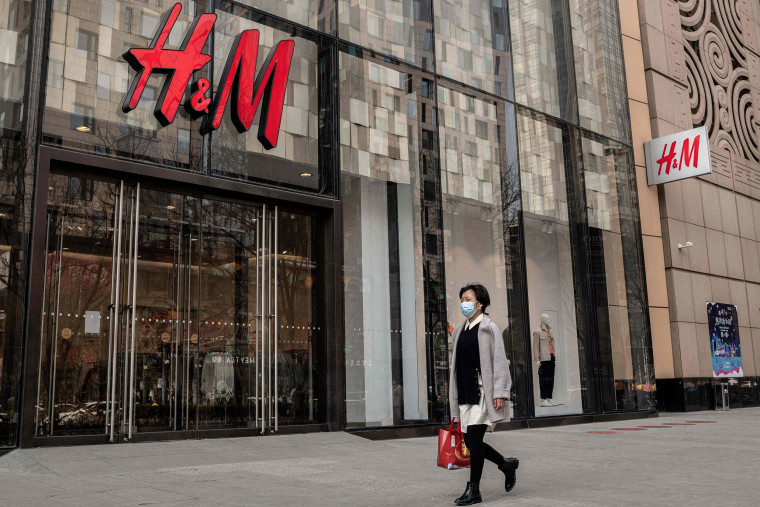
As the world’s second largest economy and home to 1.4 billion people, Chinese purchasing power is strong.
“This is not actually the first time this kind of nationalistic backlash against a foreign firm has happened,” said Xin Sun, a lecturer in Chinese and East Asian Business at the Lau China Institute at King’s College London.
Chinese consumers have previously launched powerful boycotts of goods from Japan, South Korea and the U.S. in the last decade, he said, often with the “unofficial and implicit” backing of the ruling Communist Party.
But with the Uyghur issue an increasing flashpoint andtensions between Washington and Beijing showing no signs of abating, Sun said it was getting trickier for Western brands to operate in both markets.
“They try to respond to the increasing scrutiny from Western customers and people about their supply chains,” he told NBC News.
“They’re walking a very fine line between the Western market and of course the Chinese market is very big for them but you see the political pressure from all directions.”
The latest backlash comes shortly after sanctions were issued against Chinese officials on Monday by the United States, European Union, Britain and Canada.
Beijing retaliated with sanctions of its own, including a new round targeting British lawmakers and others on Friday, but has also been escalating public efforts to counter accusations of wrongdoing in Xinjiang.
Related
Facebook says Chinese hackers used platform to hack Uyghurs abroad
A spokesman for China’s Ministry of Commerce, Gao Feng, said on Thursday the accusations of forced labor in Xinjiang were “completely untrue,” urging foreign companies to “correct their wrongdoings, and prevent business activities from becoming political issues.”
Foreign Ministry Spokesperson Hua Chunying told a news conference on Thursday that the “strong reaction from Chinese netizens” spoke for themselves and that Chinese people had a right to express their feelings and “oppose malicious attacks on China based on rumors and lies.”
She also held up photos at the daily media briefing of Black people picking cotton in the U.S., contrasting them with a second photograph of people smiling in cotton fields in Xinjiang.
More than 1 million Uyghur Muslims are believed to be held in internment camps in the region where they are forced to study Marxism, renounce their religion, work in factories and face abuse, according to human rights groups and first-hand accounts from Uyghurs.
Beijing refers to the centers as “re-education camps” and says they provide vocational training and are necessary to fight extremism.
The U.S. has labeled China’s practices in the area “genocide,” which Beijing rejects.
Độc quyền trong ngành điện và năng lượng: Giải pháp đề xuất
Bài viết được trích một phần từ bài báo Phát triển ngành Năng Lượng Việt Nam: Góc nhìn chiến lược
Vấn đề độc quyền
Nghị quyết số 55-NQ/TW của Bộ Chính trị về định hướng chiến lược phát triển năng lượng quốc gia của Việt Nam đến năm 2030, tầm nhìn đến năm 2045 (ngày 11/02/2020) khẳng định rằng: Phát triển năng lượng quốc gia phải phù hợp với thể chế kinh tế thị trường định hướng xã hội chủ nghĩa, xu thế hội nhập quốc tế; nhanh chóng xây dựng thị trường năng lượng đồng bộ, cạnh tranh, minh bạch, đa dạng hoá hình thức sở hữu và phương thức kinh doanh; áp dụng giá thị trường đối với mọi loại hình năng lượng. Khuyến khích và tạo mọi điều kiện thuận lợi để các thành phần kinh tế, đặc biệt là kinh tế tư nhân tham gia phát triển năng lượng; kiên quyết loại bỏ mọi biểu hiện bao cấp, độc quyền, cạnh tranh không bình đẳng, thiếu minh bạch trong ngành năng lượng. [153]
Bộ Chính trị ra quy định như vậy vì đặc điểm nổi trội nhất của cơ chế năng lượng tại Việt Nam là Nhà nước giữ độc quyền trong (1) hoạt động truyền tải, (2) điều tiết hệ thống điện quốc gia, (3) xây dựng và vận hành các nhà máy điện lớn [154]. Điều khoản độc quyền này có lẽ là rào cản lớn nhất cho việc cải tiến ngành năng lượng của Việt Nam.
Tiếp tục đọc “Độc quyền trong ngành điện và năng lượng: Giải pháp đề xuất”Tọa đàm “Gỡ nút thắt đầu tư của ngành điện Việt Nam”
Thúc đẩy tự do hoá thị trường ngành Điện, bài học từ xoá bỏ độc quyền trong Ngành viễn thông
The Geopolitics of Critical Minerals Supply Chains
Download full report
As clean energy technology becomes the latest frontier for geoeconomic rivalry, the security of supply chains for rare earths and critical minerals—essential materials for clean energy—has become a global strategic issue.
The fragility of global supply chains revealed by Covid-19 and rising competition from China have only heightened the importance of supply chain security for critical minerals.
This report compares strategies and actions taken by the United States, European Union, and Japan, illuminating key economic, security, and geopolitical factors behind these evolving approaches to enhance the security of critical minerals supply chains.
This report was made possible by the generous support of the Japan External Trade Organization.
Historical Greenhouse gas (GHG) Emissions
Greenhouse gas (GHG) emissions which cause climate change have increased 50 fold since the mid-1800s. Energy makes up nearly three-quarters of global emissions, followed by agriculture. Breaking down the energy sector into its sub-sectors, electricity and heat generation make up the largest portion of emissions, followed by transportation and manufacturing. 64% of GHG emissions come from just 10 countries, while the 100 least-emitting contributed less than 3%.
From Zero to hero, the various case of Vietnam’s renewable energy
*On the boil newsletter co-founded by 2 girls with a dream to see Vietnam become a leader in the fight against climate change. The newsletter delivers the information in a digestible format,
- Global climate change and sustainability news?
- Updates on the environment and sustainability projects in Vietnam?
- Inspiring stories of climate leaders and their projects?
From Zero to hero, the various case of Vietnam’s renewable energy
In January, a humble “S-shaped” country in South East Asia became the talk of the town. Having been “chasing the sun”, Vietnam saw a boom in rooftop solar installations at the end of 2020. It beat all forecasts, even that of Bloomberg, who made an entire podcast episode featuring Vietnam’s race to green energy.
Before we get to the real meat of what happened, let us first take a step back to look at the whole relationship between energy and climate, and why moving to green energy matters.
- All living things on the planet contain carbon [insert Sir. David Attenborough‘s voiceover here]. When organisms died hundreds of millions of years ago, their remains got buried deep under layers of sediment and rock. Under high heat and pressure, they were slow-cooked into carbon-rich deposits we now call fossil fuels, i.e. coal, oil and natural gas.
- Fast forward to the 18th century. The Industrial Revolution unlocked the huge potential of fossil fuels as an abundant source of energy. Since then, fossil fuels have rapidly established themselves as the major source of power, supplying about 84% of global energy in 2019.
- Now back to Chemistry 101: when we burn fossil fuels for energy, the carbon atoms (C) that have been stored away for millennia meet with oxygen (O), releasing an enormous amount of CO2. Unsurprisingly, 81% of total CO2 emissions from 1959 to 2019 comes from burning oil, coal, and natural gas. This is bad news for our friend Earth, as CO2 is a long-lived greenhouse gas capable of trapping heat from sunlight, causing global warming.
- The answer is no…if 1) we move away from fossil fuels and into low-carbon, renewable energy (RE) and 2) we reduce energy consumption and increase energy efficiency. In this issue, we’ll zoom in on the first solution.
- From 1965 to 2019, the share of renewables (e.g. solar, wind, hydropower) in the energy mix almost doubled from 6% to 11%. This seems…puny compared to that of fossil fuels. On the bright side, the recent net-zero emission targets set by the world’s major economies as well as big corporates in an effort to slow climate change are expected to accelerate renewables’ growth.
- Vietnam is also encouraging a shift from fossil fuel to renewables, in order to meet its CO2 emission mitigation target.
Vietnam – from zero to hero on the renewables Tiếp tục đọc “From Zero to hero, the various case of Vietnam’s renewable energy”
6 Inventions You Wouldn’t Have Without Women


Two female computer programmers wire the right side of the Electronic Numerical Integrator and Computer, an early general-purpose electronic computer, with a new program.
PHOTOGRAPH BY SCIENCE HISTORY IMAGES, ALAMY
You can thank female inventors for these now-everyday things.
Coffee filters. Monopoly. Windshield wipers. Wireless tech. These very different inventions share one thing in common: they were created by women. Despite their significant contributions, many of these female inventors have gone unrecognized.
In honor of International Women’s Day, take a moment to appreciate these six inventions we wouldn’t have without women.
Coffee Filters
Thanks to Melitta Bentz from Germany, you don’t have to worry about grounds in your cup of joe. In 1908, Bentz was in search of a better coffee-drinking experience. She was annoyed with the beverage’s bitter taste and floating grounds, so she began experimenting with sheets of blotting paper.
After punching holes in the bottom of a brass cup and lining it with the paper, she found a solution and created the paper coffee filter. She received a patent for her invention and started her own coffee-filter company from a room in her apartment.
Monopoly
Elizabeth “Lizzie” Magie came up with the first version of the game, patenting it in 1904 as The Landlord’s Game. She wanted to use the game to teach the masses about economic inequality, so she sold the patent to Parker Brothers for $500.
Thirty years later, a man named Charles Darrow renamed and redesigned her concept as Monopoly. He sold it to the Parker Brothers in 1935, with no mention of The Landlord’s Game.
Magie finally received credit for the game’s invention in the 2015 book, The Monopolists: Obsession, Fury, and the Scandal Behind the World’s Favorite Board Game.
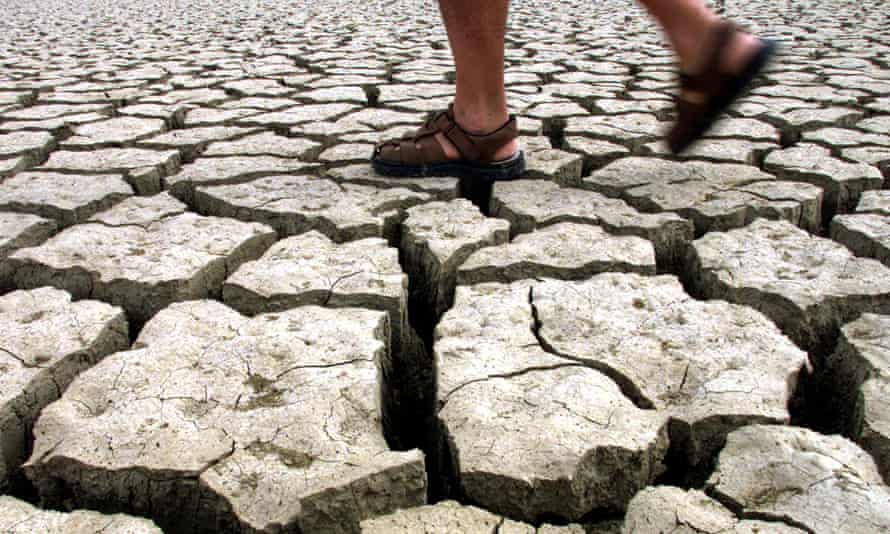
Summers could last for half the year by 2100
Heatwaves and wildfires will be more likely and winter will be squeezed to just 31 days
@katerav Sat 20 Mar 2021 06.00 GMT127
Our summers are already about 20% longer than they used to be, and if the climate crisis continues unabated then northern hemisphere summers could cover nearly half of the year by 2100, making them more than twice as long as they were in the 1950s. And unlike their counterparts of the 1950s, future summers will be more extreme, with heatwaves and wildfires more likely.
Researchers used historical climate data to measure how much the seasons have changed already. They defined summer as the onset of temperatures in the hottest 25% for that time period and winter as the onset of the coldest 25% of temperatures. Their results, published in Geophysical Research Letters, show that the average northern hemisphere summer has grown from 78 to 95 days between 1952 and 2011, while winter has shrunk from 76 to 73 days. Spring and autumn have contracted too.
How to get the most out of research when universities and industry team up
Australia has long been seen as failing to fully capitalise on its ground-breaking research. A consultation paper on university research commercialisation is the latest federal government effort to increase the impact of research. Its focus is on creating incentives for industry-university collaboration to translate and commercialise research.
Any government scheme resulting from these consultations might boost the number of such collaborations. Yet our research suggests many of these projects are unlikely to reach their full potential unless academics and their research partners working in industry strengthen their collaborative relationships.
Read more: Who cares about university research? The answer depends on its impacts Tiếp tục đọc “How to get the most out of research when universities and industry team up”
Reimagining tourism: How Vietnam can accelerate travel recovery
For most players in the travel industry, the idea of vacationers lounging on a beach thousands of miles from home or sailing the high seas seems like a distant memory. Globally, countries experienced a decline of 35 to 48 percent in tourism expenditures last year compared with 2019. Vietnam, with its ten-month international border closure, has not been exempted. Tiếp tục đọc “Reimagining tourism: How Vietnam can accelerate travel recovery”
Tiananmen Square in London? UK council seeks to rename streets near Chinese embassy’s new site
- The council of Tower Hamlets borough has backed a motion to rename streets nearby the area to ‘call out the CCP’s human rights violations’
- The move is the latest controversy to surround the site, where the Royal Mint was formerly located and where thousands of Bubonic Plague victims may be buried
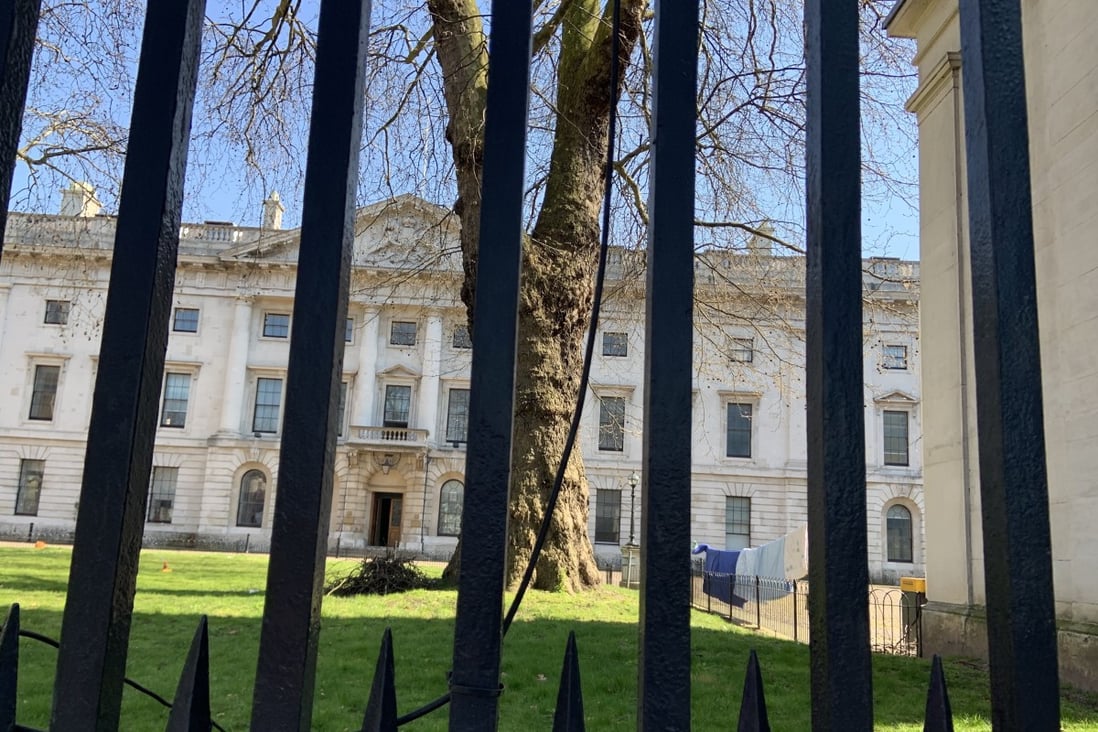
The grass courtyard in front of the former Royal Mint building in London. Photo: Hilary Clarke
China’s plans for a huge new embassy complex in the British capital faces more controversy, after the local authority in charge of approving the construction on the former Royal Mint site supported a motion to rename streets nearby to Tiananmen Square, Hong Kong Road, Uighur Court and Tibet Hill.
Councillor Rabina Khan, who seconded the motion on Wednesday evening, said she was delighted the Tower Hamlets London Borough Council was “making sure that we call out the Chinese Communist Party’s human rights violations against the Uygur Muslims, and also the fact we are standing for the people of Tibet and stand in solidarity with Hong Kong”.
The motion was approved on the condition the renaming process would not cost the council any money.
Scientists plan to drop the 14-day embryo rule, a key limit on stem cell research
As technology for manipulating embryonic life accelerates, researchers want to get rid of their biggest stop sign.
 In 2016, Magdalena Zernicka-Goetz grew human embryos in a lab dish for longer than anyone had before. Bathing the tiny spheres in a special broth inside an incubator, her team at the University of Cambridge watched the embryos develop, day after day, breaking all prior records. The embryos even attached to the dish as if it were a uterus, sprouting a few placental cells.
But on day 13, Zernicka-Goetz halted the experiment.
Zernicka-Goetz had hit up against an internationally recognized ethical limit called the “14-day rule.” Under this limit, scientists have agreed never to allow human embryos to develop beyond two weeks in their labs. That is the point at which a spherical embryo starts to form a body plan, deciding where its head will end up, and when cells begin taking on specialized missions.
For the last 40 years, the rule, which is law in some countries and a guideline in others, has served as an important stop sign for embryonic research. It has provided a clear signal to the public that scientists wouldn’t grow babies in labs. To researchers, it gave clarity about what research they could pursue.
Tiếp tục đọc “Scientists plan to drop the 14-day embryo rule, a key limit on stem cell research”
 CVD
CVD 