October 19, 2022—Recently, nutrition research has been linking both hunger and obesity to the same problem—diets high in sugar and refined starch. Experts from Harvard T.H. Chan School of Public Health commented in an October 5, 2022, Washington Post article about the growing consensus that the kind of food people eat is more important for healthy weight than the number of calories consumed.
“That puzzled me for many years—how could it be that people who were hungry or didn’t seem to have enough money to buy enough food could be more overweight or obese than people who had lots of resources,” said Walter Willett, professor of epidemiology and nutrition. “There are multiple lines that connect poverty, food insecurity, and obesity,” he said. “One of the most important connections is just simply poor food quality.”
A recent study led by David Ludwig, professor in the Department of Nutrition, and co-authored by Willett, explained a mechanism linking hunger and obesity: insulin. Foods like fries and sugary cereals cause insulin to spike, which causes people to feel hungrier and gain weight. The process is similar to the way that hormonal signals spur pregnant women and growing teenagers to eat more, Ludwig said. This phenomenon suggests that conventional wisdom around addressing weight issues should be upended, according to the authors.
“How long do you stick with a paradigm that’s based ultimately on eat less and move more, in one form or another, when it’s not working?” Ludwig said.
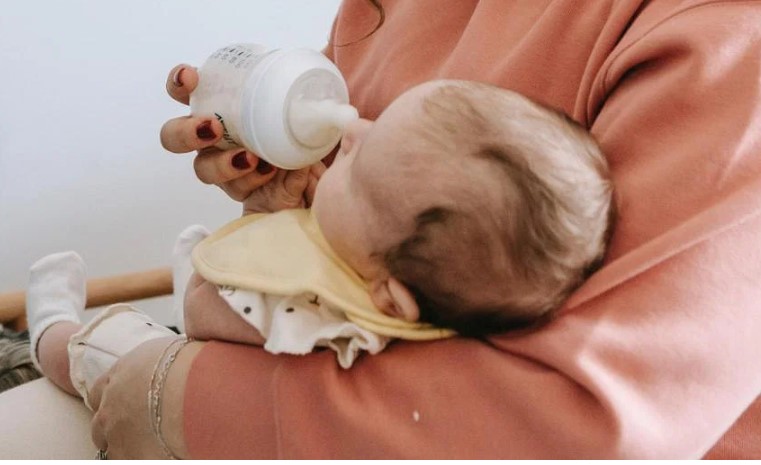
PNO – Các nhà nghiên cứu ở Anh cho biết hầu hết các tuyên bố về những lợi ích về sức khỏe đối với các sản phẩm sữa công thức đều có rất ít bằng chứng chứng minh. Đồng thời kêu gọi các chính phủ nên áp dụng các quy tắc tiếp thị chặt chẽ hơn trên toàn thế giới.
Theo một bài báo trên tạp chí y khoa BMJ hôm 16/2, phần lớn các thông tin về sức khỏe được sử dụng để quảng cáo sữa bột trẻ em trên toàn thế giới không được hỗ trợ bởi bằng chứng khoa học và yêu cầu các sản phẩm thay thế sữa mẹ nên được bán trong bao bì đơn giản.
Nghiên cứu được đưa ra một tuần sau khi một nhóm các bác sĩ và nhà khoa học kêu gọi siết chặt quy định đối với ngành công nghiệp sữa công thức trị giá 55 tỉ USD đối với hoạt động tiếp thị “săn mồi” mà họ cho rằng khai thác nỗi sợ hãi của những người mới làm cha mẹ.
Các công ty sữa công thức đang tiếp thị sản phẩm của họ vượt quá mức những dữ liệu khoa học có được
Nuôi con bằng sữa mẹ đã được công nhận mang lại nhiều lợi ích sức khỏe rất lớn cho trẻ sơ sinh. Tổ chức Y tế Thế giới (WHO) khuyến nghị nuôi con bằng sữa mẹ hoàn toàn trong 6 tháng đầu đời của trẻ. “Tuy nhiên, khuyến nghị đó được áp dụng cho chưa đến một nửa số trẻ sơ sinh trên toàn cầu”, theo báo cáo của WHO.
Tiến sĩ Daniel Munblit, giảng viên cao cấp tại Đại học Hoàng gia London, Anh và là tác giả của nghiên cứu mới, cho biết các nhà nghiên cứu không chống lại sữa công thức dành cho trẻ sơ sinh vì đây vẫn là một lựa chọn cho những bà mẹ không thể hoặc chọn không cho con bú. “Nhưng chúng tôi cực lực phản đối việc tiếp thị sữa công thức cho trẻ sơ sinh không phù hợp, vốn đưa ra những tuyên bố gây hiểu lầm mà thiếu bằng chứng khoa học”, tiến sĩ Munblit nói.
Tiến sĩ Munblit và một nhóm các nhà nghiên cứu quốc tế đã xem xét các tuyên bố về sức khỏe đối với 814 sản phẩm trên trang web của các công ty sữa bột trẻ em ở 15 quốc gia, bao gồm Úc, Canada, Đức, Ấn Độ, Ý, Nhật Bản, Nigeria, Na Uy, Pakistan, Nga, Ả Rập Saudi, Nam Phi, Tây Ban Nha, Vương quốc Anh và Hoa Kỳ.
“Tuyên bố phổ biến nhất của các công ty là sữa công thức hỗ trợ phát triển trí não, tăng cường hệ thống miễn dịch và giúp tăng trưởng chiều cao… Tuy nhiên, theo nghiên cứu được công bố trên tạp chí BMJ, một nửa số sản phẩm không có bằng chứng chứng minh lợi ích sức khỏe như đã tuyên bố. 3/4 không đề cập đến bằng chứng khoa học.
Trong số những công tuy cung cấp tài liệu tham khảo khoa học thì hơn một nửa chỉ ra các bài đánh giá, ý kiến hoặc nghiên cứu trên động vật.
Chỉ có 14% các sản phẩm đề cập đến các thử nghiệm lâm sàng đã đăng ký trên người. Tuy nhiên, 90% các thử nghiệm đó có nguy cơ sai lệch cao, bao gồm thiếu dữ liệu hoặc phát hiện không hỗ trợ cho tuyên bố. Và gần 90% các thử nghiệm lâm sàng là từ các tác giả nhận được tài trợ từ (hoặc có quan hệ với) ngành công nghiệp sữa công thức”, trích từ nghiên cứu cho biết.
Tiến sĩ Munblit cho biết, các thông tin được sử dụng để quảng cáo các sản phẩm sữa công thức đều xoáy vào cao cấp, điều này có thể gây nhầm lẫn cho các bậc cha mẹ vì tưởng rằng các thành phần này là thiết yếu. Thậm chí, những lời quảng cáo này còn gây đau khổ cho những bà mẹ nghèo vì họ cảm thấy có lỗi vì không đủ tiền mua sữa tốt nhất cho con. Theo ông, các chính phủ nên áp dụng quy tắc tiếp thị chặt chẽ hơn nhằm tránh quảng cáo quá lố và sữa nên được đóng trên bao bì đơn giản nhằm giảm áp lực giá cả lên các bà mẹ.
Parents and pregnant women globally are exposed to aggressive marketing for baby formula milk, according to a report launched jointly by two UN agencies on Tuesday.
How marketing of formula milk influences our decisions on infant feeding, the first report in a series by the World Health Organization (WHO) and the UN Children’s Fund (UNICEF), draws on interviews with parents, pregnant women, and health workers in eight countries.
More than half of those surveyed acknowledged that they had been targeted by formula milk companies.
Invasive marketing
UNICEF and WHO maintain that the $55 billion formula milk industry uses systematic and unethical marketing strategies to influence parents’ infant feeding decisions and exploitative practices that compromise child nutrition and violate international commitments.
“This report shows very clearly that formula milk marketing remains unacceptably pervasive, misleading and aggressive,” said WHO Director-General Tedros Adhanom Ghebreyesus, calling for regulations on exploitative marketing to be “urgently adopted and enforced to protect children’s health.”
The report found not only that industry marketing techniques include unregulated and invasive online targeting, but also sponsored advice networks and helplines; offered promotions and free gifts; and influenced health workers’ training and recommendations.
Barriers to breastfeeding
The report underlines that the industry often delivers misleading and scientifically unsubstantiated information to parents and health workers and also violates the International Code of Marketing of Breast-milk Substitutes – a landmark public health agreement to protect mothers from aggressive marketing by the baby food industry.
Having surveyed 8,500 parents and pregnant women, and 300 health workers globally, the report found that exposure to formula milk marketing reached 84 per cent of all women surveyed in the United Kingdom; 92 per cent in Viet Nam and 97 per cent in China – increasing their likelihood of choosing formula feeding.
“False and misleading messages about formula feeding are a substantial barrier to breastfeeding, which we know is best for babies and mothers,” said UNICEF Executive Director Catherine Russell.
the major drivers of food insecurity and malnutrition: conflict, climate extremes and economic shocks, combined with growing inequalities…..
despite progress in some regions, global trends in child undernutrition – including stunting and wasting, deficiencies in essential micronutrients, and overweight and obesity in children, continue to be of great concern.
The 2022 edition of The State of Food Security and Nutrition in the World (SOFI) highlights the intensification of the major drivers of food insecurity and malnutrition: conflict, climate extremes and economic shocks, combined with growing inequalities.
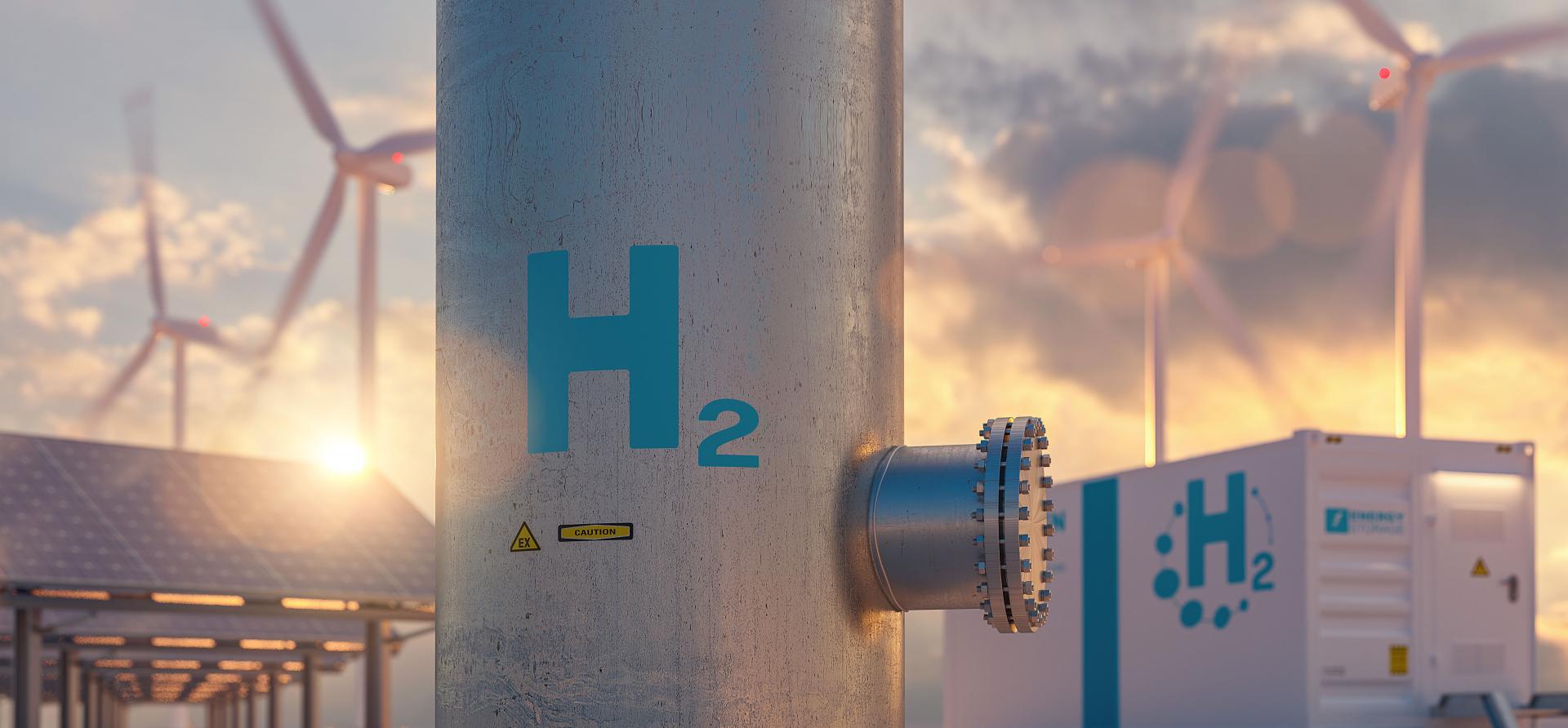
It’s a problem of timing. The U.S. Department of Energy (DOE) is about to make decisions on whether to fund methane-based hydrogen hubs, when it does not yet know whether such hubs will be clean enough to qualify—reliably and over the long term—for the grant of funding. Charging ahead without that knowledge is putting the cart before the horse.
The federal Bipartisan Infrastructure Act of 2021, Section 40314, authorizes the DOE to invest billions of dollars to commercialize technologies that strengthen U.S. energy independence and cut carbon emissions. The statute allocates $8 billion for building regional clean hydrogen hubs. These hubs are not experimental pilot projects (funding for which is established in another section of the law), but rather infrastructure development projects to establish jobs-generating, hydrogen-based industrial centers. The program is designed to encourage hydrogen production not only from electrolysis of water, but also from chemical processing of methane from natural gas—if the carbon emissions can be captured efficiently enough to qualify the project as “clean.”
Elevated gas prices and a future tight market means blue hydrogen is no longer a low-cost solution.
IEEFA estimates that blue hydrogen costs published by the UK government last year are now 36% higher, calling into question continued policy support for development of the technology.
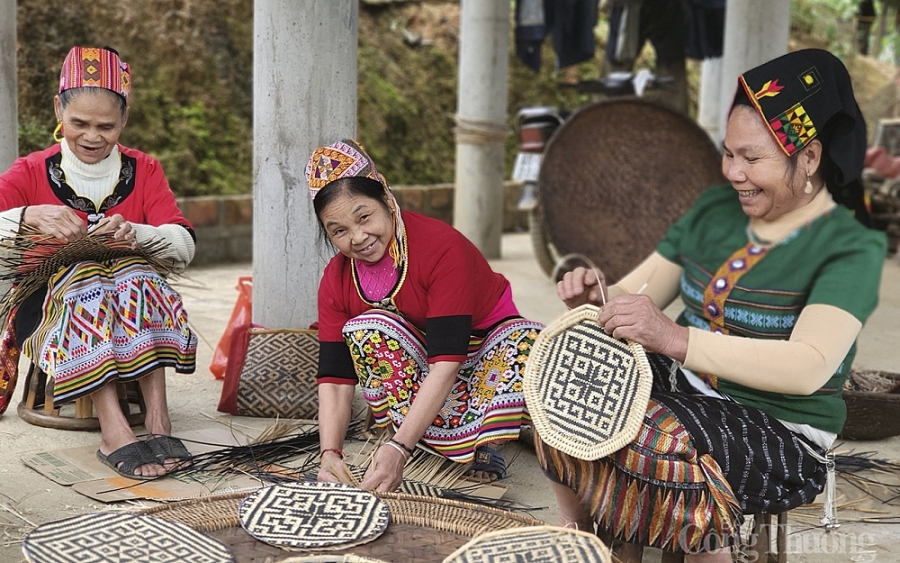
Có một thời nghề đan lát ở bản Diềm, xã Châu Khê, huyện Con Cuông (Nghệ An) đã suy tàn. Vậy mà hiện nay nghề truyền thống ấy đã hồi sinh, không chỉ giúp bà con bản Diềm có thêm thu nhập, mà những sản phẩm từ mây tre đan đã vượt ra khỏi “luỹ tre làng”, vươn ra xuất ngoại.
Mây tre đan ra nước ngoài
Bản Diềm xã Châu Khê, huyện Con Cuông (Nghệ An) nằm lọt thỏm giữa đại ngàn, khu vực biên giới Việt – Lào. Nơi đây có hơn 153 hộ đồng bào dân tộc Thái và người Đan Lai sinh sống. Theo lời người dân trong bản, tận dụng nguồn nguyên liệu từ rừng với các loại cây mây, tre, bà con bản Diềm đã tạo ra những vật dụng phục vụ cho cuộc sống thường ngày như rổ, rá, thúng, mủng…và mang bán khắp nơi. Tuy nhiên, có thời điểm làm ra không bán được, vì thế nhiều người trong bản đã phải đổi nghề để mưu sinh.
Bà Hoa (áo xanh) – được xem là người tiên phong đưa sản phẩm bản Diềm ra nước ngoài
Since the industrial revolution, fossil fuels have powered extraordinary growth and development, albeit with huge costs to our climate. As a direct result, we are today in a climate emergency.
To avert catastrophe, we must now radically switch to a sustainable, net-zero future. This transition needs to happen fast, but it also has to happen in a fair and inclusive way.
If done right, the transition offers immense opportunities: a systems change in which all communities, workers, and countries are lifted up.
Promisingly, momentum around “just transition” is gathering pace. We are seeing it emerge in the global dialogue around decarbonization and net zero. More countries are referencing it in their short and long-term climate plans. Partners are coming together, and coalitions are forming.
So what’s it all about?
What is “just transition”?
The concept of “just transition” has been around since the 1980s, when it was used in a movement by US trade unions to protect workers affected by new water and air pollution regulations.
In recent years, the concept has gained traction with reference to meeting climate goals by ensuring the whole of society – all communities, all workers, all social groups – are brought along in the pivot to a net-zero future.
Bang was my schoolmate back in middle school. After finishing ninth grade he dropped out though his results were the second best in the entire school.
At the time Uncle Sau, his father, said his family had plenty of farmlands, and so there was no need to study, and staying at home and farming was enough for him to live a healthy life.
At the age of 16 Bang just did as he was told by the adults. A few years later he became his family’s breadwinner. He was by himself taking care of two hectares of lands and growing three crops a year, and so there was never a shortage of food.
Then he got married, had children and built a family like all others in my hometown.
People in the Mekong Delta have a saying: “Barrels can be used to measure rice but no one uses barrels to measure letters,” meaning food and clothing are always top priority, but getting an education, while nice, is not an imperative.
Công tác xoá mù chữ được xác định là một trong những công tác quan trọng của ngành giáo dục. Tuy nhiên, tại vùng Đồng bằng sông Cửu Long, công tác xoá mù chữ vẫn còn nhiều hạn chế và số người mù chữ vẫn còn chiếm tỉ lệ cao.
Tỉ lệ mù chữ còn cao
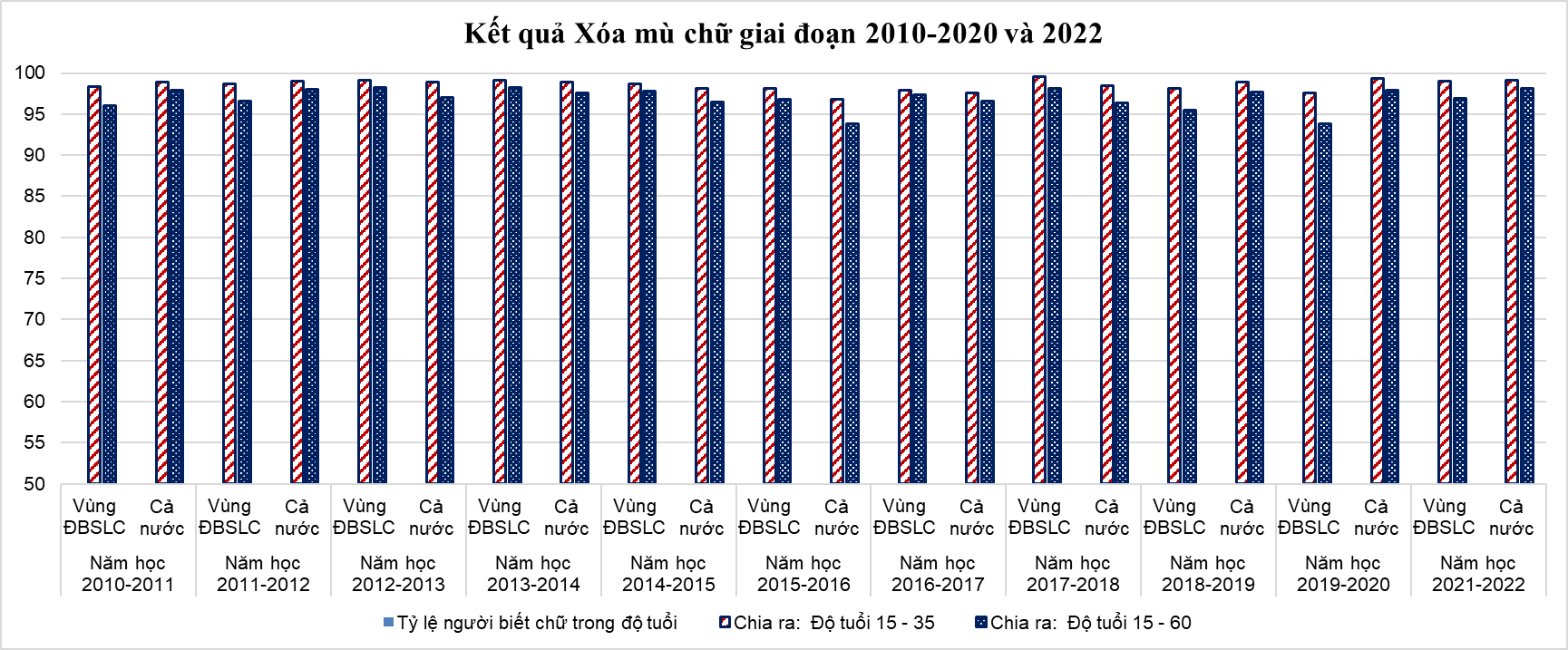
Theo đánh giá của Bộ Giáo dục và Đào tạo, nhìn chung trong cả giai đoạn 2010-2020, mặc dù đã có nhiều cố gắng, nhưng tỉ lệ biết chữ trong độ tuổi 15-60 của vùng Đồng bằng sông Cửu Long (ĐBSCL) vẫn thấp hơn so với tỉ lệ biết chữ trung bình của cả nước tại cùng thời điểm. Tỉ lệ người mù chữ của cả vùng cao hơn các vùng khác.
Kết quả Xoá mù chữ giai đoạn 2010-2020 và 2022 của vùng Đồng bằng sông Cửu Long và cả nước. Nguồn: Thống kê của Bộ Giáo dục và Đào tạo
Theo thống kê, số người mù chữ trong độ tuổi 15-60 của khu vực ĐBSCL còn khoảng hơn 441.000 người, chiếm 38,26% số người mù chữ của toàn quốc. Trong đó, Trà Vinh và Cà Mau là 2 tỉnh có tỉ lệ người mù chữ cao.
Đồng thời, tỉ lệ huy động người tham gia học xóa mù chữ và giáo dục tiếp tục sau biết chữ của khu vực chỉ đạt 0,46%, thấp hơn nhiều so với tỉ lệ huy động của toàn quốc là 2,34%.
Theo Tổng điều tra dân số năm 2019, tỉ lệ lao động qua đào tạo có trình độ từ sơ cấp trở lên của khu vực ĐBSCL là 13,6%, thấp hơn 10% so với toàn quốc và thấp nhất so với các khu vực khác. Còn theo báo cáo kinh tế thường niên năm 2022, tỉ lệ lao động đã qua đào tạo (14,9%) và tỉ trọng lực lượng lao động có trình độ đại học trở lên (6,8%) của vùng thấp nhất cả nước.
Nhìn chung, chất lượng nguồn nhân lực khu vực ĐBSCL chưa đáp ứng yêu cầu. Đây là rào cản trong phát triển kinh tế – xã hội của các địa phương trong vùng.
(Illustration by Hailey Haymond/The Washington Post; iStock)
Hosts on Venezuelan state-owned television station VTV have been touting positive news coverage about their country from “una agencia gringa” — an American news agency. “This information isn’t coming from VTV, it’s not coming from me … these are numbers from an American news outlet,” one host exclaimed while showing clips of English-speaking anchors reporting favorably on Venezuela hosting baseball’s Caribbean Series and the country’s tourism industry.
But the reporters in those videos aren’t real. Their names are Daren and Noah, and they’re computer-generated avatars crafted by Synthesia, a London-based artificial intelligence company.
Sự khác nhau về mức sống và cơ hội việc làm dẫn đến việc người dân từ ĐBSCL di cư lên các đô thị và khu công nghiệp ở TP.Hồ Chí Minh, Đông Nam Bộ.
Trong công bố báo cáo kinh tế thường niên năm 2022 về tình hình kinh tế ĐBSCL và những vấn đề quan trọng của vùng, ở phương diện xã hội, thách thức đầu tiên của ĐBSCL là thiếu việc làm ở nông thôn.
Tỉ lệ thiếu việc làm trong độ tuổi lao động của ĐBSCL năm 2020 là 3,47%, cao thứ 2 toàn quốc, chỉ sau Tây Nguyên; tỉ lệ thiếu việc làm ở khu vực nông thôn ĐBSCL cao gấp đôi so với khu vực thành thị (3,97% so với 1,87%).
The study’s main finding is that Taiwan’s fall would have devastating consequences for the United States and many countries in the region and beyond. Regardless of how it happens (without or despite US/allied intervention), Taiwan’s fall to the PRC would be earth shattering. The PRC could eclipse US power and influence in the region once and for all. Taiwan’s fall could lead to the advent of a Pax Sinica where Beijing and its allies would pursue their interests much more aggressively and with complete impunity. Nuclear proliferation in several parts of the Indo-Pacific could also be the net result of Taiwan’s fall, leading to much more dangerous regional and international security environments. To several authors, it would thus be necessary to build an Asian equivalent to the North Atlantic Treaty Organization to prevent PRC adventurism and ultimately retake Taiwan.
Accordingly, the United States, its allies, and others should take major action—rapidly—to prevent such a development. In particular, the United States should lead an effort to strengthen collective deterrence and defense in the Indo-Pacific; this is especially important in the aftermath of the Russian invasion of Ukraine, which has shown territory takeovers still happen in the twenty-first century. The United States should also give serious consideration to establishing region-wide nuclear sharing arrangements; at a minimum, it should jumpstart research to examine the benefits, costs, and risks that such arrangements would bring to the Indo-Pacific security architecture, as well as assess the opportunities and challenges that such a development would present.
(Dân trí) – Một cơ sở từ thiện bảo trợ trẻ mồ côi 20 năm hành trình xin cấp phép hoạt động không thành, cánh cửa đại học khó hé mở cho những đứa trẻ lớn lên tại đây. Một nhóm thanh niên ưu tú của Tây Nguyên lận đận đã 7-8 năm tìm kiếm sự “chính danh” để có thể lan tỏa cơ hội giáo dục cho lớp đàn em ở quê nhà…
Chuyện 2 nữ sinh cầu cứu trước cánh cửa đại học
Mái ấm truyền tin là một cơ sở từ thiện nuôi dưỡng trẻ em mồ côi, trẻ em dân tộc thiểu số điều kiện khó khăn, không nơi nương tựa đóng tại quận Bình Tân, TPHCM, đã hoạt động từ năm 1995 tới nay. Thực tế nhiều em đã được nuôi dưỡng, cho học hành tới trưởng thành từ ngôi nhà chung này, đi làm, lập gia đình… Trong hơn 20 năm hoạt động, mỗi năm mái ấm tiếp nhận, giúp đỡ trên dưới 20 trẻ nhỏ có hoàn cảnh éo le như vậy.
Mục tiêu của những người hoạt động thiện nguyện tại mái ấm là chăm lo để trẻ có thể hòa nhập cộng đồng, được đến trường học hành với môi trường giáo dục đảm bảo. Dù vậy, cơ sở từng gặp rất nhiều khó khăn để có được giấy phép hoạt động.
Năm 2016, một nữ sinh từ Mái ấm truyền tin đã viết tâm thư cầu cứu vì em không làm được chứng minh nhân dân để thi đại học (bàn đầu, bên phải).






 CVD
CVD 