Why did China help Saudi Arabia and Iran resume diplomatic ties?

Photo: Ministry of Foreign Affairs of the People's Republic of China

Critical Questions by Jon B. Alterman, CSIS

Published March 10, 2023

On Friday, March 10, Saudi Arabia and Iran announced their agreement to reestablish diplomatic relations based on talks held in Beijing. China has portrayed itself as the broker of the agreement, and China’s senior diplomat congratulated the two countries on their “wisdom.”

Q1: Why did the two countries reestablish relations now?

A1: The agreement seems to have been moved forward during President Ebrahim Raisi’s visit to Beijing last month. For months, Saudi Arabia has put pressure on Iran through its reported support for Iran International, a foreign-based Persian-language broadcaster critical of the regime that is received in Iran. Since President Raisi took office in August 2021, he announced it was a priority to reduce tensions with regional neighbors. Saudi Arabia and Iran have had a wide variety of differences throughout the region, often fought through proxies. They span from Lebanon to Syria to Iraq to Yemen. Iran has supplied weapons to Houthi forces in Yemen that have threatened Saudi populations both on the border and in interior areas. Saudi Arabia has been increasingly interested in finding a way to end the conflict in Yemen, and this agreement is likely to move that forward.

Tiếp tục đọc “Why did China help Saudi Arabia and Iran resume diplomatic ties?”

The United Nations declaration on the rights of peasants and other people working in rural areas

globalagriculture.org

The UNDROP Declaration (1) adopted by the General Assembly of the United Nations on December 17, 2018 reaffirms the UN Declarations on the right to development (2) , the rights of indigenous peoples (3) and the universality of all human rights. It recognises the special relationship and interaction among peasants and other groups working in rural areas and their contribution to conserving and improving biodiversity as well as their own and world-wide food security.

Article 1 of the Declaration defines peasants as any person who engages in small-scale agricultural production for subsistence and/or for the market, who relies significantly on family, household or other non-monetarized labour and who has a special dependency on the land.

It recognises that peasants and people working in rural areas, including youth and the ageing, are migrating to urban areas due to a lack of incentives and the drudgery of rural life, due to insecure land tenure, discrimination and the lack of access to productive resources, financial services and information. The Declaration is based on a concern that peasants and rural workers are burdened with environmental degradation and climate change and suffer disproportionately from poverty, hunger and malnutrition. This Declaration is an important contribution to the advancement of a paradigm for development where the agency of peasants, indigenous and forest peoples is at its foundation.

Tiếp tục đọc “The United Nations declaration on the rights of peasants and other people working in rural areas”

CFR Daily News Brief March 9, 2023

Image
Daily News BriefMarch 9, 2023
Top of the Agenda

The Netherlands Announces Chip Export Curbs After U.S. Urging

The Dutch government announced that it will impose export restrictions (FT) on “the most advanced” semiconductor technology, citing security concerns. While it did not name China in the announcement, the restrictions come after U.S. officials urged the Dutch and Japanese governments to limit chip exports to China over fears that the tech could be used to make weapons and commit human rights abuses. Washington announced its own curbs on chip exports in October.  

U.S.-China tensions over technology access came up as U.S. intelligence officials testified to Congress yesterday during an annual hearing on security threats. CIA Director William Burns called tech innovation (Reuters) “the main arena for competition” with China. Additionally, Director of National Intelligence Avril Haines said China will increasingly try to undercut U.S. influence (CNN), though it will likely try to prevent tensions from spiraling into conflict.
Tiếp tục đọc “CFR Daily News Brief March 9, 2023”

Mang cái chữ đến với phụ nữ vùng cao

PNVN – 29/10/2022 12:00 – Bích Nguyên

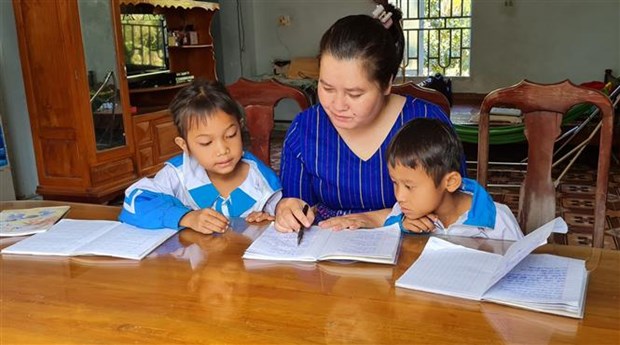
Hàng chục lớp học xóa mù chữ đã được tổ chức tại huyện Sốp Cộp, tỉnh Sơn La, mang lại cơ hội học tập, xóa nghèo thông tin, cung cấp kiến thức để phát triển kinh tế, nâng cao chất lượng sống cho những phụ nữ dân tộc thiểu số có hoàn cảnh khó khăn.

Đi học chữ vì quá khổ

Thời điểm này, lớp học xóa mù chữ ở bản Pu Hao, xã Mường Lạn, huyện Sốp Cộp, tỉnh Sơn La, do Đồn Biên phòng Mường Lạn tổ chức vẫn sáng đèn mỗi đêm. Tất cả học viên của lớp đều là phụ nữ Mông ở các độ tuổi khác nhau. Khuôn mặt mỗi người đều ánh lên niềm vui tươi, hứng khởi. Họ chăm chú  lắng nghe từng lời giảng của thầy giáo Biên phòng, dõi theo từng nét chữ của thầy giáo rồi chép lại vào vở.

Tiếp tục đọc “Mang cái chữ đến với phụ nữ vùng cao”

Người Mỹ không còn thích ăn cá tra Việt Nam?

Chí Nhân – 21/02/2023 07:54 GMT+7

TN – Mỹ, thị trường xuất khẩu cá tra lớn nhất của Việt Nam, liên tục sụt giảm trong thời gian gần đây và hiện đã rớt xuống hạng 3 sau Trung Quốc và EU.

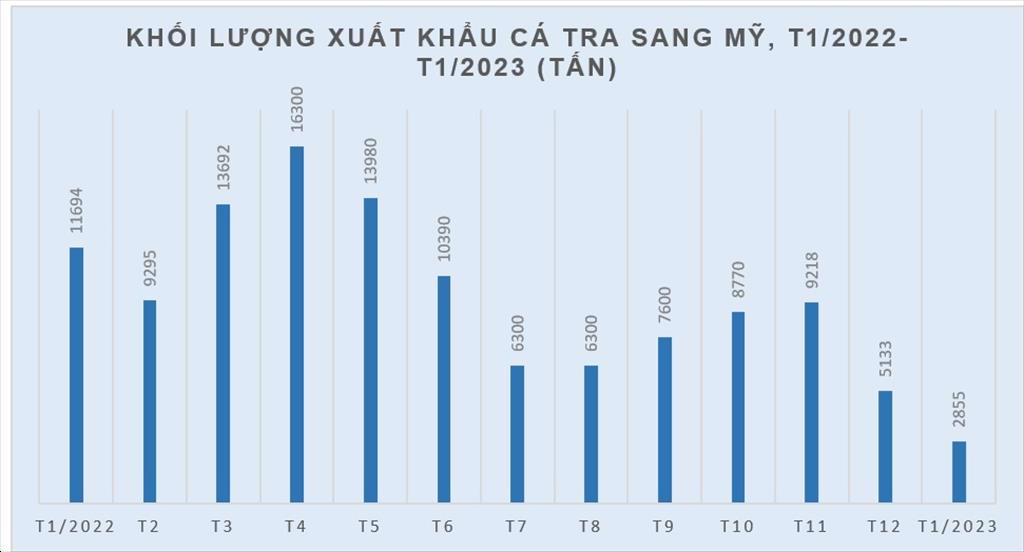
Hiệp hội Chế biến và xuất khẩu thủy sản Việt Nam (VASEP) cho biết: Tất cả các thông số chính của xuất khẩu cá tra sang Mỹ trong tháng 1.2023 đều ở mức âm sâu. Cụ thể, khối lượng xuất khẩu giảm 76% so với cùng kỳ năm trước và giảm 44% so với tháng trước.

Giảm 81% Mỹ xếp sau Trung Quốc và EU về nhập khẩu cá tra Việt Nam - Ảnh 1.
Thị trường Mỹ giảm mạnh

Giá trị xuất khẩu sang Mỹ trong tháng 1 chỉ đạt 9,84 triệu USD, giảm 81% so với cùng kỳ năm trước và 40% so với tháng trước. Giá trung bình xuất khẩu chỉ đạt 2,97 USD/kg, giảm 34% so với cùng kỳ 2022.

Tiếp tục đọc “Người Mỹ không còn thích ăn cá tra Việt Nam?”

Người Việt vẫn mê tiền ảo?

Mai Phương – 09/03/2023 13:50 GMT+7

TNNgười Việt vẫn nằm trong top truy cập các sàn tiền ảo, tiền số lớn trên thế giới dù đã có nhiều người bị thua lỗ nặng nề.

Một khách sạn ở Phan Thiết mới đây thực hiện niêm yết, thanh toán tiền phòng bằng tiền ảo (Pi). Sau khi phát hiện, Công an Bình Thuận đã kiểm tra và buộc phải dừng niêm yết. Chủ khách sạn thừa nhận việc niêm yết và cho thanh toán tiền ảo từ cuối tháng 2.2023 do học cách làm của một số khách sạn ở P.Q đem về áp dụng. Chủ khách sạn cho hay đã niêm yết 0,5Pi/phòng/đêm và chỉ trao đổi chứ không mua bán đồng Pi.

Người Việt vẫn mê tiền ảo? - Ảnh 1.
Nhiều người vẫn kỳ vọng đồng Pi sẽ có giá trị

Tiếp tục đọc “Người Việt vẫn mê tiền ảo?”

Doanh nghiệp xoay xở kiếm đơn hàng

Mai Phương – Nguyên Nga

12/01/2023 06:35 GMT+7

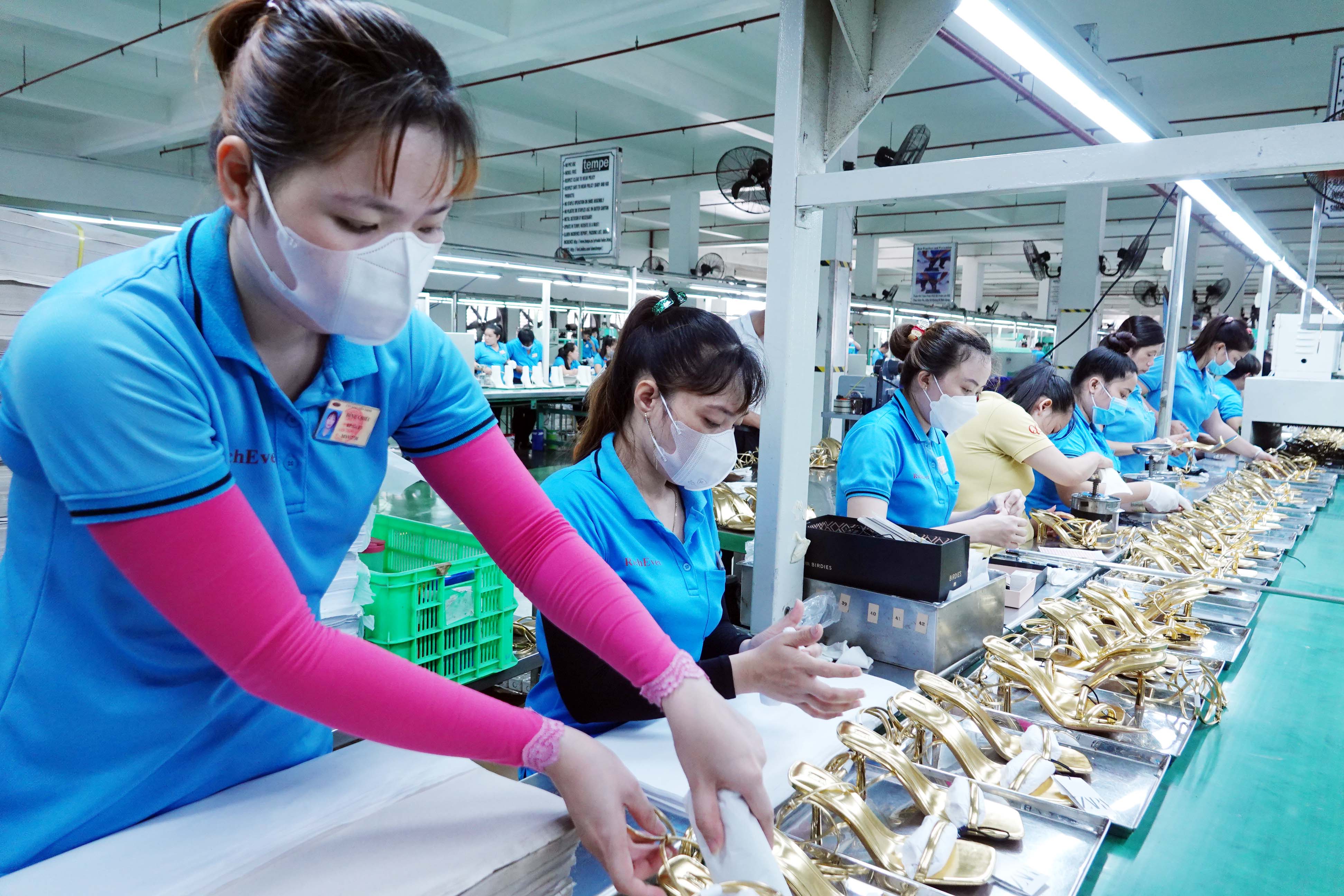
Giảm nhân viên, giãn giờ làm khi đơn hàng sụt giảm vẫn đang là câu chuyện diễn ra ở nhiều doanh nghiệp, nhiều địa phương trên cả nước khi bước sang năm mới.

Đơn hàng giảm hơn 50%

Lượng đơn hàng sản xuất tại Công ty giày Pousung VN (Đồng Nai) đã sụt giảm từ quý 4/2022 và kéo dài đến nay. Theo ông Lê Nhật Trường, Chủ tịch Công đoàn Công ty Pousung, ước tính tỷ lệ giảm khoảng 30 – 35% so với trước. Tình hình này có thể kéo dài đến hết quý 1/2023 và kéo sang cả quý 2/2023. Tuy nhiên, với đặc thù là một doanh nghiệp (DN) lớn nên công ty vẫn sắp xếp đảm bảo hoạt động sản xuất cho công nhân như không tăng ca, cho nghỉ luân phiên một ngày trong tuần và không tuyển dụng thêm lao động mới. Tổng cộng đến hiện tại, công ty vẫn có 22.300 lao động, giảm khoảng 5% so với một năm trước. Dù vậy, tính chung cả năm 2022, công ty vẫn đạt kết quả cao hơn năm 2021, vốn bị ảnh hưởng bởi dịch Covid-19, nên công nhân được nhận lương thưởng đón Tết Quý Mão tăng cao hơn 30%.

Dù vẫn còn khó khăn nhưng nhiều doanh nghiệp nỗ lực tìm ra phương hướng để duy trì sản xuất
ĐÀO NGỌC THẠCH

Tiếp tục đọc “Doanh nghiệp xoay xở kiếm đơn hàng”

Annual Threat Asessment of the US Intelligence Community (Office of Director of National Intelligence)

February 6, 2023

Read full report >>

FOREWORD


During the coming year, the United States and its allies will confront a complex and pivotal international security environment dominated by two critical strategic challenges that intersect with each other and existing trends to intensify their national security implications. First, great powers, rising regional powers, as well as an evolving array of non-state actors, will vie for dominance in the global order, as well as compete to set the emerging conditions and the rules that will shape that order for decades to come. Strategic competition between the United States and its allies, hina, and Russia over what kind of world will emerge makes the next few years critical to determining who and what will shape the narrative perhaps most immediately in the context of Russia’s actions in Ukraine, which threaten to escalate into a broader conflict between Russia and the West. Second, shared global challenges, including climate change, and
human and health security, are converging as the planet emerges from the COVID-19 pandemic and confronts economic issues spurred by both energy and food insecurity. Rapidly emerging or evolving technologies continue to have the potential to disrupt traditional business and society with both positive and negative outcomes, while creating unprecedented vulnerabilities and attack surfaces, making it increasingly challenging to predict the impact of such challenges on the global landscape.

These two strategic challenges will intersect and interact in unpredictable ways, leading to mutually reinforcing effects that could challenge our ability to respond, but that also will introduce new opportunities to forge collective action with allies and partners, including non-state actors. The 2023 Annual Threat Assessment highlights some of those connections as it provides the IC’s baseline assessments of the most pressing threats to U.S. national interests. It is not an exhaustive assessment of all global challenges. This assessment addresses both the threats from U.S. adversaries and functional and transnational concerns, such as weapons of mass destruction and cyber, primarily in the sections regarding threat actors, as well as an array of regional issues with larger, global implications.

Russia’s unprovoked full-scale invasion of Ukraine has highlighted that the era of nation-state competition and conflict has not been relegated to the past but instead has emerged as a defining characteristic of the current era. While Russia is challenging the United States and some norms in the international order in its war of territorial aggression, China has the capability to directly attempt to alter the rules-based global order in every realm and across multiple regions, as a near-peer competitor that is increasingly pushing to change global norms and potentially threatening its neighbors. Russia’s military action against Ukraine demonstrates that it remains a revanchist power, intent on using whatever tools are needed to try to reestablish a perceived sphere of influence despite what its neighbors desire for themselves, and is willing to push back on Washington both locally and globally. Besides these strategic competitors, local and regional powers are seeking to exert their influence, often at the cost of neighbors and the world order itself. Iran will
remain a regional menace with broader malign influence activities, and North Korea will expand its WMD capabilities while being a disruptive player on the regional and world stages.

At the same time, as the nations of the world strive to recover from the COVID-19 pandemic, they are beset by an array of shared, global issues. The accelerating effects of climate change are placing more of the world’s population, particularly in low- and middle-income countries, under threat from extreme weather, food insecurity, and humanitarian disasters, fueling migration flows and increasing the risks of future pandemics as pathogens exploit the changing environment. Efforts by Russia, China, and other countries to promote authoritarianism and spread disinformation is helping fuel a larger competition between [ 5 ] democratic and authoritarian forms of government. This competition exploits global information flows to gain influence and impacts nearly all countries, contributing to democratic backsliding, threats of political instability, and violent societal conflict through misinformation and disinformation.

Regional and localized conflicts and instability will continue to demand U.S. attention as states and nonstate actors truggle to find their place in the evolving international order, attempt to navigate great power competition, and confront shared transnational challenges. Regional challengers, such as Iran and North Korea, will seek to disrupt their local security environment and garner more power for themselves, threatening U.S. allies in the process. In every region of the world, challenges from climate change, demographic trends, human and health security, and economic disruptions caused by energy and food insecurity and technology proliferation will combine and interact in specific and unique ways to trigger events ranging from political instability, to terrorist threats, to mass migration, and potential humanitarian emergencies.

The 2023 Annual Threat Assessment Report supports the Office of the Director of National Intelligence’s transparency commitments and the tradition of providing regular threat updates to the American public and the United States Congress. The IC is vigilant in monitoring and assessing direct and indirect threats to U.S. and allied interests. As part of this ongoing effort, the IC’s National Intelligence Officers work closely with analysts from across the IC to examine the spectrum of threats and highlight the most likely and impactful near-term risks in the context of the longer-term, overarching threat environment. The National Intelligence Council stands ready to support policymakers with additional information in a classified setting.

Read full report >>

Những biệt phủ của người Dao giữa đại ngàn Thượng Cửu

Tác giả: Nguyễn Cảnh Dũng

PNVN – 14/10/2022

Từng được mệnh danh là “hoang đảo giữa đại ngàn” với cái đói, cái nghèo ngự trị nhưng chỉ trong ít năm, bản Sinh Tàn của người Dao ở xã Thượng Cửu, huyện Thanh Sơn (Phú Thọ) đã thay đổi đến chóng mặt.

Sinh Tàn, xã Thượng Cửu là bản cao và xa nhất của huyện miền núi Thanh Sơn, tỉnh Phú Thọ. Chỉ ít năm trước, bản Sinh Tàn với hơn 70 nóc nhà của đồng bào người Dao vẫn là “ốc đảo” giữa đại ngàn. Không điện, không nước sạch, không sóng điện thoại và đường nối bản với trung tâm cũng chỉ là lối mòn như sợi chỉ xuyên rừng.

Tiếp tục đọc “Những biệt phủ của người Dao giữa đại ngàn Thượng Cửu”

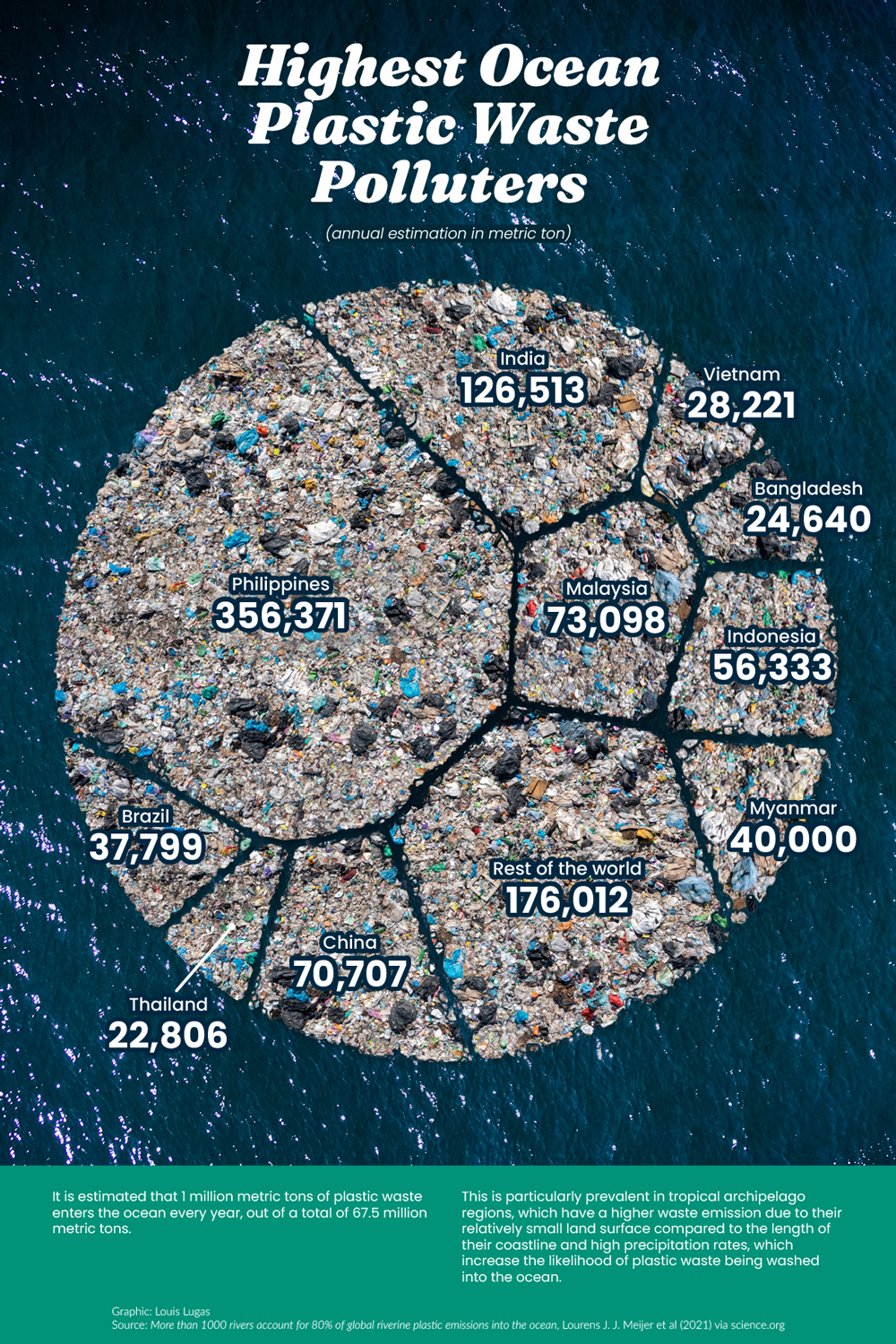
Which Countries Pollute the Most Ocean Plastic Waste?

visualcapitalist.com

#1 Philippines 
#2 India
#3 Malaysia 
#4 China 
#5 Indonesia
#6 Myanmar
#7 Brazil
#8 Vietnam
#9 Bangladesh 
#10 Thailand

Many high-income countries generate high amounts of plastic waste, but are either better at processing it or exporting it to other countries. Meanwhile, many of the middle-income and low-income countries that both demand plastics and receive bulk exports have yet to develop the infrastructure needed to process it.

Ocean plastic waste polluting countries

Visualized: Ocean Plastic Waste Pollution By Country

Tiếp tục đọc “Which Countries Pollute the Most Ocean Plastic Waste?”

(Almost) Everyone is Drilling Inside the Nine-Dash Line

Asia Maritime Transparency Initiative
March 8, 2023  |  AMTI Brief (Almost) Everyone is Drilling Inside the Nine-Dash Line

China’s military, law enforcement, and militia engaged in regular standoffs between 2018 and 2021 with Southeast Asian neighbors over oil and gas exploration inside Beijing’s nine-dash line claim in the South China Sea. By contrast, 2022 was comparatively quiet when it came to tensions over hydrocarbons, aside from one encounter involving the Philippines. But as several claimants forge ahead with new offshore projects in 2023, oil and gas development could reemerge as a primary flashpoint in the disputes.

This feature details new exploration and development projects by claimants across the South China Sea. Many of the new projects lie in disputed waters, some at the sites of previous confrontations. With the China Coast Guard increasing the frequency of patrols across disputed waters, the prospect of confrontation between Chinese law enforcement and oil and gas operators at many of these locations is high.All of the projects detailed here and more are available to explore on AMTI’s newly updated map of Energy Exploration and Development in the South China Sea.

Continue reading on CSIS website >>

Gia Lai: Làng hiếu học ở Rbai

11/03/2022 10:22 | TTXVN 

Làng Rbai, xã Ia Piar, huyện Phú Thiện (tỉnh Gia Lai), ngôi làng có 90% là người đồng bào dân tộc thiểu số nhưng nổi tiếng khắp vùng là ngôi làng hiếu học. Mặc cho cảnh đói nghèo bủa vây lấy đời sống người dân, nhưng họ vẫn đồng lòng cho con cái theo học cái chữ. Cũng bởi lẽ vậy, làng Rbai có rất nhiều người con hiện là cán bộ, công chức, viên chức, đại biểu quốc hội đã và đang đóng góp xây dựng quê hương ngày càng vững mạnh.

Làng hiếu học ở Gia Lai, 90% là người dân tộc thiểu số, nhưng có 3 thạc sỹ, có cả đại biểu Quốc hội - Ảnh 1.

Gia đình ông Nay Trơ là một trong những điển hình tiêu biểu của gia đình hiếu học trong làng với 8 đứa con đều đã tốt nghiệp đại học, cao đẳng. Ảnh: Hồng Điệp – TTXVN

Làng hiếu học ở Gia Lai, 90% là người dân tộc thiểu số, nhưng có 3 thạc sỹ, có cả đại biểu Quốc hội - Ảnh 3.

Truyền thống hiếu học được người dân làng Rbai, xã Ia Piar, huyện Phú Thiện (Gia Lai) lưu truyền từ nhiều đời nay. Ảnh: Hồng Điệp – TTXVN.

Ảnh: Hồng Điệp – TTXVN

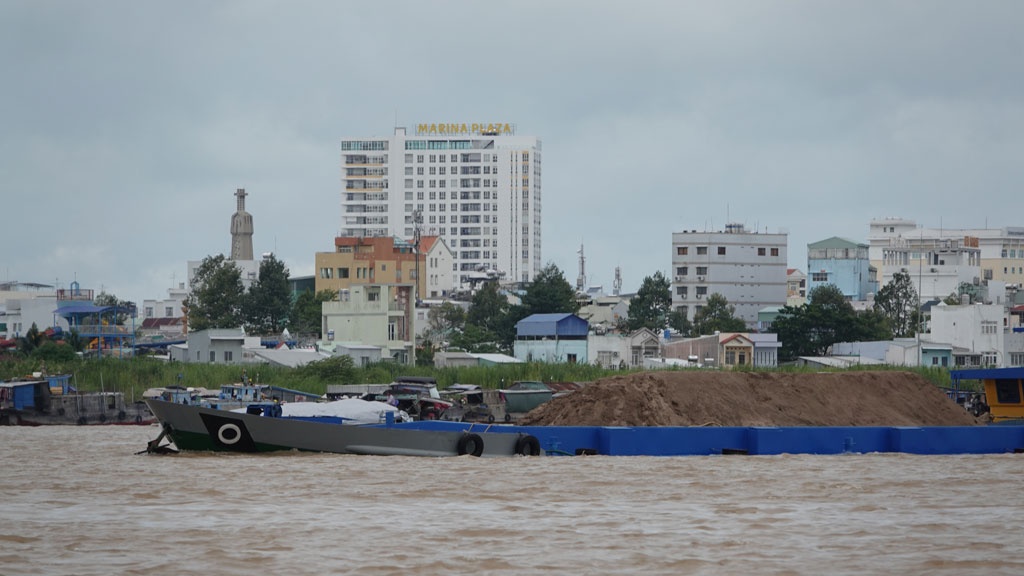
Giành giật ĐBSCL với ‘cát tặc’

Trúc Tùng – 31/10/2022 16:25 GMT+7

thanhnien.vn

Ở Đồng bằng sông Cửu Long (ĐBSCL), chỉ riêng năm 2011, lượng cát khai thác là 50 triệu tấn, dẫn đến hệ lụy không có giặc ngoại xâm mà đất đai vẫn bị mất dần. Theo ước tính của Bộ NN-PTNT, mỗi năm ĐBSCL bị mất 500ha, chỉ vài chục năm sau, diện tích ĐBSCL sẽ mất đi một nữa.

Nhu cầu về cát cho xây dựng ở ĐBSCL hiện rất lớn, trong khi nguồn cát bồi đắp từ sông Mê Kông ngày một ít đi
ĐÌNH TUYỂN

Nguồn tài nguyên quý hiếm không thể tái sinh

Một “mỏ cát” thường được hình thành vài trăm năm, thậm chí cả ngàn năm, nên nhiều nhà khoa học cho rằng đây là loại tài nguyên không tái tạo vì khi nó bị mất đi thì rất khó và rất lâu mới hình thành một khối lượng cát giá trị khai thác.

Cát sa mạc hình thành do sự ma sát, bào mòn chủ yếu do gió nên bị tròn nhẵn, mất khả năng kết dính với các loại vữa xi măng nên gần như không sử dụng cho xây dựng, nhiều quốc gia có sa mạc như ở vùng Trung Đông vẫn phải nhập cát về xây dựng.

Tiếp tục đọc “Giành giật ĐBSCL với ‘cát tặc’”

The problem with our dwindling sand reserves: Sand and Sustainability: 10 Strategic Recommendations to Avert a Crisis,

UNEP.org

Report from UNEP, titled Sand and Sustainability: 10 Strategic Recommendations to Avert a Crisis,

Sand is the foundation of human construction and a fundamental ingredient in concrete, asphalt, glass and other building materials.

But sand, like other natural resources, is limited and its ungoverned extraction is driving erosion, flooding, the salination of aquifers and the collapse of coastal defences.

The United Nations Environment Programme (UNEP) has partnered with Kenyan spoken word poet Beatrice Kariuki to shed light on the problems associated with sand mining, part of a wider push towards a zero waste world.

“We must redouble our efforts to build a circular economy, and take rubble to build structures anew,” Kariuki says in a new video. “Because without new thinking, the sands of time will run out.”

Sand is the second-most used resource on Earth, after water. It is often dredged from rivers, dug up along coastlines and mined. The 50 billion tonnes of sand thought to be extracted for construction every year is enough to build a nine-storey wall around the planet.

A 2022 report from UNEP, titled Sand and Sustainability: 10 Strategic Recommendations to Avert a Crisis, found that sand extraction is rising about 6 per cent annually, a rate it called unsustainable. The study outlined the scale of the problem and the lack of governance, calling for sand to be “recognized as a strategic resource” and for “its extraction and use… to be rethought.”

The report builds on UNEP research from 2019 that found increasing demand for sand, which saw a three-fold growth over 20 years, had caused river pollution and flooding, while also shrinking aquifers and deepening droughts.

UNEP has identified solutions to the problems linked to sand mining, including the creation of legal frameworks for sand extraction. There is also a need to develop a circular economy for sand and other building materials, accurately map and monitor sand resources, and restore ecosystems damaged by sand mining.

Recycling construction material from demolition sites and developing the potential of ore-sand are two simple ways to reduce the consumption of new sand, while contributing to global circular economy ambitions, the Sand and Sustainability report found. Ore-sand is a by-product of mineral processing designed for construction and industrial application that reduces the production of mine tailings and potentially provide an alternative source of sand.

To fight the pervasive impact of pollution on society, UNEP launched #BeatPollution, a strategy for rapid, large-scale and coordinated action against air, land and water pollution. The strategy highlights the impact of pollution on climate change, nature and biodiversity loss, and human health. Through science-based messaging, the campaign showcases how transitioning to a pollution-free planet is vital for future generations.

A real-life spy story

March 7, 2023
By David Leonhardt, The New Yrok Times
Good morning. We tell you about a real-life spy caper involving a General Electric engineer and his handler in Nanjing.
Illustrations by Hokyoung Kim
Intelligence Inc.
The invitation seemed like an exciting honor. Hua, as The New York Times is referring to him, was an engineer at GE Aviation in Cincinnati, and a Chinese aeronautical university had asked him to come back to China in 2017 to deliver a lecture about his field.
But Hua knew that GE might deny him permission to give the talk out of a concern that it would betray proprietary information. So he accepted the invitation — and traveled to Nanjing — without telling his bosses. When a suspicious F.B.I. agent later interviewed him about the trip, Hua dissembled and said he was only visiting friends and family.
By this point, Hua was facing likely criminal charges for lying to a federal agent, and he agreed to participate in a counterintelligence operation rather than being charged. Over the next six months, one of his hosts in Nanjing — a Ministry of State Security employee who had posed as a regional economic development official — tried to persuade Hua to download sensitive material from GE computers. All the while, the F.B.I. was coaching Hua and ultimately hoping to set up a meeting in a European country where Hua’s handler could be arrested and extradited to the United States.
Tiếp tục đọc “A real-life spy story”