Chiến lược tiêu chuẩn hóa quốc gia đến năm 2030 đặt ra mục tiêu tỷ lệ hài hòa hệ thống Tiêu chuẩn Việt Nam (TCVN) với tiêu chuẩn quốc tế, khu vực và nước ngoài đạt tối thiểu 65% vào năm 2025 .
Dây chuyền chế biến cá ngừ đại dương đông lạnh xuất khẩu của Công ty Cổ phần Thủy sản Bình Định đảm bảo các tiêu chuẩn bắt buộc của EU. (Ảnh: Vũ Sinh/TTXVN)
Chiến lược tiêu chuẩn hóa quốc gia đến năm 2030 đặt ra mục tiêu tỷ lệ hài hòa hệ thống Tiêu chuẩn Việt Nam (TCVN) với tiêu chuẩn quốc tế, khu vực và nước ngoài đạt tối thiểu 65% vào năm 2025 và phấn đấu đạt 75% vào năm 2030. Một chiến lược tiêu chuẩn hóa phù hợp sẽ là nền tảng để triển khai các hoạt động tiêu chuẩn một cách đồng bộ và thống nhất, góp phần dẫn dắt sự phát triển của các lĩnh vực kinh tế – xã hội đất nước.
Báo Đồng Nai – Cập nhật lúc: 08:36, 07/02/2023 (GMT+7)
Dù có tiềm năng để phát triển nhưng công nghiệp hỗ trợ (CNHT) của Việt Nam vẫn đang gặp nhiều khó khăn. Đa phần các doanh nghiệp (DN) trong nước còn ở dạng nhỏ và vừa, sự phát triển của ngành, thị phần phụ thuộc vào các nhà sản xuất, cung cấp ngoài nước, điều đó khiến cho năng lực cạnh tranh chưa cao.
Sản xuất tại Công ty TNHH SXTM nhựa kỹ thuật VinaStar (TP.Biên Hòa). Ảnh: V.Gia
Mặc dù đã có nhiều giải pháp song trên thực tế chưa nhiều đơn vị được thụ hưởng chính sách hỗ trợ, do vậy sự phát triển của ngành cần được thể chế bằng luật hóa cụ thể.
Các chuyên gia đánh giá năm 2023, câu chuyện tỷ giá của Việt Nam chưa thể nguội bớt, thay vào đó vẫn phải canh cánh nỗi lo về chính sách lãi suất của Fed và khả năng hồi phục của khu vực xuất khẩu để góp phần cải thiện cán cân thanh toán…
Ảnh minh hoạ.
Năm 2022, nền kinh tế đối mặt với cú sốc tỷ giá. Đã có lúc, VND mất giá cao so với USD (mất gần 9%) trong tháng 11/2022. Trước tình hình trên, Ngân hàng Nhà nước đã triển khai nhiều biện pháp nhằm ổn định tỷ giá như bán dự trữ ngoại hối, nới rộng biên độ tỷ giá, nâng lãi suất VND, hút bớt VND qua kênh tín phiếu… Theo đó, nhà điều hành tăng biên độ giao dịch tỷ giá từ mức +3% lên +5% từ ngày 17/10/2022.
TPO – Sau vài năm cơn ‘bão giá’ thức ăn chăn nuôi ập đến, từ khoảng 4 triệu người tham gia chăn nuôi trên cả nước đến nay chỉ còn hơn 2 triệu người. Theo các chuyên gia, nếu không có giải pháp khẩn cấp hạ giá thức ăn chăn nuôi, nguy cơ nhiều làng nghề nuôi lợn tiếp tục bị xóa sổ.
Giá cám tăng hơn 40% và duy trì trong thời gian dài đang khiến người chăn nuôi lỗ nặng
Ông Nguyễn Kim Đoán – Phó Chủ tịch Hiệp hội Chăn nuôi Đồng Nai – cho biết, sau mười mấy lần tăng giá liên tục, hiện giá cám cao hơn 40% so với năm 2020. Các dịch vụ chăn nuôi cũng tăng 10-15%… Điều này khiến người chăn nuôi ở “thủ phủ” Đồng Nai đang lỗ nặng, không khác gì so với lúc xảy ra khủng hoảng giá lợn hơi vào 6 năm trước.
Theo ông Đoán, hiện mỗi con lợn xuất chuồng, người dân lỗ 1 triệu đồng diễn ra khá phổ biến. Trước cơn bão giá thức ăn chăn nuôi, hàng loạt hộ chăn nuôi nhỏ lẻ ở Đồng Nai không trụ được phải bỏ nghề.
Chợ Rẫy Hospital patients now enjoy better peace of mind thanks to a new guesthouse. Initiated by the hospital, a bed here costs as little as VNĐ30,000 a day. There is also a charity kitchen, free residence ward and free clothing. Instead of travelling long distances or facing high rent in the city, patients and their carers now have an affordable place to stay in between treatment sessions.
TTCT – Sống thong dong trên những ngôi nhà phao ngay giữa mùa nước lũ, người dân Tân Hóa (Quảng Bình) từ lâu đã là một hình mẫu về du lịch thích ứng với thời tiết.
Vùng Tân Hóa, Quảng Bình (Ảnh: Oxalis cung cấp)
Xã Tân Hóa, huyện Minh Hóa được coi là rốn lũ của Quảng Bình, nơi nước lụt có thể dâng đến 10m trong khu dân cư. Đa số những hình ảnh nước ngập mái nhà mà chúng ta thấy trên truyền thông vào những năm có lụt được chụp ở Tân Hóa.
TTCT – Saudi Arabia làm lành với Iran mở ra hy vọng về một Trung Đông bớt đi những tang thương bom đạn.
4 h sáng 14-9-2019, quân Houthi (thân Iran) từ Yemen bắn qua Saudi 25 máy bay không người lái, có lẽ giá thành là 15.000 USD một chiếc, tức tổng trị giá 375.000 USD. 19 chiếc trúng đích là khu Nhà máy dầu Abqaiq-Khurais, làm tê liệt sản xuất trong hai tuần.
Khu nhà máy này chiếm 1/2 sản xuất dầu của Saudi (mà dầu của Saudi thì chiếm 5% của thế giới) – khoảng 5,7 triệu thùng/ngày.
Cuộc tấn công khiến Saudi mất 365 triệu đô la một ngày với giá dầu lúc đó là 64 USD/thùng. Tuy dần dà cũng khắc phục được, thị trường chứng khoán Saudi mất ngay 40 tỉ USD.
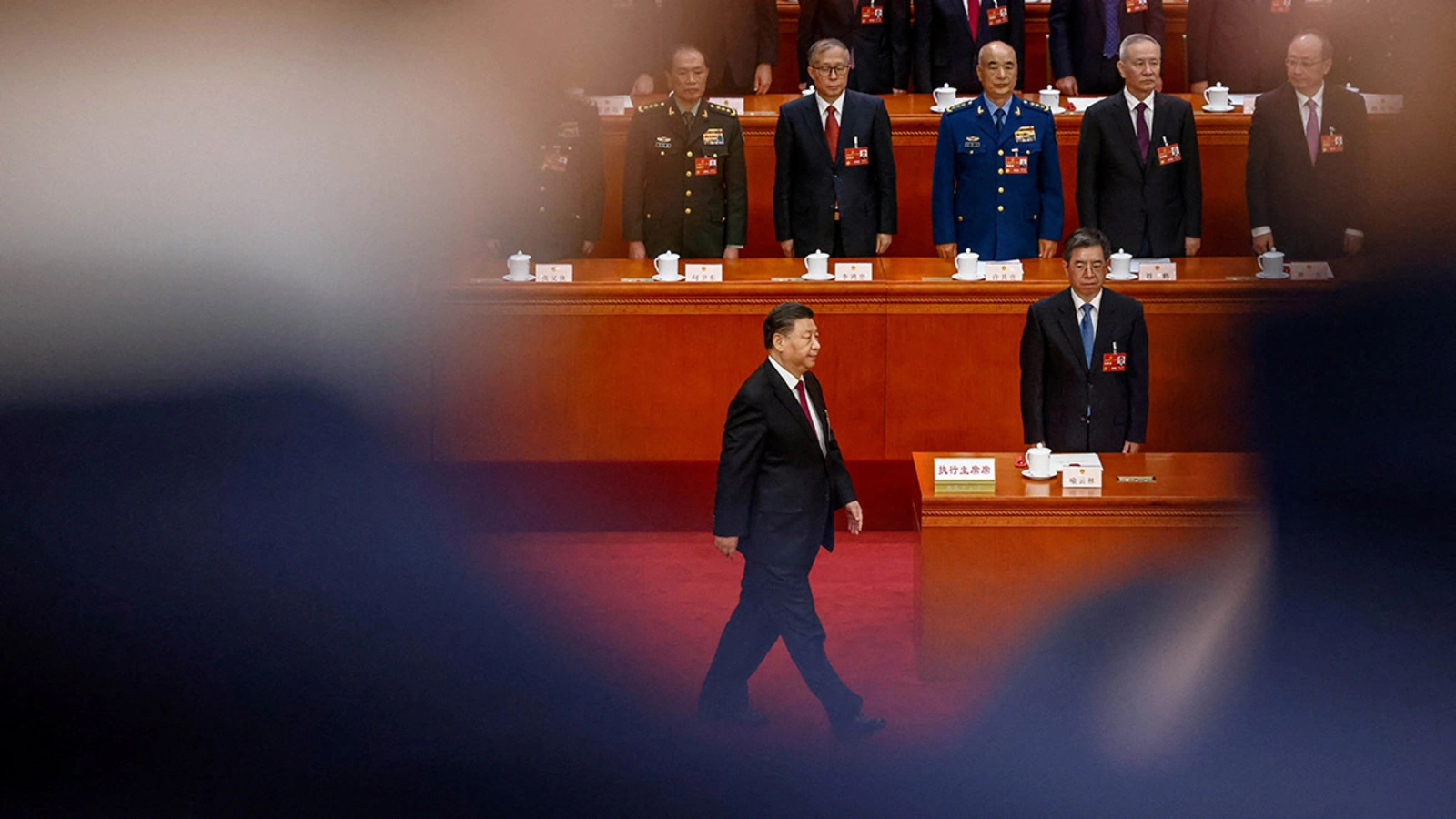
Xi Jinping used the annual legislative session to lock in his tenure as president and reinforce China’s assertive foreign policy and the reemergence of its economy.
Chinese President Xi Jinping prepares to take his oath during the Third Plenary Session of the National People’s Congress. Mark R. Cristino/Reuters
This month saw the Chinese rite of spring known as the lianghui, or “two sessions”: the annual meetings of the national advisory committee and the country’s parliament. Neither body holds much power, and it’s easy to write the whole exercise off as empty theater. Yet, public rituals are meant to deliver messages, and this year’s lianghui offered two important points: President Xi Jinping and his muscular foreign policy are here to stay, and China is back open for business after three years of fighting COVID-19—even if its return to growth is bolstered through unsustainable deficit spending.
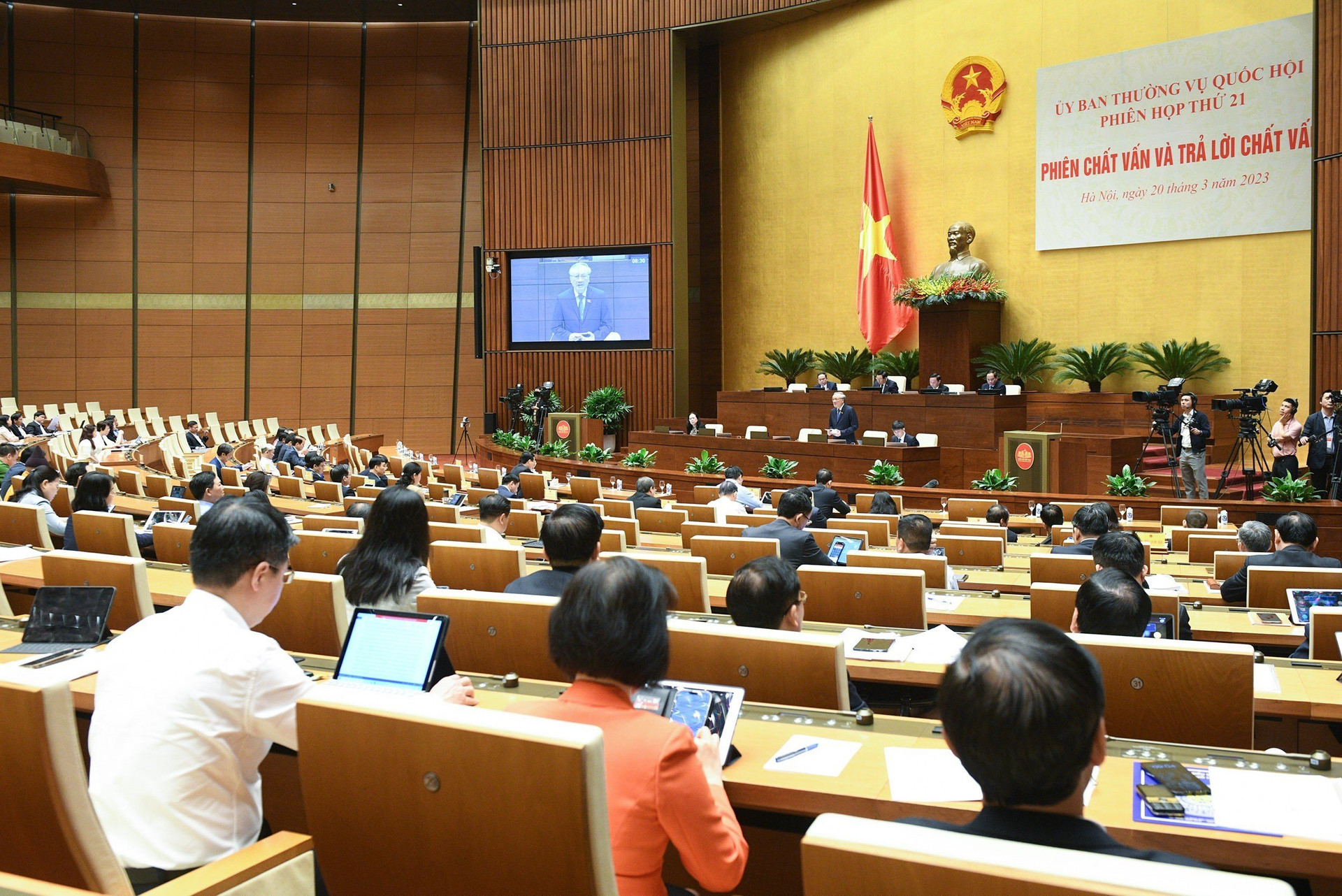
Trả lời tại Phiên chất vấn và trả lời chất vấn nhóm vấn đề thuộc lĩnh vực tòa án, Chánh án Tòa án Nhân dân tối cao Nguyễn Hòa Bình cho biết, tổng kết 10 năm đã thu được 40% số tài sản tham nhũng.
Toàn cảnh phiên chất vấn và trả lời chất vấn tại Phiên họp Thứ 21 Ủy ban Thường vụ Quốc hội
Sáng ngày 20/3, dưới sự chủ trì của Chủ tịch Quốc hội Vương Đình Huệ, Ủy ban Thường vụ Quốc hội tổ chức chất vấn và trả lời chất vấn nhóm vấn đề thuộc lĩnh vực tòa án.
Thousands of visually impaired students have been able to improve their English skills thanks to the dedication of staff at a free language centre in Hà Nội. Founded in 2011, Vietnam and Friends offers free classes to help students gain more confidence.
Stuart Kyle Duncan — a federal appeals court judge appointed by Donald Trump — visited Stanford Law School this month to give a talk. It didn’t go well.
Students frequently interrupted him with heckling. One protester called for his daughters to be raped, Duncan said. When he asked Stanford administrators to calm the crowd, the associate dean for diversity, equity and inclusion walked to the lectern and instead began her remarks by criticizing him. “For many people here, your work has caused harm,” she told him.
In his first appearance before Congress on Thursday, TikTok CEO Shou Chew was grilled by lawmakers who expressed deep skepticism about his company’s attempts to protect US user data and ease concerns about its ties to China.
It was a rare chance for the public to hear from the Chew, who offers very few interviews. Yet his company’s app is among the most popular in America, with more than 150 million active users.
Here are the biggest takeaways from Thursday’s hearing.
Washington has already made up its mind about TikTok
The hearing, which lasted for more than five hours, kicked off with calls from a lawmaker to ban the app in the United States and remained combative throughout. It offered a vivid display of the bipartisan push to crack down on the popular short-form video app and the company’s uphill battle to improve relations with Washington.
Washington Republican Rep. Cathy McMorris Rodgers, the chair of the House Energy and Commerce Committee, opened Thursday’s hearing by telling Shou: “Your platform should be banned.”
Chew used his testimony to stress TikTok’s independence from China and play up its US ties. “TikTok itself is not available in mainland China, we’re headquartered in Los Angeles and Singapore, and we have 7,000 employees in the U.S. today,” he said in his opening remarks.
“Still, we have heard important concerns about the potential for unwanted foreign access to US data and potential manipulation of the TikTok US ecosystem,” Chew said. “Our approach has never been to dismiss or trivialize any of these concerns. We have addressed them with real action.”
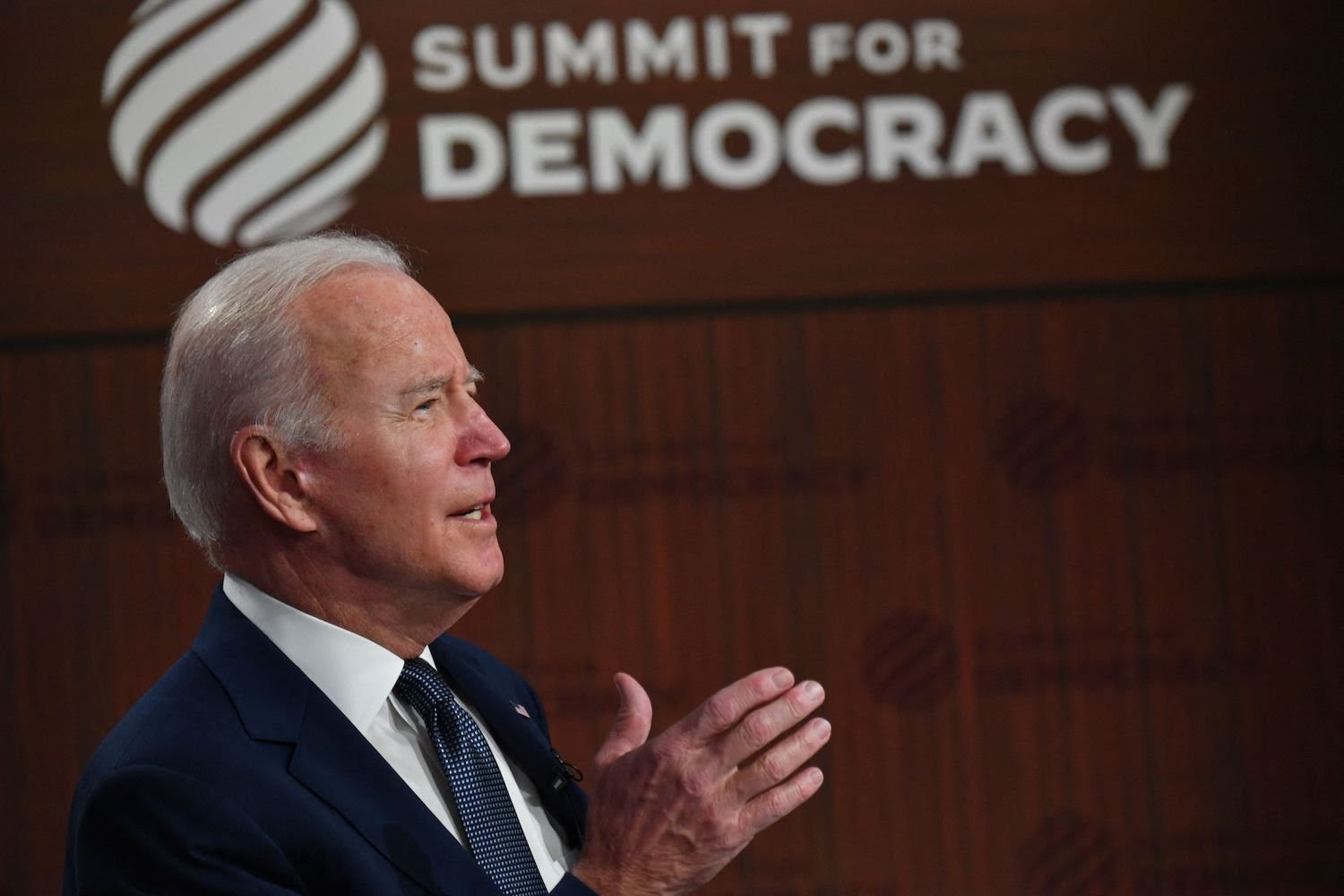
The Biden administration is inviting around 120 countries to join its Summit for Democracy next week, but two of its NATO allies aren’t getting a call.
Turkey and Hungary have been left off the invitation list for the major summit, which Team Biden bills as one of its hallmark foreign-policy initiatives, meant to shore up democracies worldwide and stanch the rise of autocracies.
Backsliding. The spurning of two NATO allies, confirmed by three U.S. officials who spoke to SitRep, reflects a mounting concern with the degree of democratic backsliding in Turkey and Hungary, even though Washington is relying on both to support the West’s strategy against Russia as the war in Ukraine rages on—and needs both to approve Finland and Sweden’s bids to join NATO as full-fledged allies.
It’s become more important than Washington’s official alliances today.
By Graham Allison, a professor of government at the Harvard Kennedy School.
MARCH 23, 2023, 5:42 PM
Chinese President Xi Jinping’s decision to visit Moscow this week in his first trip abroad since his reelection comes as no surprise to those who have been watching carefully. When one steps back and analyzes the relationship between China and Russia, the brute facts cannot be denied: Along every dimension—personal, economic, military, and diplomatic—the undeclared alliance that Xi has built with Russian President Vladimir Putin has become much more consequential than most of the United States’ official alliances today.
The United States has denied Chinese claims that a US destroyer was driven out from waters around the contested Paracel Islands after it “illegally” entered the area.
China’s state media described the US ship as having trespassed in “Chinese territorial waters”.
The US Navy on Thursday disputed the PLA statement, saying the destroyer was conducting “routine operations” in the South China Sea and was not expelled by Chinese ships.
Al Jazeera’s Katrina Yu joins us live from Beijing to give us the latest updates.


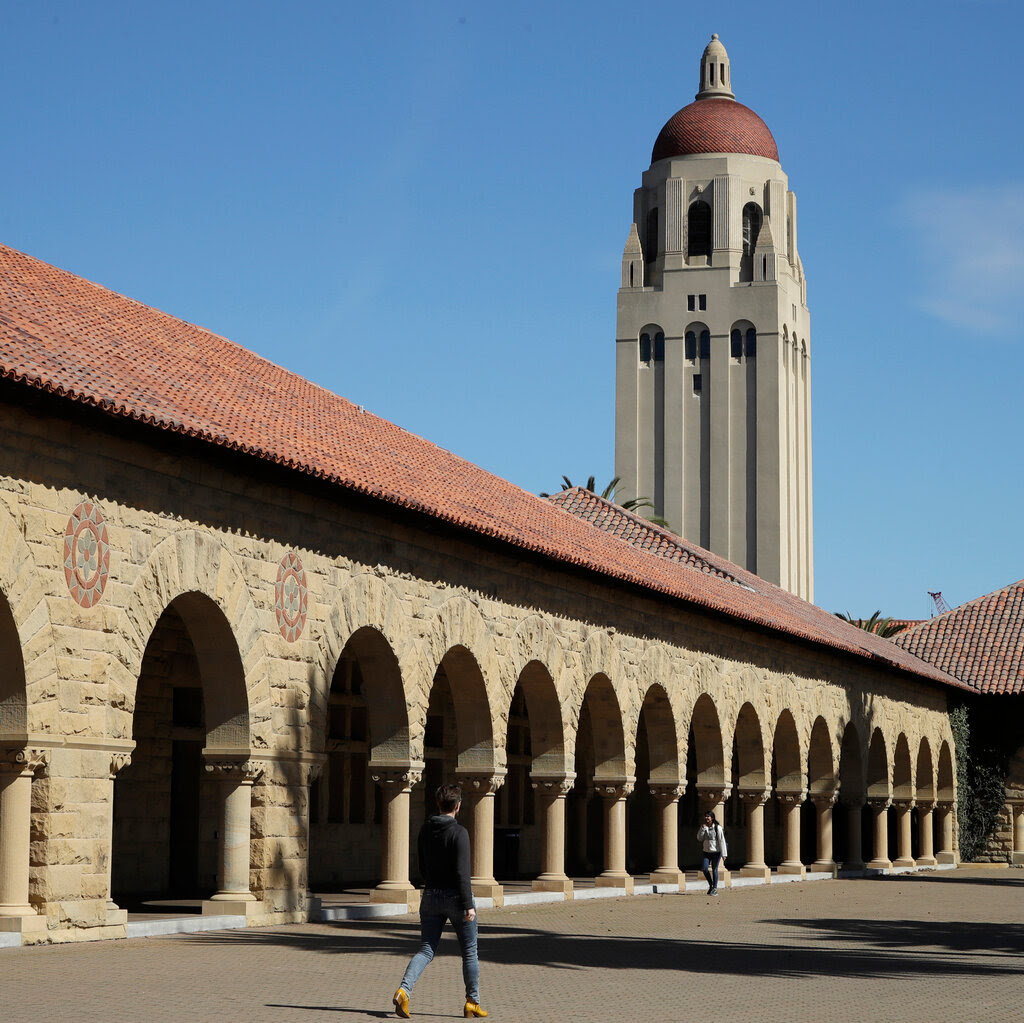 Stanford University.Ben Margot/Associated Press



 CVD
CVD 