Vấn đề Biển Đông cần được giải quyết bằng Công ước Luật biển 1982

Tổng Thư ký Liên hợp quốc Ban Ki-moon:

Đăng Bởi – 13:20 25-09-2015

Bien Dong, van de bien Dong

Việt Nam luôn khẳng định chủ quyền đối với hai quần đảo Hoàng Sa và Trường Sa

Trong cuộc trao đổi với Chủ tịch nước Trương Tấn Sang, Tổng Thư ký LHQ Ban Ki-moon khẳng định các tranh chấp ở Biển Đông cần phải được giải quyết trên cơ sở Công ước Liên hợp quốc về Luật biển 1982 và DOC, tiến tới COC.

Hôm nay, 25.9, thông tin từ Bộ Ngoại giao cho hay: Ngay sau khi đến New York (Hoa Kỳ), Chủ tịch nước Trương Tấn Sang đã có cuộc hội kiến với Tổng Thư ký Liên hợp quốc Ban Ki-moon tại trụ sở Liên hợp quốc. Tiếp tục đọc “Vấn đề Biển Đông cần được giải quyết bằng Công ước Luật biển 1982”

Theories of Change: time for a radical approach to learning in development

September 2015

The Theory of Change approach, with its focus on continuous critical reflection, demands a radical shift towards more and better learning in development thinking and practice. No new tool or approach can in itself address problems of institutional incentives in the sector that block such learning. However, a Theory of Change approach may be able to create a productive (albeit small) space for critical reflection. Tiếp tục đọc “Theories of Change: time for a radical approach to learning in development”

Xứ sở cây thuốc quý (4 kỳ)

Xứ sở cây thuốc quý: Truyền kỳ về ‘cây thuốc giấu’

TNVới 832 loài cây thuốc đã phát hiện, trong đó 36 loài cây thuốc có tên trong “Sách đỏ Việt Nam”, Quảng Nam thực sự là xứ sở của cây thuốc quý nhưng cũng dễ đối diện nguy cơ tận diệt nếu không cấp thiết bảo tồn.

Dược sĩ Đào Kim Long (bên phải) trở lại núi Ngọc Linh sau 40 năm tìm ra “cây thuốc giấu” - sâm Ngọc LinhDược sĩ Đào Kim Long (bên phải) trở lại núi Ngọc Linh sau 40 năm tìm ra “cây thuốc giấu” – sâm Ngọc Linh – Ảnh: Thanh Tuyền

Hai chuyến khảo sát liên tiếp mới đây của đoàn công tác H.Nam Trà My và UBND tỉnh Quảng Nam cùng với đề án phát triển và xây dựng thương hiệu quốc gia đối với sâm Ngọc Linh đang trình Chính phủ… đã gia tăng lượng thông tin về loài cây đặc biệt này. Tiếp tục đọc “Xứ sở cây thuốc quý (4 kỳ)”

PM vows to support scientists

Updated  September, 12 2015 09:33:03
 VNS
Primer Minister Nguyen Tan Dung met with young scientists yesterday who were recognised internationally and nationally for their outstanding achievements. — VNA/VNS Photo Duc Tam

HA NOI (VNS)— Prime Minister Nguyen Tan Dung met with young scientists yesterday who were recognised internationally for their outstanding achievements.

During the meeting, the first between the Government leader and young scientists, Minister of Science and Technology Nguyen Quan said many practical innovations by young scientists had brought about great socio-economic efficiency.

However, they had faced difficulties such as poor research conditions and equipment, high expenditures and salaries that do not provide them with financial security, Quan said. Tiếp tục đọc “PM vows to support scientists”

Agenda 2030 for Sustainable Development : 17 SDGs (in short and long forms) – Chương trình nghị sự 2030 cho Phát triển Bền vững: 17 Mục tiêu (tóm gọn và nguyên thủy)

Source: UN in collaboration with Project Everyone

SHORT FORM – TÓM GỌN

1. No Poverty – Xóa Đói
2. Zero Hunger – Xóa Nghèo
3. Good Health and Well-being – Khỏe mạnh và Đời sống tốt đẹp
4. Quality Education – Giáo dục chất lượng
5. Gender equality – Bình đẳng giới
6. Clean water and Sanitation – Nước sạch và Điều kiện vệ sinh
7. Affordable and clean Energy – Năng lượng sạch và giá rẻ Tiếp tục đọc “Agenda 2030 for Sustainable Development : 17 SDGs (in short and long forms) – Chương trình nghị sự 2030 cho Phát triển Bền vững: 17 Mục tiêu (tóm gọn và nguyên thủy)”

Vietnam’s poverty reduction, economic development hailed

VNA Thursday, September 03, 2015 – 16:06:40 Print

Asian Development Bank (ADB) Country Director Eric Sidgwick. (Photo: mpi.gov.vn)

Vietnam’s achievements over the past three decades have been remarkable, making the country one of the most successful stories in terms of poverty reduction in the world, said Eric Sidgwick, Asian Development Bank (ADB) Country Director for Vietnam . Tiếp tục đọc “Vietnam’s poverty reduction, economic development hailed”

A dispassionate look at the Sustainable Development Goals

This post is written by Jan Vandemoortele, PhD, formerly with the UN, co-architect of the MDGs and a critical friend of the SDGs

Post2015– Almost two years in the making, the sustainable development goals (SDGs) were agreed in early August. By late September, they will be formally adopted by member states at a UN summit in New York. Before the usual hype is set in motion that call the agreement ‘ground breaking’, ‘momentous’ and ‘historic’, this is a good time to have a dispassionate look at the SDGs.

Grouped under 17 goals, the SDGs comprise 169 targets, although this is a misnomer. According to the dictionary, a target is a precise result to be achieved by a specific date. It requires that the aim is clear, that the level of achievement is specific, and that the deadline is well-defined.

On that count, most of the SDGs fail the test. Indeed, the majority of them do not contain a numerical outcome but use language such as ‘substantially reduce/increase, support and strengthen, progressively improve, upgrade, promote, achieve higher levels of, take urgent action to, ensure’. In addition, many fail to set a specific deadline. When they do, it is mostly for the year 2030 although, bizarrely, the years 2020 and 2025 apply for some targets. As such, they are not fit to be called ‘targets’. Tiếp tục đọc “A dispassionate look at the Sustainable Development Goals”

Good news for forest animals

VNS

Updated  August, 15 2015 12:00:00

Luckily for animals like the langurs and the gibbons, their forest homes are going to get more protection.

This will be happening because of an agreement between Viet Nam government agencies and an international environmental organisation.

It will mean that more work will be done to help guards who protect the forests from people wishing to destroy them and the creatures that live in them.

A red-shanked douc (Pygathrix nemaeus) is caught by a biologist in the natural reserve in Son Tra Peninsula in Da Nang City.
A red-shanked douc (Pygathrix nemaeus) is caught by a biologist in the natural reserve in Son Tra Peninsula in Da Nang City. – Photos courtesy of the Frankfurt Zoological Society in Viet Nam

DA NANG — The Viet Nam Administration of Forestry (VNFOREST) and the Frankfurt Zoological Society in Viet Nam have inked a five-year conservation plan.

The agreement covers strengthening of the management and supervision of biodiversity in national parks and natural reserves in the Central and Central Highlands regions. Tiếp tục đọc “Good news for forest animals”

Vietnam fulfills MDGs, aims to meet sustainable development goals: parliament leader

Tuoi Tre News

Updated : 09/03/2015 16:15 GMT + 7

Vietnam has reached the millennium development goals (MDGs) set by the United Nations, including those related to poverty reduction, and is working hard to achieve the sustainable development goals (SDGs), the Vietnamese legislature’s leader has said. 

National Assembly Chairman Nguyen Sinh Hung made the statement while co-chairing a panel discussion within the framework of the fourth World Conference of Speakers of Parliament in New York on September 2 (Vietnam time), according to the Vietnam News Agency.      Tiếp tục đọc “Vietnam fulfills MDGs, aims to meet sustainable development goals: parliament leader”

Việt Nam các Mục tiêu Phát triển Thiên niên kỷ

Việt Nam và các MDG

Việt Nam đã đạt được những tiến bộ rất ấn tượng trong việc thực hiện các Mục tiêu Phát triển Thiên niên kỷ và đã hoàn thành một số mục tiêu – ví dụ Mục tiêu 1 về xóa bỏ tình trạng nghèo đói cùng cực và thiếu đói – mặc dù còn rất lâu nữa mới đến thời hạn năm 2015. Việt Nam cũng đang trong tiến trình hướng tới hoàn thành một số mục tiêu khác nữa. Nếu Việt Nam muốn đạt được tất cả các Mục tiêu Phát triển Thiên niên kỷ trên cơ sở đảm bảo bình đẳng, thì điều quan trọng là cần duy trì những tiến bộ đã đạt được, hướng tới giải quyết những sự chênh lệch đang gia tăng, tính đến các nguy cơ và giải quyết những thiếu hụt còn tồn tại.

mdg_1MTPTTNK 1: Xóa bỏ tình trạng nghèo đói cùng cực và thiếu đói 

Trong tất cả các Mục tiêu Thiên niên kỷ, Việt Nam đạt được tiến bộ ấn tượng nhất ở Mục tiêu Thiên niên kỷ 1 về giảm nghèo. Việt Nam đã giảm được 75% tỷ lệ nghèo, từ 58,1% năm 1993 xuống còn 14,5% năm 20081. Tỷ lệ thiếu đói giảm hơn 2/3, từ 24,9% năm 1993 xuống còn 6,9% năm 2008. Tỷ lệ nghèo đã giảm đi ở tất cả các nhóm nhân khẩu, các khu vực thành thị cũng như nông thôn và trên khắp các vùng miền địa lý. Kết quả đạt được trong việc hạn chế tỷ lệ suy dinh dưỡng cũng rất lớn, giảm từ 41% xuống còn 11,7% năm 2011. Tiếp tục đọc “Việt Nam các Mục tiêu Phát triển Thiên niên kỷ”

Vietnam Then and Now

August 26, 2015

This article was adapted from a speech presented at “Advancing Prosperity: U.S.-Vietnam Development Cooperation,” a celebration in Hanoi organized in conjunction with a visit by U.S. Secretary of State John Kerry.

Michael DiGregorio speaking at "Advancing Prosperity: U.S.-Vietnam Development Cooperation."

In the early years of Renovation (Doi Moi), at a time when the market economy was just beginning to gain a foothold, Hanoi was a much greener city than it is today. Nearly all the fruits and vegetables, meats, and fish consumed here were produced in the suburbs and sold fresh in the city’s public markets. Within the city, Ho Tay and Bay Mau lakes produced hundreds of tons of fish per year. South of the city, a network of large lakes that also served as the city’s wastewater treatment system produced hundreds more. There were hardly any cars on the roads, and hardly any gas stations or motorcycle repair shops either. All the motorcycles were new, and the few large trucks that produced plumes of diesel fumes were regarded as a nuisance. The air was so clear in those days that the mountains west of the city were visible much of the year. They are a rare sight now. Tiếp tục đọc “Vietnam Then and Now”

Chiến dịch “Trao quyền cho phụ nữ – Trao quyền cho nhân loại”

Beijing20-Logo-EnglishVề chiến dịch

UN – “Trao quyền cho phụ nữ- Trao quyền cho nhân loại” là chiến dịch kéo dài một năm (2014-2015) hướng tới lễ kỷ niệm 20 năm Cương Lĩnh Hành Động Bắc Kinh, một trong những văn kiện toàn diện nhất về các vấn đề liên quan tới phụ nữ và bình đẳng giới mà thế giới được chứng kiến.

Tại Việt Nam, chúng tôi kêu gọi phụ nữ và đàn ông, Chính phủ và các đối tác liên quan cùng tôn vinh những thành tựu về thúc đẩy quyền của phụ nữ trong suốt 20 năm qua. Thông qua các đối thoại mở, chúng tôi muốn lắng nghe ý kiến của các bạn về những thành công đạt được cũng như tìm kiếm giải pháp cho những vấn đề còn tồn tại. Đồng thời, chúng tôi kêu gọi các bạn cùng hành động để đổi mới các cam kết chính trị, nâng cao nhận thức và huy động các nguồn lực trong xã hội nhằm xây dựng tương lai tốt đẹp hơn cho phụ nữ và trẻ em gái. Tiếp tục đọc “Chiến dịch “Trao quyền cho phụ nữ – Trao quyền cho nhân loại””

Transforming our world: the 2030 Agenda for Sustainable Development

TĐH: This document, an Agenda for global action
for the next fifteen years, will be formally adopted
by UN members on the Sustainable Development
Summit at the UN Headquarters in New York
from 25-27 September 2015

Preamble

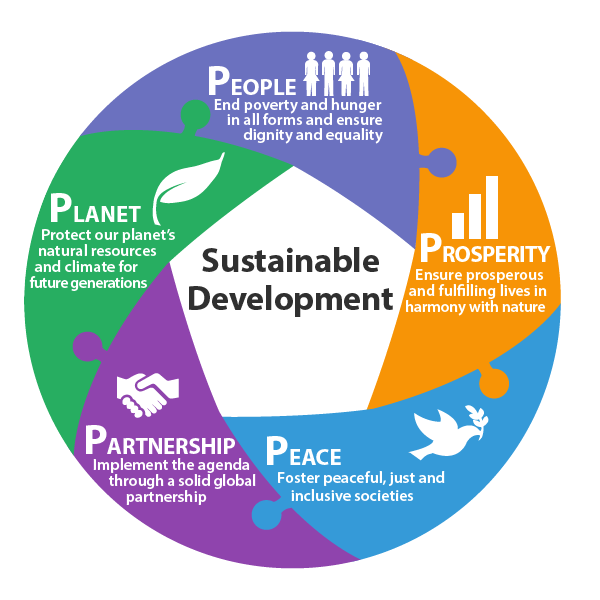
This Agenda is a plan of action for people, planet and prosperity. It also seeks to strengthen universal peace in larger freedom. We recognise that eradicating poverty in all its forms and dimensions, including extreme poverty, is the greatest global challenge and an indispensable requirement for sustainable development. All countries and all stakeholders, acting in collaborative partnership, will implement this plan. We are resolved to free the human race from the tyranny of poverty and want and to heal and secure our planet. We are determined to take the bold and transformative steps which are urgently needed to shift the world onto a sustainable and resilient path. As we embark on this collective journey, we pledge that no one will be left behind. The 17 Sustainable Development Goals and 169 targets which we are announcing today demonstrate the scale and ambition of this new universal Agenda. They seek to build on the Millennium Development Goals and complete what these did not achieve. They seek to realize the human rights of all and to achieve gender equality and the empowerment of all women and girls. They are integrated and indivisible and balance the three dimensions of sustainable development: the economic, social and environmental. The Goals and targets will stimulate action over the next fifteen years in areas of critical importance for humanity and the planet: People We are determined to end poverty and hunger, in all their forms and dimensions, and to ensure that all human beings can fulfil their potential in dignity and equality and in a healthy environment. Planet We are determined to protect the planet from degradation, including through sustainable consumption and production, sustainably managing its natural resources and taking urgent action on climate change, so that it can support the needs of the present and future generations. Prosperity We are determined to ensure that all human beings can enjoy prosperous and fulfilling lives and that economic, social and technological progress occurs in harmony with nature. Peace We are determined to foster peaceful, just and inclusive societies which are free from fear and violence. There can be no sustainable development without peace and no peace without sustainable development. Partnership We are determined to mobilize the means required to implement this Agenda through a revitalised Global Partnership for Sustainable Development, based on a spirit of strengthened global solidarity, focussed in particular on the needs of the poorest and most vulnerable and with the participation of all countries, all stakeholders and all people. The interlinkages and integrated nature of the Sustainable Development Goals are of crucial importance in ensuring that the purpose of the new Agenda is realised. If we realize our ambitions across the full extent of the Agenda, the lives of all will be profoundly improved and our world will be transformed for the better. Tiếp tục đọc “Transforming our world: the 2030 Agenda for Sustainable Development”

Tối ưu hóa phân hữu cơ: Giải pháp để phát triển cà phê bền vững

Cập nhật lúc 13:50, Thứ Hai, 24/02/2014 (GMT+7)

Đăk Lăk – Sau vấn đề nước tưới, việc bón phân cân đối, phù hợp cũng là yếu tố quan trọng nhằm bảo đảm năng suất, chất lượng và tính bền vững cho cây cà phê. Tuy nhiên, điều đáng quan tâm hiện nay là tình trạng nông dân bón phân nhiều hơn khuyến cáo, trong đó có việc lạm dụng phân vô cơ, theo đó đã gây ra nhiều hệ lụy…

Một điều tra của các nhà nghiên cứu ở Viện Khoa học kỹ thuật nông lâm nghiệp Tây Nguyên cho thấy, riêng tại Dak Lak, mức tăng chi phí sử dụng phân bón hóa học đối với cà phê khá lớn, trung bình cứ 1 ha thì nông dân đã lãng phí 2 triệu 780 nghìn đồng/năm. Có lẽ con số này cũng không lấy làm ngạc nhiên, bởi không còn quá xa lạ trước thực trạng người dân tưới nước cũng như bón phân nhiều hơn khuyến cáo. Không ít người có tâm lý trong chăm sóc cho cây cà phê là “thừa hơn thiếu” nên dù biết sẽ có lãng phí nhưng vẫn chấp nhận đầu tư. Với đặc điểm tiện lợi, các loại phân vô cơ nghiễm nhiên đã trở thành lựa chọn của hầu hết các nhà vườn trồng, kinh doanh cà phê. Suy nghĩ bón nhiều phân cây mới tốt và vườn cà phê càng nhiều năm tuổi, cây xấu thì càng được ưu tiên chăm sóc, bón thêm phân, trong đó có phân vô cơ để khôi phục đã khiến cho nhiều vườn cây nhanh chóng bị già hóa. Đây cũng là một trong những nguyên nhân khiến diện tích cà phê cần tái canh tăng nhanh trong những năm vừa qua và dự báo sẽ còn tiếp tục tăng trong những năm tiếp theo. Tiếp tục đọc “Tối ưu hóa phân hữu cơ: Giải pháp để phát triển cà phê bền vững”