Theo tư liệu chị Vàng Thị Chờ (chắt nội Vua Mèo Vương Chính Đức, hiện làm thuyết minh viên khu nhà Vương ở Hà Giang), từ giữa thế kỷ 18, vùng cao nguyên đá Đồng Văn (Hà Giang) đã trở thành địa bàn cư trú của dân tộc H’Mông (người Mèo). Tiếp tục đọc “Vua Mèo Vương Chính Đức và bản hòa ước với Pháp”→
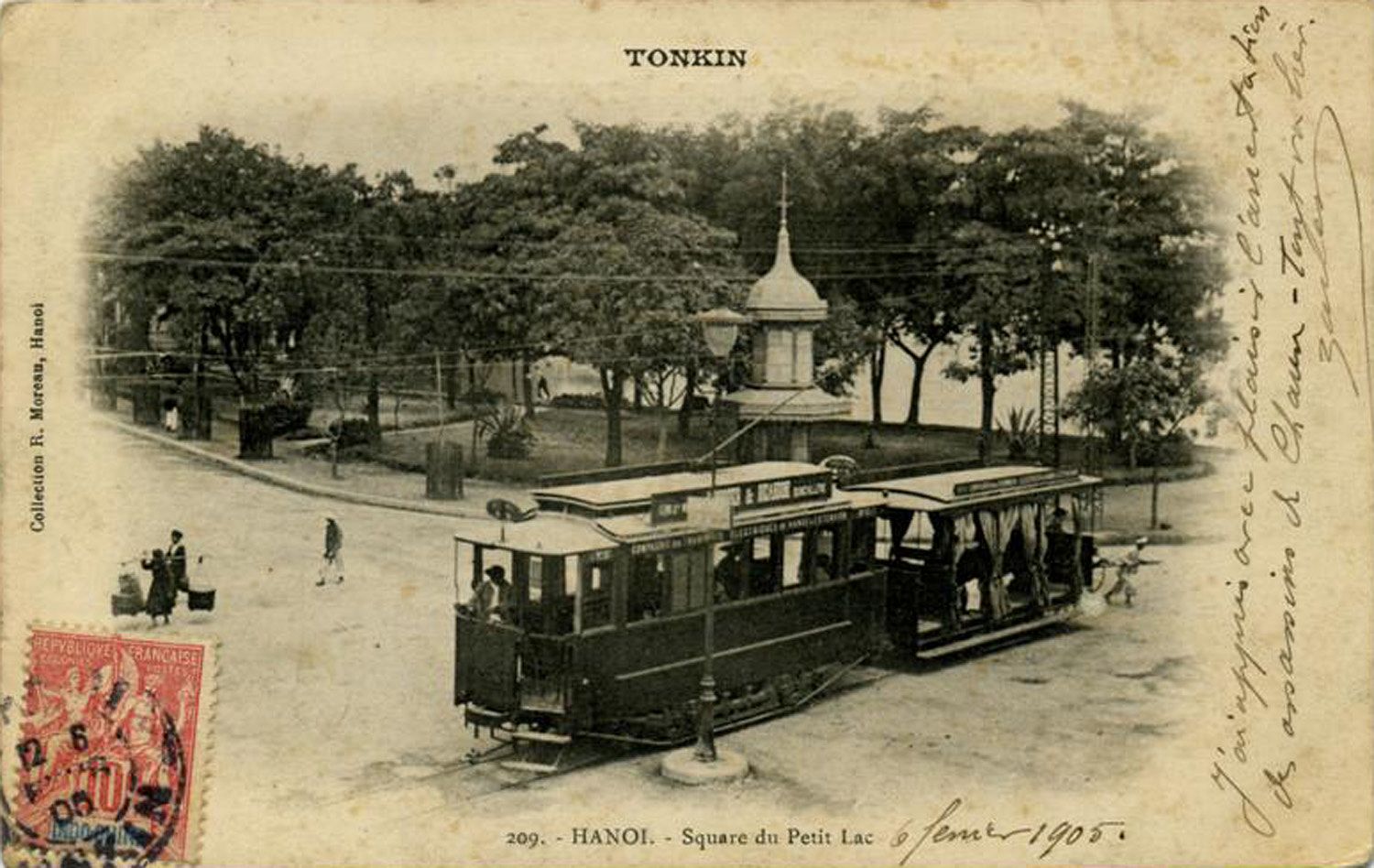
When they first drew up plans for a citywide tramway network in 1894, it seemed as though the Hanoi authorities would follow Saigon’s example by opting for steam traction. Yet, by the time government approval was forthcoming in 1899, advances in technology made it possible to construct the entire system as a state-of-the-art, one-meter gauge electric tramway.
In 1900, the Compagnie des Tramways Électriques d’Hanoï et Extensions (CTEH) was to set up to build the first two tramway lines, which were jointly inaugurated in November 1901.Tiếp tục đọc “The History of Hanoi’s Lost Tramway Network”→
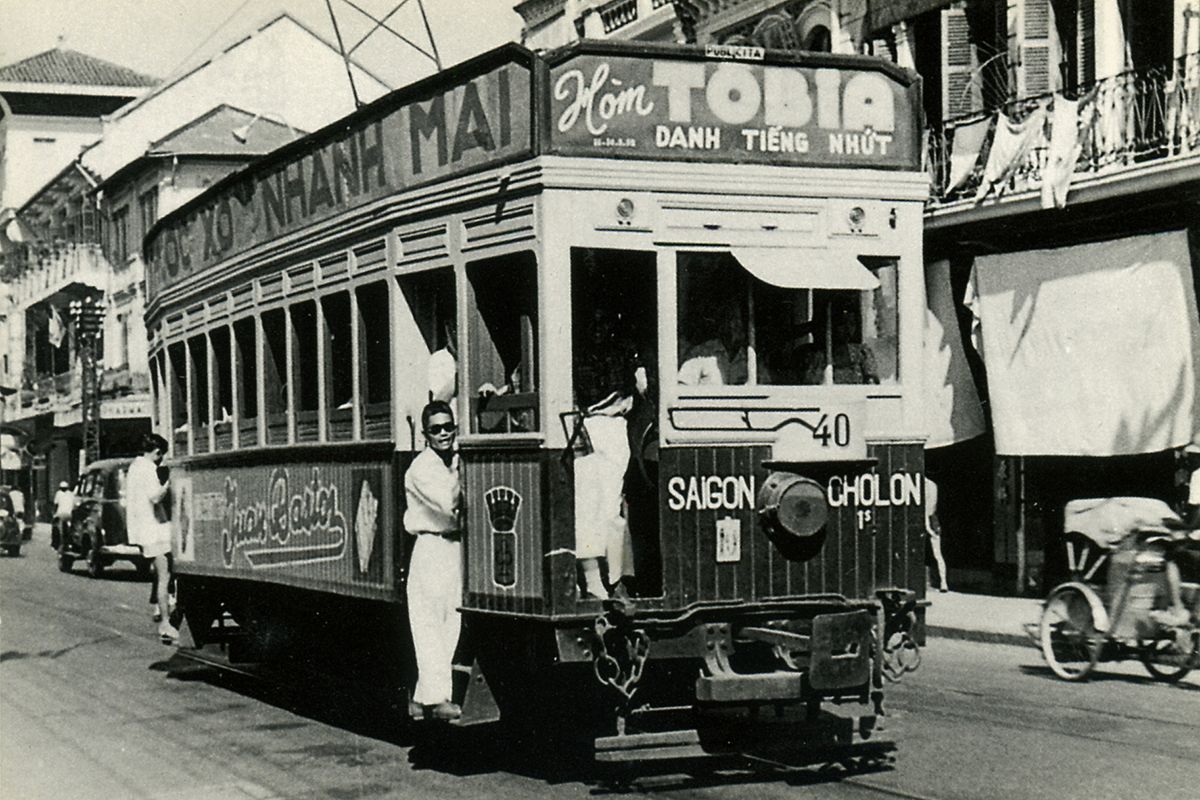
As ever-increasing levels of traffic congestion and air pollution turn many of Ho Chi Minh City’s road junctions into choking bottlenecks, many hopes are pinned on plans to construct a new urban railway network in the southern metropolis. Yet urban railways are hardly a new concept in this city, which was once home to one of Southeast Asia’s largest urban tramway networks.
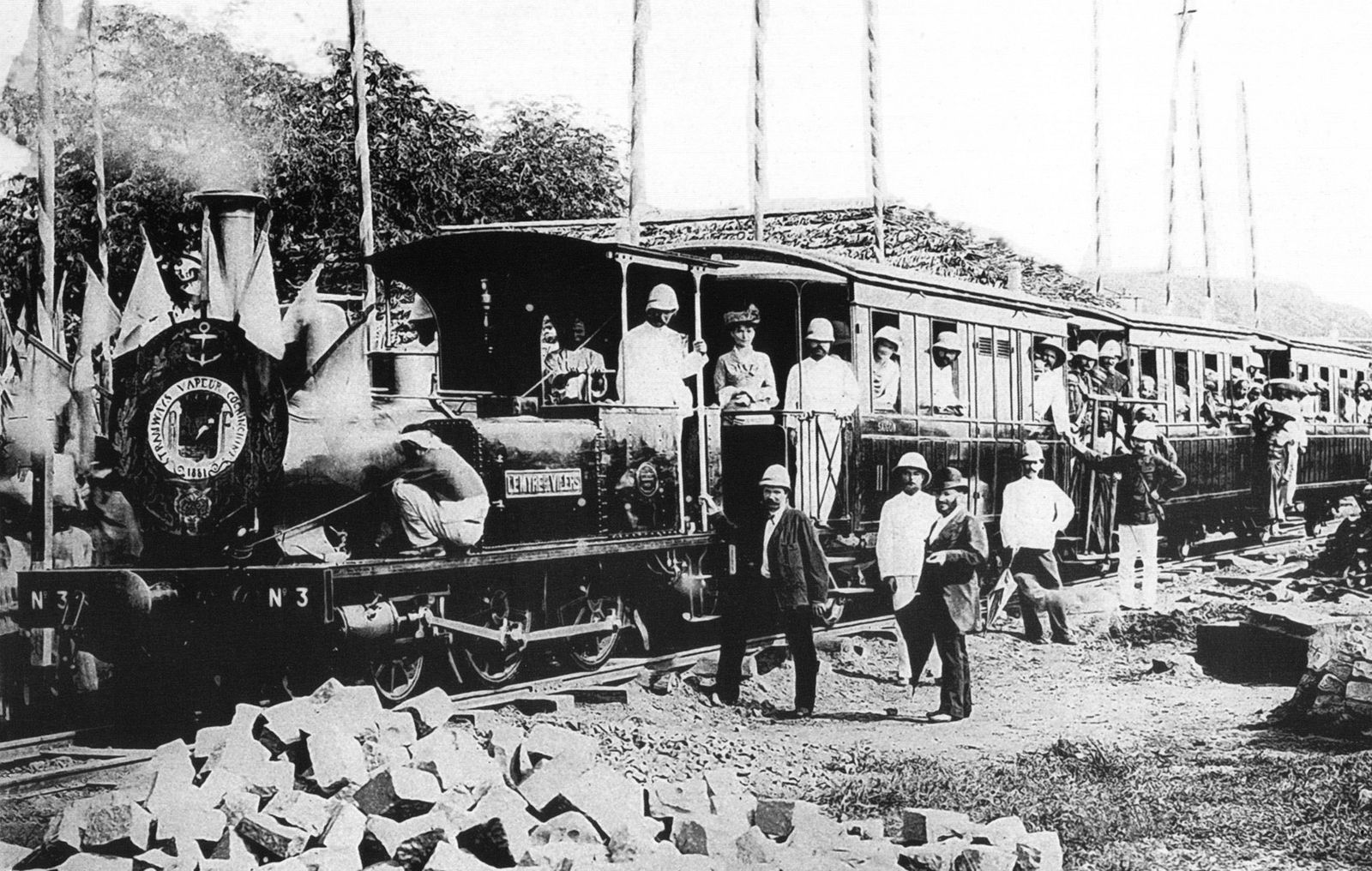
Indochina’s first mechanized rail-guided transportation system was the one-meter gauge Saigon–Cho Lon “high road” steam tramway, operated by the Societe Generale des Tramways a Vapeur de Cochinchine (SGTVC) and opened to the public on December 27, 1881.
The ubiquitous red-stained lips and blackened teeth associated with betel chewing are sported by one-tenth of the human race and one-fifth of the global population. The custom pervades Asia, yet it is hardly known outside of the continent. It has no sex barriers and embraces all ages and classes. Even though it has long-established roots in Asian culture, history of the custom relies mainly on oral tradition, probably because it is most prevalent amongst the agrarian population. Since the eleventh century, however, the royal use of betel in South-East Asia is described in written records which provide a rich source of details about the protocol of sharing a quid with a king and the use of betel in royal ceremonies.From the sixteenth century onwards, when Europeans reached the East, accounts include descriptions of the royal use of betel but the custom has consistently been misrepresented by early western travellers who wrote about it, either from their own observations or those of others.
The custom, so alien to foreigners, was viewed from a western perspective. Nearly all of them were repelled by it and called betel chewing an ‘…unhygienic, ugly, vile, and disgusting…’ habit. Even the name given to the custom by Europeans, ‘betel-nut chewing’ is a misnomer. The term is incorrect because an areca-nut, not a betel-nut, is chewed. Tiếp tục đọc “Betel and areca chewing custom in Asia – Tục lệ ăn trầu cau ở Châu Á”→
Annan served as UN secretary-general from 1997 to 2006 and was awarded the Nobel Peace Prize in 2001.
Kofi Annan, a former secretary-general of the United Nations and a Nobel Peace Prize laureate, has died aged 80.
The Ghanaian diplomat passed away at a hospital in the Swiss capital, Bern, on Saturday after a “short illness”, his foundation said in a statement.
“Kofi Annan was a global statesman and a deeply committed internationalist who fought throughout his life for a fairer and more peaceful world,” the statement said.
“He was an ardent champion of peace, sustainable development, human rights and the rule of law,” it added.
Annan served as the seventh UN chief for almost a decade, from 1997 to 2006. Having joined in 1962, he was the first staffer to take over the top UN job and the first hailing from sub-Sahara Africa.
In 2001, he received the Nobel Peace Prize jointly with the UN, lauded for “bringing new life to the organisation”.
Vương miện bằng vàng của vua và hoàng hậu Chăm do gia đình bà Đào cất giữ.
Được kế thừa cả một kho báu khổng lồ gồm những báu vật bằng vàng ròng cùng những cổ vật vô giá nhưng công nương cuối cùng của hoàng tộc Chăm lại sống cuộc đời quá đỗi cơ hàn.
Chưa có ngôi thành cổ nào ở Bình Định trải qua nhiều biến cố và thăng trầm như Thành Hoàng Đế. Có đoạn, tưởng như hàng trăm hécta thành cổ bị bụi đất vùi lấp, lãng quên; có lúc, dư luận bất bình khi nhìn di tích thành cổ bị bán cho doanh nghiệp kinh doanh…
Những ngôi nhà đã xây dựng cách đây 50 năm nhưng không được sửa chữa, xây mới do vướng… di tích
TPO – Trước ngày bị chính quyền xã trùng tu bằng cách phá bỏ hoàn toàn, xây dựng mới bằng bê tông, biến một di tích có tuổi đời ngót nghét 3 thế kỷ thành một công trình… 1 ngày tuổi, công trình có niên đại ngót nghét 300 năm tuổi tại Lương Xá, xã Liên Bạt, huyện Ứng Hòa, Hà Nội, mang đậm dấu ấn kiến trúc thời Lê Trung Hưng được đánh giá có giá trị rất cao về mặt lịch sử và văn hoá.
Như một nỗi ám ảnh, nhắc đến Thủ Thiêm là người ta nhớ đến câu “xóa sạch, giải tỏa trắng” đau đớn bật ra từ miệng những người dân bị giải tỏa, mất đất ở đây. Xây dựng đô thị mới, đồng ý. Nhưng sao cứ phải “xóa sạch, giải tỏa trắng” từ nhà dân tới đình, chùa, nhà thờ, tu viện? Tư duy đó ở đâu ra? Đằng sau nó là gì?
Một biển tuyên truyền cổ động ở quận 2. Nội dung tuyên truyền là vậy nhưng đối lập là cảnh đông đảo người dân ở dự án khu đô thị mới Thủ Thiêm cũng như các dự án gần đó gần 20 năm qua phải lặn lội khiếu kiện đất đai ra tận Trung ương mà chưa được giải quyết. Ảnh minh hoạ
Cùng với những thông tin về việc học sinh không phân biệt được danh nhân trong nước được truyền thông phản ánh vừa qua, lại khiến nhiều người cám cảnh cho tình hình dạy và học môn lịch sử. TS sử học Bùi Trân Phượng, hiệu trưởng trường Đại học Hoa Sen nhận định về vai trò của môn sử (nói chung) và những hệ luỵ của cách dạy và học sử như hiện nay. Trò chuyện với Người Đô Thị, TS Phượng mở đầu từ câu chuyện nhầm lẫn kiến thức, bà nói:
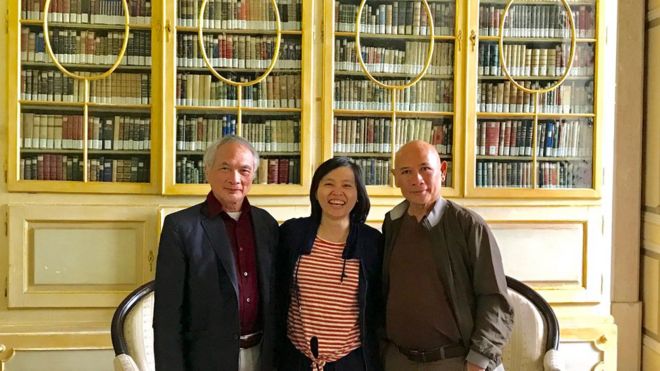
Nhà thơ Hoàng Hưng, TS Đào Hằng và nhà báo Lưu Trọng Văn tại Thư viện Ajuda, nơi lưu giữ văn bản nghiên cứu CQN đầu tiên của F. de Pina
Nhà báo Lưu Trọng Văn và tôi, Hoàng Hưng, vừa làm xong một việc có ý nghĩa ở Lisbon, thủ đô Bồ Đào Nha, coi như mở đầu cuộc tôn vinh Chữ Quốc Ngữ (CQN) mà một nhóm người yêu tiếng Việt khởi xướng từ tháng 3 năm nay (2018).
Ông Nguyễn Đăng Hưng, nguyên GS Đại học Liege Bỉ, nhiều năm về Việt Nam giúp đào tạo cao học, là người có sáng kiến tôn vinh Cha Alexandre de Rhodes (nguyên cớ trực tiếp là do GS bất bình với “đề án chữ Việt mới” của một vị đã từng gây ồn ào truyền thông hồi đầu năm). Sáng kiến này được ông tung trên Facebook cá nhân và đưa ra trong buổi họp mặt các nhà văn thân hữu của mạng Văn Việt cuối tháng 3/2018. Tiếp tục đọc “Bước đi mới tôn vinh chữ Quốc ngữ”→