Tại sao thế giới cần các cộng đồng dân tộc bản địa quản lý đất đai của chính họ?

English: One Earth: Why the World Needs Indigenous Communities to Steward Their Lands

Chỉ vào hình con quạ trong cuốn truyện tranh, tôi đọc “kaak” bằng tiếng Bengali, tiếng nói của vùng này. Trong khi những người khác đồng thanh lặp lại tiếng đó thì các em học sinh lớp một người dân tộc trả lời với cái nhìn trống rỗng. Các em chỉ biết con quạ là “koyo”. Các em sẽ vui vẻ lôi những viên bi thuỷ tinh ra đếm nhưng hỏi đếm được mấy viên, các em sẽ im lặng bởi trong ngôn ngữ mẹ đẻ của các em, một nghĩa là “mit”, hai là “bariah” – rất khác tiếng Bengali là “ek” và “du”.


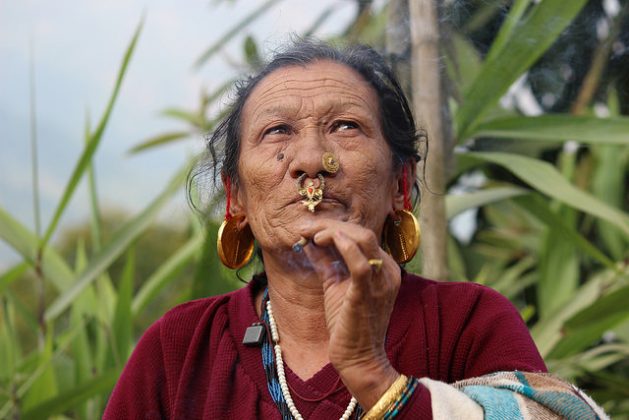
Một bà mẹ đứng đầu gia đình người dân tộc ở tỉnh Sikkim, giàu có về đa dạng sinh học, ngọn đồi dưới chân núi Himalayan. Bà là một kho kiến thức về cây thuốc và cây thực phẩm truyền thống . Tiếp tục đọc “Tại sao thế giới cần các cộng đồng dân tộc bản địa quản lý đất đai của chính họ?”

Thương mại khiêu dâm ở Đông Á và vi phạm nhân quyền

English: East Asia’s pornography trade and abuse of human rights

Lịch sử cuộc chiến tranh nô lệ tình dục của quân đội Nhật Bản đối với phụ nữ vẫn còn trong tâm trí của Đông Á. Các nhà lãnh đạo Nhật Bản làm cho điều này khó quên. Gần đây nhất, Thứ trưởng Ngoại giao Shinsuke Sugiyama  đã tuyên bố với Ủy ban Liên hợp quốc về Xóa bỏ Phân biệt đối xử với Phụ nữ rằng chính phủ của ông khẳng định không có tài liệu xác nhận việc tuyển dụng bắt buộc trong thời kỳ chiến tranh- điều được gọi là “phụ nữ thoải mái “. Sự từ chối của các nhà lãnh đạo Nhật Bản đối với việc  thừa nhận trách nhiệm pháp lý hoặc trả tiền đền bù cho các nạn nhân làm cho mại dâm quân sự trở thành một nền tảng đang tiếp diễn đối với quan hệ ngoại giao của Đông Á.

Việc từ chối thừa nhận lạm dụng tình dục trong quá khứ cũng được phản ánh qua việc không thể thừa nhận và đối mặt với các quy tắc tình dục gây phiền nhiễu và việc lạm dụng tình dục ngày nay. Theo sử gia Nhật Bản Hajime Imanishi, “Các tiêu chuẩn và văn hoá tình dục- điều bao trùm [Nhật Bản] đã phát triển trong quá trình lịch sử”.

Người Đông Á tiếp tục được nhắc nhở về lịch sử nô lệ tình dục. Sản phẩm khiêu dâm được sản xuất tại Nhật Bản và xuất khẩu sang các nước trong khu vực ngày nay tạo thành một thực trạng đang tiếp diễn về nền văn hóa và tiêu chuẩn tình dục được duy trì bởi một số đàn ông Nhật và được ủng hộ bởi nhiều nam giới trong khu vực. Tiếp tục đọc “Thương mại khiêu dâm ở Đông Á và vi phạm nhân quyền”

Giọt nước từ bi: Thư của Sư Cô Chân Không gửi Chính phủ Myanmar và Aung San Suu Kyi

English: Drops of Compassion: a letter from Sister Chan Khong to the Myanmar government and Aung San Suu Kyi

Làng Mai

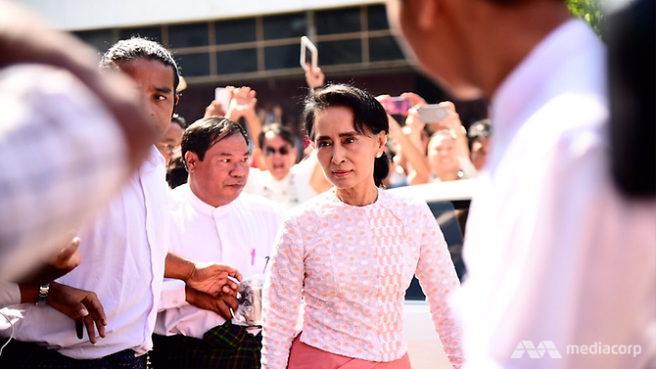
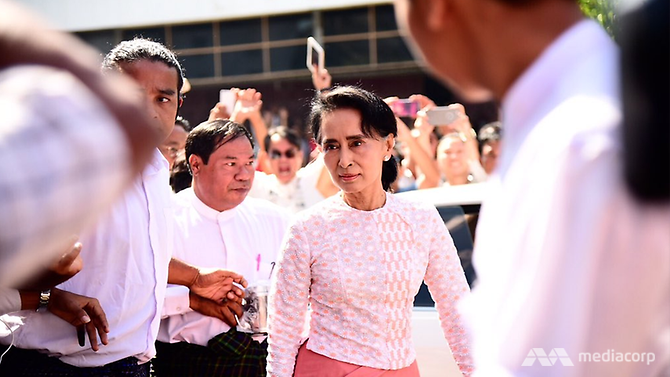
Trước thảm cảnh của người Rohingya theo đạo Hồi bị đàn áp bởi quân đội Myanmar, Sư Cô Chân Không – người chị cả của Dòng tu Tiếp Hiện – đã viết lá thư dưới đây gửi những người đứng đầu Nhà nước Myanmar, kêu gọi chấm dứt bạo lực đối với người Rohingya theo đạo Hồi tại đất nước này.

Đạo tràng Mai thôn, ngày 16 tháng 2 năm 2017

Kính gửi:      Ngài Tổng thống U Htin Kyaw
Nước Cộng hòa Liên bang Myanmar
Văn phòng phủ Tổng thống
Văn phòng số 18, Nay Pyi Taw
Myanmar

Đồng kính gửi:        Daw Aung San Suu Kyi
Cố vấn Nhà nước của Cộng hòa Liên bang Myanmar
Văn phòng Cố vấn Nhà nước
Văn phòng số 20, Nay Pyi Taw
Myanmar

Kính thưa Ngài Tổng thống U Htin Kyaw,

Kính thưa Bà Cố vấn Nhà nước Daw Aung San Suu Kyi,

Chúng tôi xin gửi đến Ngài Tổng thống và Bà Cố vấn lời chào trân kính nhất.

Trong nhiều năm qua chúng tôi luôn khâm phục những cố gắng hết lòng của quý vị trong việc sử dụng những biện pháp hòa bình để đem lại dân chủ, nhân quyền và tái hòa giải cho đất nước Myanmar. Con đường tranh đấu bất bạo động của quý vị đã truyền cảm hứng cho rất nhiều người ở mọi lứa tuổi, quốc tịch, tôn giáo và sắc tộc trên toàn thế giới.

Trong giờ phút này đây, người dân Rohingya tại đất nước quý vị đang phải chịu những đau khổ lớn lao và sự áp bức nặng nề. Chúng tôi biết quý vị chắc hẳn cũng đang bức xúc trước cách cư xử  tàn nhẫn đang giáng xuống những người dân vô tội này, bởi quý vị cũng như là cha mẹ, như là người anh, người chị của họ.
Tiếp tục đọc “Giọt nước từ bi: Thư của Sư Cô Chân Không gửi Chính phủ Myanmar và Aung San Suu Kyi”

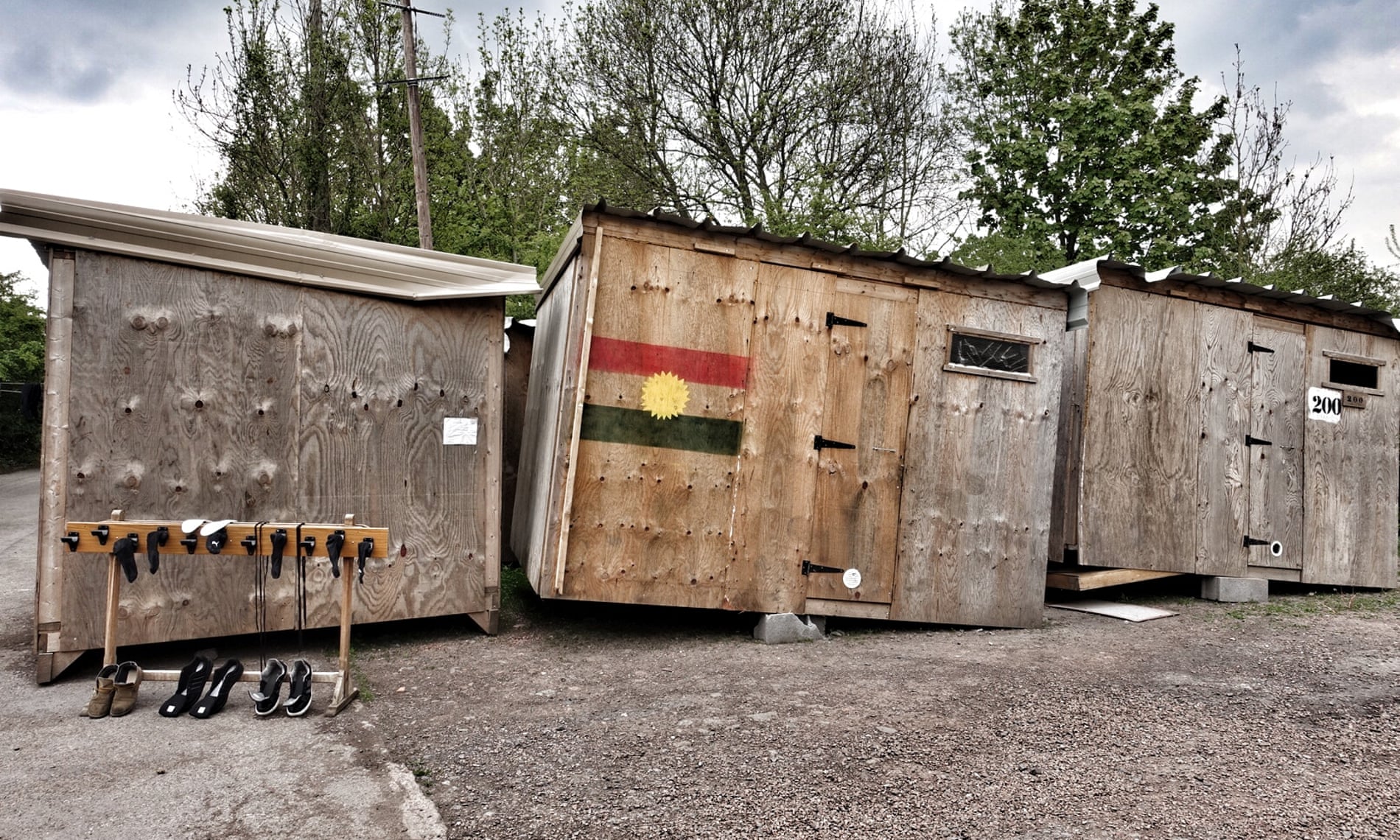
Inside Vietnam City, the French holding camp for vulnerable UK-bound migrants

Hidden in woodland, camp houses up to 100 Vietnamese people allegedly on their way to work illegally in Britain

theguardian – by 

Slavery report sounds alarm over Vietnamese nail bar workers

Independent commissioner calls for licensing to prevent trafficked migrants having to work in slavery-like conditions

Nail bar
The study analyses the experiences of more than a dozen individuals who experienced modern slavery in a nail bar. Photograph: Graham Turner for the Guardian

Britain’s nail bars have such a high risk of modern slavery that a licensing scheme should be introduced to prevent trafficked Vietnamese migrants being employed in slavery-like conditions, Britain’s independent anti-trafficking commissioner is proposing. Tiếp tục đọc “Slavery report sounds alarm over Vietnamese nail bar workers”

Lựa chọn của Hy Lạp

Thái Bình Thứ Bảy,  2/9/2017, 08:12 (GMT+7)

Du khách Trung Quốc trước trụ sở Quốc hội Hy Lạp. Ảnh: NYT

(TBKTSG) – Những đồng tiền đầu tư của Trung Quốc vào Hy Lạp – quốc gia Nam Âu, thành viên của Liên hiệp châu Âu (EU) mấy năm gần đây bị khủng hoảng kinh tế trầm trọng – đã bắt đầu sinh lợi nhuận, không chỉ tính bằng tiền bạc mà cả bằng ảnh hưởng chính trị ngày càng tăng của Bắc Kinh ở Hy Lạp và cả khối EU.

Trong cơn khủng hoảng kéo dài, Hy Lạp phải cầu xin sự trợ giúp của “bộ ba”, gồm EU, Ngân hàng Trung ương châu Âu (ECB) và Quỹ Tiền tệ quốc tế (IMF). Để được vay tiền cứu nguy, Hy Lạp phải thực hiện các biện pháp khắc khổ như tăng thuế, giảm trợ cấp xã hội, giảm biên chế và giảm lương công chức, tư nhân hóa tài sản quốc gia… dù phải đối mặt với làn sóng phẫn nộ của dân chúng. Giữa cảnh khốn quẫn đó, có một bàn tay chìa ra mà Hy Lạp khó mà từ chối: Trung Quốc. Tiếp tục đọc “Lựa chọn của Hy Lạp”

The race to rescue Cambodian children from orphanages exploiting them for profit

Despite good intentions, Australians and others from western countries are often propping up Asian orphanages that separate children from families. Now there’s new efforts to tackle some of the consequences of ‘voluntourism’

A family in Battambang, Cambodia, supported by the Cambodian Children’s Trust which works to keep families together and stop children going to orphanages.
A family in Battambang, Cambodia, supported by the Cambodian Children’s Trust which works to keep families together and stop children going to orphanages. Photograph: Tara Winkler

Much was hidden from the tourists visiting Sinet Chan in her rundown Cambodian orphanage.

When they returned to their hotels, cameras full and best intentions sated, they remained oblivious to the reality of what they had just supported.

Chan, the nine-year-old who sang and danced for them, was being starved. She and the other children hunted and ate mice to survive. Tiếp tục đọc “The race to rescue Cambodian children from orphanages exploiting them for profit”

Aung San Suu Kyi does not deserve the Nobel Peace Prize

Al Jazeera

A person so blatantly affiliated with genocide should not carry the title “Nobel Peace Prize laureate”.

Police officers watch as protesters hold signs against Aung San Suu Kyi, during a rally in support of Myanmar's Rohingya Muslim minority, outside of the Myanmar embassy in Jakarta [Reuters]
Police officers watch as protesters hold signs against Aung San Suu Kyi, during a rally in support of Myanmar’s Rohingya Muslim minority, outside of the Myanmar embassy in Jakarta [Reuters]

By  @HamidDabashi

Hamid Dabashi is the Hagop Kevorkian Professor of Iranian Studies and Comparative Literature at Columbia University.

“There are no more villages left, none at all.” The accounts of the systematic ethnic cleansing of Muslims in Myanmar, now effectively ruled by the world renowned Nobel Peace Prize laureate Aung San Suu Kyi, are finally making it to the mainline news these days. “There are no more people left, either. It is all gone.” Tiếp tục đọc “Aung San Suu Kyi does not deserve the Nobel Peace Prize”

Myanmar: The perilous journey of Rohingya refugees [in pictures]

Al Jazeera

Recent upsurge in violence has forced about 146,000 Rohingya to cross into Bangladesh, according to UN estimates.

06 Sep 2017 10:23 GMT | Rohingya, Myanmar, Humanitarian crises, Human Rights, Myanmar-Bangladesh

About 146,000 Rohingya Muslims have fled from violence in Myanmar since August 25, according to United Nations estimates.

The latest surge brings the total number to 233,000 Rohingya who have sought refuge in Bangladesh since October last year.

The mass exodus came after suspected Rohingya fighters attacked police posts and an army base in the western Rakhine State.

The Myanmar government has blamed the Arakan Rohingya Salvation Army (ARSA) for the violence, but fleeing Rohingya civilians accused the Myanmar army of carrying out a campaign of arson and killings – aimed at forcing them out of the country.

Tiếp tục đọc “Myanmar: The perilous journey of Rohingya refugees [in pictures]”

Who are the Rohingya Muslims?

Al Jazeera

Why are the more than one million Rohingya in Myanmar considered the ‘world’s most persecuted minority’?

Newly arrived Rohingya refugees sit inside a shelter at the Kutupalang refugee camp in Cox’s Bazar, Bangladesh [Mohammad Ponir Hossain/Reuters]

By

Who are the Rohingya?

The Rohingya are often described as “the world’s most persecuted minority”.

They are an ethnic Muslim group who have lived for centuries in the majority Buddhist Myanmar. Currently, there are about 1.1 million Rohingya Muslims who live in the Southeast Asian country.

The Rohingya speak Rohingya or Ruaingga, a dialect that is distinct to others spoken in Rakhine State and throughout Myanmar. They are not considered one of the country’s 135 official ethnic groups and have been denied citizenship in Myanmar since 1982, which has effectively rendered them stateless. Tiếp tục đọc “Who are the Rohingya Muslims?”

UN Chief asks all nations to sign new pact protecting women

pb – by  • August 21, 2017 

A member of the all-female Bangladeshi police unit, preparing to leave the UN mission in Haiti as it closes. A new UN compact with countries connected to a peacekeeping mission is being circulated for signature to help prevent sex abuse and exploitation. LOGAN ABASSI/MINUSTAH

Haunted by accumulating reports of sexual exploitation and abuse of women and girls by United Nations peacekeepers and others attached to UN missions around the world, Secretary-General António Guterres is taking the bold, unprecedented step of asking all governments to sign a compact pledging to prevent and stop these violations. Tiếp tục đọc “UN Chief asks all nations to sign new pact protecting women”

What effect did the Crusades have on the Middle East?

The Europeans besiege Jerusalem, seeking to "liberate" it from Muslim rule, 1099.
The Crusaders or Franks attack Jerusalem during the First Crusade, 1099. Getty Images

Updated June 13, 2017

Between 1095 and 1291, Christians from western Europe launched a series of eight major invasions against the Middle East. These attacks, called the Crusades, were aimed at “liberating” the Holy Land and Jerusalem from Muslim rule.

The Crusades were sparked by religious fervor in Europe, by exhortations from various Popes, and by the need to rid Europe of excess warriors left over from regional wars.

What effect did these attacks, which came from out of the blue from the perspective of Muslims and Jews in the Holy Land, have on the Middle East? Tiếp tục đọc “What effect did the Crusades have on the Middle East?”

Christianity and Violence: The Crusades

Knight of the Crusades
Knight of the Crusades. donald_gruener/E+/Getty

TC – by Austin Cline – Updated March 17, 2016

One of the most famous examples of religious violence in the Middle Ages is of course the Crusades – attempts by European Christians to impose their vision of religion upon Jews, Orthodox Christians, heretics, Muslims, and just about anyone else who happened to get in the way. Traditionally the term “Crusades” are limited to describing massive military expeditions by Christians to the Middle East, but it is more accurate to acknowledge that there also existed “crusades” internal to Europe and directed at local minority groups. Tiếp tục đọc “Christianity and Violence: The Crusades”

Myanmar’s Rakhine a human rights crisis: Kofi Annan

channelnewsasia

Myanmar’s western Rakhine state represents a human rights crisis, affecting particularly the Muslim community or Rohingyas there.

NAY PYI TAW: Myanmar’s western Rakhine state represents a human rights crisis, affecting particularly the Muslim community or Rohingyas there.

The Rakhine Advisory Commission, led by its chairman, the former UN Chief Kofi Annan, gave this assessment, without identifying the Rohingyas by name, in its final report released on Thursday (Aug 24). Tiếp tục đọc “Myanmar’s Rakhine a human rights crisis: Kofi Annan”

Cambodia shutters radio stations, expels US NGO

Al Jazeera Aug. 23, 2017

Khmer-language stations, Maha Nokor and Voice of Democracy, ordered closed as more media face legal threats.

Analysts said critical media are being targeted ahead of the 2018 polls [File: Reuters]

The government of Cambodia has shut down two independent radio stations and ordered the foreign staff of an American NGO to leave the country in the latest move against critics ahead of a general election next year.

The orders on Wednesday came a day after long-time Prime Minister Hun Sen threatened the Cambodia Daily, one of the country’s few remaining critical newspapers, with closure over an alleged unpaid tax bill of more than $6m, calling them “thieves”. Tiếp tục đọc “Cambodia shutters radio stations, expels US NGO”