How to create powerful citizens: students learn how to demand transparency in public procurement

transperancy.org

Fighting Corruption: The Next Generation

What happens when you take a group of young people and give them a taste of citizen power?

The answer: Lots!

“So, you want us to become snitches?!”

That was one of the first reactions we got, in response to our idea.

Our plan was this: run a training lab to make a group of young people aware of their power as citizens.

The aim? To get them to understand the role they can play in making public procurement more transparent. A big ask? Perhaps. But our experience has shown that it can be done, and with positive results that could help shape the future.

The Power of Youth
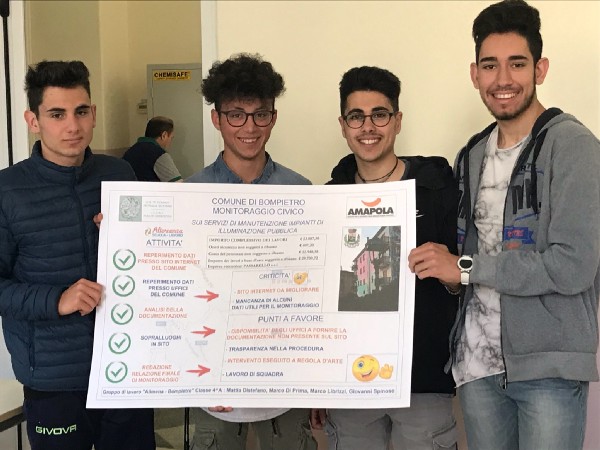
Engaged citizens!

In the fight against corruption, young people represent the future.

Our setting was Madonie, in the province of Palermo, Sicily. The area has an ageing, shrinking population. That means it’s even more important to convince students of the importance of exercising their power as citizens.

With a group of 13 students, it’s true to say that we didn’t really know what to expect. But with a bit of creative thinking they all got on board and really surprised us.

A Hard Topic for Students?

Ok, ok, so public procurement is clearly not what teenagers spend most of their time thinking about!

Tiếp tục đọc “How to create powerful citizens: students learn how to demand transparency in public procurement” →

Investor-state dispute settlement: An anachronism whose time has gone


JPEG - 80 kb

isds.bilaterals.org  Council on Economic Policies | 24 September 2018

Investor-state dispute settlement: An anachronism whose time has gone

Investor-State Dispute Settlement (ISDS) – a mechanism that allows foreign investors to bring claims against host governments to an international arbitral tribunal – is a postcolonial relic that should be abolished. Its alleged benefits have not materialized and its costs – monetary and other – can represent a formidable obstacle to good economic governance. We recommend policymakers to terminate ISDS provisions in existing agreements and eschew them in future trade and investment treaties.

Read the policy brief (pdf)

RCEP countries open to easing investment rules, agree to ease ISDS clauses

isds.bilaterals.org

JPEG - 35.9 kb

Business Standard | 10 September 2018

RCEP countries open to easing investment rules, agree to ease ISDS clauses

by Subhayan Chakraborty

Despite treading diametrically opposite paths on tariffs and market access, India and China, along with other nations, have hit it off on talks regarding investment norms in the proposed Regional Comprehensive Economic Partnership (RCEP) pact.

In a bid to fast-track the deal, most nations have agreed to ease the investor-state-dispute settlement (ISDS) clauses.

These refer to a broad range of legal and policy norms regulating the process by which an investing private entity from another nation may seek legal recourse in the event of a dispute with the state.

The RCEP is a proposed pact between 10 Asean economies and six other nations (New Zealand, Australia, China, India, Japan and South Korea). So far, 23 rounds of talks have concluded, apart from six minister-level meets. Tiếp tục đọc “RCEP countries open to easing investment rules, agree to ease ISDS clauses” →

Investment protection in EU Vietnam FTA


JPEG - 58.5 kb

Vietnam Briefing | 24 August 2018

Investment protection in EU Vietnam FTA

by Koushan Das

Vietnam and the EU recently completed the legal review of their EU Vietnam Free Trade Agreement (EVFTA). The agreement will now be translated into 22 EU official languages and sent to the European Parliament for final approval. Along with the FTA, EU and Vietnam has also concluded their discussions on an Investment Protection Agreement (IPA), which they decided to keep it separate from the FTA. The IPA, which is currently undergoing a legal review, aims to protect investors and investments in EU and Vietnam. Tiếp tục đọc “Investment protection in EU Vietnam FTA” →

What is investor-state dispute settlement (ISDS)?

Chuỗi bài liên hệ: Những bí mật về một tòa án siêu toàn cầu

bitaterals.org
ISDS is a mechanism included in many trade and investment agreements to settle disputes. Settling these investor disputes relies on arbitration rather than public courts. Under agreements which include ISDS mechanisms, a company from one signatory state investing in another signatory state can argue that new laws or regulations could negatively affect its expected profits or investment potential, and seek compensation in a binding arbitration tribunal. Corporations typically seek compensation which may amount to millions or billions of US dollars.

The system only provides for foreign companies to sue states, not the other way around. Tiếp tục đọc “What is investor-state dispute settlement (ISDS)?” →

Canada strips Myanmar’s Aung San Suu Kyi of honorary citizenship

Alzajeera

Canadian lawmakers vote unanimously to revoke symbolic honour from Myanmar leader over her handling of Rohingya crisis.

The world’s largest floating solar farm is producing energy atop a former coal mine

SUNGROW POWER Bye, bye, coal.

The Chinese city of Huainan is rich in coal—very rich. By one 2008 estimate, it has nearly a fifth of all of China’s coal reserves.

Now the city has become home to the world’s largest floating solar farm. Appropriately, it has been built atop a former coal mine, which had become a lake after being flooded with groundwater. The China Daily reports that the farm started generating electricity earlier this week.

The 40-megawatt power plant consists of 120,000 solar panels covering an area of more than 160 American football fields. The $45-million investment could help power 15,000 homes. Here’s a drone tour of the solar farm, set to electronic music:

Tiếp tục đọc “The world’s largest floating solar farm is producing energy atop a former coal mine” →

Đốn hạ cổ thụ trên 100 năm để trồng cây xanh mới

Bắc Bình –  22 THANH NIÊN

Vừa qua, 13 cây dầu cổ thụ trên 100 năm tuổi thuộc TT.Châu Thành (H.Châu Thành, Trà Vinh) đã bị đốn hạ.

Một trong số những cây dầu cổ thụ bị cưa hạ nằm ven QL54 /// Ảnh: Bắc Bình
Một trong số những cây dầu cổ thụ bị cưa hạ nằm ven QL54 – ẢNH: BẮC BÌNH

Trước đây, theo QL54, chạy từ TP.Trà Vinh ra khoảng 10 km theo hướng nam là hết địa bàn TT.Châu Thành, dọc hai bên đường này rợp bóng cây xanh. Thế nhưng đến ngày 2.8.2018 thì 13 cây dầu cổ thụ ở tuyến đường này đã bị “hạ gục”.

Cụ Trịnh Dân (70 tuổi, ngụ KP.2, TT.Châu Thành) tâm tư: “Hàng cây cũng bị chặt rồi và đó là quyết định của chính quyền, tôi không bình luận. Tuy nhiên, tôi vẫn luôn cho rằng phố thị có cây xanh mới phù hợp, mới đẹp”. Gần đó, cụ Lâm Nhị (101 tuổi) cho biết mấy mươi năm nay, cụ chưa thấy hàng cây gây hại gì cho cuộc sống của mình và người dân xung quanh. Tiếp tục đọc “Đốn hạ cổ thụ trên 100 năm để trồng cây xanh mới” →

Dạy trẻ em về tiền bạc và chi tiêu: những bài học quan trọng

English: The 5 Most Important Money Lessons To Teach Your Kids

Chúng ta đều thấy tầm quan trọng của các kĩ năng tài chính trong việc điều hướng cuộc đời ra sao, nhưng thật bất ngờ là trường học của chúng ta không dạy trẻ về tiền bạc.

Tuy nhiên, là cha mẹ, chúng ta có thể dạy cho con mình những bài học tài chính quan trọng – và chúng ta nên làm như vậy.

“Tại Mỹ, nhìn vào cuộc khủng hoảng thế chấp và bao nhiêu gia đình đã mất nhà cửa – 3,9 triệu căn nhà bị tịch thu. Nhìn vào số tiền – 1,1 nghìn tỷ đô-la mà chúng ta nợ trong khoản nợ vay sinh viên. Con số – 845 tỷ đô la – chúng ta nợ trong nợ thẻ tín dụng. Rõ ràng là người lớn không biết nhiều về tiền bạc. Để giúp thế hệ tiếp theo tránh những sai lầm của người đi trước, và có cuộc sống phù hợp về mặt tài chính, trẻ em cần được dạy những điều thiết yếu về tiền bạc”, Beth Kobliner – tác giả cuốn sách bán chạy của New York Times “Get a Financial Life” và là một thành viên của Hội đồng Cố vấn của Tổng thống về Năng lực Tài chính, người dẫn đầu việc tạo ra chương trình “Money as You Grow” trang bị các bài học về tiền phù hợp với lứa tuổi cho trẻ em. Tiếp tục đọc “Dạy trẻ em về tiền bạc và chi tiêu: những bài học quan trọng” →

Tăng thuế bảo vệ môi trường với xăng lên khung cao nhất 4.000 đồng/lít

Zing.vn

 Ủy ban Thường vụ Quốc hội biểu quyết thông qua nghị quyết tăng thuế bảo vệ môi trường với các mặt hàng xăng dầu. Thuế môi trường với xăng dự kiến tăng lên 4.000 đồng/lít từ 2019.

Chiều nay 20/9, Uỷ ban Thường vụ Quốc hội đã thảo luận và biểu quyết thông qua dự thảo Nghị quyết về biểu thuế bảo vệ môi trường. Thuế môi trường đối với xăng được tăng kịch trần lên mức 4.000 đồng/lít (mức cũ là 3.000 đồng/lít). Tiếp tục đọc “Tăng thuế bảo vệ môi trường với xăng lên khung cao nhất 4.000 đồng/lít” →

Vietnam’s vaccine champion

PATH.org

September 24, 2018 by Katie Regan

Dr Le Van Be at IVAC_PATH/Hai Trinh.JPG

Dr. Le Van Be, director of the Institute of Vaccines and Medical Biologicals (IVAC) in Nha Trang, Vietnam, is driven by a childhood encounter with rabies to improve the health outcomes of the people of Vietnam. Photo: PATH/Hai Trinh.

Dr. Le Van Be, director of the Institute of Vaccines and Medical Biologicals, believes in the power of vaccines. And he is committed to seeing locally made influenza vaccine become a reality. Tiếp tục đọc “Vietnam’s vaccine champion” →

Tương lai việc làm Việt Nam: Khai thác xu hướng lớn cho sự phát triển thịnh vượng hơn

Tóm tắt tổng quan

Lực lượng lao động gồm 50 triệu người của Việt Nam
đang là nền tảng làm nên thành công kinh tế cho đất
nước. Quá trình chuyển đổi sang lĩnh vực dịch vụ, chế
tạo/chế biến, cùng với năng suất lao động ấn tượng và
mức lương tăng dẫn tới tỉ lệ nghèo giảm mạnh và tốc
độ tăng trưởng kinh tế ấn tượng trong vòng mấy thập
kỷ qua. Tỉ lệ có việc làm cao, trong khi tỉ lệ thất nghiệp
thấp theo tiêu chuẩn thế giới.

Thách thức về việc làm là làm sao tạo được những
việc làm có chất lượng hơn và bao phủ hơn. Những
nhà máy khang trang của nước ngoài trả lương công
nhân cao hơn mức lương tối thiểu, kèm theo các chế
độ phúc lợi xã hội, nhiều nhất cũng chỉ tạo được 2,1
triệu việc làm. Doanh nghiệp trong nước có đăng ký
kinh doanh cung cấp không quá 6 triệu việc làm nữa.
Trong khi đó, 38 triệu việc làm ở Việt Nam nằm ở
các hộ nông nghiệp, hộ kinh doanh cá thể hay việc
làm thuê không hợp đồng. Những loại hình việc làm
truyền thống này thường có đặc trưng năng suất thấp,
lợi nhuận thấp, thu nhập ít ỏi và không có nhiều chế
độ bảo vệ người lao động. Dù đây là con đường để
thoát nghèo nhưng sẽ không phải là phương cách để
đạt đến vị thế tầng lớp trung lưu mà người dân Việt
Nam mong muốn. Người dân tộc thiểu số, phụ nữ và
lao động phổ thông phân bổ rải rác trong nhóm những
việc làm này.
Tiếp tục đọc “Tương lai việc làm Việt Nam: Khai thác xu hướng lớn cho sự phát triển thịnh vượng hơn” →

Thế Nước, Lòng Dân, Vận Ðảng

Trò chuyện cùng nhà báo Nhị Lê – Phó Tổng Biên tập Tạp chí Cộng Sản

Thế Nước, Lòng Dân, Vận Ðảng

TP – Nhị Lê là một nhà lý luận của Ðảng, đồng thời cũng là một nhà báo thẳng thắn, luôn mong muốn nhận diện và phân tích các nguy cơ với Ðảng, tham gia đề xuất các giải pháp sửa đổi và kiện toàn quyết sách phát triển đất nước phù hợp với tình hình mới. Nhân dịp kỷ niệm 73 năm Cách mạng Tháng Tám và ngày Quốc khánh 2/9, nhà báo Nhị Lê trả lời phỏng vấn báo Tiền Phong về những vấn đề mà nhân dân cả nước đang rất quan tâm.

Tiếp tục đọc “Thế Nước, Lòng Dân, Vận Ðảng” →

Community-based tourism and new livelihoods in Vietnam

Visitors to Camn Thanh in round bottom boats operated by locals as part of their community-based tourism. Credit: HanoiTV.vn

By Tran Thuy Binh

Can Thanh, Vietnam, September 17, 2018

Despite knowing the damage she was causing, Nguyen Thi Vang still walks through the coral reef in the Tam Hai sea to collect seaweed for her daily meals. “When I walk, I heard its broken sound and I feel painful,” said Nguyen. “Yet I need seaweed.”

When seaweed dies it floats on the water. But due to high demand locals pick the seaweed while it is still alive, walking over and often breaking parts of the coral reef. While the harvest season traditionally starts in May, Nguyen and other locals collect earlier. “People from other communes come and if we do not harvest they will collect it all,” said Nguyen. Tiếp tục đọc “Community-based tourism and new livelihoods in Vietnam” →