TTCT – Trên mạng Internet những ngày này lan truyền hình ảnh vệ tinh cho thấy hầu hết các thành phố lớn của Ukraine chìm trong bóng tối. Các cuộc tấn công của Matxcơva vào hạ tầng năng lượng Kiev đang ảnh hưởng thế nào tới cục diện chiến sự?
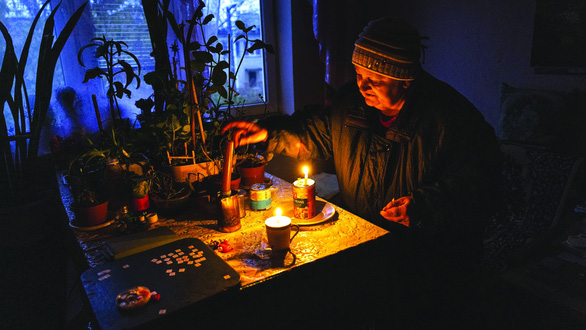
Ekaterina Martynyuk thắp nến trong căn hộ của bà ở Kherson, Ukraine, ngày 15-11, cả thành phố đã cúp điện và nước từ khi quân Nga rút đi năm ngày trước. Ảnh: Getty Images
Từ 23-11, lần đầu tiên trong lịch sử Ukraine, ba nhà máy điện hạt nhân còn lại của nước này (Rivne, Khmelnytsky và Nam Ukraine) được đặt ở chế độ khẩn cấp, hầu hết các nhà máy nhiệt điện tạm thời cúp điện, 11 khu vực chìm trong bóng tối, bao gồm Kiev, Lvov và Odessa.
Hệ thống nước và sưởi ấm đã ngừng hoạt động ở nhiều thành phố. Kiev mất điện 70%. Thông tin liên lạc và giao thông một số nơi cũng gián đoạn. Thị trưởng Kiev Vitaly Klitschko kêu gọi người dân, những ai có thể, tạm thời sơ tán về vùng quê để trụ qua mùa đông 2022 này.
US Department of Energy officials announced a history-making accomplishment in nuclear fusion Tuesday: For the first time, US scientists produced more energy from fusion than the laser energy they used to power the experiment.
A so-called “net energy gain” is a major milestone in a decadeslong attempt to source clean, limitless energy from nuclear fusion – the reaction that happens when two or more atoms are fused together.
The experiment put in 2.05 megajoules of energy to the target and resulted in 3.15 megajoules of fusion energy output – generating more than 50% more energy than was put in. It’s the first time an experiment resulted in a meaningful gain of energy.
Teachers of Nguyen Dinh Chieu Special School for the Visually Impaired in Ho Chi Minh City have made Braille textbooks for their students during the last three months. Photo: Ngoc Phuong – Pho Huong / Tuoi Tre
Instead of having a normal summer break, teachers at Nguyen Dinh Chieu Special School for the Visually Impaired in Ho Chi Minh City used their free time to prepare Braille books for a new curriculum for blind students.
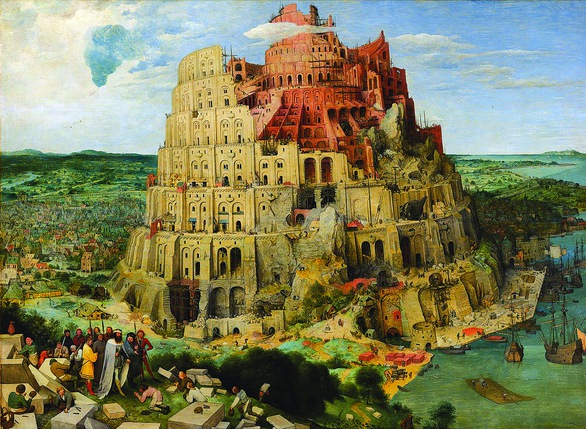
TTCT – Lại một kỳ họp cải cách Hội đồng Bảo an Liên Hiệp Quốc (HĐBA LHQ) kết thúc mà không có tiến triển gì ở cái “tháp Babel” đã lừng lững 71 năm tại New York.
Tháp Babel, tranh của Pieter Bruegel Cha, 1563. Ảnh: Wikipedia
Mong muốn, không chỉ của đại sứ Việt Nam tại LHQ, mà còn của nhiều nước khác, là HĐBA nên được mở rộng ở cả hai nhóm thường trực và không thường trực, dành thêm chỗ cho các nước đang phát triển hơn, đúng với tỉ lệ của tổ chức, hạn chế quyền phủ quyết vô tội vạ… đã được nêu ra suốt 14 “mùa” thảo luận, nhưng vẫn chưa thấy có kết quả gì.
With data on the flow of sand from the upstream Mekong and the amount being extracted, scientists can now calculate how much sand can be mined without further harm to Vietnam’s Mekong Delta
Dredged sand is transported in the Mekong Delta, Vietnam. The Mekong Delta is sinking due to unsustainable sand mining and the impacts of upstream dams. (Image: Josef Kubes / Alamy)
“>
Dredged sand is transported in the Mekong Delta, Vietnam. The Mekong Delta is sinking due to unsustainable sand mining and the impacts of upstream dams. (Image: Josef Kubes / Alamy)
Many people will be familiar with the dread when your income no longer covers your expenses; when you’ve exhausted your savings and are sinking ever deeper into debt. In the Mekong Delta, a similar downward spiral is happening. But it’s not the delta’s finances that are draining away – it’s the sand that sustains it. Not its economic stability that is being undermined, but its very foundations.
The Mekong is literally drowning in ‘sand debt’: far more sand is being removed than is being replenished. Without a budget setting out how much sand can be extracted sustainably, this debt will turn into disaster.
If you only look at the headline figures, all seems well with Vietnam’s Mekong Delta and the connected Dong Nai Delta – home to a combined 40 million people, growing cities, thriving economies, and a major regional rice bowl and seafood source. But a closer look reveals some real cause for alarm. The Mekong Delta is sinking. Saltwater is intruding ever further inland. The water table is dropping. All these come with significant costs to communities and nature, as infrastructure, livelihoods and the survival of species are negatively affected.
Mekong Delta farmers turn to indigenous rice strain to counter unpredictable floods as upstream dams affect water flow
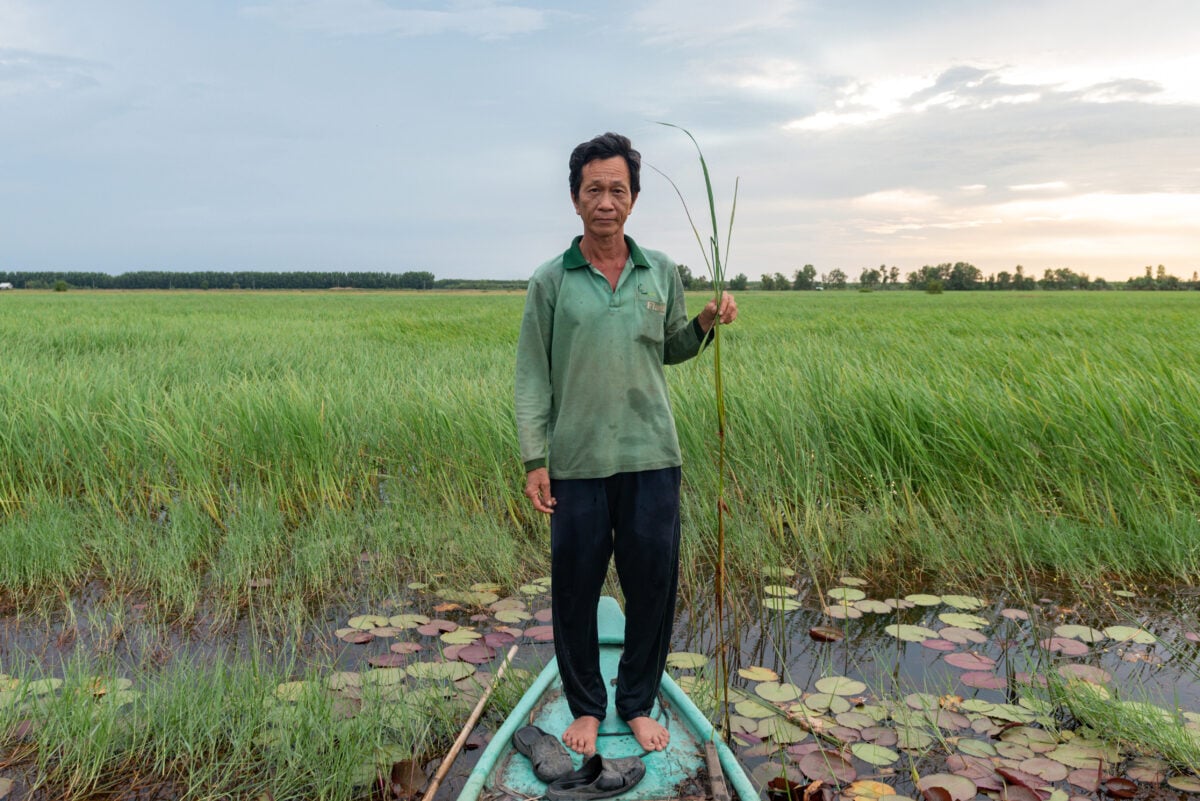
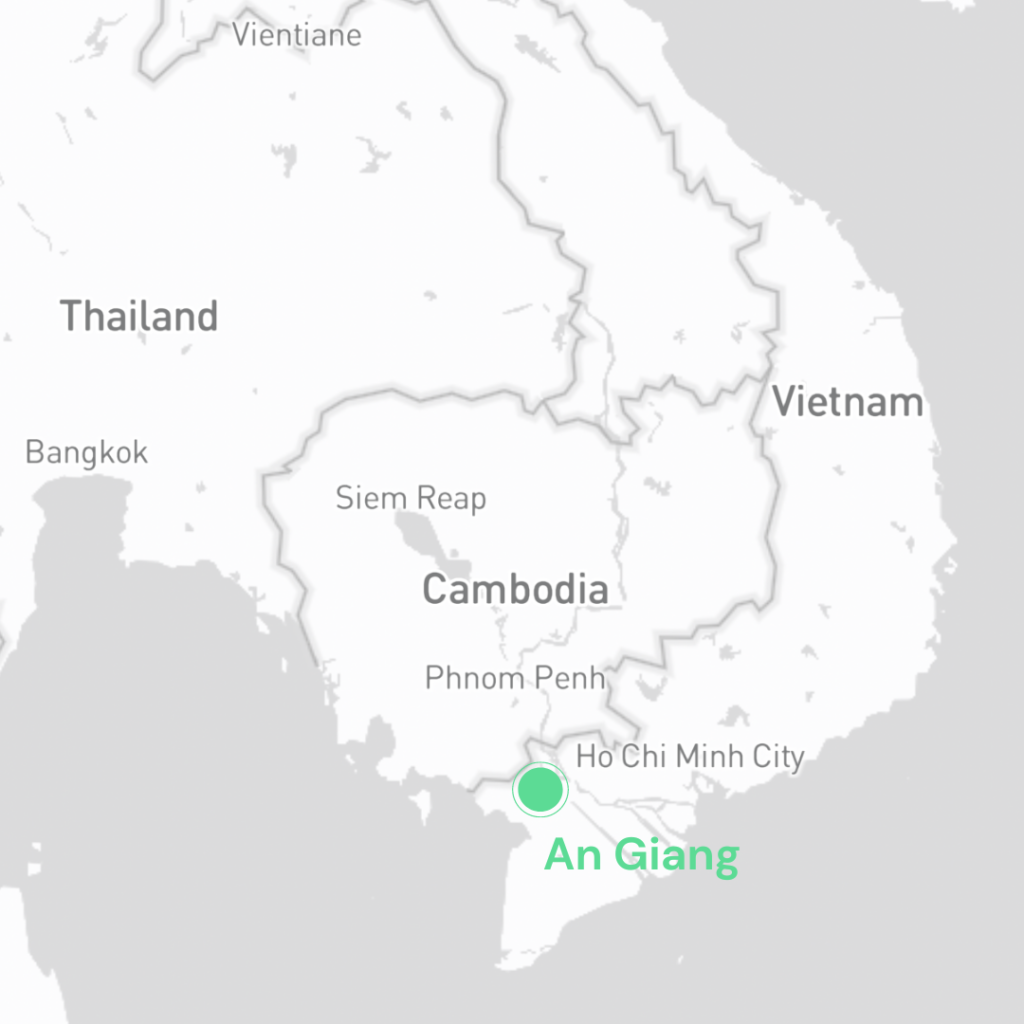
Farmer Bui Bich Tien, 52, holds a floating rice plant that grows taller than himself in his fields during the floating season in Vinh An hamlet, An Giang province, Vietnam. PHOTO: Thanh Hue
AN GIANG, VIETNAM – Before the first August rain of the flood season in Vietnam’s Mekong Delta, Bui Bich Tien started planting rice seedlings. Over the next six months, as the annual floods from upstream inundated his farmland in Vinh An hamlet, Tri Ton district in An Giang province, the rice grew with and above the rising water level.
This is no ordinary rice variety. Known as floating or deep-water rice, as the water level rises, the rice plants outgrow it, reaching up to three meters tall. It was once a staple, feeding farmers across five Mekong countries.
Tien, 52, is one of the few farmers to continue this tradition. He has been growing this species since he inherited 1.5 hectares of land in 1999.
By harnessing opportunities across sectors—particularly in power—Vietnam could potentially accelerate decarbonization to achieve net-zero emissions by 2050.
Vietnam is more exposed to climate risk than nearly any other country in the world. By some estimates, it is one of the top five countries likely to be most affected by climate change.1 Barring adaptation and mitigation measures, the country could face severe social and economic consequences.
Stakeholders across the country understand this reality and have begun making pledges and announcing policies aimed at reducing greenhouse-gas (GHG) emissions. At the UN Climate Change Conference in Glasgow (COP26) in 2021, Prime Minister Pham Minh Chinh announced the country’s commitment to phase out coal power generation by the 2040s and achieve net-zero carbon emissions by 2050. Most recently, in its National Strategy on Climate Change, Vietnam announced a 43.5 percent emissions-reduction target by 2030, sector-specific emissions targets for 2030 and 2050, and qualitative suggestions for achieving these goals.2
While these are praiseworthy goals, they are unlikely to propel Vietnam to net-zero emissions by 2050 on their own. Carrying out that mission will require more detailed and specific actions. To sketch out one possible scenario for Vietnam to achieve its climate ambitions, we conducted a bottom-up analysis of the country’s key economic sectors and the required emissions trajectory. Carefully focused and aggressive actions to reduce emissions across sectors of the economy, especially in power, could put Vietnam on a path to potentially achieve net-zero emissions by 2050.
This transition won’t be easy. Vietnam faces structural challenges, and the transition will require considerable investment—as well as significant mindset and operational changes. Nonetheless, by building on existing efforts and engaging across sectors, Vietnam could realize its commitments and help keep global warming below key thresholds.
Such actions would also improve health outcomes, provide access to new sustainable value pools, and grow GDP.
A Taiwanese patrol boat fires a ship-to-ship missile during a military drill in 2006. Vietnam slammed Taiwan’s recent live-fire exercises near Taiping Island as “illegal”. Photo: AFP
Vietnam was quick to voice its displeasure this month at Taiwanese military drills near a South China Sea island that both claim, but analysts say the incident speaks more to Taipei’s anxiety for its outlying islands’ continued security than the state of its relations with Hanoi.
Ethnic minority languages are an important component of national identity. In the Central Highlands region, young singer Balin has found a unique way to preserve and promote his Jarai language by introducing bilingual songs in the Jarai and Vietnamese languages to the public.
Nhan Dan (People) Newspaper held a talk with him to learn more about the project.
Question: You have covered popular songs in your native language, which have received tens of millions of views on YouTube. Can you tell us why you decided to turn to singing and composing songs in your mother language?
The Google logo is pictured at the entrance to the Google offices in London, Britain January 18, 2019. REUTERS/Hannah McKay
(Reuters) – The U.S. Supreme Court on Monday asked the Biden administration to weigh in on song-lyric website Genius’ attempt to revive a lawsuit over Google’s alleged theft of its work.
The justices are considering whether to hear ML Genius Holdings LLC’s bid to overturn a U.S. appeals court’s ruling that its case against Google LLC was preempted by federal copyright law.
The Supreme Court often asks for the solicitor general’s input on cases in which the U.S. government may have an interest.
Representatives for the companies did not immediately respond to requests for comment.
Genius, formerly known as Rap Genius, keeps a database of song lyrics and annotations maintained by volunteers. It sued Google and its partner LyricFind in New York state court in 2019 for allegedly posting its lyric transcriptions at the top of Google search results without permission.
Council on Foreign Relations, James M. Lindsay A woman casts her vote at a polling station during the 2018 general election in Rawalpindi, Pakistan. Faisal Mahmood/Reuters
Millions of people around the world voted in 2022. South Koreans narrowly elected conservative candidate Yoon Suk-Yoel president.
Viktor Orbán remained Hungary’s prime minister as his far-right Fidesz Party dominated a heavily gerrymandered election.
Emmanuel Macron won reelection in France, making him the first French president in two decades to win reelection.
Voters in the Philippines elected Ferdinand “Bongbong” Marcos, Jr., the son of the dictator ousted from power in 1986, president.
Anthony Albanese and the Australian Labour Party won Australia’s parliamentary elections, ending nine years of Liberal Party control.
Colombians elected their first leftist president, Gustavo Petro, a former guerilla fighter. Tiếp tục đọc “Five Elections to Watch in 2023”→
TTCT – Sau hơn 40 năm đổi mới và bắt đầu thu hút đầu tư nước ngoài, lĩnh vực sản xuất chế tạo hàng hóa xuất khẩu tập trung ở vùng Đông Nam Bộ, từng là đầu tàu đưa cả nước tiến lên về mặt kinh tế, đang đứng trước nhiều thách thức.
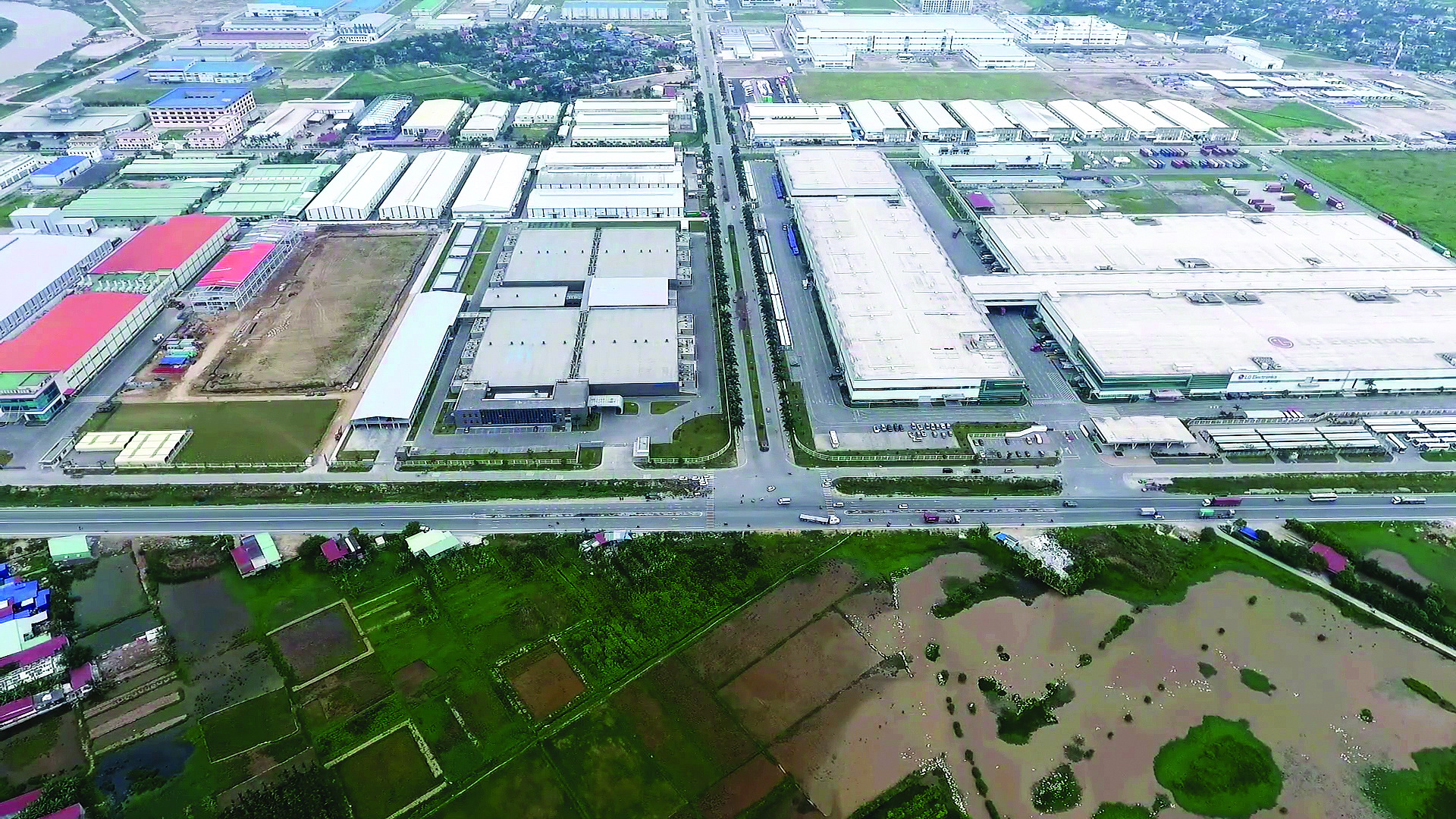
Một góc Khu công nghiệp Tràng Duệ, huyện An Dương, TP Hải Phòng. Ảnh: TIẾN THẮNG
Lịch sử phát triển các khu công nghiệp ở Đông Nam Bộ sau ngày thống nhất đất nước ghi danh Khu chế xuất Tân Thuận là cái tên đầu tiên vào năm 1991.
Nhưng cái tên đáng nhớ nhất thời điểm đấy – như sự khai sinh một ngành công nghiệp chế tạo lắp ráp đúng nghĩa, phải là VMEP với thương hiệu xe máy duy nhất lắp ráp hoàn chỉnh ở Việt Nam vào năm 1992: SYM với các dòng xe Angel, Magic và Bonus.
Sotheby’s auction of the exclusive licensed rights to the Widi Reserve, more than100 environmentally protected islands that cover 25,000 acres in Indonesia, has been delayed from its originally scheduled date last week. The holdup follows backlash from environmental groups, which say the privatization and development of the islands could cause ecological damage and interfere with life in coastal communities.
U.S. Secretary of State Antony Blinken gave a speech on Monday in which he denounced the practice of arbitrary detention, calling it “completely unacceptable.” He’s correct, but what’s especially puzzling about this practice is that states sometimes use it even when it is contrary to their stated aims and damaging to their overall interests.
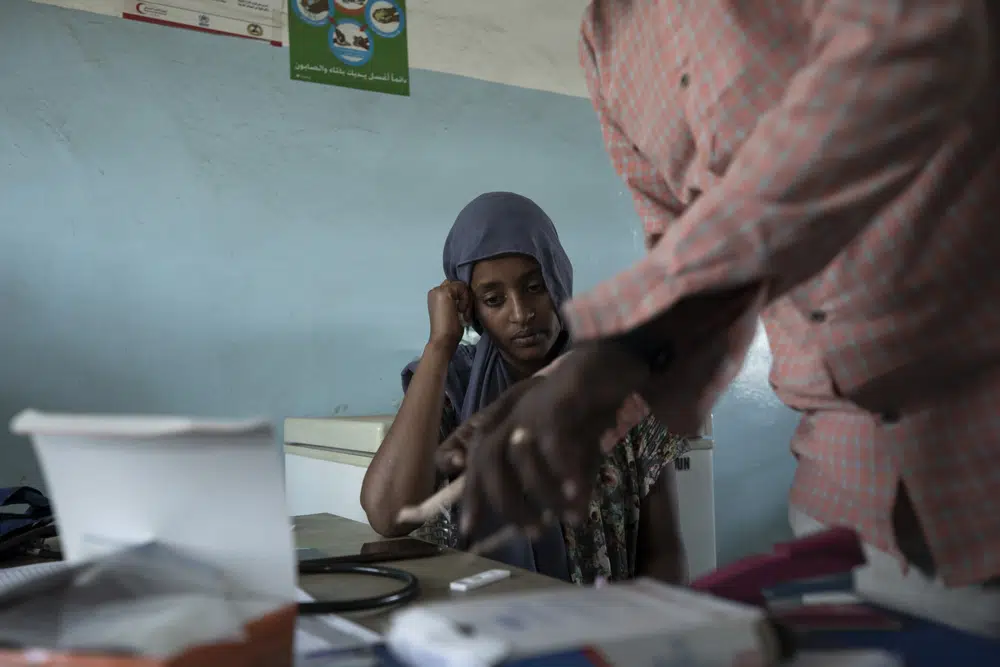
FILE – Surgeon and doctor-turned-refugee, Dr. Tewodros Tefera, prepares a malaria test for 23-year-old Tigrayan refugee Hareg from Mekele, Ethiopia, at the Sudanese Red Crescent clinic in Hamdayet, eastern Sudan, near the border with Ethiopia, on March 17, 2021. The coronavirus pandemic interrupted efforts to control malaria, resulting in 63,000 more deaths and 13 million more infections. That’s according to a World Health Organization report released Thursday Dec. 8, 2022. (AP Photo/Nariman El-Mofty, File)
The coronavirus pandemic interrupted efforts to control malaria, resulting in 63,000 additional deaths and 13 million more infections globally over two years, according to a report from the World Health Organization published Thursday.
Cases of the parasitic disease went up in 2020 and continued to climb in 2021, though at a slower pace, the U.N. health agency said Thursday. About 95% of the world’s 247 million malaria infections and 619,000 deaths last year were in Africa.
“We were off track before the pandemic and the pandemic has now made things worse,” said Abdisalan Noor, a senior official in WHO’s malaria department.
Alister Craig, dean of biological sciences at the Liverpool School of Tropical Medicine, noted that progress in reducing malaria deaths had stalled even before COVID-19.
“It is almost as if we have reached a limit of effectiveness for the tools we have now,” said Lister, who was not linked to the WHO report.
ADVERTISEMENT
Noor said he expected the wider rollout of the world’s first authorized malaria vaccine next year to have a “considerable impact” on reducing the number of severe illnesses and deaths if enough children get immunized, adding that more than 20 countries have applied to vaccines alliance Gavi for help in securing the shot. Still, the vaccine is only about 30% effective and requires four doses.
Bed nets can protect people from being bitten by the mosquitoes that spread malaria. The WHO report found that about three-quarters of nets provided by donors have been distributed, but there are major gaps in some of the worst-hit countries. Authorities in Nigeria, for example, gave out just over half their nets, while Congo distributed about 42% of theirs.
Officials also raised concerns about a new invasive mosquito species that thrives in cities, is resistant to many pesticides and which could undo years of progress against malaria. The invasive species has not yet significantly contributed to the continent’s overall malaria burden, but the insects are likely responsible for a recent spike in parts of the horn of Africa, Noor said.
David Schellenberg, a professor at the London School of Hygiene and Tropical Medicine, said there were promising new tools and strategies to tackle malaria, but that “the elephant in the room is the level of funding.” WHO estimated the total investment into malaria — about $3.5 billion — was less than half of what was needed to dramatically reduce its impact.
___
The Associated Press Health and Science Department receives support from the Howard Hughes Medical Institute’s Science and Educational Media Group. The AP is solely responsible for all content.