

AA – Việt Nam đã và đang làm sâu sắc các nỗ lực hướng tới hội nhập kinh tế quốc tế, đồng thời tăng cường tiếp cận thị trường nước ngoài. Đến giữa năm 2015, Việt Nam đã tích cực tham gia hàng loạt Hiệp định Thương mại Tự do (FTA) khác nhau trong khuôn khổ ASEAN và hiện đang đàm phán một thế hệ FTA mới đầy tham vọng (trong đó có Hiệp định Hợp tác xuyên Thái Bình Dương, Hiệp định Đối tác Kinh tế Toàn diện Khu vực, v.v…) về các vấn đề liên quan đến đầu tư cũng như các Hiệp định Đầu tư Song phương (BIT). Việc thực hiện các cam kết của các FTA và BIT đã ký kết và đang đàm phán có khả năng mang lại một vài lợi ích khiêm tốn về mặt thương mại nhưng lại tạo ra những thách thức lớn đối với sự phát triển ngành chế biến thực phẩm địa phương trong nước với đầu vào chủ yếu là nông sản. Tiếp tục đọc “Tác động của các FTA và BIT hiện hành và đang đàm phán đối với ngành chế biến thực phẩm của Việt Nam [Policy Brief]” →
Chuyên mục: World economy
Almost 20 million people are facing starvation because of fighting and drought in South Sudan, Nigeria, Somalia and Yemen
By Umberto Bacchi Thompson Reuters Foundation
ROME, July 3 (Thomson Reuters Foundation) – The number of hungry people in the world is rising again after years of decline, as millions suffer from the combined effects of conflict and climate change, the head of the U.N. food agency said on Monday.
“Preliminary data available for this year indicates that the number of undernourished people in the world has (started to) rise again,” said Jose Graziano da Silva, director-general of the U.N. Food and Agriculture Organization (FAO).
He didn’t provide an exact figure, saying final data would be available in September. “Unfortunately this is not good news,” Graziano da Silva added, speaking at the FAO’s biennial conference in Rome.
The number of people who did not have enough to eat had dropped to 795 million in 2014-16, down 21 percent on 1990–92, according to the FAO.
Graziano da Silva said this year’s setback in the fight against hunger hardly came as a surprise, with almost 20 million people facing starvation because of fighting and drought in South Sudan, Nigeria, Somalia and Yemen.
A total of 19 countries are facing protracted crises, where conflict and violence are often combined with shocks such as drought or floods caused by global warming, he said.
“About 60 percent of the people suffering from hunger in the world live in areas affected by conflict and the impact of climate change,” he said.
Achieving zero hunger by 2030 is one of the U.N.’s Sustainable Development Goals adopted by member states in 2015.
But David Beasley, head of the U.N. World Food Programme (WFP) said the goal had “zero chance of succeeding in the atmosphere that we have in the world today” due to conflicts.
Of the 13 countries where WFP spent the most money, 10 faced food insecurity due to man-made crises, he told the conference.
Bringing just a few of the world’s major conflicts to an end would free enough resources to eradicate hunger, he added.
“Maybe we should slow down and back up a little and focus just on two or three big conflicts,” he said.
Beasley, who was nominated for the role of WFP executive director by the administration of U.S. President Donald Trump, said the United States would maintain its levels of humanitarian funding, and called on other governments to step up support.
“I have no doubt that the United States will not turn its back. It will stand strong,” he said.
(Reporting by Umberto Bacchi @UmbertoBacchi, Editing by Ros Russell.; Please credit the Thomson Reuters Foundation, the charitable arm of Thomson Reuters, that covers humanitarian news, women’s rights, trafficking, property rights, climate change and resilience. Visit http://news.trust.org)
The end of globalisation as we know it?
The period of hyperglobalisation that began in the early 1990s may be drawing to a close. Should deglobalisation come to pass, it could have far-reaching consequences for countries, corporations, and investors.
Loosely defined as the free flow of trade, capital, people, technology and ideas across national borders and regions, globalisation has long been associated with economic development, increased opportunity, and progress. Now, however, it is increasingly viewed as a threat. Indeed, anti-globalisation sentiment was a significant contributor to the two major ballot box surprises of 2016: the UK’s vote to leave the European Union, and the election of Donald Trump as President of the US. Tiếp tục đọc “The end of globalisation as we know it?”
Tổng quan về APEC
HNKT – 24/07/2015 | 00:00:00
I. LỊCH SỬ HÌNH THÀNH, PHÁT TRIỂN VÀ CÁC THÀNH TỰU CỦA DIỄN ĐÀN HỢP TÁC KINH TẾ CHÂU Á – THÁI BÌNH DƯƠNG (APEC)

Sau Đại chiến thế giới lần thứ hai, thế giới lâm vào cuộc khủng hoảng kinh tế nghiêm trọng. Những nỗ lực cải cách kinh tế, mở rộng thương mại, tạo đà cho kinh tế đi lên đã gặp phải trở ngại lớn, đó là chủ nghĩa bảo hộ mậu dịch và tình trạng phân biệt đối xử trong buôn bán thương mại quốc tế. Tiếp tục đọc “Tổng quan về APEC”
Vòng đàm phán Doha và những thách thức đối với đàm phán thương mại đa phương
HN – Được viết ngày Thứ năm, 16 Tháng 7 2015 07:43

Ngày 31 tháng 12 năm 2013, Hội nghị các Bộ trưởng WTO lần thứ 9 tại Bali, Indonesia đã thống nhất đưa ra được những thỏa thuận đầu tiên sau 12 năm đàm phán dai dẳng. Tiếp tục đọc “Vòng đàm phán Doha và những thách thức đối với đàm phán thương mại đa phương”
Nguy cơ thương hiệu Việt tiếp tục bị đánh cắp
06:28 AM – 01/07/2016 TN

Nhiều sản phẩm Việt nổi tiếng gắn với các chỉ dẫn địa lý của VN từng bị đánh cắp tại nước ngoài, một số nhãn hàng bị các doanh nghiệp nước ngoài ‘mượn’ sử dụng một cách vô tư.
Nguy cơ này càng gia tăng khi VN gia nhập Cộng đồng kinh tế chung ASEAN. Tiếp tục đọc “Nguy cơ thương hiệu Việt tiếp tục bị đánh cắp”
Cạnh tranh tầm nhìn (toàn cầu)
|
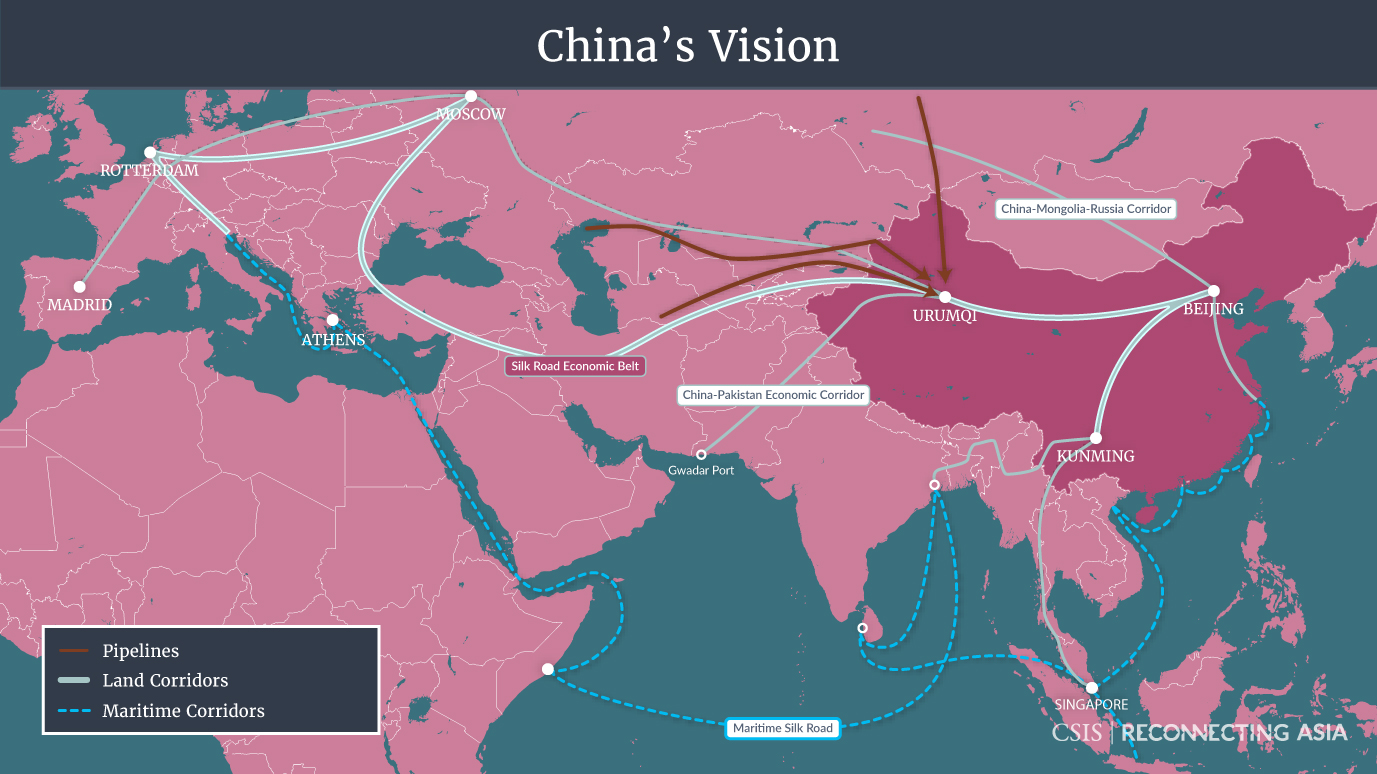
English: Competing Visions Một cuộc đua địa kinh tế đang diễn ra để định hình tương lai Châu Á. Các cường quốc khu vực đang thúc đẩy các kế hoạch tham vọng về xây dựng các tuyến đường bộ, đường tàu, đường ống dẫn và các cơ sở hạ tầng cứng khác trên khắp khu vực. Dựa các nguồn tin chính thức, các chuyên gia CSIS đã xây dựng các bản đồ dưới đây để minh hoạ cho một số các tầm nhìn cạnh tranh này. Mỗi bản đồ tóm lược một cách chung nhất những ưu tiên chính về cơ sở hạ tầng của các nước lớn trong cuộc đua. Tổng thể, các bản đồ này cho thấy trước một cuộc cạnh tranh rộng khắp như chính khu vực này. Và khi cuộc cạnh tranh diễn ra, các bản đồ dưới đây sẽ được mở rộng và cập nhập.
(Bản đồ tầm nhìn Trung Quốc-ảnh) Tiếp tục đọc “Cạnh tranh tầm nhìn (toàn cầu)” |
Thương mại tự do và dân chủ: trường hợp CETA
Phạm Vũ Lửa Hạ Thứ Sáu, 4/11/2016, 22:05 (GMT+7)
 Thủ tướng Canada Justin Trudeau (thứ hai bên trái) cùng với Chủ tịch Ủy ban châu Âu Jean-Claude Juncker (bìa trái), Chủ tịch Hội đồng châu Âu Donald Tusk (thứ hai bên phải) và Thủ tướng Slovakia Robert Fico sau lễ ký Hiệp định Kinh tế và Thương mại toàn diện (CETA) ở Brussels hôm Chủ nhật 30-10. Ảnh: Vancouversun.com
(TBKTSG) – Sau bảy năm đàm phán, và một trở ngại phút chót suýt gây đổ vỡ, hôm Chủ nhật 30-10 tại Brussels, Bỉ, Liên hiệp châu Âu (EU) và Canada đã ký Hiệp định Kinh tế và Thương mại toàn diện (CETA).
20 năm giao thương Việt – Mỹ: Bùng nổ quy mô, gia tăng tốc độ – 8 kỳ
- Bữa tiệc trong đêm lịch sử Mỹ bỏ cấm vận Việt Nam
- Việt – Mỹ: Điều chưa kể về khoảng lặng trước giờ G
- ‘Nhân tố’ Mỹ và thời khắc của sự đột biến
- Thách thức của vị Đại sứ Việt Nam đầu tiên ở Mỹ
- Basa ‘vàng’ sang Mỹ: Nổi tiếng nhờ… bị kiện
- Ông ‘basa’, chuyện chưa kể về vụ kiện 10 năm ở Mỹ
- Cuộc chơi với đại gia Mỹ: Đẳng cấp và khổ ải
- Cơ chế xin – cho và niềm tin của tỷ phú Mỹ
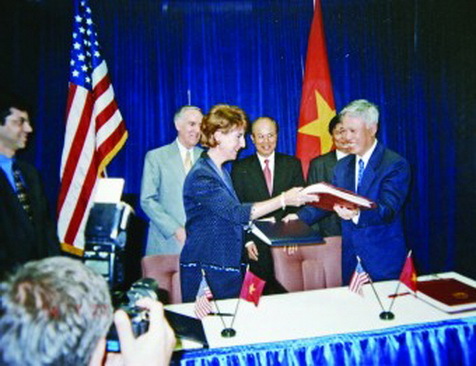 |
| Lễ ký Hiệp định thương mại Việt – Mỹ. |
Tiếp tục đọc “20 năm giao thương Việt – Mỹ: Bùng nổ quy mô, gia tăng tốc độ – 8 kỳ”
Doanh nghiệp thua thiệt vì hàng rào bảo vệ kém – 3 kỳ
- Doanh nghiệp thua thiệt vì hàng rào bảo vệ kém
- Doanh nghiệp thua thiệt vì hàng rào bảo vệ kém – Kỳ 2: Ngành chăn nuôi lao đao
- Thua thiệt vì hàng rào bảo vệ kém – Kỳ 3: Trái cây khó xuất, dễ nhập
***
Doanh nghiệp thua thiệt vì hàng rào bảo vệ kém
09:00 AM – 19/01/2015 TN
Trong khi các nước thực hiện rất gắt gao hàng rào phi thuế quan để bảo hộ hàng hóa trong nước sau hội nhập thì VN lại chưa làm được việc này. Doanh nghiệp và cả nền sản xuất nội địa thiệt thòi trong cả việc xuất khẩu lẫn giữ thị phần ở sân nhà.

Nguy cơ phá sản ngành thép nội nếu không được bảo vệ – Ảnh: Ng.Nga Tiếp tục đọc “Doanh nghiệp thua thiệt vì hàng rào bảo vệ kém – 3 kỳ”
Mặt trái của toàn cầu hóa – Phần 1

Đọc loạt bài điều tra của Buzzfeed News về lạm dụng ISDS
English: On the Wrong Side of Globalization
Giáo sư Joseph E. Stiglitz(1)
- CVD: Bài này được viết trước khi toàn văn TPP được công khai hóa vào tháng 5/2016. Tuy vậy, mọi phân tích trong bài không bị ảnh hưởng bởi sự công khai hóa này.
Hiệp định thương mại là một chủ đề có thể làm hoa mắt, nhưng tất cả chúng ta nên chú ý. Ngay lúc này, đã có những đề xuất thương mại trong các công trình có nguy cơ đặt phần lớn người Mỹ vào mặt trái của toàn cầu hóa. Tiếp tục đọc “Mặt trái của toàn cầu hóa – Phần 1”
Hệ lụy Trung Quốc vươn ra toàn cầu – 3 kỳ
- Kỳ 1: Tăng cường bành trướng
- Kỳ 2: Nhà nước hà hơi tiếp sức
- Kỳ 3: Xu thế đối đầu thế giới
 |
| Nhiều doanh nghiệp lớn của Trung Quốc được khuyến khích đầu tư ra nước ngoài. |
***
SGĐT – LTS: Trong nhiều thập niên qua, Trung Quốc đã nổi lên như một cường quốc về đầu tư toàn cầu. Gần đây, nước này cũng trở thành một nguồn đầu tư trực tiếp ra nước ngoài (outward foreign direct investment – OFDI) tăng vọt, vào cả thị trường đang phát triển và phát triển. Cũng từ đó, Trung Quốc, đã chuyển đổi từ một nước xuất khẩu hàng hóa lớn sang một nước xuất khẩu vốn lớn. Hệ quả bức tranh kinh tế toàn cầu sẽ diễn biến ra sao? Tiếp tục đọc “Hệ lụy Trung Quốc vươn ra toàn cầu – 3 kỳ”
Việt Nam áp dụng biện pháp chống bán phá giá thép mạ nhập từ Trung Quốc và Hàn Quốc

VS – Ngày 01/09/2016, Bộ Công Thương ban hành Quyết định số 3584/QĐ-BCT về việc áp dụng biện pháp chống bán phá giá tạm thời sản phẩm thép mạ nhập khẩu vào Việt Nam. Tiếp tục đọc “Việt Nam áp dụng biện pháp chống bán phá giá thép mạ nhập từ Trung Quốc và Hàn Quốc”
Nâng cao vị thế Việt Nam trong Cộng đồng Kinh tế ASEAN
12:05 | 17/08/2016
BCT – Là nền kinh tế có quy mô đứng thứ 6 và kim ngạch ngoại thương đứng thứ 4 trong ASEAN, Việt Nam đang đóng vai trò ngày càng quan trọng trong tiến trình hợp tác khu vực. Thời gian tới, Việt Nam đặt mục tiêu ra khỏi nhóm các nước kém phát triển hơn trong ASEAN để gia nhập vào nhóm các thành viên dẫn đầu về năng lực cạnh tranh.

Tại sao ASEAN là quan trọng?
HCC-WTO – ngày Thứ năm, 11 Tháng 8 2016 07:34

ASEAN đang ở ngã ba đường. Khi 2 gã khổng lồ là Trung Quốc và Ấn Độ đang thống trị trong các cuộc tranh luận về thế kỷ của châu Á, đôi khi Hiệp hội các quốc gia Đông Nam Á – ASEAN có thể bị bỏ qua. Nhưng điều này là không đúng. Tiếp tục đọc “Tại sao ASEAN là quan trọng?”
 CVD
CVD 