No American or Allied POWs escaped from North Vietnamese territory 1964 to 1973. Some Allied personnel were able to escape from NLF Viet Cong captivity in South Vietnam from 1963 to 1972. Same with Laos and Cambodia, some personnel escaped from Pathet Lao or Khemer Rouge captivity
[TĐH; Very funny. All those simple hand-made booby traps and tunnels and even killing village leaders who cooperated with the South VN government or the US (which I don’t approve at all, and I call that Terrorism, to terrorize the Southern population) is no where near the US’ and South Vietnam government’s bombings, including B-52 “carpet bombing” to clean any path they flied by (if you heard the sound of B52, your were going to die; no way to run); Napalm bombings – burning you and everyone and the forests and everything ínsight; Agent Orange killing all the trees and left hundreds of thousands of people sick until today – third and fourth generations after the war. Saying the Vietnamese were brutal is like telling a six-year-old kid who punches the belly of a thirty-year-old man that the kid is brutal. Come on, you guys and gals, have some common sense. For God’s sake.]
The VC butchered their own people, making examples of village leaders who cooperated with the South Vietnamese government or the United States. Those are facts.
The VC constructed illegal booby traps, such as punji stick pits, bouncing bettys, cartridge tripwire traps, grenade tripwire traps, snake pits, the mace (photo), tiger traps, bamboo whips, and pressure release traps.
These traps were just as likely to kill or maim civilians as they were members of the ARVN or US military, as they were normally put on trails and near riverbanks.
[TDH : Trump the Idiot. Try to attack Vietnam or any coutry defending their home against foregn aggression war like Iran or Cuba – and you shall learn, be it military or economic or 1000% tariffs. You idiotic Joker are the shame for the US, where I am practicing law as a US citizen in Washingont DC. You shame me and millions of US citizens]
Defending Democracy Shawna Topanga SF State & ID State Univs, AS & BBS, Life & work experience Apr 22
George Wallace’s 1968 Presidential campaign featured Air Force General Curtis Lemay as the Vice Presidential nominee. Well Bombs Away Lemay also had an idea of how to end the Vietnam War quickly too: nukes. And, had he gotten any more traction than he did, there would have been lots of mushroom clouds over Vietnam … instead of having mushrooms in your dimsun soup in Hanoi.
There is a chapter about Cu Chi Tunnel in this book : Bare Feet, Iron Will Stories from the Other Side of Vietnam’s Battlefield. by James G. Zumwalt.
He came to Vietnam after the war, against Vietnamese but latterly changed his view a little bit. It is worth reading, easy to read from US perspective if you want to research about life in tunnels.
Below are introduction about background and the author via publisher in Amazon.
In short answer, during the Sino-Vietnamese War, after suffering a large number of casualties and before the coming of the Vietnamese crack troops, the Chinese People’s Liberation Army (P.L.A) had to withdraw their forces. The “road to Hanoi lay open and the city could have fallen to China” was also a war myth. In fact, all the roads from the border regions to Hanoi were heavily fortified and garrisoned by several main force divisions of the People’s Army of Vietnam (P.A.V.N).
The Viet Cong and North Vietnamese forces commonly wore rubber sandals (often called “Ho Chi Minh sandals” or dép lốp) for practical, tactical, economic, and cultural reasons. Key factors:
Cost and availability
Made from recycled car or truck tire soles, these sandals were extremely cheap to produce and easy to repair or replace in the field.
Local cobblers could cut and strap soles quickly using scrap materials, enabling mass distribution without industrial supply lines.
Durability and suitability for terrain
Thick tire rubber resisted sharp stones, thorns, and rough trails better than many civilian shoes.
Michael Rohde · Former Criminal Defense Investigator (1980–2003)6y
The North Vietnamese Army was a very capable force. The South Koreans in Vietnam, the Marines called them ROKs for Republic of Korea, were known as fierce fighters who also gave no quarter. Many considered their actions war crimes because they could be indiscriminate with their fire power and kill noncombatants.
Original Question Near the end of the Vietnam war, the US had practically won. Viet Cong were surrendering in record numbers, their main forces annihilated and their leaders begging for peace. Why would the US pull out when they had utterly crushed the Vietnamese?
Well, first lets edit this for based on the history as the rest of the world knows it.
Question should be: Near the end of the Vietnam war, the US had practically won. Why would the US pull out when they had utterly crushed the Vietnamese?
Ah, that’s better.
Btw, we hadn’t utterly crushed them, but had made life much more intolerable than it had been the previous 7 years of open conflict. Enough so that the North Vietnamese were willing to negotiate an actual end.
Weston Blaine · Former Infantryman, So. Vietnam April 1966 – March 1967. at U.S. Army (1965–1968)1y
China has attempted to make Vietnam part of China for hundreds of years and failed every time. Vietnam just will not cooperate. It`s not so much that they hate each other, although they may, but that the Vietnamese People are proud of their nation, as well they should be, and they refuse to ever give that up. No matter how many times the Chinese come in and try to tame them into becoming Chinese too. I used to know how many times that was, but it`s been too long. At least several. The Vietnamese will never give up their Country.
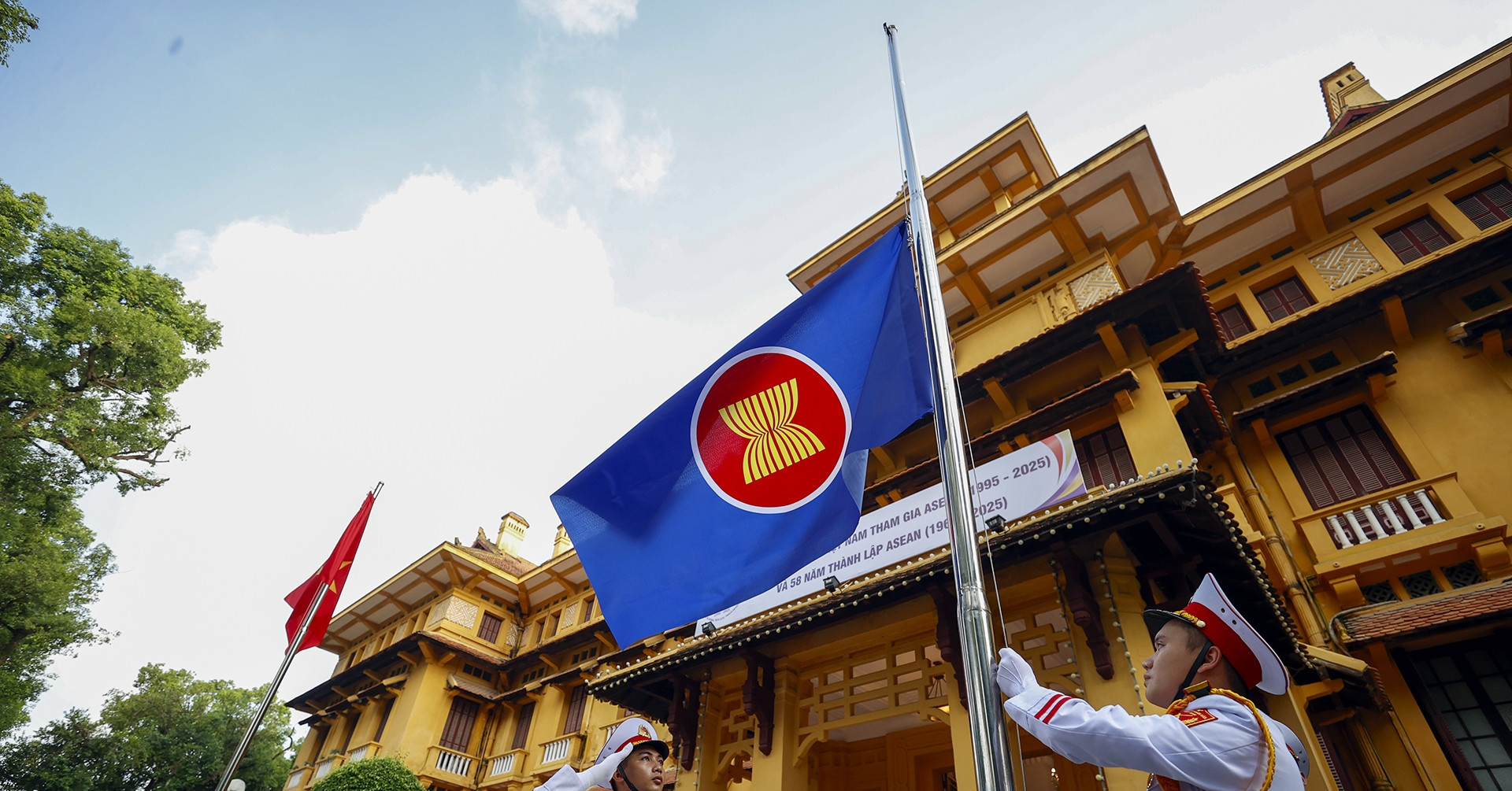
Tiasang – Năm 2025 đánh dấu 30 năm Việt Nam tham dự ASEAN và năm năm tới, Việt Nam dự kiến sẽ trở thành chủ tịch tổ chức khu vực này. Việt Nam có thể làm gì để đưa sự gắn kết trong khu vực lên một nấc thang mới?
Sang is one of hundreds of thousands of unwanted and discriminated children left behind by the US soldiers after the Vietnam War. When his lifelong dream of finding his father comes true, Sang’s only mission is to race against time to meet his ailing dad and break the cycle of war trauma that has plagued generations. Tiếp tục đọc “A man’s 50-year search for his father after the Vietnam War”→
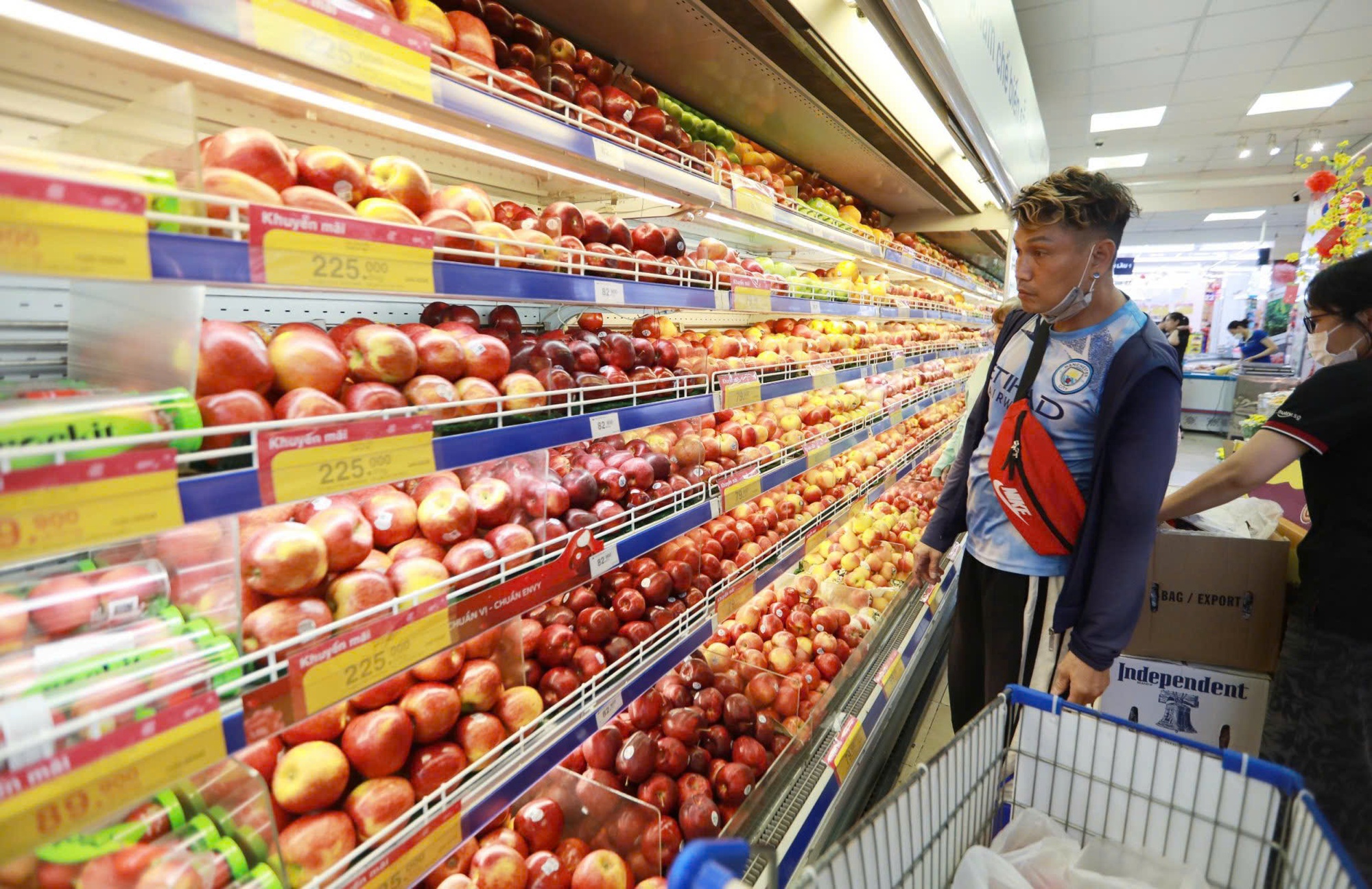
Nhập khẩu hàng hóa từ Mỹ về Việt Nam tăng mạnh gần 24% trong 3 quý đầu năm. Các nhà nhập khẩu dự báo, nhập khẩu hoa quả, nguyên liệu sản xuất sẽ tăng mạnh trong quý cuối năm.
Doanh nghiệp tăng tốc nhập nguyên liệu từ Mỹ
Bà Đàm Thu Vân, nhà nhập khẩu trái cây tại TP.HCM, cho hay các loại trái cây nhập khẩu phổ biến từ Mỹ như táo, nho, cherry, cam ruột đỏ… vẫn tăng đều đặn từ đầu năm đến nay. Đặc biệt khi vào mùa vụ táo, cam ở Mỹ, chi nhập khẩu các mặt hàng này của công ty tăng đến 50% dù nhập rau quả nói chung giảm đến 18%. “Rau quả, nông sản Mỹ nói chung luôn hấp dẫn người tiêu dùng Việt nhờ chất lượng và giá cả. Từ nay đến cuối năm Mỹ bước vào mùa nho không hạt, nhập khẩu của công ty tôi chắc chắn lại sẽ tăng mạnh”, bà Vân cho hay.
The United States of America (the United States) and the Socialist Republic of Viet Nam (Viet Nam) have agreed to a Framework for an Agreement on Reciprocal, Fair, and Balanced Trade to strengthen our bilateral economic relationship, which will provide both countries’ exporters unprecedented access to each other’s markets. The Agreement on Reciprocal, Fair, and Balanced Trade will build upon our longstanding economic relationship, including the U.S.-Viet Nam Bilateral Trade Agreement signed in 2000 that entered into force in 2001.
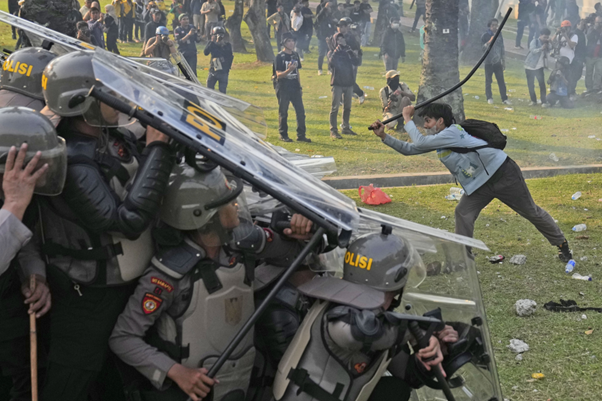
Cuối tháng 8/2025, Indonesia chứng kiến làn sóng biểu tình dữ dội bùng nổ sau sự việc của một tài xế xe công nghệ trong vụ va chạm với xe bọc thép cảnh sát. Từ một sự cố mang tính bộc phát, phong trào nhanh chóng lan rộng khắp các đô thị lớn, tập hợp hàng chục nghìn sinh viên, tài xế và các tầng lớp lao động trẻ xuống đường. Các cuộc đụng độ với cảnh sát đã khiến nhiều người thiệt mạng và hàng trăm người bị bắt giữ, làm dấy lên lo ngại về một cuộc khủng hoảng chính trị sâu sắc. Sự kiện này diễn ra trong bối cảnh Indonesia vừa giữ vai trò trung tâm của ASEAN vừa phải cân bằng giữa cạnh tranh Mỹ–Trung ở khu vực Ấn Độ Dương – Thái Bình Dương. Bởi vậy, sự kiện khủng hoảng này không chỉ đặt ra vấn đề nội bộ của riêng Indonesia mà còn gợi mở nhiều tín hiệu đáng lưu ý với các quốc gia lân cận trong đó có Việt Nam.