Bảo vệ những trẻ em Việt Nam chưa được khai sinh

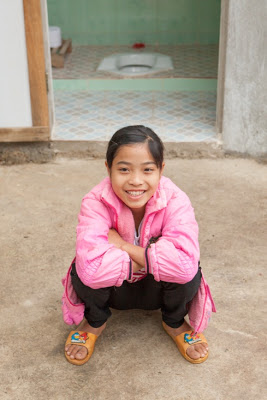
VNUNICEF – Mai* – cô bé 12 tuổi sống giữa thành phố Hồ Chí Minh – thành phố lớn và phồn hoa nhất Việt Nam. Gia đình cô bé sống trong căn nhà rộng 10m2 được dựng lên bằng các tấm tôn. Cô bé sống với bố mẹ và 04 anh chị em – tất cả đều chưa từng tới trường hay đi khám sức khỏe, tiêm phòng hoặc tiếp cận với bất kỳ chương trình bảo trợ xã hội nào mà người nghèo ở Việt Nam thường được hưởng.

Tiếp tục đọc “Bảo vệ những trẻ em Việt Nam chưa được khai sinh”

Gender equality, the MDGs and the SDGs: Achievements, lessons and concerns

Naila Kabeer

Professor of Gender and Development at the Gender Institute – London School of Economics and Political Science (LSE)

theIGC – Following the formal announcement of the Sustainable Development Goals, Naila Kabeer reflects on lessons from the Millennium Development Goals through a feminist lens, which she argues were weakened by their very narrow interpretation of women’s empowerment. She writes that much more is needed to dismantle more resilient structures of inequality, and while the SDGs offer some grounds for cautious optimism, there is a continued lack of emphasis on rights.

This post forms part of a cross-blog series on the 2030 Agenda for Sustainable Development run by the IGC, Africa at LSE, and South Asia at LSE blogs. View more posts in this series. Tiếp tục đọc “Gender equality, the MDGs and the SDGs: Achievements, lessons and concerns”

Giáo dục song ngữ – Con đường đi đến phát triển bền vững – Bilingual education is a gateway to Sustainable Development

Với sự hỗ trợ của UNICEF tại Việt Nam từ năm 2008, Bộ Giáo dục và Đào tạo đã triển khai thành công sáng kiến giáo dục song ngữ dựa trên tiếng mẹ đẻ tại các tỉnh Lào Cai, Gia Lai và Trà Vinh. Báo cáo Đánh giá cuối kỳ của sáng kiến này đã nêu bật những bằng chứng cho thấy giáo dục song ngữ dựa trên tiếng mẹ đẻ là giải pháp phù hợp để nâng cao chất lượng giáo dục hoà nhập của Việt Nam. Tiếp tục đọc “Giáo dục song ngữ – Con đường đi đến phát triển bền vững – Bilingual education is a gateway to Sustainable Development”

Hỗ trợ sinh viên khuyết tật tiếp cận giáo dục đại học

Thứ Sáu, 01/04/2016 – 20:38

DT Theo kết quả khảo sát gần đây nhất thì đa phần người khuyết tật (NKT) Việt Nam có trình độ học vấn thấp, chưa đến 0,1% có trình độ đại học. Không chỉ vì nghèo khó nên ít NKT theo đuổi việc học, cái chính là vì môi trường giáo dục còn quá nhiều rào cản với NKT.

Bà Lưu Thị Ánh Loan cho biết chưa đến 0,1% NKT có trình độ đại học
Bà Lưu Thị Ánh Loan cho biết chưa đến 0,1% NKT có trình độ đại học Tiếp tục đọc “Hỗ trợ sinh viên khuyết tật tiếp cận giáo dục đại học”

Women’s Empowerment and the Environment: What Does Science Say?

“Sisters are doin’ it for themselves, standin’ on their own two feet and ringin’ on their own bells,” sang Aretha Franklin and the Eurythmics’ Annie Lennox in a 1985 hit song.

14029946657_bdde4f059b_k

Worldwatch – On International Women’s Day 2016 today (March 8), is it fair to ask whether sisters also are doing it for the earth? Or, put differently, could the empowerment of women and girls contribute to environmental sustainability—to a world that meets human and nature’s needs in perpetuity?

That’s the question we’re asking in the Family Planning and Environmental Sustainability Assessment (FPESA) as part of our search for a scientific basis for the proposition that wider use of family planning is good for sustainability. Not that any such justification should be needed for women and girls’ well-being. Equal rights and opportunities are their own reward, and are worth striving for no matter what. And there’s no way that saving the environment should be seen as women’s work or a special obligation for females. It’s human work, and it obligates us all.

Yet a practical question arises: Might people of both sexes who care about sustainability be more likely to advocate for gender equality and an end to sexual violence if research demonstrated that a world of secure and powerful women would be better off environmentally? Tiếp tục đọc “Women’s Empowerment and the Environment: What Does Science Say?”

Công việc của phụ nữ: mẹ, trẻ em và khủng hoảng chăm sóc trẻ em toàn cầu

ENGLISH: Women’s work: mothers, children and the global childcare crisis

Báo cáo và tóm tắt này thảo luận về những thất bại của chính sách chăm sóc trẻ em hiện tại ở một nhóm các quốc gia nghiên cứu, bao gồm Việt Nam, Gaza, Mexico, Ấn Độ và Etiopia, và nêu bật các ví dụ về tiến bộ ở các quốc gia ứng phó thành công với những thách thức này.

Thế giới đang đối mặt với một cuộc khủng hoảng tiềm ẩn về chăm sóc trẻ em. Cuộc khủng hoảng này là sự bỏ rơi hàng triệu đứa trẻ không có sự hỗ trợ mà chúng cần, cùng với những hậu quả gây tổn hại đến tương lai của chúng. Điều này cũng đang gây ra những tác động nghiêm trọng đến ba thế hệ của phụ nữ – thế hệ người mẹ, người bà và con gái. Giải pháp để ứng phó với cuộc khủng hoảng chăm sóc trẻ em toàn cầu là một nhu cầu cấp bách để cải thiện cuộc sống của cả hai nhóm phụ nữ và trẻ em để phát triển kinh tế.

Thế giới ngày nay có 671 triệu trẻ em dưới 5 tuổi. Trong bối cảnh tỉ lệ tham gia lao động vượt quá 60% khắp toàn cầu, một lượng lớn các trẻ em này cần đến một số hình thức chăm sóc hàng ngày mà không phải từ cha mẹ. Dịch vụ chăm sóc trẻ em lứa tuổi đầu đời và lập kế hoạch giáo dục đang không được quản lý và vận hành để để đáp ứng nhu cầu này. Nhiều nhất, một nửa số trẻ em từ 3 đến 5 tuổi ở các nước đang phát triển tham gia vào hoạt động giáo dục trẻ em lứa tuổi đầu đời, thông thường là một vài giờ mỗi ngày. Chúng ta biết rất ít về những gì xảy ra đối với những trẻ em còn lại, nhưng tất cả các bằng chứng chỉ ra một cuộc khủng hoảng chăm sóc trẻ em. Cuộc khủng hoảng này tập trung chủ yếu ở các trẻ em nghèo nhất bị hạn chế nhiều nhất khả năng tiếp cận hoạt động hỗ trợ trẻ em ở lứa tuổi đầu đời.
Tiếp tục đọc “Công việc của phụ nữ: mẹ, trẻ em và khủng hoảng chăm sóc trẻ em toàn cầu”

Tình nguyện viên là chìa khóa để đạt được các Mục tiêu SDGs

UN – Chương trình Tình nguyện Liên Hợp Quốc (UNV) đối phó với những thách thức phát triển ở mọi nơi trên thế giới – và chính bản thân người đứng đầu tổ chức – Richard Dictus đã chứng kiến nhiều vấn đề phát triển.

Trong suốt hơn 25 năm trong sự nghiệp của mình, ông Richard Dictus đã làm việc trong các cơ quan khác nhau của Liên Hợp Quốc. Ông từng làm việc tại Malawi, Yemen, Sudan, Lesotho, Bangladesh, Pakistan, Fiji và tại trụ sở Liên Hợp Quốc ở New York. Tiếp tục đọc “Tình nguyện viên là chìa khóa để đạt được các Mục tiêu SDGs”

Women and Girls Imperative to Science & Technology Agenda

Lakshmi Puri is UN Assistant-Secretary-General and Deputy Executive Director UN Women

Lakshmi Puri

ipsnews _ UNITED NATIONS, Feb 8 2016 (IPS) – Can you imagine an entire day without access to your mobile phone, laptop, or even to the internet? In our rapidly changing world, could you function without having technology at your fingertips?

Unfathomable for most of us, but across the world—especially for many in developing countries–using and accessing technology is not readily available, and certainly not a privileged choice. This is particularly true for women and girls.

In low- to middle-income countries, a woman is 21 per cent less likely to own a mobile phone than a man, and the divide is similar for Internet access. The possibilities of scientific and technological progress is almost limitless, yet women and girls are sorely missing in these fields, particularly as a creators and decision-makers in spheres that are transforming our everyday world. Tiếp tục đọc “Women and Girls Imperative to Science & Technology Agenda”

Women’s work: mothers, children and the global childcare crisis

This report and summary explores the current childcare policy failures across a range of case-study countries, including Viet Nam, Gaza, Mexico, India and Ethiopia, and highlights examples of progress in countries which are successfully responding to these challenges.

Research reports and studies

March 2016
Emma Samman, Elizabeth Presler-Marshall and Nicola Jones with Tanvi Bhatkal, Claire Melamed, Maria Stavropoulou and John Wallace
Rubina takes her children to the mobile creche in Delhi. Photo: Atul Loke/ODI

ODI – The world is facing a hidden crisis in childcare. That crisis is leaving millions of children without the support they need, with damaging consequences for their future. It is also having severe impacts on three generations of women – on mothers, grandmothers and daughters.There is an urgent need to solve the global care crisis to improve the lives of both women and children and to grow economies.

There are 671 million children under five in the world today. Given labour force participation rates that exceed 60% globally, a large number of these children need some sort of non-parental care during the day. Early childhood care and education programming is not managing to match this need. At most, half of three- to five-year-old children in developing countries participate in some form of early childhood education, typically for a few hours daily. We know very little about what is happening to the rest, but all the evidence points to a crisis of care. That crisis is heavily concentrated among the poorest children with the most restricted access to early childhood support.

This report and summary explores the current childcare policy failures across a range of case-study countries, including Viet Nam, Gaza, Mexico, India and Ethiopia, and highlights examples of progress in countries which are successfully responding to these challenges. Based on these findings the authors make six key policy recommendations to extend and improve care-related labour market policies; promote more integrated approaches to social protection; and to invest in better data.
Tiếp tục đọc “Women’s work: mothers, children and the global childcare crisis”

Tóm tắt chính sách – Tiếp cận An sinh xã hội của người lao động nhập cư – Policy brief – Access to social protection of migrant workers

Nghiên cứu Tiếp cận An sinh xã hội (ASXH) của người lao động nhập cư tại một số khu vực đô thị do ActionAid Việt Nam (AAV) thực hiện năm (2012) đã chỉ ra nhu cầu cần thiết phải đổi mới các chính sách hiện nay về ASXH nhằm đảm bảo các quyền lợi cơ bản của người nhập cư tại các khu đô thị


Date published Thursday, April 24, 2014

Download full publication Tiếp tục đọc “Tóm tắt chính sách – Tiếp cận An sinh xã hội của người lao động nhập cư – Policy brief – Access to social protection of migrant workers”

Phi hành đoàn toàn nữ của hàng không Việt Nam

VNExpress, Thứ năm, 18/2/2016 | 11:35 GMT+7

Lần đầu tiên Hãng hàng không Vietnam Airlines tình cờ sắp xếp một phi hành đoàn toàn nữ gồm 2 phi công và các tiếp viên, thực hiện 4 chuyến bay quốc nội trong ngày 16/2.

phi-hanh-doan-toan-nu-cua-hang-khong-viet-nam

Cơ trưởng Đông Phương (trái) và cơ phó Ngọc Bích. Ảnh: NVCC

Tiếp tục đọc “Phi hành đoàn toàn nữ của hàng không Việt Nam”

The Fourth Industrial Revolution: What It Means and How to Respond

foreignaffair – We stand on the brink of a technological revolution that will fundamentally alter the way we live, work, and relate to one another. In its scale, scope, and complexity, the transformation will be unlike anything humankind has experienced before. We do not yet know just how it will unfold, but one thing is clear: the response to it must be integrated and comprehensive, involving all stakeholders of the global polity, from the public and private sectors to academia and civil society.

The First Industrial Revolution used water and steam power to mechanize production. The Second used electric power to create mass production. The Third used electronics and information technology to automate production. Now a Fourth Industrial Revolution is building on the Third, the digital revolution that has been occurring since the middle of the last century. It is characterized by a fusion of technologies that is blurring the lines between the physical, digital, and biological spheres.

There are three reasons why today’s transformations represent not merely a prolongation of the Third Industrial Revolution but rather the arrival of a Fourth and distinct one: velocity, scope, and systems impact. The speed of current breakthroughs has no historical precedent. When compared with previous industrial revolutions, the Fourth is evolving at an exponential rather than a linear pace. Moreover, it is disrupting almost every industry in every country. And the breadth and depth of these changes herald the transformation of entire systems of production, management, and governance. Tiếp tục đọc “The Fourth Industrial Revolution: What It Means and How to Respond”

Infographic: Violence against women

International Day for the Elimination of Violence against Women, Sixteen Days of Activism against Gender Violence

Date : 06 November 2015

UNWomen – One in three women worldwide have experienced physical or sexual violence — mostly by an intimate partner. Whether at home, on the streets or during war, violence against women is a global pandemic that takes place in public and private spaces. Together we can and must end this pandemic. Print options: 11×17 | 21×32.5 Tiếp tục đọc “Infographic: Violence against women”

Phòng chống buôn bán trẻ em vì mục đích bóc lột sức lao động

Rồng xanh – Tài liệu chia sẻ dành cho cán bộ cấp cơ sở

Điều tra thông tin nhiều trẻ em bị bóc lột sức lao động - Ảnh 1

Download Phòng chống buôn bán trẻ em vì mục đích bóc lột sức lao động.-TÀI-LIỆU-CHIA-SE-DÀNH-CHO-CÁN-BỘ-CẤP-CƠ-SƠ

MỤC LỤC

Giới thiệu

CHƯƠNG 1 – Nhận biết

Buôn bán người là gì và làm thế nào để nhận biết hành vi buôn bán người

CHƯƠNG 2 – Phòng chống

Làm thế nào để phòng chống nạn buôn bán trẻ em nhằm mục đích bóc lột sức lao động trong cộng đồng Tiếp tục đọc “Phòng chống buôn bán trẻ em vì mục đích bóc lột sức lao động”