Market pork, poultry test 100% positive for E.coli in Vietnam

E. coli is found in animals’ guts and lower intestines and can be the cause of serious food poisoning

By Tuoi Tre News

December 11, 2017, 12:14 GMT+7

Market pork, poultry test 100% positive for E.coli in Vietnam
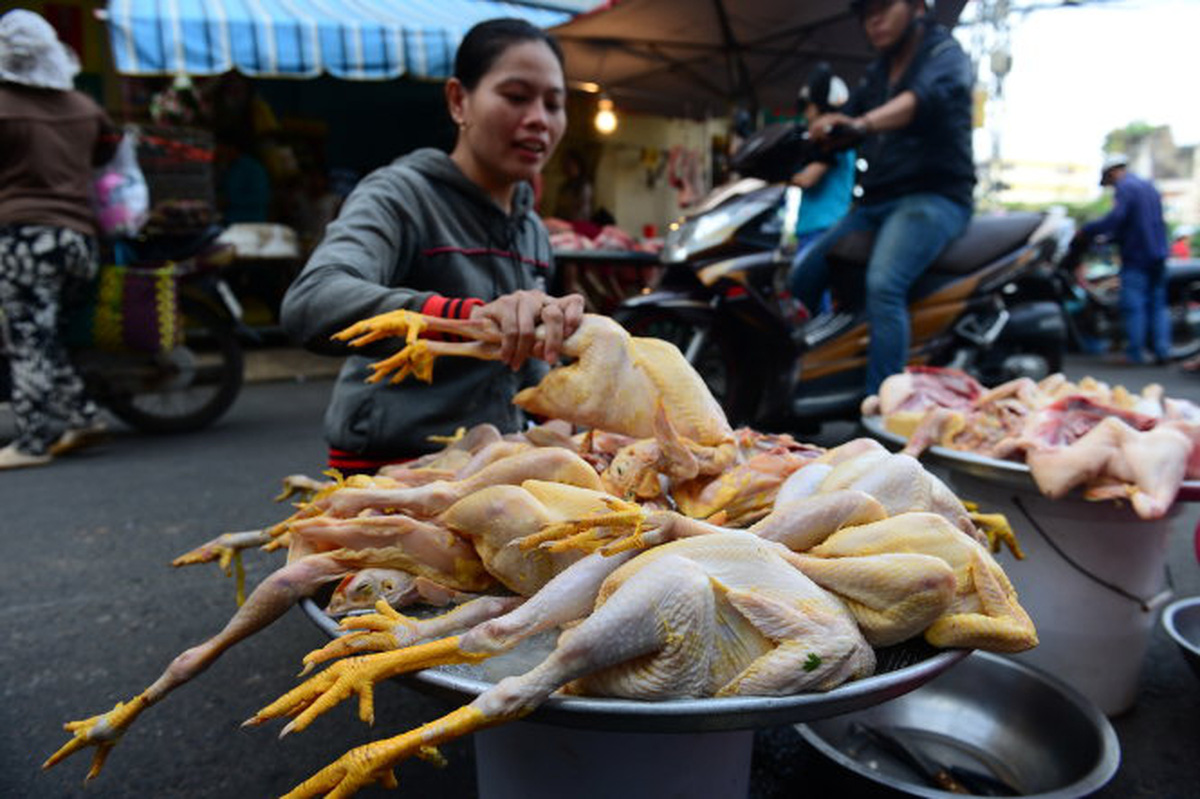
Chickens are sold on the street in Vietnam. Photo: Tuoi Tre

A recent test by research institute the Pasteur Institute on poultry and pork samples taken from local markets revealed that 100 percent of the meat was contaminated with E. coli because of unhygienic conditions at marketplaces and slaughterhouses.

Sixty-four percent of seafood samples also tested positive for the bacteria.

E. coli, short for Escherichia coli, is a type of bacteria that normally lives in human intestines and is also found in the gut of some animals. Tiếp tục đọc “Market pork, poultry test 100% positive for E.coli in Vietnam”

Cartoon: Sedated Pork in Vietnam

Cartoonists at Tuoi Tre Cuoi, the caricature magazine of Tuoi Tre, have revealed their thoughts about the food scare

By Tuoi Tre News

October 25, 2017, 19:56 GMT+7

​Cartoon: Sedated Pork in Vietnam

Cartoonists at Tuoi Tre Cuoi, the caricature magazine of Tuoi Tre (Youth) newspaper, have revealed their thoughts about the recent food scare whereby pigs at a major slaughterhouse in Ho Chi Minh City were found to have been injected with sedative immediately prior to being butchered. Tiếp tục đọc “Cartoon: Sedated Pork in Vietnam”

Sau 55 năm, Monsanto nhà sản xuất chất độc da cam lại phát triển thịnh vượng tại Việt Nam.

English:  55 Years After Agent Orange Was Used In Vietnam, One Of Its Creators Is Thriving Here

Monsanto đang bành chướng ở Việt Nam nơi họ đã góp phần tàn phá.

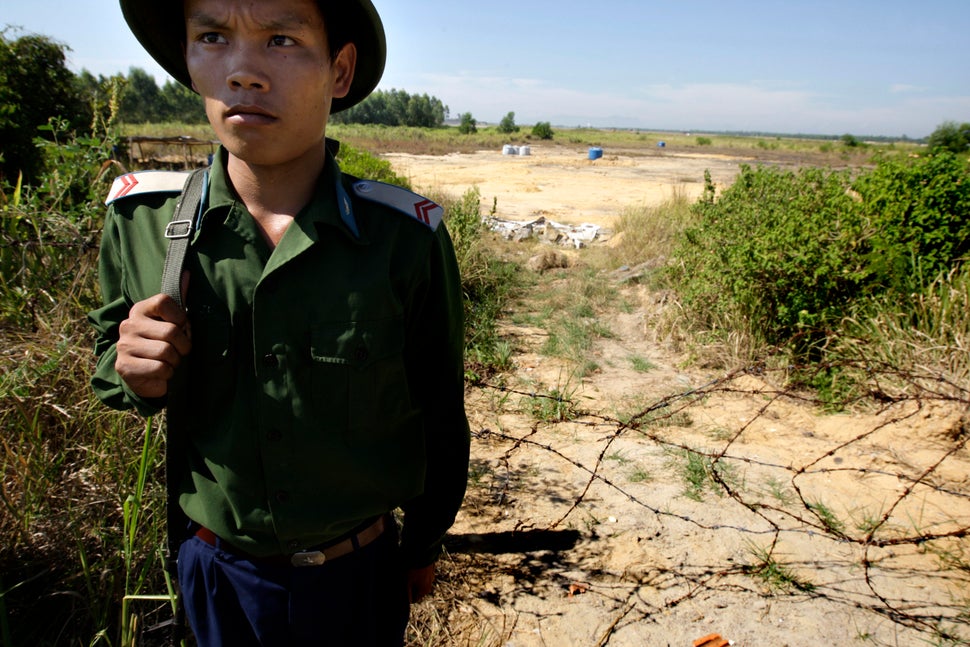
Hình 1: Một người lính Việt Nam bảo vệ khu vực bị nhiễm độc ở rìa sân bay Đà Nẵng ngày 1 tháng 7  năm 2009 tại Đà Nẵng, miền Trung Việt Nam. Trong chiến tranh Việt Nam, quân đội Mỹ đã tàng trữ hơn 4 triệu gallon thuốc diệt cỏ, trong đó có chất độc da cam tại căn cứ quân sự mà hiện nay là căn cứ không quân nội địa và quân sự.
Cách đây 50 năm, quân đội Hoa Kỳ bắt đầu phun hàng triệu gallon chất độc được biết với tên chất da cam trên cácvùng rộng lớn phía Nam Việt Nam. Tuy nhiên, ngày nay, thay vì oán giận và cô lập với Hoa Kỳ, Việt Nam lại tràn ngập hội chứng sính Mỹ – Americanophilia. Tiếp tục đọc “Sau 55 năm, Monsanto nhà sản xuất chất độc da cam lại phát triển thịnh vượng tại Việt Nam.”

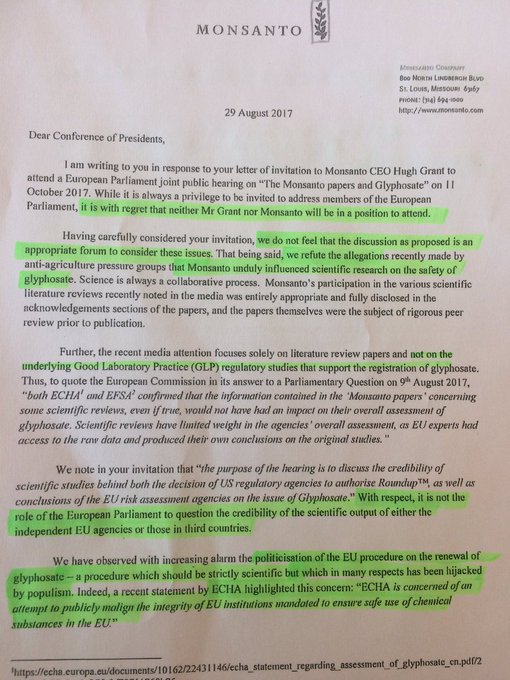
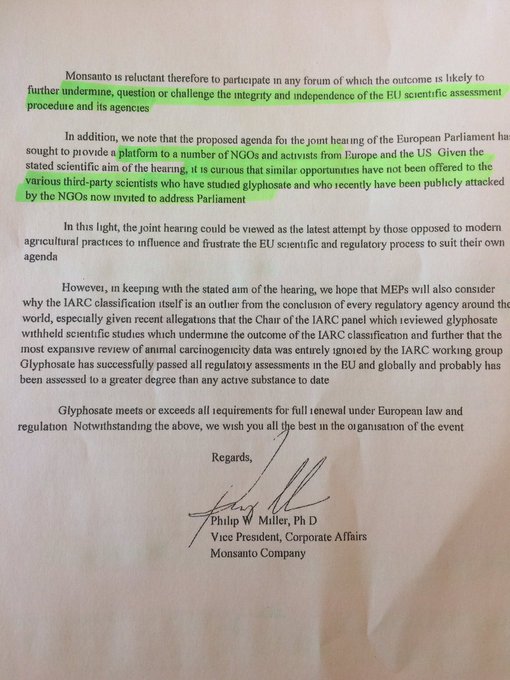
Monsanto lobbyists barred from European Parliament

Monsanto Lobbyists cannot enter the doors of the European Parliament until further notice. [Shutterstock]

euractive_Monsanto has paid for its refusal to appear before the European Parliament by losing its right to enter it, as MEPS have shut the door on their lobbyists until further notice. EURACTIV France reports.

The Conference of the Presidents – composed of the leaders of the European Parlaiment’s groups – decided on Thursday (28 September) to withdraw the right of the American company’s lobbysts to access the Parliament’s buildings.

“We have just officially refused access to the European Parliament to Monsanto lobbyists. This decision has been taken by the Conferenfe of the Presidents on 28 September,” explained Marc Tarabella, head of the Belgian Socialist Party delegation, in a press release.

Facility caught chemically treating 11 tons of durian in Vietnam’s Central Highlands

The durians were ready for distribution by the time police inspected the building

By Tuoi Tre News

September 29, 2017, 14:42 GMT+7

​Facility caught chemically treating 11 tons of durian in Vietnam’s Central Highlands
Durians are stored at a wholesaler in Vietnam’s Central Highlands in this photo illustration. Photo: Tuoi Tre
Authorities in Dak Nong Province, located in Vietnam’s Central Highlands, have discovered a local facility soaking over ten metric tons of durians in chemicals.

Tran Mau Dung, chief inspector of the provincial Department of Agriculture and Rural Development confirmed on Thursday that a durian business in Phu Xuan Village, Dak Nia Commune, Gia Nghia Town, was caught violating regulations on food safety. Tiếp tục đọc “Facility caught chemically treating 11 tons of durian in Vietnam’s Central Highlands”

Pork without traceable origin to be barred from Ho Chi Minh City markets

TUOI TRE NEWS

Updated : 07/02/2017 11:44 GMT + 7

Ho Chi Minh City is looking to ban all pork without origin traceability from its markets, starting at the end of this month, a move expected to improve the municipality’s food safety records.

Poultry and eggs are the next foods to undergo the origin-tracing scheme in the southern metropolis.

The announcement was made by the People’s Committee of Ho Chi Minh City during a seminar on Friday to review a pilot scheme that allows tracing the origin of pork sold in the city via a mobile app. Tiếp tục đọc “Pork without traceable origin to be barred from Ho Chi Minh City markets”

City cracks down on mystery meat

vietnamnews

Update: June, 09/2017 – 09:00

A meat market in HCM City. — VNA/VNS Photo Thế Anh
Viet Nam News HCM CITY — Pork without clear origins will not be allowed to be sold in HCM City’s two main wholesale markets–Hóc Môn and Bình Điền–starting next month, the city administration has announced.

The city will closely control the origin of pork at wholesale markets at first, and after July 30 the policy will be applied to other food products, deputy chairman of the city’s People’s Committee Trần Vĩnh Tuyến told a meeting with the city’s Food Safety Management Board and officials from 24 districts on Wednesday. Tiếp tục đọc “City cracks down on mystery meat”

Nghiên cứu: Bắp ngô thường và biến đổi gen ‘cơ bản là không tương đồng’

TT – 26 February, 2017

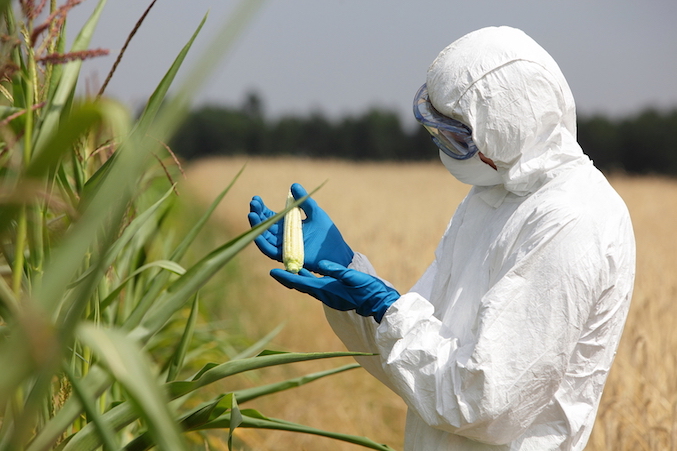
Các nhà nghiên cứu gần đây đã phát hiện rằng một loại bắp ngô biến đổi gen nhằm chịu được thuốc diệt cỏ glyphosate (được cho là có nguy cơ gây ung thư cao) có sự khác biệt đáng kể về phân tử so với loại bắp ngô truyền thống.

(ảnh: Shutterstock)
(ảnh: Shutterstock)

Phương pháp đánh giá ‘Tương đồng Cơ bản’

Năm 1993, Tổ chức OECD đưa ra một báo cáo có tên “Đánh giá an toàn của thực phẩm có nguồn gốc công nghệ sinh học hiện đại”, trong đó thuật ngữ ‘Tương đồng Cơ bản’ lần đầu được sử dụng để đánh giá thực phẩm biến đổi gen. Tiếp tục đọc “Nghiên cứu: Bắp ngô thường và biến đổi gen ‘cơ bản là không tương đồng’”

Monsanto’s Superfund Secret

DISSENT Magazine

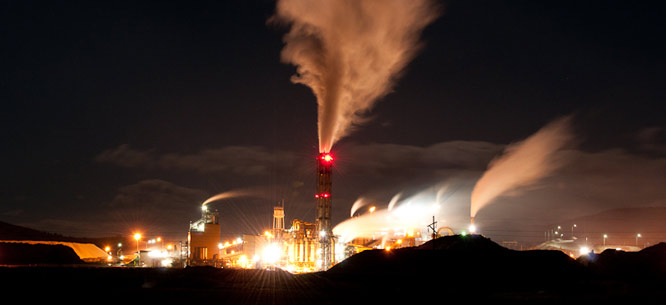
Monsanto elemental phosphorous plant, Soda Springs, Idaho (Kevin Beebe / Flickr)

The world’s most widely used herbicide, Roundup, has faced intense scrutiny in recent weeks, since documents surfaced revealing a close relationship between Monsanto, the creator of Roundup, and EPA officials tasked with regulating herbicide use in the United States. One email exchange included a Monsanto executive boasting that an EPA official had told him he “should get a medal” if he could “kill” an agency investigation into the herbicide.Ư

This news was troubling, considering the fact that the World Health Organization recently declared Roundup’s active ingredient “probably carcinogenic to humans.” The 2015 WHO announcement raised major alarms because roughly 89 percent of American corn and over 90 percent of all soybeans produced in the United States—millions of tons of which are exported every year to dozens of countries around the world—are genetically engineered to be herbicide resistant, Roundup Ready being a preferred variety. These findings gave new scientific fodder to many GMO opponents who have long alleged that the world’s food supply is awash in dangerous chemicals. Tiếp tục đọc “Monsanto’s Superfund Secret”

Cập nhật thực trạng nông nghiệp Việt Nam ngày nay – 27/11/2016

Mekong – Cửu Long

Loay hoay chặt – trồng, nuôi – bỏ: Lên bờ xuống ruộng vì theo phong trào

24/11/2016 22:14

Từng có nhiều bài học cay đắng cho nông dân ĐBSCL khi ồ ạt chạy theo phong trào, thấy cây nào, con gì cho lợi nhuận cao thì đổ xô trồng, nuôi. Hậu quả là khi cung vượt cầu, nông dân lại trắng tay

Cách đây không lâu, thấy cam sành cho lợi nhuận cao, hàng loạt hộ dân tại Hậu Giang, Vĩnh Long đã chuyển diện tích làm lúa sang trồng loại cây này.

Phải bỏ xứ ra đi

Kết quả kiểm tra của Chi cục Bảo vệ thực vật tỉnh Vĩnh Long cho thấy trong 6 tháng đầu năm 2016, toàn tỉnh có 700 ha đất lúa chuyển sang trồng cam sành, nâng diện tích loại cây này lên 8.000 ha/41.000 cây ăn trái. Theo nhiều nông dân, nếu không bị dịch bệnh, 1 ha cam sành có thể thu được trên 200 triệu đồng trong 1 hoặc 2 năm đầu thu hoạch.

Nhiều hộ dân ở Vĩnh Long đang phát triển cây thanh long trong khi chưa có đầu ra ổn định Ảnh: NGỌC TRINH Tiếp tục đọc “Cập nhật thực trạng nông nghiệp Việt Nam ngày nay – 27/11/2016”

50 Vietnamese media outlets fined over misleading fish sauce news

TUOI TRE NEWS

Updated : 11/22/2016 11:48 GMT + 7


Employees are seen at a traditional fish sauce making facility on Phu Quoc Island, off Kien Giang Province, located in southern Vietnam.

Fifty newspapers and news websites have been dealt a blow by Vietnam’s Ministry of Information and Communications, accused of publishing inaccurate reports on traditional fish sauce’s safety and thus causing widespread fear among consumers last month.

Tiếp tục đọc “50 Vietnamese media outlets fined over misleading fish sauce news”

Ký sự Organic – Phần 2

***

Ký sự Organic – Kỳ 3: Mặc kệ nó

08:45 AM – 01/10/2014
(TNO) Chán nản với đám sâu rầy lúc nhúc trên cây cối mà không được phép tiêu diệt chúng, tôi nghiền ngẫm lại những gì mà ông Fukuoka đã làm. Người làm vườn có tầm nhìn xa nhất thế giới này là niềm cảm hứng vô biên đối với chúng tôi.
Ký sự Organic - Kỳ 3: Mặc kệ nó - ảnh 1

Cỏ không phải kẻ thù mà là bè bạn

Tiếp tục đọc “Ký sự Organic – Phần 2”

Ký sự Organic – Phần 1

  • Kỳ 1: Cây cỏ hết hồn nhiên
  • Kỳ 2: Bài ca không dễ hát

***

Kỳ 1: Cây cỏ hết hồn nhiên

02:17 PM – 29/09/2014
(TNO) “Hàng triệu sinh vật tồn tại trong đất. Mỗi sinh vật đều có quyền được sống, vì thế chúng không nên bị tiêu diệt bởi thuốc trừ sâu hay thuốc diệt cỏ”, lão nông Bhaskar Save (Ấn Độ) nói.
Ký sự Organic - Kỳ 1: Cây cỏ hết hồn nhiên - ảnh 1

Cây cỏ mang lại nhiều lợi ích cho nông nghiệp, sinh thái nhưng ngày nay bị diệt trừ bởi các loại thuốc trừ sâu, diệt cỏ…

Tiếp tục đọc “Ký sự Organic – Phần 1”

Local Residents Force Monsanto to Tear Down GMO Seed Plant in Argentina

Share:
Submitted by Food Democracy Now on August 7, 2016 – 2:23pm

Monsanto have announced that they will dismantle their half-built multi-million dollar GMO seed plant in Malvinas, Argentina, following protests from local citizens over the past 3 years.

malvinas 2

Local Malvinas citizens and GMO Free campaigners from across Argentina forced Monsanto to stop the construction of their GMO seed plant in 2014, through well-coordinated protests at the construction site. Tiếp tục đọc “Local Residents Force Monsanto to Tear Down GMO Seed Plant in Argentina”