
|
English – Hydropower in Vietnam Full to bursting Các dự án thuỷ điện có thể sẽ là nguyên nhân khó khăn cho dân nghèo nông thôn
Một khoảng khắc Dao A Phau đang ngồi trong ngôi nhà bên bờ sông ở Ho, một làng miền núi không xa biên giới Việt Nam – Trung Quốc; ngay sau đó anh chìm dưới một mét nước. Trận lụt lớn xảy ra do sự cố vỡ đường ống kim loại khổng lồ vốn được dùng để dẫn nước từ hồ chứa cao hơn xuống một nhà máy phát điện ở trong làng. Sau sự cố năm 2010, anh Phau đã được di dời đến khu vực cao hơn và công ty Việt Nam làm dự án thuỷ điện trên đã bồi thường cho anh 3000 đô la Mỹ. Tuy nhiên, đất đai cằn cỗi hơn, và anh không còn có thể trồng đủ lúa để bán. Thu nhập của anh giảm đi 300 đô la Mỹ mỗi năm. Tiếp tục đọc “Thuỷ điện ở Việt Nam: Đầy tràn đến vỡ tung” |
Chuyên mục: Năng lượng – Energy

Asian LNG Demand: Key Drivers and Outlook
The LNG Industry has long regarded the Asian markets of Japan, South Korea, Taiwan, China and India as high growth importing markets, willing to sign long term contracts with price terms linked to crude oil prices. The rebound in Asian LNG demand in 2010, following the post-financial crisis year of 2009, re-affirmed this paradigm with LNG markets further tightening following the Fukushima tragedy. The signal for new LNG supply projects could not have been clearer in 2010 and 2011.
While the LNG supply projects triggered by such high demand growth and price signals were being constructed however, Asian demand for LNG began to wane. This appeared to be partly a consequence of mild winters but also LNG import prices and a general regional economic slowdown, perhaps led by China, also contributed. This paper seeks to provide a ‘ground level’ understanding of the existing, emerging and potential Asian LNG markets and highlights data sources from in-country government departments, often overlooked from a European or North American perspective.
The picture presented in this paper is one of LNG having to shed its mantle of a premium fuel whose import price is linked to that of oil and ‘re-market’ itself as fuel which can contribute to a lower carbon future, by displacing coal in national energy mixes, and equally importantly reducing particulate emissions. This however calls for a radical renaissance in marketing by upstream LNG producers and strenuous efforts in cost reduction through competition in the liquefaction equipment sector.
The paper provides a framework for analysing and monitoring these markets which, if not currently deemed to offer the high levels of future LNG demand anticipated from the standpoint of the early 2010s, will nevertheless constitute a key element of the global LNG balance for the foreseeable future. As such they will significantly impact the fundamentals and pricing dynamics of the increasingly ‘connected’ global regional gas markets.
The Lessons of Chernobyl May Be Different Than We Thought
April 26, 2016 | 7:45 pm
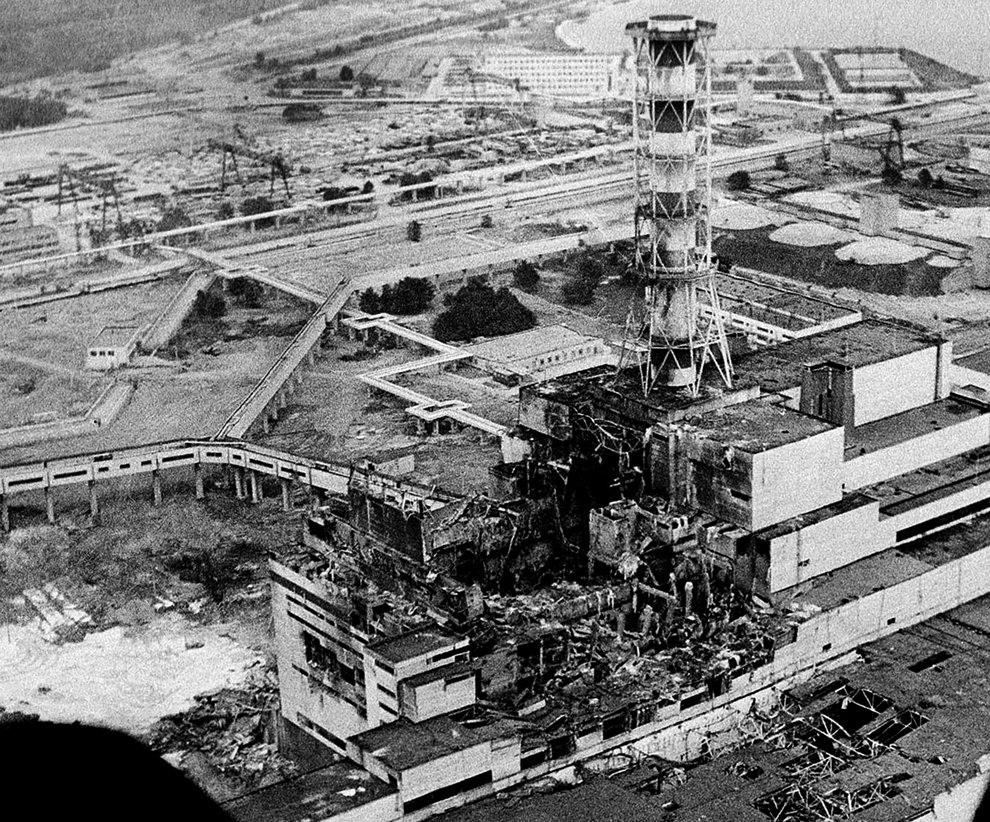
news.vice.com – Thirty years ago today, the Number 4 reactor at Chernobyl blew itself to smithereens, resulting in the worst nuclear disaster in history. A radiation cloud drifted over Europe, contaminating food sources that to this day continue to be monitored. Fifty-thousand residents in the nearby city of Pripyat were permanently evacuated. Dozens of people lost their lives.
Yet about 20 years after the disaster, an extensive two-year study led by seven UN agencies and involving the governments of Ukraine, Russia, and Belarus found that the biggest health threat from Chernobyl wasn’t the result of radiation — it was fatalism. People assumed they were going to die early due to radiation exposure, and so failed to take care of themselves as years passed. Tiếp tục đọc “The Lessons of Chernobyl May Be Different Than We Thought”
It’s Time to Outlaw Nuclear Weapons

Nuclear Vs Non-Nuclear Powered Countries: 2016 Facts

The map above shows which countries have operating commercial nuclear power stations and which ones do not as of April, 2016. At last count, 31 countries generate at least some of their electricity needs via nuclear power.
Here are 13 interesting facts about these countries and nuclear power. Tiếp tục đọc “Nuclear Vs Non-Nuclear Powered Countries: 2016 Facts”
Meeting Southeast Asia’s ambitious clean energy targets
Southeast Asian countries have set themselves renewable energy targets that are even more ambitious than some European countries, but they are behind schedule in reaching these goals. Government policies and private money are key to its progress.

Solar panels against a backdrop of mountains in Chiangmai, Thailand. Southeast Asia is set to meet its exploding energy demand mostly with coal, but many countries in the region have pledged to significantly increase their share of renewable energy. Image: Shutterstock
Tiếp tục đọc “Meeting Southeast Asia’s ambitious clean energy targets”
The 5 Dumbest Things in the U.S. Energy Bill
The energy bill passed by Congress contains some landmark initiatives, but it also has several seriously wrongheaded provisions.
The Energy Policy Modernization Act of 2015, which was approved this week by the U.S. Senate and is now headed for reconciliation with the House version, contains a number of landmark provisions. Among them are the permanent reauthorization of the Land and Water Conservation Fund, which uses oil and gas royalties to preserve undeveloped areas and historic and cultural sites, and the creation of a Department of Energy program to harness resources from the private sector, academia, and the government to develop advanced nuclear reactors.
But like any big bill that’s the result of bipartisan compromise, it also includes some pork. These five items, which range from the wrongheaded to the purely wasteful, aren’t likely to help the country move forward on energy anytime soon.
Clean coal: Driven by West Virginia senator Joe Manchin, the Act and its amendments include several measures to promote more research on carbon capture and storage and to “establish a comprehensive program dedicated to clean coal technological innovation through research, development, and implementation.” The government has already poured billions of dollars into so-called clean coal projects, including the ill-fated FutureGen plant, with basically nothing to show for it. Prolonging the life of the 20th century coal industry is a misguided goal if America is ever going to create a 21st century energy system.
.
Grid modernization: The Senate bill authorizes an “Interagency Rapid Response Team on Transmission” that would “expedite and improve the permitting process for electric transmission infrastructure.” It also includes various other lofty-sounding initiatives to improve and enhance the nation’s electricity grid, which is badly in need of improvements that would integrate rapidly spreading renewable resources. But that’s a trillion-dollar project, on the scale of the building of the interstate highway system. An “interagency rapid response team”—which will include representatives from the Advisory Council on Historic Preservation, among many other federal agencies—is woefully inadequate for such an ambitious task.
Burning biomass: The most controversial amendment to the bill designates the burning of trees for power generation as “carbon neutral,” on the theory that growing new trees offsets the CO2 released by burning old ones. That claim has been refuted by many scientists (growing new trees takes decades; burning wood in a power plant releases greenhouse gases immediately). Leaving aside the fact that the creation of an economically viable biomass industry will take decades, if it ever happens, this amendment is based on junk science.
Net metering: Net metering—compensating owners of solar arrays for excess power they return to the grid—has become a controversial issue as states have started cutting back on the practice. The bill acknowledges this, but rather than actually crafting a national policy on net metering, it calls for a federal report on the issue. There are many, many state reports on the issues surrounding net metering, most of which conclude that it benefits not only solar owners, but also non-solar households and the utilities. The last thing we need is a yet another new report.
Natural gas exports: In a major victory for fossil-fuel companies, the bill would expedite the permitting of large coastal terminals for the export of liquefied natural gas to Europe and Asia. Environmentalists loathe the push to export gas because it will promote more production using fracking, and because many believe that it could raise energy prices in the U.S. Leaving those considerations aside, there is evidence that the scramble to ship LNG overseas is based on inflated estimates of demand. The current policy around approving natural gas exports is slow and methodical, and that’s best left in place.
(Read more: “Suddenly, the Solar Boom Is Starting to Look Like a Bubble,” “Carbon Sequestration: Too Little, Too Late?”)
Vỡ “mộng” tỷ đô đổ vào điện gió
19/04/2016 08:18
BDT – Tập đoàn IMPSA (Argentina) từng lên kế hoạch đầu tư hàng tỷ USD vào Việt Nam để phát triển các dự án điện gió, song đến thời điểm này, mọi dự định dường như tắt lịm.
 |
| Phần lớn các dự án điện gió ở Ninh Thuận đều thuộc diện chậm tiến độ, nhiều lần bị lãnh đạo tỉnh thúc giục. Ảnh: Đức Thanh |
Output difficulties shut down multi-million dollar ethanol factories (Vietnam)
17:55 | 06/04/2016
Oversupply and high manufacturing costs, as well as a chronic lack of state support are the major reasons behind the closing of ethanol factories in general and PetroVietnam factories in particular, according to newswire Tuoitre.

VIR – As of now, PetroVietnam’s ethanol factories in the northern province of Phu Tho and the southern province of Binh Phuoc have stopped operations and the fate of the bio-ethanol Dung Quat factory, will be decided in the coming shareholders’ meeting. Tiếp tục đọc “Output difficulties shut down multi-million dollar ethanol factories (Vietnam)”
Oil Prices: What’s Behind the Drop? Simple Economics

The oil industry, with its history of booms and busts, is in its deepest downturn since the 1990s, if not earlier.
Earnings are down for companies that made record profits in recent years, leading them to decommission more than two-thirds of their rigs and sharply cut investment in exploration and production. Scores of companies have gone bankrupt and an estimated 250,000 oil workers have lost their jobs. Tiếp tục đọc “Oil Prices: What’s Behind the Drop? Simple Economics”
Giá dầu giảm lại là may mắn cho Việt Nam
Phan Minh Ngọc – Thứ Năm, 21/1/2016, 07:46 (GMT+7)
 Việt Nam là một nước nhập siêu sản phẩm xăng dầu nên sự tụt giảm giá dầu quốc tế có tác dụng cắt giảm chi phí đầu vào cho toàn bộ nền kinh tế, kích hoạt tiêu dùng và sản xuất. Ảnh: UYÊN VIỄN
(TBKTSG) – Vì Việt Nam là nước nhập siêu sản phẩm xăng dầu, nên rõ ràng giá dầu giảm là điều tốt lành nhiều hơn, chứ không phải là một tai họa, cho Việt Nam nói chung, trái với những trường hợp tiêu cực như Nga, Venezuela và Ảrập Saudi.
Những hậu quả khó thấy của sụt giảm mạnh giá dầu thô
English: The Hidden Consequences of the Oil CrashGiá dầu thô đang ở mức thấp kỷ lục kể từ năm 2003. Điều này có ý nghĩa gì đối với nước Mỹ và phần còn lại của thế giới – 15 chuyên gia đã cho biết By POLITICO Magazine January 21, 2016 Politico –Trong nhiều tháng, các tài xế Mỹ được chào đón tại các trạm xăng với một sự ngạc nhiên dễ chịu: Giá xăng hạ xuống một nửa, giảm trung bình hơn 2 đô la một ga-lông[1] kể từ đỉnh giá gần đây nhất trong năm 2011. Tổng thống Barack Obama đã dành một chút thời gian để nói về điều này trong Thông điệp liên bang hồi tuần trước, ông nói: “Xăng dưới hai đô một ga-lông không tồi. Hay có lẽ như vậy. Đằng sau sự sụt giá này là một sự sụp đổ lớn hơn trong giá dầu, từ hơn 100 đô la một thùng năm 2014 đến dưới 27 đô la trong tuần này. Vào hôm thứ ba, chỉ số Dow Jones giảm 250 điểm trong nỗi lo sợ về những điều sẽ xảy đến nếu giá dầu tiếp tục giảm, và điều này sẽ gây ra thêm nhiều nhiều tác động đến người tiêu dùng, và thậm chí đến thị trường toàn cầu. Giá dầu không chỉ dẫn dắt kinh tế, mà cả địa chính trị. Các liên minh hình thành và sụp đổ xung quanh vấn đề dầu thô. Giá Dầu cao chống đỡ cho các chính phủ Nga và Iran, tạo ra sự ổn định ở các nước Trung Đông và cũng tạo nguồn doanh thu cho các nhóm cực đoan ở Nigeria và I-rắc. Tiếp tục đọc “Những hậu quả khó thấy của sụt giảm mạnh giá dầu thô” |
Open Access Energy – framing document
DOWNLOAD: OpenAccess Energy Brief V2

Despite many decades of global efforts directed at mass electrification, we have failed to deliver modern electricity services to approximately one-third of the people on Earth. 1.1 billion people continue to live without access to electricity. A further billion have unreliable access. According to the International Energy Agency’s most optimistic scenario for future energy access, the number of people worldwide without electricity in the year 2030 is projected to remain above 1 billion. In Sub-Saharan Africa the problem is projected to get worse, not better. The fact that population growth is outstripping electrification means that by 2030 the number of people without electricity will have risen by 10% (16% in rural areas) from 2009 levels. Clearly, our approach to opening up energy access has to change.

William J. Perry on nuclear war and nuclear terrorism
Indeed, throughout my career I always perceived a dark nuclear cloud hanging over my head, threatening no less than the extinction of civilization.
During the Cold War we had a half dozen nuclear crises, of which the Cuban Missile Crisis was the most dangerous, and I was close enough to these crises that they made a deep personal impression on me. I believed then, and I believe to this day, that we got through these crises and avoided a nuclear catastrophe as much by good luck as by good management. Tiếp tục đọc “William J. Perry on nuclear war and nuclear terrorism”
Waiting for a Rockefeller: Meet the Next `Supermajors’ of Energy
April 4, 2016 — 12:01 AM BST Updated on April 4, 2016 — 6:20 AM BST
-
Dominant global players have yet to emerge in wind and solar
-
Handful of clean-energy companies build `supermajor’ skills
More than a decade after the birth of the modern renewable energy industry, solar and wind await their John D. Rockefeller.
Bloomberg – Clean power remains a tumultuous and fragmented business, crowded with companies grabbing for slices of an emerging market that aspires to reshape how the world meets its energy needs. They rise and fall as technology advances and demand seesaws. Some have grown into sprawling regional players, often propped up by government subsidies. A few, like Suntech Power Holdings Co. and Q-Cells SE, soared to prominence, then all but flickered out.
Yet there are still no companies that dominate the industry. Tiếp tục đọc “Waiting for a Rockefeller: Meet the Next `Supermajors’ of Energy”

