25/10/2020 Thiện Tùng, Mekong-cuulong
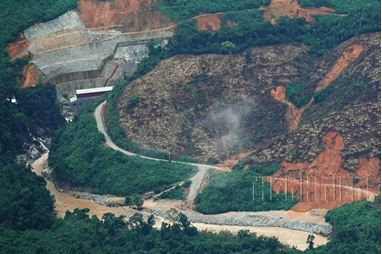
Thủy điện Rào Trăng 3, nhìn từ máy bay trực thăng. Ảnh: internet
Cứ “Đến hẹn lại lên”, trong hơn thập kỷ qua, cứ đến mùa mưa bão thì miền Trung lại phải chịu ngập lũ tang thương, năm sau cao hơn năm trước, như một định mệnh. Những khổ nạn ấy, người ta thường đổ cho “thiên tai” như biến đổi khí hậu chẳng hạn. Điều đó tuy không sai, nhưng ngoài nguyên nhân khách quan do thiên tai đó, còn có nguyên nhân chủ quan là “nhân tai” (nhân họa) do con người gây ra. Sở dĩ người ta né tránh nói đến nhân tai là để giấu dốt, chối bỏ trách nhiệm.
Thế giới tư nhiên vận động có quy luật tương đối ổn định. Do con người tác động vào khiến cho nó biến đổi theo tỷ lệ thuận – tác động nhiều nó biến đổi nhiều và ngược lại.
Tiếp tục đọc “Cãi nhau về thủy điện miền Trung”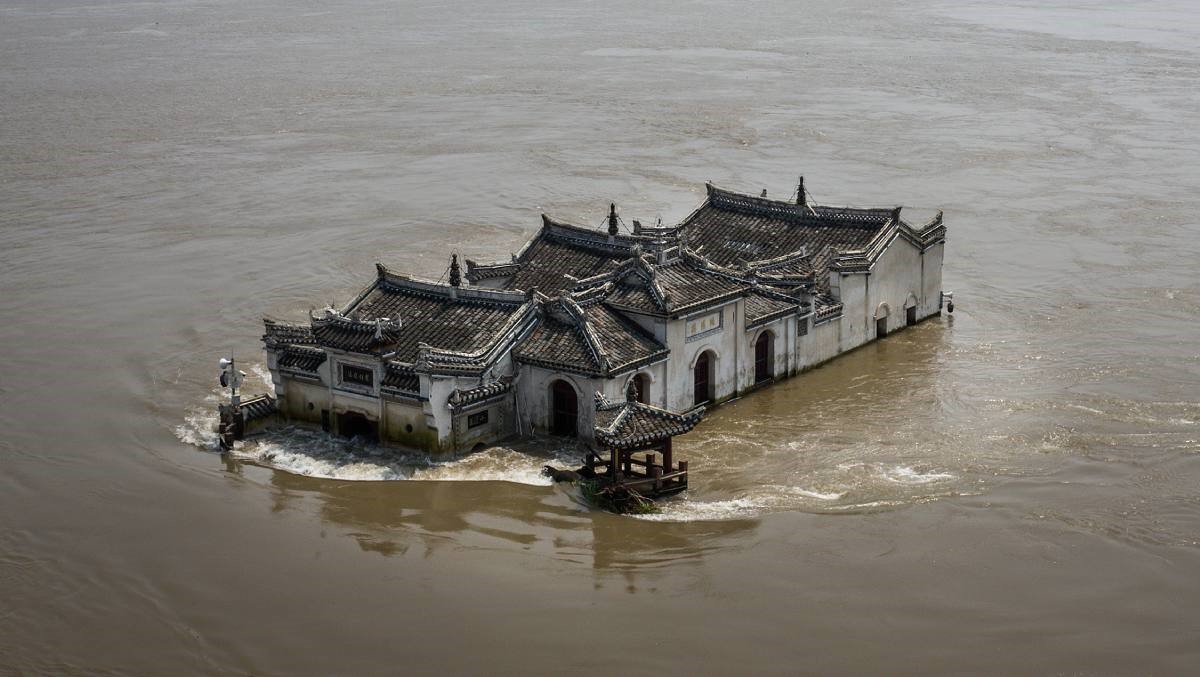

 Houses are submerged in flood waters in Thua Thien Hue Province, central Vietnam, October 10, 2020. Photo by VnExpress/Vo Thanh.
 People row boats on a flooded street in Hue in central Vietnam, October 11, 2020. Photo by VnExpress/Giang Huy.
![Our big data dashboard offers information that is useful for policy makers as they consider reopening their economies gradually to the rest of the world.[[/tweetable]] It allows them to weigh the respective importance of safety, financial gains, and mobility not only in their own country but also in the countries they might reconnect with.](https://blogs.worldbank.org/sites/default/files/styles/hero/public/blogs-images/2020-07/the_power_of_big_data.png?itok=5kbKHkHz "Our big data dashboard offers information that is useful for policy makers as they consider reopening their economies gradually to the rest of the world.[[/tweetable]] It allows them to weigh the respective importance of safety, financial gains, and mobility not only in their own country but also in the countries they might reconnect with.")