LUẬT VỀ HỘI:
- NGUYỄN ĐIỆP HOA
- 03.10.2016, 09:14
 |
Conversations on Vietnam Development

|
15/05/2016 – 21:59 PM
NĐT – LTS. Gần 20 năm tâm huyết với các vấn đề trên dòng Mekong cũng như đồng bằng sông Cửu Long (ĐBSCL), bác sĩ Ngô Thế Vinh không chỉ là một nhà văn với hai tác phẩm Cửu Long cạn dòng, Biển Đông dậy sóng và Mekong – dòng sông nghẽn mạch, ông còn là một nhà hoạt động môi trường bền bỉ. Ông đã có những chuyến đi dọc dòng Mekong dài 4.800km, từ Tây Tạng đổ xuống Biển Đông. Người Đô Thị có cuộc phỏng vấn ông Ngô Thế Vinh về các vấn đề nóng bỏng hiện nay trên dòng Mekong và ĐBSCL.

Tiếp tục đọc “Phỏng vấn Ngô Thế Vinh – người đi dọc 4.800km sông Mekong”

TT – Hôm nay- ngày 11/7/2016, Tổ chức Minh bạch Quốc tế (TI) công bố nghiên cứu “Minh bạch trong Công bố thông tin của Doanh nghiệp: Đánh giá các công ty đa quốc gia ở thị trường mới nổi” (TRAC EMM), ấn bản 2016.
Tiếp tục đọc “Minh bạch trong Công bố thông tin của Công ty đa quốc gia hoạt động tại Việt Nam”

AA – Cứ 3 thanh niên có 1 người thất nghiệp hoặc có công việc nhưng thu nhập không đủ sống.
Từ năm 2010 đến năm 2013, kinh tế của các nước đang phát triển tăng trưởng nhanh gấp đôi so với mức tăng thu nhập của người lao động. Tiếp tục đọc “Việc làm – Chính sách phát triển công nghiệp: Đâu là lựa chọn?”

Mr. Van Ngoc Thinh, WWF-Vietnam Country Director gave the certificate to Mr. Nguyen Van Thanh, chairman of Hue’s People Committee / Ts. Văn Ngọc Thịnh, giám đốc WWF-Việt Nam trao danh hiệu Thành phố Xanh Quốc gia của Việt Nam 2016 cho ông Nguyễn Văn Thành, chủ tịch UBND thành phố Huế © Nguyen Thuy Quynh / WWF-Vietnam[/caption]
Huế – ngày 28 tháng 6 năm 2016 – Huế chính thức được WWF Quốc tế vinh danh là Thành phố Xanh Quốc gia của Việt Nam năm 2016 – một danh hiệu xứng đáng cho những chính sách và sáng kiến mà thành phố và người dân Huế đang thực hiện để trở thành thành phố đi đầu của cả nước trong phát triển bền vững và thân thiện với môi trường. Tiếp tục đọc “Thành phố đầu tiên của Việt Nam được quốc tế vinh danh cam kết phát thải cac bon thấp”
06:24 ngày 12 tháng 06 năm 2016
 Chị H’Dức bên đàn bò.
NDT – 04/03/2016 – 22:16 PM

TĐ – Quy tụ nhiều sinh viên, du học sinh, dự án “Đi và Mở” mong muốn truyền thông điệp về vấn đề ô nhiễm môi trường qua các hình thức mới, sáng tạo như: nhạc kịch, kể chuyện, trò chơi…


[Infographic] Sự tham gia của xã hội trong phòng, chống tham nhũng ở Việt Nam

TT – Việt Nam là quốc gia thành viên của Công ước Liên Hợp quốc về chống tham nhũng (UNCAC) từ năm 2009. Điều 13 của UNCAC quy định chi tiết, cụ thể về sự tham gia của xã hội trong phòng, chống tham nhũng, nhấn mạnh trách nhiệm của chính phủ các quốc gia thành viêntrong việc thúc đẩy và đảm bảo sự tham gia của các tổ chức và cá nhân ngoài khu vực Nhà nước. Tiếp tục đọc “Đảm bảo sự tham gia của xã hội trong phòng, chống tham nhũng tại Việt Nam”
VNUNICEF – Thứ Sáu, ngày 24 tháng 1 năm 2014
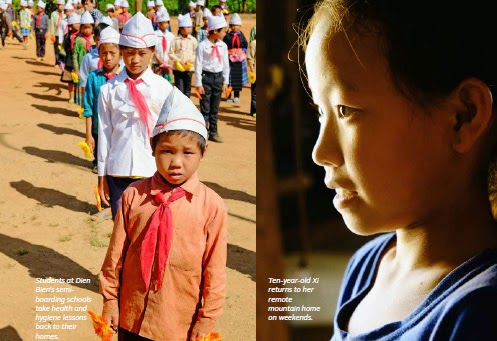
Một khởi đầu đúng đắn tại Việt Nam
Xi, một bé gái 10 tuổi người dân tộc Mông tại Việt Nam mong muốn lớn lên sẽ trở thành một nữ cảnh sát. Xi nói: “Em muốn bảo vệ người dân tộc, có thể phát hiện những người buôn bán ma túy và ngăn chặn họ”. Sự tự tin và trách nhiệm xã hội của một cô bé khiến chúng tôi phải giật mình, đặc biệt khi chúng tôi biết được rằng em sống ở một nơi khó khăn và hẻo lánh nhất Việt Nam, nơi mà điều quan tâm nhất của mọi người là kiếm sống qua ngày. Tiếp tục đọc “Các trường bán trú tại tỉnh miền núi Điện Biên là tâm điểm của chính sách giáo dục tiểu học cho trẻ em dân tộc thiểu số mà UNICEF hỗ trợ”
She had never before dared to do that during two decades of marriage. This time, Tieu did it on purpose. “I wanted to see how my husband would react. I wanted freedom,” said Tieu.
Tiếp tục đọc “When a woman of ethnic minority says to “vote wisely””
VNUNICEF – Mai* – cô bé 12 tuổi sống giữa thành phố Hồ Chí Minh – thành phố lớn và phồn hoa nhất Việt Nam. Gia đình cô bé sống trong căn nhà rộng 10m2 được dựng lên bằng các tấm tôn. Cô bé sống với bố mẹ và 04 anh chị em – tất cả đều chưa từng tới trường hay đi khám sức khỏe, tiêm phòng hoặc tiếp cận với bất kỳ chương trình bảo trợ xã hội nào mà người nghèo ở Việt Nam thường được hưởng.
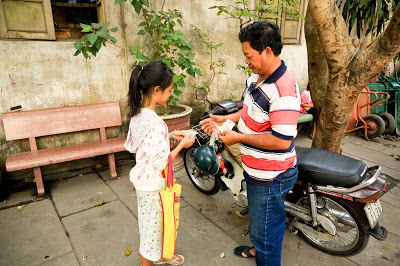 Tiếp tục đọc “Bảo vệ những trẻ em Việt Nam chưa được khai sinh”

 CVD
CVD 