China moves to suspend some history tests for U.S. college credit by 2020

(Reuters) – Beijing on Thursday ordered a suspension of history exams run by a U.S. non-profit for students seeking credit at American colleges, as the ruling Communist Party cracks down on educational material it deems unfriendly.

FILE PHOTO: Students study ahead of the entrance exam for postgraduate studies, at a library in Zhengzhou University in Zhengzhou, Henan province, China December 13, 2017. REUTERS/Stringer

The suspension of Advanced Placement (AP) tests will hit secondary school students looking to ease the academic workload at U.S. universities by earning credit for some college courses, enabling them to graduate faster.
Tiếp tục đọc “China moves to suspend some history tests for U.S. college credit by 2020”
Các công ty Hàn Quốc ồ ạt rút khỏi Trung Quốc

Chánh Tài – Chủ Nhật,  23/6/2019, 19:47 

(TBKTSG Online) – Hãng điện tử Samsung đã châm ngòi cho làn sóng các công ty Hàn Quốc rút dần các hoạt động sản xuất tại Trung Quốc do tình hình kinh doanh không thuận lợi.

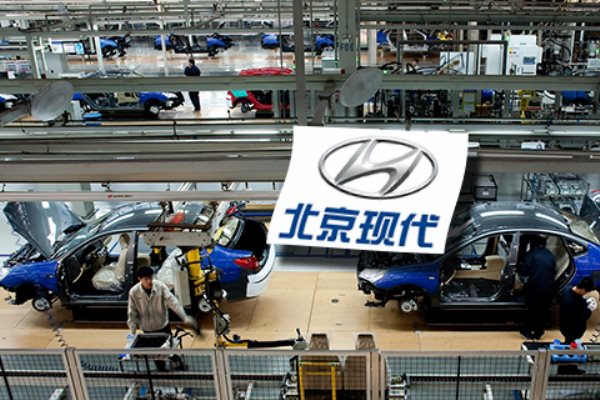
Hồi tháng 5-2019, hãng xe Hyundai Motor cho biết tạm thời ngừng sản xuất ở một nhà máy liên doanh ở Bắc Kinh có công suất 300.000 xe mỗi năm. Ảnh: Pulse News

Samsung kích hoạt làn sóng rút khỏi Trung Quốc

Các tập đoàn lớn của Hàn Quốc bao gồm Samsung, Hyundai Motor, Kia Motors và LG đang rút dần dây chuyền sản xuất khỏi Trung Quốc trong nỗ lực giảm sự phụ thuộc quá lớn vào nước này, vốn khiến họ dễ tổn thương khi nhiều khó khăn ập đến cùng một lúc: sự cạnh tranh đến từ các công ty địa phương, căng thẳng địa chính trị và những cơn gió ngược của nền kinh tế thế giới. Tiếp tục đọc “Các công ty Hàn Quốc ồ ạt rút khỏi Trung Quốc”

Philippines thanks Vietnam for rescuing sinking crew abandoned by ‘cowardly’ Chinese boat

Thursday, June 13, 2019, 13:00 GMT+7
Philippines thanks Vietnam for rescuing sinking crew abandoned by ‘cowardly’ Chinese boat
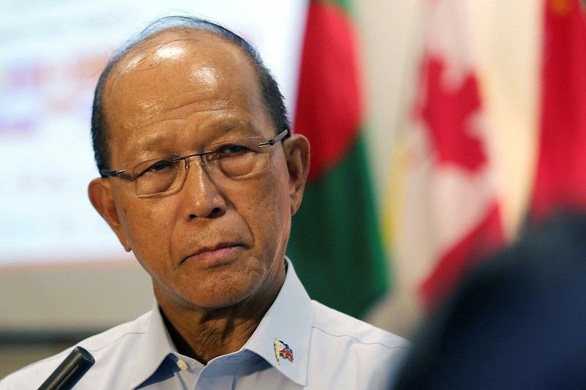
Philippine defense secretary Delfin Lorenzana. Photo: AFP

The Philippines on Wednesday condemned the “cowardly action” of a suspected Chinese fishing vessel accused of abandoning a Filipino fishing crew after a collision in the East Vietnam Sea, while thanking a Vietnamese ship for coming to the fishermen’s aid.

The Chinese ship on Sunday hit a Filipino craft anchored near Reed Bank causing it to sink and leaving 22 crewmen “to the mercy of the elements,” Philippine defense secretary Delfin Lorenzana was quoted by AFP as saying in a statement on Wednesday. Tiếp tục đọc “Philippines thanks Vietnam for rescuing sinking crew abandoned by ‘cowardly’ Chinese boat”

Vietnam asks China to ‘educate’ crew members who drove away Vietnamese fishing boats

TT – Friday, June 21, 2019, 16:00 GMT+7

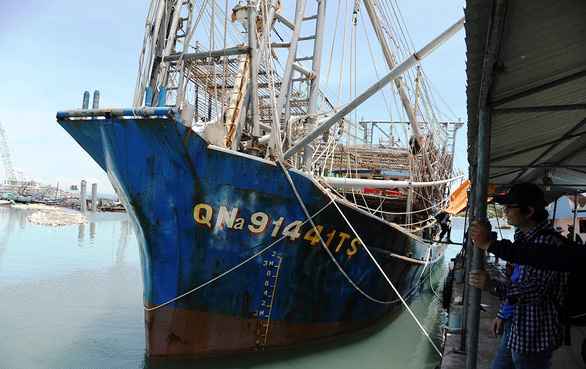
A Vietnamese fishing boat that had 2.5 metric tons of squid taken away by Chinese crew members is seen in Quang Nam Province, central Vietnam. Photo: Le Trung / Tuoi Tre
China should ‘educate’ its crew members to refrain from such actions as driving away Vietnamese fishing boats working in the waters of the Hoang Sa (Paracel) archipelago in the East Vietnam Sea, following several cases that happened in the recent past, Vietnam’s foreign ministry spokesperson said on Thursday. Tiếp tục đọc “Vietnam asks China to ‘educate’ crew members who drove away Vietnamese fishing boats”

Too little, too late for US ‘recommitment’ to Mekong countries? China’s already there

scmp

  • As Beijing floods the Mekong with much-needed cash, the US finds itself pushing back against the tide to retain influence
  • But some nations in the region think the competition can work to their advantage
The Greater Mekong Subregion is a 2.6 million sq km area that covers five Asean countries as well as China’s Guangxi region and Yunnan province. Photo: AFP

US officials say Secretary of State Mike Pompeo will “recommit” the United States to supporting the five countries along Southeast Asia’s longest river, the Mekong, when he makes his first duty visit to Bangkok in July. Tiếp tục đọc “Too little, too late for US ‘recommitment’ to Mekong countries? China’s already there”

Biểu tình ở Hồng Kông tháng 6 năm 2019

  • Giới tài chính Hồng Kông thấp thỏm vì các cuộc biểu tình
  • Hồng Kông khủng hoảng, vì sao?

***

Giới tài chính Hồng Kông thấp thỏm vì các cuộc biểu tình

Chánh Tài Thứ Bảy,  15/6/2019, 19:01

(TBKTSG Online) – Căng thẳng giữa người dân với chính quyền đặc khu Hồng Kông tăng cao liên quan đến dự luật dẫn độ gây tranh cãi, khiến giới lãnh đạo và đầu tư trong lĩnh vực tài chính ở đặc khu này lo lắng về tương lai của một thành phố được ví là trung tâm tài chính của châu Á và toàn cầu.

Nhờ nằm ở vị trí cửa ngỏ của Trung Quốc và mô hình “một quốc gia, hai chế độ”, Hồng Kông trở thành một trung tâm tài chính của khu vực và toàn cầu. Ảnh: AFP

Tiếp tục đọc “Biểu tình ở Hồng Kông tháng 6 năm 2019”

Is Cambodia’s Koh Kong project for Chinese tourists – or China’s military? – Dự án Koh Kong của Campuchia phục vụ mục tiêu quân sự của TQ?

Vietnamese after English

Is Cambodia’s Koh Kong project for Chinese tourists – or China’s military?

  • A tourism development by the Chinese firm Union Development Group looks too good to be true
  • Sceptics say it is – and that its suspiciously long airport runway and deep water port will give China a military foothold in the country
A satellite image of the suspiciously long runway at the airport in Koh Kong. Photo: Handout

It’s only natural that Beijing might show an interest in a tourism development that aims to lure big-spending Chinese tourists to the shores of Cambodia with the promise of casinos, golf courses and luxury resorts.

Tiếp tục đọc “Is Cambodia’s Koh Kong project for Chinese tourists – or China’s military? – Dự án Koh Kong của Campuchia phục vụ mục tiêu quân sự của TQ?”

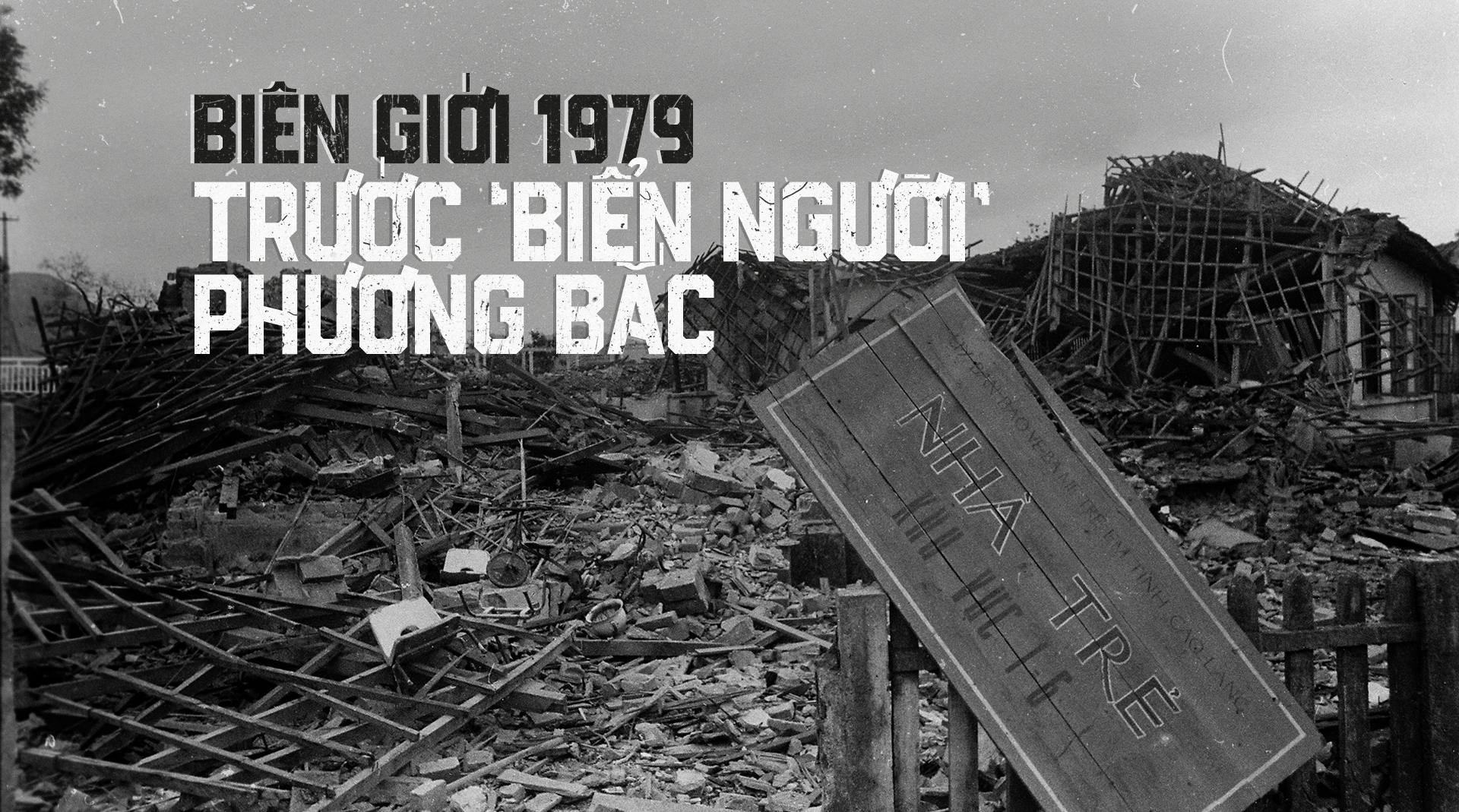
Biên giới 1979 trước “biển người” phương Bắc

600.000 quân Trung Quốc được huy động để thực hiện một cuộc phá hoại rộng lớn trên đất Việt Nam. Mọi chuyện không như ý muốn của kẻ thù.

***

VNE – Nhiều năm sau này, người trong vùng vẫn kể về cái đêm con trai cô Dén chết. Đoàn người sơ tán từ thị xã Cao Bằng, lần rừng về cầu Tài Hồ Sìn, tìm đường xuôi về Bắc Kạn, Thái Nguyên, những vùng chiến sự chưa lan tới. Gặp một trại lính Trung Quốc, đoàn người bấm nhau đi thật khẽ. Đúng lúc, từ phía nhà cô Dén có tiếng ọ ọe của trẻ con. Thằng bé bú no nê và được ủ ấm, đã thức giấc. Cô Dén loay hoay tìm cách để nó thôi khóc. Tiếp tục đọc “Biên giới 1979 trước “biển người” phương Bắc”

The Belt and Road Initiative: Views from Washington, Moscow, and Beijing – Sáng kiến “Vành đai và Con đường”: Quan điểm từ Washington, Moskva và Bắc Kinh

Vietnamese after English

The Belt and Road Initiative: Views from Washington, Moscow, and Beijing

Summary:  Despite the BRI’s prevalence in discussions of China’s global engagement, many experts are divided on how to interpret it. Is it a global strategy or just an interregional initiative? How can countries and international companies participate in its growth and development?

Since being unveiled in 2013, the Belt and Road Initiative (BRI) has become the signature foreign policy project of Chinese President Xi Jinping. The initiative demonstrates China’s growing ambitions at home and abroad and was officially inscribed in the Chinese constitution during the 19th Party Congress, the same congress during which Xi proclaimed a “new era” and the “great rejuvenation of the Chinese nation.”1 It is symbolic of China’s more self-confident foreign policy and departure from the low-profile strategy of “hide and bide” that long characterized Beijing’s global engagement.

Tiếp tục đọc “The Belt and Road Initiative: Views from Washington, Moscow, and Beijing – Sáng kiến “Vành đai và Con đường”: Quan điểm từ Washington, Moskva và Bắc Kinh”

Vietnam warned against being too eager for Chinese capital

Welcoming foreign investments, economists have once again warned about the negative impact that Chinese investments have had on Vietnam’s economy.

The concern about Chinese investments were raised after the Ministry of Planning and Investment (MPI) released a report showing that China is standing firmly in the No 1 position on the list of leading foreign direct investors in Vietnam.

Vietnam warned against being too eager for Chinese capital

Chinese registered $1.3 billion worth of FDI in the first four months

In the first four months of 2019, Chinese investors registered $1.3 billion worth of FDI in 187 projects. The investments mostly were for the processing & manufacturing industry, real estate and distribution. Tiếp tục đọc “Vietnam warned against being too eager for Chinese capital”

China’s Xi defends Belt and Road, says ‘not exclusive club’

Update: April, 26/2019 – 11:45  VNA

Chinese President Xi Jinping speaks during the opening ceremony of the Belt and Road Forum in Beijing.  — AFP Photo

BEIJING — Chinese President Xi Jinping sought on Friday to ease growing concerns about his ambitious Belt and Road Initiative, vowing to prevent debt risks and saying his global infrastructure project “is not an exclusive club”.

Xi made his remarks at a summit on his signature foreign policy, which aims to reinvent the ancient Silk Road to connect Asia to Europe and Africa through massive investments in maritime, road and rail projects. Tiếp tục đọc “China’s Xi defends Belt and Road, says ‘not exclusive club’”

China becomes biggest foreign investor in Vietnam

Chinese investment has generated jobs and brought capital, but it may also bring about environmental risks and cause problems in foreign worker management, experts say.

The Q1 report about Vietnam’s macroeconomy released by VEPR (the Vietnam Institute for Economic and Policy Research) shows that implemented FDI capital increased by 7.52 percent compared with the same period last year, while registered FDI capital was $3.82 billion. Additional investment capital increased by $1.3 billion. Tiếp tục đọc “China becomes biggest foreign investor in Vietnam”

Việt Nam xác minh vị trí giàn khoan Trung Quốc ở Biển Đông

VNE – Thứ năm, 11/4/2019, 16:45 (GMT+7)

Bộ Ngoại giao Việt Nam đang xác minh thông tin về giàn khoan Đông Phương 13-2 CEPB, nhắc lại việc hai nước cần tuân thủ hiệp định đã ký.

Giàn khoan Dongfang 13-2 CEPB của Trung Quốc. Ảnh: Newsbeezer.

Giàn khoan Dongfang 13-2 CEPB của Trung Quốc. Ảnh: COOEC.

Cơ quan chức năng Việt Nam đang xác minh thông tin giàn khoan Đông Phương 13-2 CEPB (Dongfang 13-2 CEPB) của Trung Quốc có hoạt động trong khu vực Vịnh Bắc Bộ hay không, bà Lê Thị Thu Hằng, người phát ngôn Bộ Ngoại giao trả lời câu hỏi của VnExpress trong họp báo chiều nay. Tiếp tục đọc “Việt Nam xác minh vị trí giàn khoan Trung Quốc ở Biển Đông”

Sai lầm chiến lược của Tập Cận Bình?

Tác giả: Nguyễn Quang Dy, Nghiên Cứu Quốc Tế

Tập Cận Bình (Xi Jinping) được nhiều người coi là một chính trị gia giỏi, với kỳ tích chống tham nhũng, củng cố quyền lực, cải tổ quân đội, phát triển đất nước, vì “Giấc mộng Trung Hoa”. Đặc biệt, Tập Cận Bình còn muốn “làm Trung Quốc vĩ đại trở lại”, vượt Mỹ làm bá chủ thế giới. Nhưng mặt khác, cũng có thể nói Tập Cận Bình đã mắc phải mấy sai lầm lớn.

Thứ nhất, ông không chỉ nắm 3 chức vụ cao nhất của Đảng, Nhà nước, và Quân đội, như “lãnh đạo nòng cốt”, mà còn bỏ giới hạn hai nhiệm kỳ để trở thành “Hoàng đế đỏ” Trung Hoa. Thứ hai, ông tự tin khởi động kế hoạch “Made in China 2025” làm Mỹ và phương Tây lo lắng chống lại. Thứ ba, ông chủ quan theo đuổi sáng kiến “Vành đai và Con đường”, làm nhiều nước khác phản ứng “bẫy nợ”. Thứ tư, ông thiếu nhạy cảm triển khai “chính sách gây ảnh hưởng” bằng các viện Khổng Tử và “tấn công quyến rũ”, làm nhiều nước lo ngại “con ngựa thành Troy”. Thứ năm, ông thẳng tay trấn áp người Duy Ngô Nhĩ ở Tân Cương, và nôn nóng triển khai “hệ thống tín nhiệm xã hội”. Đó là những đại dự án mang “dấu ấn Tập Cận Bình” nhằm thực hiện “Giấc mộng Trung Hoa”. Tiếp tục đọc “Sai lầm chiến lược của Tập Cận Bình?”

A Rising China Is Driving the U.S. Army’s New Game Plan in the Pacific

New missiles and large-scale exercises part of long-term strategy to deter Beijing.

Idaho Army National Guard and Montana Army National Guard Soldiers from the 116th Cavalry Brigade Combat Team conduct a live-fire exercise with Royal Thai Army Soldiers at the Cavalry Center in Thailand’s Saraburi province on Aug. 28, 2018. (Department of Defense Photo)

Idaho Army National Guard and Montana Army National Guard Soldiers from the 116th Cavalry Brigade Combat Team conduct a live-fire exercise with Royal Thai Army Soldiers at the Cavalry Center in Thailand’s Saraburi province on Aug. 28, 2018. (Department of Defense Photo)

FORT SHAFTER, Hawaii—As an organization based solidly on dry land, the U.S. Army’s increasing focus on the Pacific might seem puzzling to some.

But with China continuing to expand its military, building islands in the South China Sea, and spreading fear among neighbors, the Army wants to up its game in the region with more firepower and additional rotations of U.S. troops—not only to reassure key U.S. allies such as Japan, South Korea, and Thailand that the United States has their back, but also to prevent a potential war.

“China is the priority,” said Gen. Robert Brown, U.S. Army Pacific commander, during a March 19 roundtable with a handful of reporters at Fort Shafter in Hawaii. Tiếp tục đọc “A Rising China Is Driving the U.S. Army’s New Game Plan in the Pacific”