
channelnewsasia
Questions are being asked about how, and whether, China can deliver the benefits of its multi-trillion-dollar initiative to connect a region with 62 per cent of the world’s population. Between The Lines debates the issue.
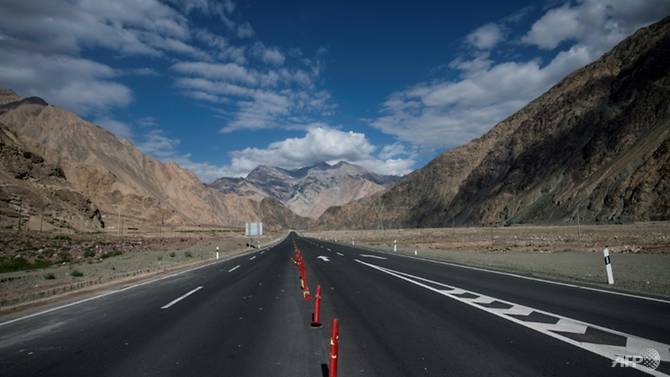
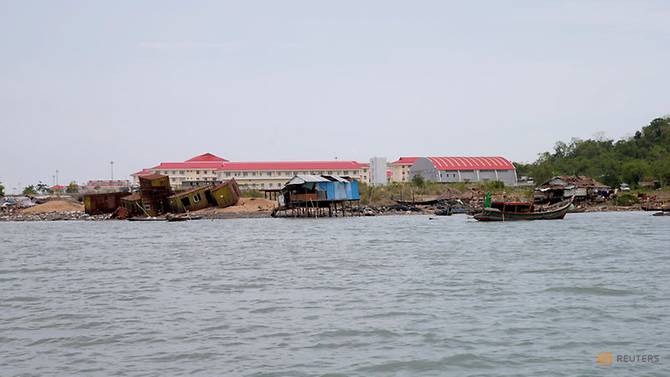
HONG KONG: In Myanmar, first a China-led dam project was suspended because of environmental and social problems. Then local protests about environmental damage have made the joint development of a copper mine a stop-start affair.
In Pakistan, there are internal differences over where the China Pakistan Economic Corridor projects should take place, with poorer provinces petitioning for more projects to be directed towards them instead of Punjab.
Such snags on the ground, among other things, are raising questions about how, and whether, Beijing can deliver on the grand vision of its Belt and Road initiative ushering in a new era of globalisation in Asia, Europe and Africa.
That was an issue debated in a recent Between the Lines episode looking at the implementation of China’s multi-trillion-dollar push to connect a region with 62 per cent of the world’s population. (Watch the episode here)
One thing is clear: Lessons have to be learnt. “The Chinese authorities as well as the business community have to go through a soul-searching process,” said commentator Professor Joseph Cheng, one of four discussants on the programme.
CULTIVATE PEOPLE, NOT JUST GOVERNMENTS
Their suggestions included taking care of local communities, doing good work, such as community projects to build good relations – and not only good public relations – as well as learning the local culture.
“Certainly, some Chinese corporations working in Myanmar were or have been perceived as looking down on the local people, not showing adequate respect for the local people,” said Prof Cheng. “It isn’t enough just to deal with the government.”

Other characteristics of Chinese investment and participation in infrastructure projects have also led to complaints.
“China has a lot of manpower, so when it takes part in projects, it not only brings along engineers, it also brings along skilful technicians, skilled labour and so on,” noted Prof Cheng.
So this means very little employment opportunities for local labour.
This contrasts with, say, the American viewpoint that bringing engineers to developing countries is costly, he added.
Some of the Chinese workers also start restaurants, small supermarkets and “even take over a segment, sometimes a very substantial segment, of the restaurant business and so on”. Tiếp tục đọc “One Belt, One Trap? A debate over who benefits from China’s new silk road”


 Người dân Pakistan, mở tiệc iftar mừng kết thúc mùa chay Ramadan trên đường phố Lahore, trước văn phòng của tập đoàn viễn thông Trung Quốc Huawei. Ảnh: Internet
 Du khách Trung Quốc trước trụ sở Quốc hội Hy Lạp. Ảnh: NYT
 Người dân sống ở hai bên sông Irrawaddy sẽ bị ảnh hưởng nặng nề bởi dự án thủy điện. Ảnh: AFP


 Cầu cao tốc Beipanjiang tại tỉnh Quý Châu, Trung Quốc (Ảnh: Glabb / trên trang Wikimedia Commons)

 CVD
CVD 