Cambodia’s mega canal has Vietnam worried: What does it mean for the Mekong?

CNAInsider – 31-10-2025

This April, China and Cambodia finalised a deal to build the Funan Techno Canal. It is a 180km waterway which will connect the Mekong River to the Gulf of Thailand. The USD 1.8 billion infrastructure project will be undertaken jointly by the Cambodian government and Chinese investors. The project has an ambitious completion date of 2028.

Cambodia argues that the canal will finally allow the country to control its own destiny. Currently, about a third of Cambodia’s global cargo are relying on Vietnamese ports for export, via the Mekong. The canal will allow the shipments to be exported through Cambodia’s own ports, reducing its reliance on its neighbour. The Kingdom sees the canal as a source of economic independence and growth, as well as a way to boost its transport links.

But Vietnam is concerned that the canal will divert water flows from the Mekong. Indochina’s most important river is already under threat by upstream dams and climate change. A massive new canal could well starve Vietnamese farmlands of much needed water. Cambodia on the other hand, insists that the canal will have minimal impact. As construction of the canal gets underway, what will be the long-term impact of this monumental project? Tiếp tục đọc “Cambodia’s mega canal has Vietnam worried: What does it mean for the Mekong?”

Climate migrants are earning more. Why are their kids dropping out?

mekongeye.com By Võ Kiều Bảo Uyên 18 August 2025 at 16:13

Childcare, red tape and separation from parents stand in the way of school for children of millions of Mekong Delta migrants

HO CHI MINH CITY, VIET NAM – In a 12-square-meter rented apartment lined with pink Hello Kitty wallpaper, Thúy Hằng, 37, continually ponders whether to bring her six-year-old daughter from the rural Mekong Delta to the city.

Hằng works at an Adidas supplier factory and her husband at a wood processing factory. The couple left their two daughters with the grandparents in Đồng Tháp province, when the girls were only infants.

Source: Mapbox

For years, Hằng has dreamed of reuniting with her children. She decorated the room, inquired about schools and had the funds ready, but could not figure out childcare. The couple work until 7-8pm, and public schools close at 4:30pm.

In the past decade, more than one million people have left the Mekong Delta for industrial zones in Ho Chi Minh City – as the region faces mounting environmental stress.

Once considered Viet Nam’s rice bowl, the delta now grapples with sediment loss, saltwater intrusion and soil erosion – the results of upstream dams, rampant sand mining and climate change.

Tiếp tục đọc “Climate migrants are earning more. Why are their kids dropping out?”

Plastic is choking the Mekong River

themekongeye.com By Anton L. Delgado 20 January 2025 at 10:54

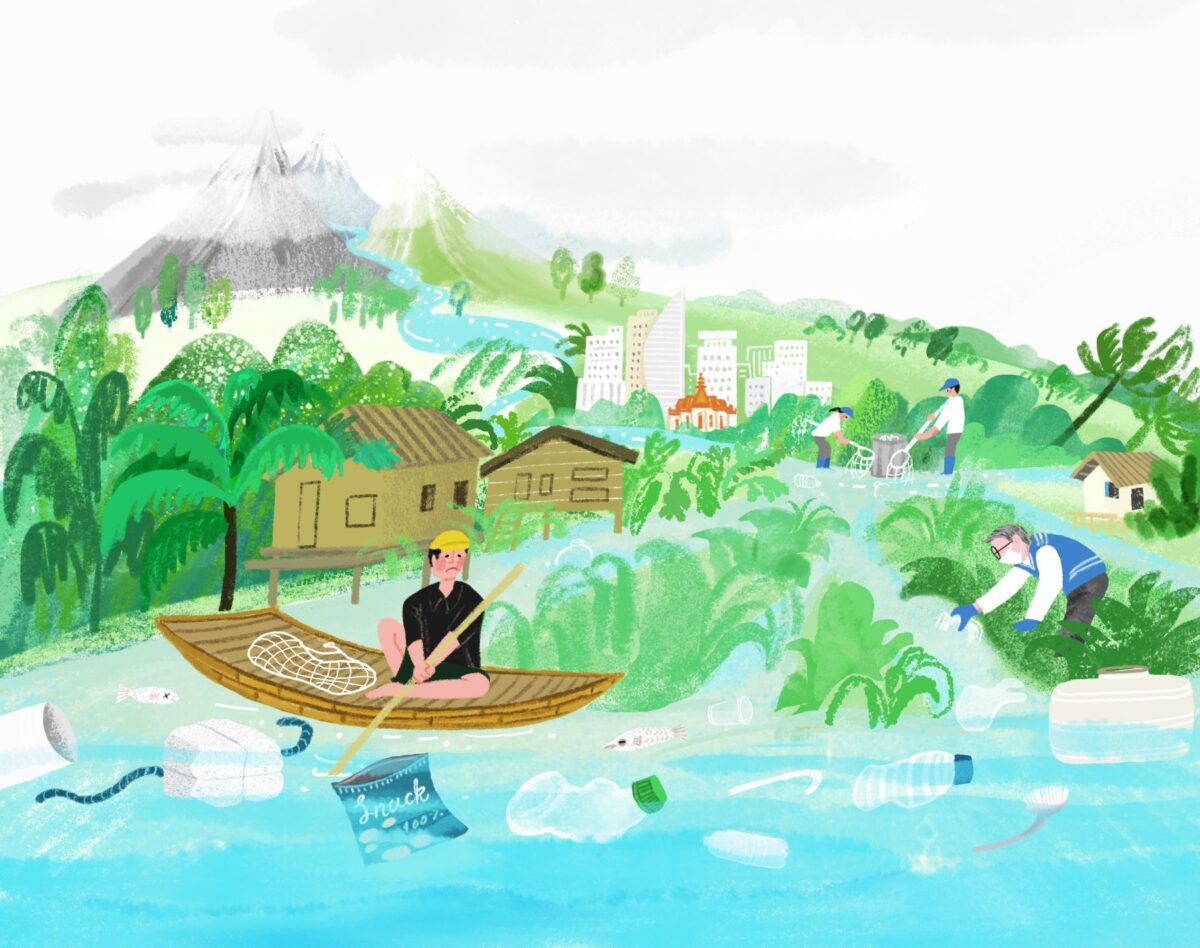
Plastic is now ubiquitous in the Mekong, Asia’s Mother of Rivers, and experts and local people are struggling to contain the risks to human health, biodiversity and livelihoods

ILLUSTRATION: Sunhee Park / Dialogue Earth

On Sơn Island in Viet Nam’s Mekong Delta, Le Trung Tin scatters fish feed into his ponds, where dozens of snakehead fish leap through the surface in synchronized bursts. “I taught them how to do that,” he says proudly, tossing another handful of feed at his fish.

The scene looks idyllic, but Le’s fish farm is a reluctant response to an escalating crisis. For decades, he made his living fishing the Hậu River, a distributary of the Mekong. But in recent years, plastic waste clogged his nets and strangled the fish. “I had no choice but to stop,” he says. “Everything was tangled – trash, nets, even the fish themselves. It was hopeless.”

Now, Le relies on enclosed ponds using filtered water to keep his fish alive. “I built this ecological environment free of plastic waste, chemical spills and [protected it from] extreme weather,” he says.

https://player.vimeo.com/video/1037846174?dnt=1&app_id=122963VIDEO: Anton L. Delgado/Dialogue Earth

Le’s experience reflects the wider challenges facing the Mekong. Stretching over 4,300 kilometres from the Tibetan Plateau to the South China Sea, the river supports nearly 70 million people and some of the world’s most biodiverse ecosystems. Yet, it is one of the most plastic-polluted rivers in the world and among the 10 rivers in Asia that carry the vast majority of plastic to the sea. The Mekong dumps – by some estimates – tens of thousands of tonnes each year into the ocean, with plastic waste accumulating along its banks, tributaries and lakes.

Plastic enters the Mekong in myriad ways – agricultural runoff, unregulated dumping and a flood of single-use packaging from upstream countries like China and Myanmar. It accumulates in hotspots like Tonle Sap Lake in Cambodia and the wetlands of Vietnam’s Mekong Delta, where this plastic waste threatens biodiversity, food security and human health.

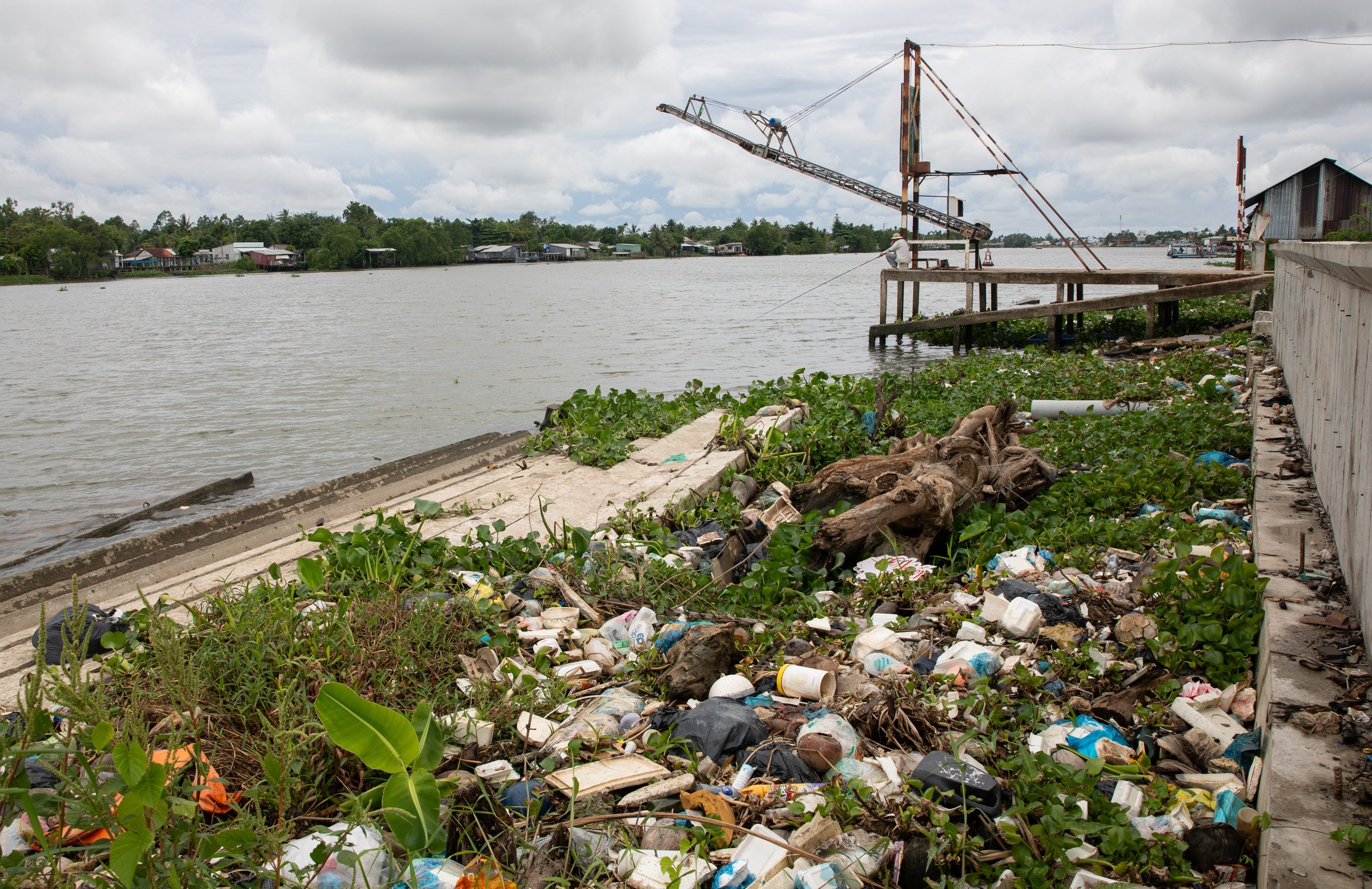
Plastics and other waste scattered along the riverbank
Plastics and other waste accumulate along the riverbank near the city of Can Tho in Vietnam’s Mekong Delta region. PHOTO: Anton L. Delgado / Dialogue Earth

Tiếp tục đọc “Plastic is choking the Mekong River”

Mekong Dam Monitor Weekly Update

February 24 – March 2, 2025 Stimson Mekong Monitor

Spotlight

Significant releases from China’s large dams push river to higher-than-normal levels.

Sustained large releases from China’s Xiaowan and Nuozhadu Dams are causing the river to run at levels 1-2 meters higher than normal along the Thai-Lao border. The two graphs illustrate  the sudden spike in river level occurring during the last days of February, corresponding to about 900 million cubic meters of water releases from China’s dams. Under normal dry season conditions, the river level does not spike in a manner seen on the graphs. At this time of year, the river level should gradually decrease over the next six weeks. Sudden spikes in river level, particularly those which run for sustained periods at higher levels, can be devastating for the river’s ecological processes and for the communities who depend on the river.

What Happened Last Week?

    • Where’s the Water: Last week, dams throughout the basin released a significant cumulative total of 1.6 billion cubic meters of water. Significant releases came from Xiaowan (PRC, 749 million cubic meters), Nuozhadu (PRC, 164 million cubic meters), and Thuen Hinboun Expansion (LAO, 199 million cubic meters). Dry season water releases generate hydropower but also artificially raise the level of the river. Where is the water?
    • River Levels: River levels throughout the basin are now about one meter higher than normal. See how this looks.
    • Wetness and Weather: While the headwaters of the Mekong in China are excessively wet (blue), most of the lower Mekong region is experiencing intensifying drought (red). Dry season irrigation activities in the Mekong Delta are creating slightly above average wetness anomalies in Vietnam’s delta. Temperatures in the Mekong basin were about average overall, with slightly above-average temperatures in the northern portion of the basin and slightly below average temperatures in the lower basin. See the maps.

Tiếp tục đọc “Mekong Dam Monitor Weekly Update”

Khát nước cạnh những dòng sông

THANH HUYỀN – MẬU TRƯỜNG – 27/03/2024 05:42 GMT+7

TTCT Sau nhiều tháng nắng gắt và không có mưa, nước mặn xâm nhập ngày càng sâu vào Đồng bằng sông Cửu Long. Cà Mau và Bến Tre là hai tỉnh bị ảnh hưởng sớm và nặng nhất cho đến thời điểm này.

Ruộng lúa của ông Nguyễn Văn Cảnh chết khô vì thiếu nước ngọt. Ảnh: THANH HUYỀN Tiếp tục đọc “Khát nước cạnh những dòng sông”

Water management crucial to urban growth in Mekong Delta: experts

September 05, 2023 – 09:03 Vietnamnews

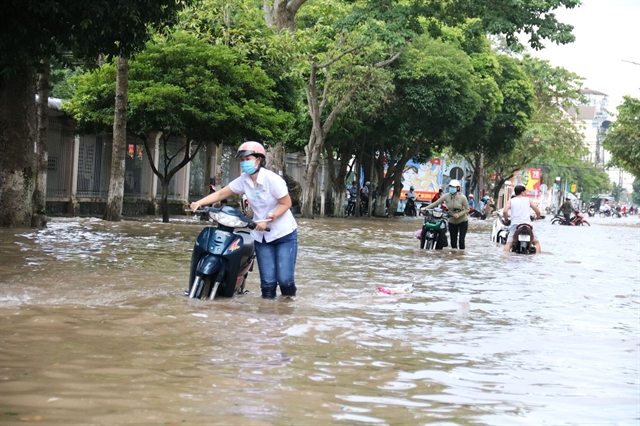
The region is also witnessing faster sea level rise than forecast, with all 13 cities and provinces of the delta are at high risk of flooding due to climate change.

People in Vĩnh Long Province struggled to get through a flooded street due to high tides. — VNA/VNS Photo Lê Thúy Hằng

HCM CITY — The Mekong (Cửu Long) Delta has seen significant strides in urban development, yet the increasing climate change risks mean long-term and practical strategies must be put in place for sustainable growth.

The delta currently has 211 urban areas, with an urbanisation rate of 32 per cent against that of the country at 40.5 per cent. These figures are predicted to rise in the near future.

The region is also witnessing faster sea level rise than forecast, with extreme weather phenomena that affect people’s livelihoods.

Tiếp tục đọc “Water management crucial to urban growth in Mekong Delta: experts”

Phù sa lơ lửng

                                                                                                                               Lymha 9-2016 Mekong-Cuulong.blogspot.com

Nước lên đem đất phù sa vào làm cho ruộng đất tốt thêm, cá theo nước vào hồ, có hàng ức triệu con, để nhân dân chài lưới mà sinh nhai. Dân Cao Miên giàu về nghề đánh cá. Nước tràn  vào các khu rừng  gần hồ, mênh mông như biển, ngập cả cây cối.

Mùa ấy gọi là “mùa cá lên ngàn“. Trong khi ấy thì không gì thú bằng một con thuyền đủng đỉnh dạo chơi trên mặt nước.

(Trích Quc văn Giáo khoa thư)

Giải nghĩa. – Đất phù sa = đất sông bồi lên.

Đoạn văn trên đây tôi được học cách đây hơn nữa thế kỷ, lúc đó còn nhỏ, chỉ biết các dòng nước không trong xanh như trong hình ở sách giáo khoa, vì lẽ sông Tiền, sông Hậu của quê hương tôi, màu nước lúc nào cũng đục, màu của bùn, đất, cát ..của phù sa chảy theo dòng nước… phù sa trôi dạt và bám thành những giồng đất vườn  quanh năm cho chúng tôi trái ngọt, những cánh dồng do phù sa bồi đắp cho chúng tôi những cánh đồng bát ngát lúa vàng óng ánh, những cành lúa nặng trĩu những hạt lúa no tròn, thơm lừng trong chén cơm hàng ngày của người nông dân cần cù chất phát của vùng  đất do phù sa bồi đắp mà Ông Cha đã dầy công dựng nên trong tiến trình mở nước về phương Nam:  Đồng Bằng Sông Cửu Long.

Tiếp tục đọc “Phù sa lơ lửng”

Rà soát tiến độ 16 dự án của miền Tây ĐBSCL vay vốn ODA

plo.vn

Bố trí 2,53 tỷ USD vốn ODA cho 16 dự án khu vực ĐBSCL

(PLO)-  Họp rà soát tiến độ 16 dự án phát triển bền vững vùng ĐBSCL ứng phó với biến đổi khí hậu (Mekong DPO), Bộ KH&ĐT mong các dự án này sẽ được phê duyệt đề xuất trong quý III này.

Ngày 15-7, tại TP Cần Thơ, Bộ KH&ĐT chủ trì hội nghị với 13 tỉnh, thành vùng đồng bằng sông Cửu Long (ĐBSCL) và bộ, ngành liên quan để rà soát, thúc đẩy tiến độ các dự án phát triển bền vững vùng ĐBSCL ứng phó với biến đổi khí hậu (Mekong DPO), gồm 16 dự án.

Thứ trưởng Bộ KH&ĐT Trần Quốc Phương cho biết 3 tháng qua, tiến độ chuẩn bị các dự án Mekong DPO đã có những chuyển biến tích cực.

Cụ thể, đề xuất dự án của Bộ GTVT đã được Thủ tướng phê duyệt đề xuất. Nhiều đề xuất dự án đã được các địa phương điều chỉnh, bổ sung, hoàn thiện căn cứ góp ý của các cơ quan có liên quan và gửi lại Bộ KH&ĐT, Bộ Tài chính.

Tiếp tục đọc “Rà soát tiến độ 16 dự án của miền Tây ĐBSCL vay vốn ODA”

China dams make ‘upstream superpower’ presence felt in Asia

asiaa.nikkei.com PAK YIU JULY 24, 2023

Enormous water diversion projects spark concern across region

A large cloud of dust

Description automatically generated

Water is released from the Xiaolangdi Reservoir Dam on the Yellow River in a sand-discharging operation. July 2022, Luoyang, China. (Footage via Getty Images)

Drought in China dried up parts of the Yangtze river last year – but the largest water transfer apparatus ever built still drew from it to supply Beijing’s needs. 

More than a billion cubic meters flowed through the colossal South-to-North Water Diversion Project in 2022. It traveled from a reservoir in central China to millions of households in the capital 1,200 kilometers away. The journey, via underground tunnels and canals that cross the Yellow River, roughly equaled the distance between Amsterdam and Rome.

The movement highlights the scale of China’s measures to shore up water security – and the profound potential effects these have on neighboring countries.

Many of Asia’s transboundary rivers originate in the Indo-Tibetan plateau in China. They flow into 18 downstream nations such as India, Kazakhstan, Bangladesh and Vietnam, delivering water to a quarter of the world’s population.


That alone makes the world’s second most populous nation an upstream superpower with enormous influence over irrigation of much of the continent. Projects such as building dams and hydropower plants potentially fuel existing regional political tensions – and create new ones.

Tiếp tục đọc “China dams make ‘upstream superpower’ presence felt in Asia”

“The Mekong is Dying”: How China’s River Diplomacy Neglects Locals, Exacerbates Climate Change

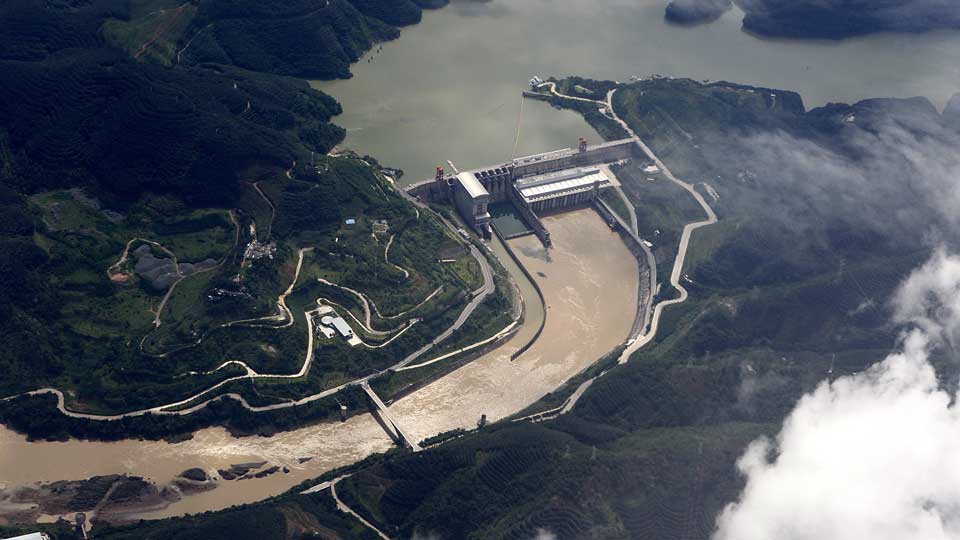
File image of the aerial view of the Jinghong Hydropower Station on the Lancang River, the Chinese part of the Mekong River, in Jinghong city, Xishuangbanna Dai Autonomous Prefecture, southwest China’s Yunnan province. Imaginechina Limited / Alamy Stock Photo

Chinaglobalsouth.com

The rainy season would usually start in May, but this was late June and it was still not raining much. Niwat Roykaew, who grew up on the bank of the Mekong River in Thailand’s northern Chiang Rai province, noticed. 

Born and raised in the Chiang Khong district, Roykaew, 63, was taught to observe the Mekong River to tell the season. But, in the past two decades, the river has become unpredictable like it has “pulsated out of tune”.

Niwat Roykaew is a Thai activist who campaigns for China to share data about water restrictions by its dams upstream.

“The water would get high for two days, then on the third day it would suddenly drop, even during the rainy season,” said Roykaew. 

Local residents like him knew that this delay could mean another year of drought. Since at least 2019, that’s what has happened: the monsoon rain is late, and when it comes, it departs early.

The Mekong River’s water levels in the lower basin, including in Thailand, are now very unstable, being heavily affected both by climate change and hydropower dams upstream that are mostly powered by China, according to local residents, activists, and experts.

Tiếp tục đọc ““The Mekong is Dying”: How China’s River Diplomacy Neglects Locals, Exacerbates Climate Change”

Nam Thủy Bắc Điều – tham vọng chuyển nước nhiều tranh cãi của Trung Quốc

VNE – Thứ ba, 30/8/2022, 19:00 (GMT+7)

Nam Thủy Bắc Điều – tham vọng chuyển nước nhiều tranh cãi của Trung Quốc

Nam Thủy Bắc Điều là đại dự án đưa nước từ các con sông miền nam tới miền bắc khô hạn của Trung Quốc, nhưng gây nhiều tranh cãi về môi trường.

Sơ đồ các tuyến dẫn nước trong dự án Nam Thủy Bắc Điều. Nguồn dữ liệu: Global Times

Hãng thông tấn Xinhua của Trung Quốc cho biết dự án Nam Thủy Bắc Điều, hệ thống vận chuyển nước lớn nhất thế giới, đưa nước từ miền nam lên miền bắc Trung Quốc xuyên qua lòng sông Hoàng Hà, được thử nghiệm thành công ngày 25/8. Đợt thử nghiệm được tiến hành nhằm đánh giá quá trình vận hành toàn bộ 155 đơn vị và đưa toàn bộ đại dự án vào hoạt động.

Tiếp tục đọc “Nam Thủy Bắc Điều – tham vọng chuyển nước nhiều tranh cãi của Trung Quốc”

Đồng bằng sông Cửu Long: Cát không phép chiếm 86% thị trường

congan.com.vn

Thứ Ba, 20/12/2022 16:59  | Nguyễn Nhân

(CATP) Ngày 19-12 tại TP.Cần Thơ, Tổ chức quốc tế về bảo tồn thiên nhiên Việt Nam (WWF – Việt Nam) phối hợp với Báo Nông nghiệp Việt Nam tổ chức tọa đàm với chủ đề “Quản lý cát bền vững ở ĐBSCL và giải pháp nào cho tình trạng khan hiếm cát dưới góc nhìn chuyên gia và truyền thông” với sự tham gia các nhà quản lý, chuyên gia, cơ quan báo, đài. Tại đây, nhiều chuyên gia cho rằng không nên khai thác “cát biển” để làm nguồn vật liệu thay thế, bởi như vậy là chúng ta đang “cắt đứt đôi chân” của mình.

40% Diện tích đồng bằng sẽ biến mất?

Vùng ĐBSCL là một trong những khu vực kinh tế trọng điểm của Việt Nam, đóng góp 31,37% GDP ngành nông nghiệp, 50% sản lượng lúa, 65% sản lượng nuôi trồng thủy sản, 70% sản lượng trái cây, 95% lượng gạo xuất khẩu và 60% sản lượng cá xuất khẩu. Tuy nhiên, nơi đây đang chịu tác động mạnh do biến đổi khí hậu cùng các hiện tượng cực đoan như: hạn hán, xâm nhập mặn, sạt lở. Tình trạng khai thác cát quá mức đã làm gia tăng sạt lở bờ sông, ảnh hưởng không nhỏ đến đời sống người dân đồng bằng. Do đó, việc quản lý khai thác cát một cách hiệu quả và bền vững cần những giải pháp căn cơ và lâu dài.

Tiếp tục đọc “Đồng bằng sông Cửu Long: Cát không phép chiếm 86% thị trường”

Giành giật ĐBSCL với ‘cát tặc’

Trúc Tùng – 31/10/2022 16:25 GMT+7

thanhnien.vn

Ở Đồng bằng sông Cửu Long (ĐBSCL), chỉ riêng năm 2011, lượng cát khai thác là 50 triệu tấn, dẫn đến hệ lụy không có giặc ngoại xâm mà đất đai vẫn bị mất dần. Theo ước tính của Bộ NN-PTNT, mỗi năm ĐBSCL bị mất 500ha, chỉ vài chục năm sau, diện tích ĐBSCL sẽ mất đi một nữa.

Nhu cầu về cát cho xây dựng ở ĐBSCL hiện rất lớn, trong khi nguồn cát bồi đắp từ sông Mê Kông ngày một ít đi
ĐÌNH TUYỂN

Nguồn tài nguyên quý hiếm không thể tái sinh

Một “mỏ cát” thường được hình thành vài trăm năm, thậm chí cả ngàn năm, nên nhiều nhà khoa học cho rằng đây là loại tài nguyên không tái tạo vì khi nó bị mất đi thì rất khó và rất lâu mới hình thành một khối lượng cát giá trị khai thác.

Cát sa mạc hình thành do sự ma sát, bào mòn chủ yếu do gió nên bị tròn nhẵn, mất khả năng kết dính với các loại vữa xi măng nên gần như không sử dụng cho xây dựng, nhiều quốc gia có sa mạc như ở vùng Trung Đông vẫn phải nhập cát về xây dựng.

Tiếp tục đọc “Giành giật ĐBSCL với ‘cát tặc’”