I am an attorney in the Washington DC area, with a Doctor of Law in the US, attended the master program at the National School of Administration of Việt Nam, and graduated from Sài Gòn University Law School. I aso studied philosophy at the School of Letters in Sài Gòn.
.
I have worked as an anti-trust attorney for Federal Trade Commission and a litigator for a fortune-100 telecom company in Washington DC.
I have taught law courses for legal professionals in Việt Nam and still counsel VN government agencies on legal matters.
I have founded and managed businesses for me and my family, both law and non-law.
I have published many articles on national newspapers and radio stations in Việt Nam.
In 1989 I was one of the founding members of US-VN Trade Council, working to re-establish US-VN relationship.
Since the early 90's, I have established and managed VNFORUM and VNBIZ forum on VN-related matters; these forums are the subject of a PhD thesis by Dr. Caroline Valverde at UC-Berkeley and her book Transnationalizing Viet Nam.
I translate poetry and my translation of "A Request at Đồng Lộc Cemetery" is now engraved on a stone memorial at Đồng Lộc National Shrine in VN.
I study and teach the Bible and Buddhism. In 2009 I founded and still manage dotchuoinon.com on positive thinking and two other blogs on Buddhism.
In 2015 a group of friends and I founded website CVD - Conversations on Vietnam Development (cvdvn.net).
I study the art of leadership with many friends who are religious, business and government leaders from many countries.
I have written these books, published by Phu Nu Publishing House in Hanoi:
"Positive Thinking to Change Your Life", in Vietnamese (TƯ DUY TÍCH CỰC Thay Đổi Cuộc Sống) (Oct. 2011)
"10 Core Values for Success" (10 Giá trị cốt lõi của thành công) (Dec. 2013)
"Live a Life Worth Living" (Sống Một Cuộc Đời Đáng Sống) (Oct. 2023)
I practice Jiu Jitsu and Tai Chi for health, and play guitar as a hobby, usually accompanying my wife Trần Lê Túy Phượng, aka singer Linh Phượng.
In August of 1619, a ship appeared on this horizon, near Point Comfort, a coastal port in the British colony of Virginia. It carried more than 20 enslaved Africans, who were sold to the colonists. America was not yet America, but this was the moment it began. No aspect of the country that would be formed here has been untouched by the 250v years of slavery that followed. On the 400th anniversary of this fateful moment, it is finally time to tell our story truthfully.
Texas has passed legislation that bans abortions after the unborn baby has a heartbeat. Pictured: the Texas Capitol dome. (Photo: Bo Zaunders/Getty Images)
Republican Texas Gov. Greg Abbott announced Wednesday that Texas had passed an abortion ban protecting “every unborn child with a heartbeat.”
“The heartbeat bill is now LAW in the Lone Star State,” Abbott tweeted Wednesday. “This bill ensures the life of every unborn child with a heartbeat will be saved from the ravages of abortion.”
39 bí thư tỉnh, thành ủy; 20 phó bí thư; 3 chủ tịch và 5 phó chủ tịch UBND tỉnh ứng cử đại biểu Quốc hội khóa XV.
Trong số 5 thành phố trực thuộc Trung ương, 4 thành phố có Bí thư Thành ủy ứng cử Quốc hội gồm ông Đinh Tiến Dũng (Hà Nội), ông Trần Lưu Quang (Hải Phòng) ông Nguyễn Văn Quảng (Đà Nẵng) và ông Lê Quang Mạnh (Cần Thơ).
Riêng Bí thư Thành ủy TP HCM Nguyễn Văn Nên không ứng cử Quốc hội. Tại TP HCM có 50 ứng cử viên để cử tri bầu ra 30 đại biểu Quốc hội khóa XV, trong số ứng viên có bà Nguyễn Thị Lệ, Phó bí thư, Chủ tịch HĐND TP.
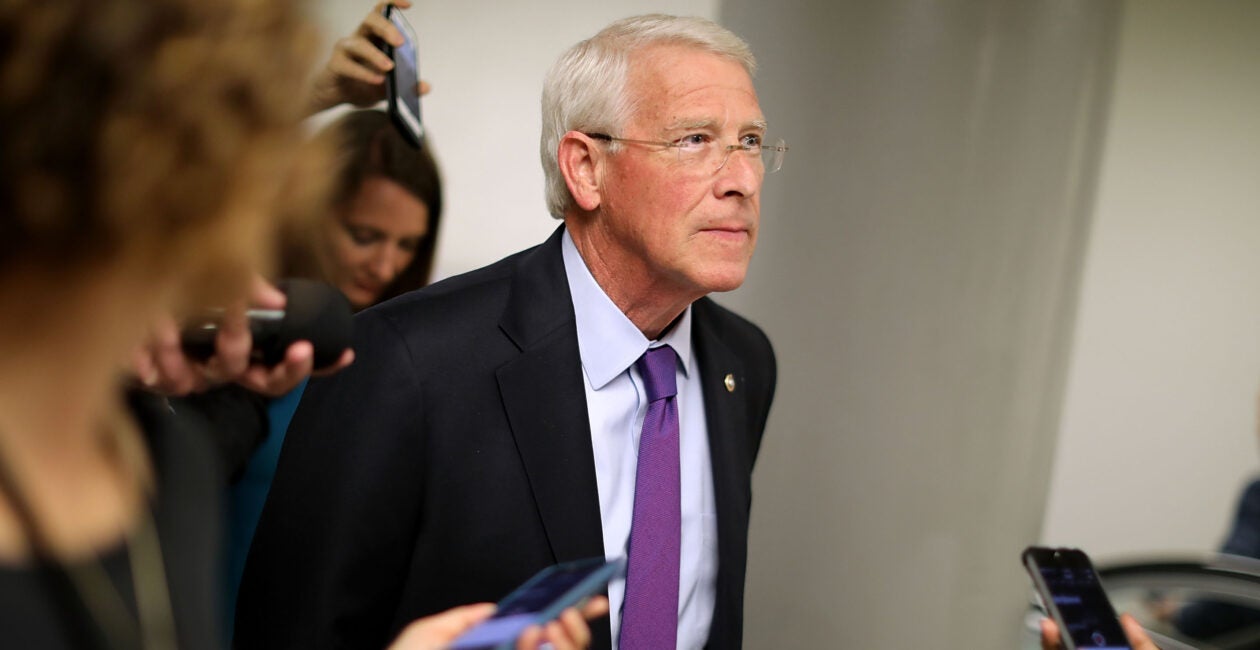
Sen. Roger Wicker, R-Miss., seen here talking with reporters at the Capitol on May 16, 2017, will be the keynote speaker at a webinar, “Ending Interpol Abuse: How the Democratic World Can Fight Transnational Repression,” hosted by The Heritage Foundation on Tuesday. (Photo: Chip Somodevilla/Getty Images)
Ted R. Bromund, Ph.D., is the Margaret Thatcher senior research fellow at The Heritage Foundation. Read his research.
Over the past few years, awareness has spread about the problem of Interpol abuse.
Interpol isn’t an international police agency, even though Hollywood likes to depict it as such. It’s actually more like an electronic bulletin board on which police agencies around the world can post their “wanted” notices.
Một số địa phương chưa từng xảy ra dịch bệnh nên chưa có kinh nghiệm, còn chậm trễ, lúng túng ứng phó khi dịch bùng phát.
Đây là một trong 7 nguyên nhân làm bùng phát đợt Covid-19 thứ tư tại Việt Nam, theo kết luận của Thủ tướng Phạm Minh Chính tại cuộc họp Thường trực Chính phủ về phòng chống dịch bệnh, ngày 19/5.
Đợt dịch lần này do nguồn bệnh xâm nhập từ bên ngoài qua đường nhập cảnh. Trong khi đó công tác quản lý nhập cảnh, đấu tranh ngăn chặn nhập cảnh trái phép, kiểm soát và xử lý cư trú trái phép chưa chặt chẽ, còn sơ hở. Việc quản lý cách ly người nhập cảnh, theo dõi y tế sau cách ly thiếu chặt chẽ.
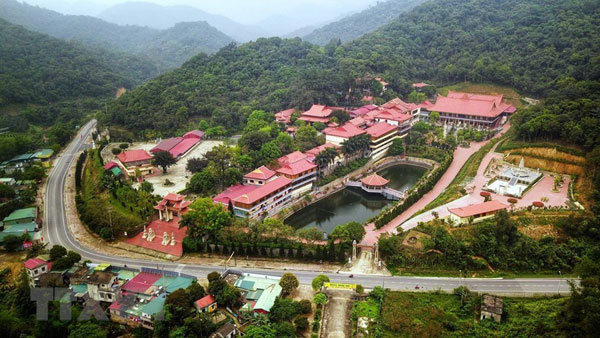
The Complex of Yen Tu Monuments and Landscape is a place of great historic and religious importance in Vietnam.
The Ministry of Culture, Sports and Tourism together with the National UNESCO Committee has recently prepared a report nominating the inclusion of the Yen Tu Complex in the list of those planned to have world heritage dossiers to the UNESCO World Heritage Centre.
Truc Lam Yen Tu Zen Monastery, also known as Lan Pagoda, is located on Yen Tu Mountain (Uong Bi City, Quang Ninh). This site was chosen by King Tran Nhan Tong (1258 – 1308) as a place to lead his religious life. (Photo: VNA)
Giao tranh Israel – Hamas nổ ra sau những tranh cãi về cuộc chiến pháp lý nhiều năm nhằm đẩy 7 gia đình Palestine khỏi khu đất ở Đông Jerusalem.
Hôm 10/5, đụng độ nghiêm trọng xảy ra tại nhà thờ Hồi giáo Al Aqsa, một trong những địa điểm linh thiêng nhất ở Jerusalem, khi cảnh sát Israel bắn hơi cay và lựu đạn choáng vào đám đông biểu tình người Palestine. Đụng độ tại đây và nhiều khu vực khác thuộc Jerusalem đã khiến hàng trăm người Palestine và nhiều sĩ quan Israel bị thương.
Phong trào Hamas tại Dải Gaza của Palestine tối hôm đó quyết định can thiệp bằng cách phóng hàng loạt rocket về phía lãnh thổ Israel. Không quân Israel tung đòn không kích đáp trả, châm ngòi cho loạt động thái “ăn miếng trả miếng” giữa hai bên.
Đóng cửa phiên giao dịch 12/5 (rạng sáng 13/5 giờ Việt Nam), chỉ số công nghiệp Dow Jones của Mỹ tụt giảm thêm 680 điểm xuống 33.588 điểm. Đây là phiên giảm thứ 3 liên tiếp. Các chỉ số tầm rộng S&P 500 và công nghệ Nasdaq Composite cũng giảm tương ứng 2,1% và 2,7%.
Giá vàng trên thị trường quốc tế biến động mạnh trong bối cảnh giới đầu tư chờ đợi những tín hiệu từ Cục Dự trữ Liên bang Mỹ (Fed) về tương lai chính sách tiền tệ của nước Mỹ.
Việt Nam theo dõi sát diễn biển và thực thi chủ quyền trên Biển Đông, trong bối cảnh gần 300 tàu Trung Quốc hiện diện gần quần đảo Trường Sa.
“Các cơ quan chức năng của Việt Nam luôn theo dõi sát những diễn biến trên Biển Đông và bảo vệ, thực thi chủ quyền, quyền chủ quyền và quyền tài phán quốc gia trên các vùng biển của Việt Nam, phù hợp với các quy định của luật pháp quốc tế, trong đó có Công ước Liên Hợp Quốc về Luật Biển (UNCLOS) năm 1982”, người phát ngôn Bộ Ngoại giao Lê Thị Thu Hằng nói trong cuộc họp báo thường kỳ chiều nay, khi được hỏi về thông tin gần 300 tàu Trung Quốc đang hiện diện ở Trường Sa.
Lực lượng tuần tra thuộc nhóm chuyên trách Biển Đông của Philippines cho biết tính tới ngày 9/5, tổng cộng 287 tàu Trung Quốc đang hiện diện gần quần đảo Trường Sa, trong đó các cụm tàu lớn hơn xuất hiện tại các đảo nhân tạo Trung Quốc bồi đắp phi pháp ở khu vực này.
Everyone agrees we want to avoid another ‘system black’ in South Australia. What’s contested is whether household solar exports should be allowed to be cut off by the system operator, under what circumstances, and who gets to decide?
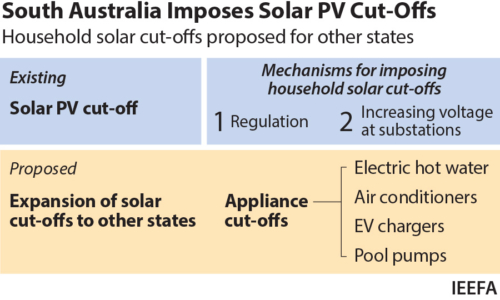
New measures giving energy authorities powers to remotely switch off solar panels without householders’ knowledge has set a worrying precedent.
Now state energy ministers are considering adopting a similar rule that would allow behind-the-meter appliances such as hot water systems, air conditioners, electric vehicle chargers and pool pumps to also be switched off.
South Australia’s rooftop solar cut-off measure was used for the first time on 14 March 2021 affecting around 12,500 households in Adelaide.
When this cut-off occurred, solar households were not compensated, and everyone affected had to purchase electricity from the grid.
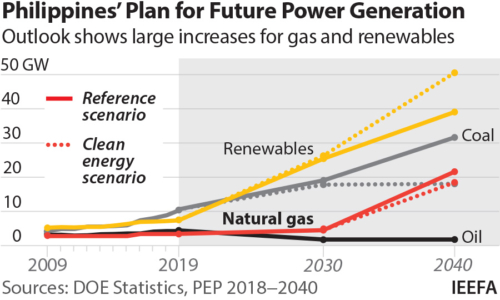
5 May 2021 (IEEFA Philippines): The race to develop liquified natural gas (LNG) facilities in the Philippines has gone from a marathon to a sprint but potential LNG investors must proceed at their own risk, according to a new report from the Institute for Energy Economics and Financial Analysis (IEEFA).
“Officials in the Philippines have endorsed a rapid buildout of LNG import infrastructure due to the anticipated depletion of the Malampaya deepwater development, the country’s only domestic source of natural gas, and high GDP growth expected over the next decade,” says the report’s author IEEFA Energy Finance Analyst, Sam Reynolds.
Exporting countries and industry players have pushed the narrative that natural gas, a fossil fuel alternative to coal, represents a viable transition fuel from coal to renewables. The United States, in particular, has encouraged legal and regulatory reforms to stimulate LNG demand creation.
By Anh Minh May 6, 2021 | 09:14 am GMT+7Workers fix electric cables in the southern province of Bac Lieu. Photo by VnExpress/Nguyet Nhi.The Vietnamese government has asked the Ministry of Industry and Trade to complete the 2021-2030 energy development plan and submit it by mid-June this year.
It has also tasked the ministry with evaluating more carefully the capability of the national grid to prevent the problem of energy oversupply and make needed changes to the proposed Power Development Master Plan VIII.
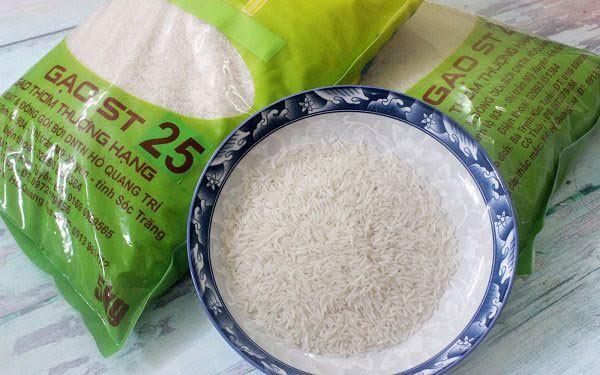
Four foreign companies have registered trademark protection for Vietnam’s ST25 rice in the U.S., which may choke off Vietnamese food exporters tapping the market later,
according to Vu Ba Phu, director of the Trade Promotion Department under the Ministry of Industry and Trade.
Vietnam’s ST25 rice once recognized as the world’s best rice.
Pham Minh Thien, general director of the Dong Thap-based Co May Co. Ltd., said besides ST24 and ST25 rice, he has seen Vietnamese rice with Vietnamese names such as “Ba con nai” and “Ba mien” labeled as “Made in Thailand” in the U.S. market.
Speaking to The Saigon Times, a leader of the Vietnam Food Association (VFA) said Vietnamese enterprises have been tardy in registering trademark protection for their products in foreign markets.
This is not the first time this is happening. Foreign companies have also registered trademark protection for other Vietnamese products in foreign markets such as Phu Quoc fish sauce and Buon Ma Thuot coffee.
By Hoang Phong April 23, 2021 | 08:37 am GMT+7 VNExpressA bronze Buddha statue stands top on Mount Fansipan in Sa Pa Town, northern Vietnam. Photo courtesy of Sun World Fansipan Legend.The Great Amitabha Buddha statue located at a pagoda complex on Mount Fansipan in highlands resort town Sa Pa has set a world record.
It was recognized as the copper statue located at the highest altitude in Asia by Guinness World Records, the global authority on record-breaking achievements.



 Workers fix electric cables in the southern province of Bac Lieu. Photo by VnExpress/Nguyet Nhi.The Vietnamese government has asked the Ministry of Industry and Trade to complete the 2021-2030 energy development plan and submit it by mid-June this year.
 A bronze Buddha statue stands top on Mount Fansipan in Sa Pa Town, northern Vietnam. Photo courtesy of Sun World Fansipan Legend.The Great Amitabha Buddha statue located at a pagoda complex on Mount Fansipan in highlands resort town Sa Pa has set a world record.