
— Central authorities deem the 2020-2022 period a “crucial stage” for SOE reform. Making the state-owned economy more competitive, innovative and resistant to risks is among the major goals they have in mind.
— The transition into modern enterprises is imperative as China continues to level the playing field, creating a fairer competition environment. Key industries, such as energy, railway, automobile, telecommunications and public utilities, have been gradually opened for private and foreign investment.
— Regulators are giving SOE executives more autonomy in making corporate decisions, including drafting annual investment schemes, arranging mixed-ownership reform of subsidiaries, and issuing short-term bonds.
by Xinhua writers Wang Xiuqiong, Zhao Yang, Wang Xi
BEIJING, Jan. 29 (Xinhua) — As a three-year action plan kicks reform into high gear, changes are gathering steam to remold China’s state-owned enterprises (SOEs) — the country’s economic backbone.
The 2020-2022 action plan, part of the decades-long efforts to transform SOEs into competitive, modern enterprises, is expected to leave a strong mark on the world’s second-largest economy.
Tiếp tục đọc “How will China’s SOE reform fare with three-year action?”
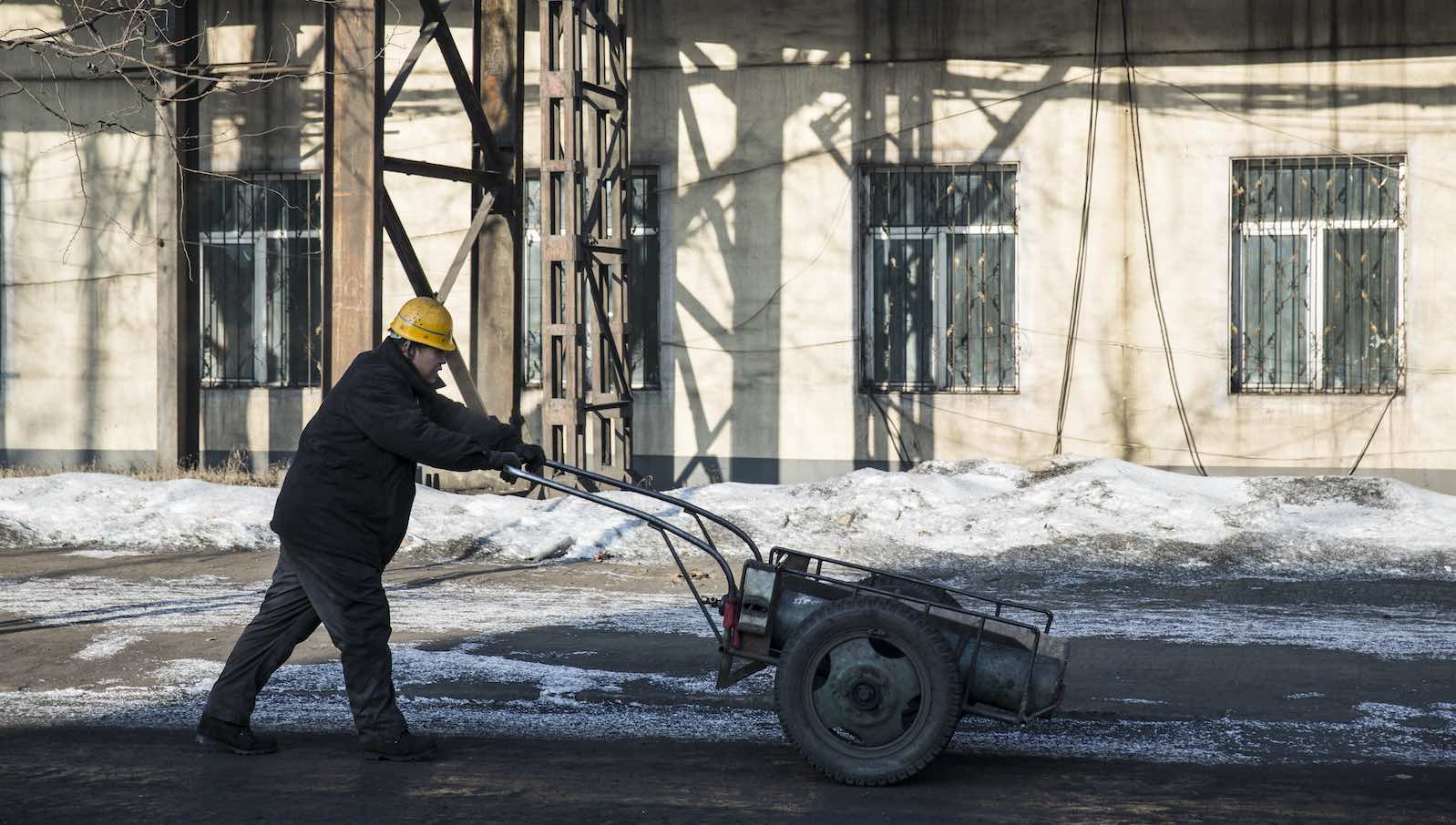 The Tonghua Iron and Steel Mill in Tonghua, Jilin province, China, in 2016, one of many state-run steel mills that struggled to modernise (Qilai Shen/In Pictures via Getty Images Images)Published 15 Apr 2021 10:00




 Living in the Brexit era and with an ongoing immigration crisis that seems to not stop, many foreigners living in the UK and in other rich nations are sending money back to their home countries to sustain their families and friends.
 CVD
CVD 