I'm from Hanoi, Viet Nam.
I'm an author of Dot Chuoi Non (dotchuoinon.com/author/hangbelu/), a blog on Positive thinking, founded by Dr. Tran Dinh Hoanh, an attorney in Washington DC.
I'm a co-founder of Conversations on Vietnam Development - cvdvn.net, a virtual think tank. I am a co-founder of two companies in Viet Nam working on children education services. I advise companies on STEAM education, English language education for children and students in Vietnam.
I'm studying the Buddha's teaching and the teaching of Jesus. I practice mindful living including meditation.
I hold a PhD on Sustainable Energy Systems from University of Lisbon and Aalto University.
I graduated from Hanoi University of Technology on Environmental Engineering. I obtained a Master degree of the same major from Stanford University and Nanyang Technological University.
My English-language blog at: hangbelu.wordpress/.
I play table tennis as a hobby.
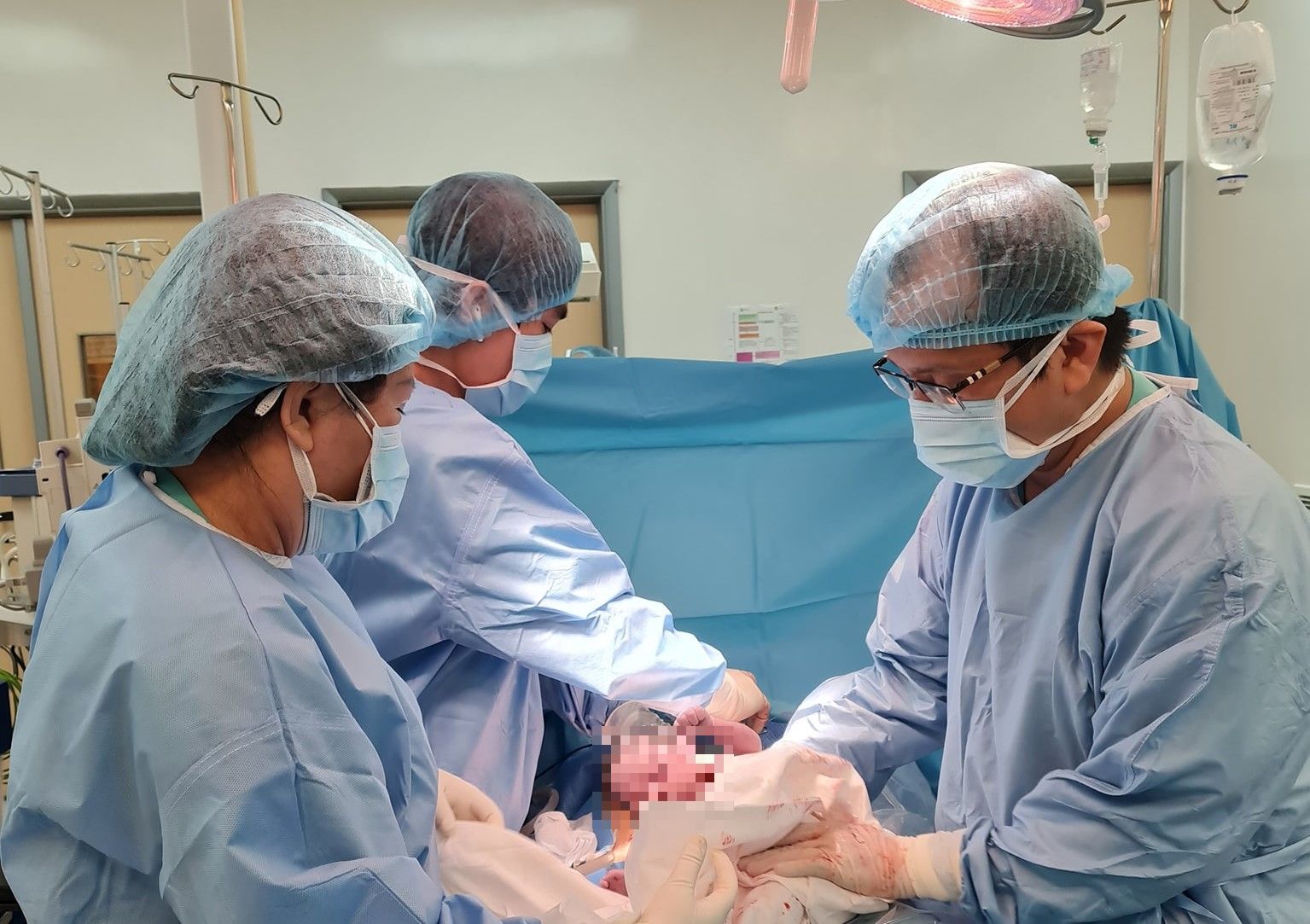
Chỉ trong buổi sáng ngày 24/1, bác sĩ sản khoa nhận hàng loạt đề nghị được mổ chủ động, sinh con sớm. Lý do chung của các sản phụ là để “né” năm Nhâm Dần đã gần kề.
Đó là tâm lý của không ít sản phụ có ngày dự sinh vào những ngày đầu năm Nhâm Dần. Đặc biệt, nếu mang thai bé gái, tâm lý này nặng nề hơn.
“Trong số 3 sản phụ yêu cầu được mổ sớm, có 2 trường hợp mang thai bé gái”, Tiến sĩ, bác sĩ Nguyễn Hữu Trung, Trưởng khoa Phụ sản, Bệnh viện Đại học Y dược TP.HCM cơ sở 2 chia sẻ với VietNamNet.
Nhiều sản phụ đề nghị bác sĩ cho sinh mổ trước ngày dự sinh để tránh tuổi Nhâm Dần.
Children learn with tablets and computers in the Public Melen School of Yaoundé, the capital of Cameroon. The CONNECT MY SCHOOL initiative aims at building and expanding sustainable models for improved access to primary & secondary education through ICT.PHOTO:UNICEF/Frank Dejongh
As it was detailed in UNESCO’s global Futures of Education report, transforming the future requires an urgent rebalancing or our relationships with each other, with nature as well as with technology that permeates our lives, bearing breakthrough opportunities while raising serious concerns for equity, inclusion and democratic participation.
This year’s International Day of Education will be a platform to showcase the most important transformations that have to be nurtured to realize everyone’s fundamental right to education and build a more sustainable, inclusive and peaceful futures. It will generate debate around how to strengthen education as a public endeavour and common good, how to steer the digital transformation, support teachers, safeguard the planet and unlock the potential in every person to contribute to collective well-being and our shared home.
By Stephen M. Walt, a columnist at Foreign Policy and the Robert and Renée Belfer professor of international relations at Harvard University.
JANUARY 19, 2022, 5:49 AM
The situation in Ukraine is bad and getting worse. Russia is poised to invade and demanding airtight guarantees that NATO will never, ever expand farther to the east. Negotiations do not appear to be succeeding, and the United States and its NATO allies are beginning to contemplate how they will make Russia pay should it press forward with an invasion. A real war is now a distinct possibility, which would have far-reaching consequences for everyone involved, especially Ukraine’s citizens.
This morning, the 22 of January 2022 Thay, Zen Master Thich Nhat Hanh, has passed away peacefully at Từ Hiếu Temple in Huế, Vietnam, at 00:00hrs, at the age of 95.
China’s Digital Silk Road is an ambitious vision to catalyze global digitalization. What will it mean for digital governance?
By Richard Ghiasy and Rajeshwari Krishnamurthy – April 13, 2021
China’s Digital Silk Road (DSR) was launched in 2015 as a component of Beijing’s vast vision for global connectivity, the Belt and Road Initiative (BRI). Like the BRI, the DSR is not monolithic and involves many actors at all levels across the Chinese public and private sectors. It is amorphous and the line between official and unofficial DSR projects is often blurry. Comprehensive data on DSR investments is difficult to come by. According to one estimate, by 2018, DSR-related investments in digital infrastructure projects outside of China had reached $79 billion.
The latest climate science is clear: Limiting global warming to 1.5 degrees C (2.7 degrees F) is still possible. But to avoid the worst climate impacts, global greenhouse gas (GHG) emissions will need to drop by half by 2030 and reach net-zero around mid-century.
Recognizing this urgency, a rapidly growing number of national government, local government and business leaders are making commitments to reach net-zero emissions within their jurisdictions or businesses. To date, over 80 countries have communicated such “net-zero targets,” including the world’s largest emitters (China, the United States, the European Union and India). On top of that, hundreds more regions, cities and businesses have set targets of their own.
We start with a review of short-term issues in the oil, gas and electricity markets. Bassam Fattouh and Andreas Economou consider the outlook for oil demand over the next 12 months and discuss the ability of OPEC+ producers to manage a gradual increase in production to balance the market, even as demand growth is expected to soften. Their conclusion is that the oil price will remain within a $70-90 per barrel range, while refilling depleted storage will be a key issue. Price volatility, in light of considerable uncertainty about both supply and demand, as well as political responses to high prices will remain dominant issues in 2022. Anupama Sen, David Robinson and Rahmat Poudineh then discuss government responses to current electricity price volatility, using the UK and Spain as examples of different responses to providing protection for low-income consumers. They see the issue becoming increasingly relevant as the energy transition progresses and suggest that government intervention could become less and less effective unless energy policy is well designed. In a somewhat similar vein, Mike Fulwood and Jack Sharples consider the outlook for gas prices and supply to Europe and the implications for the global LNG market. Replenishing European storage will be a critical issue in 2022, with LNG supply, Asian demand and pipeline exports from Russia being key drivers to watch.
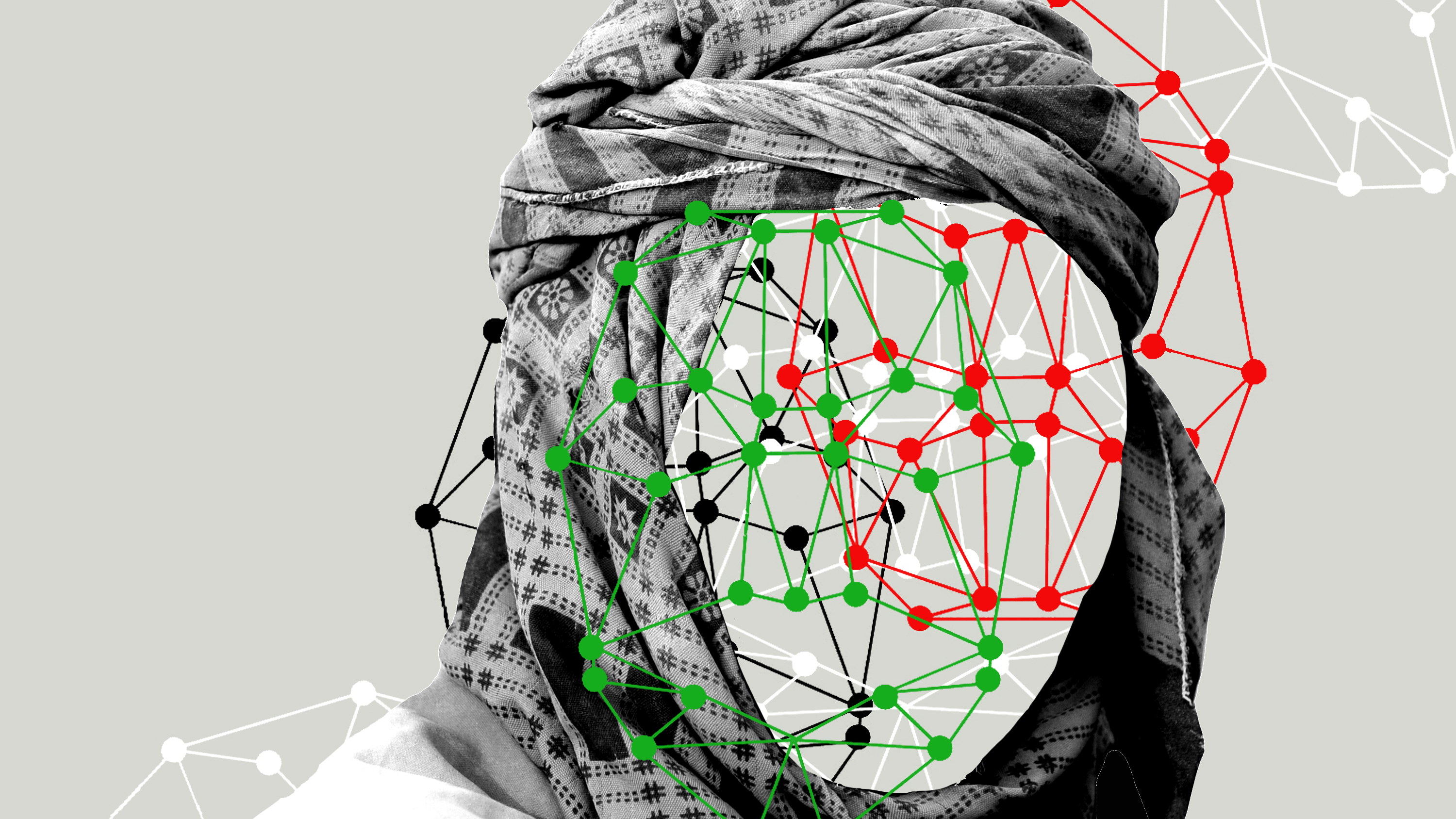
By capturing 40 pieces of data per person—from iris scans and family links to their favorite fruit—a system meant to cut fraud in the Afghan security forces may actually aid the Taliban.By
As the Taliban swept through Afghanistan in mid-August, declaring the end of two decades of war, reports quickly circulated that they had also captured US military biometric devices used to collect data such as iris scans, fingerprints, and facial images.Some feared that the machines, known as HIIDE, could be used to help identify Afghans who had supported coalition forces.
According to experts speaking to MIT Technology Review, however, these devices actually provide only limited access to biometric data, which is held remotely on secure servers. But our reporting shows that there is a greater threat from Afghan government databases containing sensitive personal information that could be used to identify millions of people around the country.
MIT Technology Review spoke to two individuals familiar with one of these systems, a US-funded database known as APPS, the Afghan Personnel and Pay System. Used by both the Afghan Ministry of Interior and the Ministry of Defense to pay the national army and police, it is arguably the most sensitive system of its kind in the country, going into extreme levels of detail about security personnel and their extended networks. We granted the sources anonymity to protect them against potential reprisals.
Author: Nguyen Anh Duong, Central Institute for Economic Management
Following years of effort, in 2015 Vietnam concluded negotiations for the Trans-Pacific Partnership (TPP) trade deal. After the US withdrawal from the trade pact, Vietnam worked with the remaining members to revive it under the name of the Comprehensive and Progressive Agreement for Trans-Pacific Partnership (CPTPP). Indeed, Vietnam was the seventh member to ratify the CPTPP.
Nguyễn Thị Mai Anh, kẻ cầm đầu đường dây, có vai trò chỉ đạo móc nối với các bị cáo trong vụ án làm giả nhiều loại giấy tờ tài liệu liên quan đến hồ sơ bệnh án tâm thần, được xác định là mắc bệnh… tâm thần.
Cùng tội danh, bị cáo Hoàng Văn Sứng (36 tuổi, ngụ H.Phù Cừ, Hưng Yên) lĩnh án 4 năm tù và Ngô Việt Dũng (26 tuổi, ngụ H.Thanh Ba, Phú Thọ) lĩnh án 24 tháng tù. Bị cáo Tăng Văn Tuấn (42 tuổi, ngụ Q.Đống Đa, Hà Nội) bị tuyên phạt 30 tháng tù về tội “sử dụng con dấu, tài liệu giả của cơ quan, tổ chức”.
Theo cáo trạng, từ năm 2017 đến tháng 6.2019, để giúp cho các phạm nhân đang thi hành án tại Trại giam Thanh Lâm và Trại giam số 5 Bộ Công an, Nguyễn Thị Mai Anh (42 tuổi, ngụ Q.Thanh Xuân, Hà Nội) đã chỉ đạo các bị cáo Vi Thị Hiếu và Hoàng Văn Sứng làm giả một số giấy tờ, tài liệu theo phương pháp: sử dụng máy in màu, máy photocopy in, sao chụp dấu vào văn bản để làm giả các giấy tờ, tài liệu của cơ quan nhà nước liên quan đến tình trạng sức khỏe của 2 bị án đang chờ xét xử phúc thẩm.
A school of Japanese amberjack at the north-east coast of Taiwan. A new report warns that ocean warming and acidification are affecting the behaviour of fish. Copyright: Vincent C. Chen(CC BY SA 4.0).
Speed read
Warming, acidification of the oceans changing shoal behaviour in fish
Shoal behaviour key to fish survival and seafood supplies
Fish species moving towards the poles, changing temperate ecosystems
[NEW YORK] Ocean acidification and global warming are interfering with the way fish interact in groups, posing a threat to their survival which could affect seafood supplies, researchers say.
Marine ecosystems worldwide have shown an increased dominance of warm water species following seawater temperature rise, with parallel changes in the species composition of fish catches since the 1970s, according to a report by the Intergovernmental Panel on Climate Change (IPCC).
Much of the focus on the South China Sea over the past decade has centered around the nationalistic territorial disputes between China and four Southeast Asian claimants and a geopolitical tussle between China and the United States over freedom of navigation in the contested waters. What is going on beneath the surface of the sea – overfishing, destruction of coral reefs, climate change, plastics pollution, ocean acidification – is equally threatening and may have a longer-term impact on the survivability of the sea with its rich fishing beds, potential gas and oil reserves, and bustling sea lanes.
A version of this story appeared in CNN’s Meanwhile in China newsletter, a three-times-a-week update exploring what you need to know about the country’s rise and how it impacts the world. Sign up here.
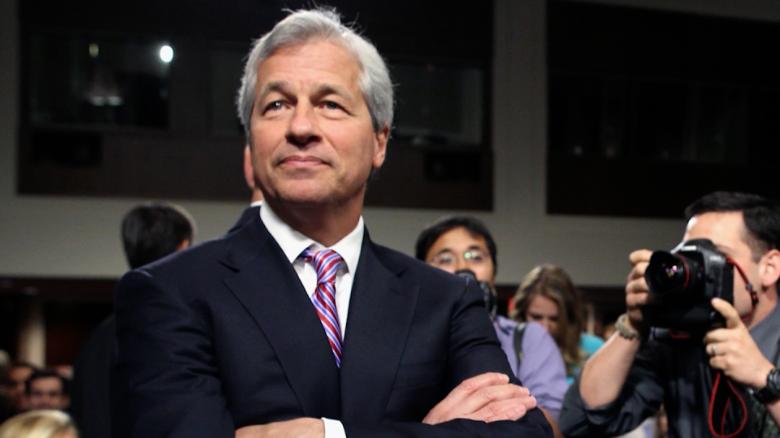
Hong Kong (CNN Business)For many companies, doing business in China is getting trickier by the day. But Western banks and asset managers are more than willing to up their bets on the world’s second biggest economy, convinced that the opportunities remain too good to pass up.Major banks in recent weeks have inked deals to expand their footprint in China — or are otherwise attempting to take greater control of their businesses there — after years of being forced to enter the market via joint ventures. That’s despite fraught geopolitics, a slowing economy and an increasingly hostile environment for private business.Late last month, HSBC (HBCYF) received approval from Chinese regulators to take full control of its life insurance joint venture, which was created in 2009 in equal partnership with a Chinese company under rules that were rolled back in 2020.The bank said the move underscored its“commitment to expanding business in China.”
IRENA says green hydrogen could disrupt global trade and bilateral energy relations, reshaping the positioning of states with new hydrogen exporters and users emerging
Abu Dhabi, United Arab Emirates, 15 January 2022 – Rapid growth of the global hydrogen economy can bring significant geoeconomic and geopolitical shifts giving rise to a wave of new interdependencies, according to new analysis by the International Renewable Energy Agency (IRENA). Geopolitics of the Energy Transformation: The Hydrogen Factor sees hydrogen changing the geography of energy trade and regionalising energy relations, hinting at the emergence of new centres of geopolitical influence built on the production and use of hydrogen, as traditional oil and gas trade declines.
->
In this April 29, 2015, file photo, a snack and fruit vendor waits for customers near the advertisement board of a shopping mall and apartment building in Ho Chi Minh City, Vietnam.Credit: AP Photo/Dita Alangkara, File
Vietnam has weathered the COVID-19 crisis better than most nations. The spread of the virus has been managed well, and despite turmoil in global markets the economy grew by around 3 percent in 2020, while running a $19 billion trade surplus. Investment inflows have likewise remained strong, leaving the country well-positioned for a post-pandemic recovery. How is it that Vietnam has fared so well?





 CVD
CVD 
