Tác giả: Đào Thu Hằng
I'm from Hanoi, Viet Nam.
I'm an author of Dot Chuoi Non (dotchuoinon.com/author/hangbelu/), a blog on Positive thinking, founded by Dr. Tran Dinh Hoanh, an attorney in Washington DC.
I'm a co-founder of Conversations on Vietnam Development - cvdvn.net, a virtual think tank. I am a co-founder of two companies in Viet Nam working on children education services. I advise companies on STEAM education, English language education for children and students in Vietnam.
I'm studying the Buddha's teaching and the teaching of Jesus. I practice mindful living including meditation.
I hold a PhD on Sustainable Energy Systems from University of Lisbon and Aalto University.
I graduated from Hanoi University of Technology on Environmental Engineering. I obtained a Master degree of the same major from Stanford University and Nanyang Technological University.
My English-language blog at: hangbelu.wordpress/.
I play table tennis as a hobby.
Climate change will force new animal encounters — and boost viral outbreaks
Modelling study is first to project how global warming will increase virus swapping between species.
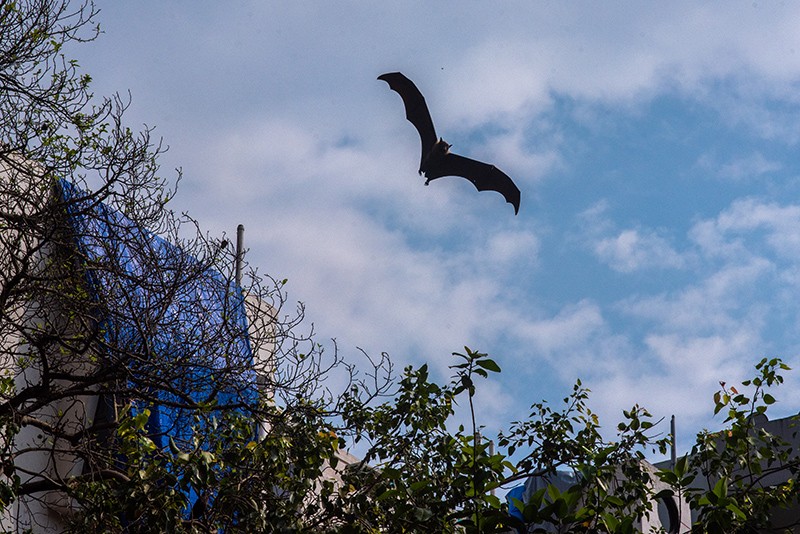
Over the next 50 years, climate change could drive more than 15,000 new cases of mammals transmitting viruses to other mammals, according to a study published in Nature1. It’s one of the first to predict how global warming will shift wildlife habitats and increase encounters between species capable of swapping pathogens, and to quantify how many times viruses are expected to jump between species.
Many researchers say that the COVID-19 pandemic probably started when a previously unknown coronavirus passed from a wild animal to a human: a process called zoonotic transmission. A predicted rise in viruses jumping between species could trigger more outbreaks, posing a serious threat to human and animal health alike, the study warns — providing all the more reason for governments and health organizations to invest in pathogen surveillance and to improve health-care infrastructure.
Why deforestation and extinctions make pandemics more likely
The study is “a critical first step in understanding the future risk of climate and land-use change on the next pandemic”, says Kate Jones, who models interactions between ecosystems and human health at University College London.
The research predicts that much of the new virus transmission will happen when species meet for the first time as they move to cooler locales because of rising temperatures. And it projects that this will occur most often in species-rich ecosystems at high elevations, particularly areas of Africa and Asia, and in areas that are densely populated by humans, including Africa’s Sahel region, India and Indonesia. Assuming that the planet warms by no more than 2 °C above pre-industrial temperatures this century — a future predicted by some climate analyses — the number of first-time meetings between species will double by 2070, creating virus-transmission hotspots, the study says.
Tiếp tục đọc “Climate change will force new animal encounters — and boost viral outbreaks”
Climate change expert report warns that ISDS can block climate action

Photo: StopISDS / Twitter
AFTINET | 6 April 2022
Climate change expert report warns that ISDS can block climate action
April 6, 2022: For the first time, the Intergovernmental Panel on Climate Change (IPCC) has warned that climate action is being jeopardised by trade agreements which give global corporations the right to sue governments through clauses known as ‘Investor State Dispute Settlement’ mechanisms, or ISDS.
In its Sixth Assessment Report on the impacts of climate change, the IPCC warned that ISDS can “be used by fossil-fuel companies to block national legislation aimed at phasing out the use of their assets.”
The report indicates that the problem is not isolated to one specific agreement or institution, but that a network of bilateral trade and investment treaties function to protect fossil fuel interests:
“A large number of bilateral and multilateral agreements, including the 1994 Energy Charter Treaty, include provisions for using a system of investor-state dispute settlement (ISDS) designed to protect the interests of investors in energy projects from national policies that could lead their assets to be stranded.”
Tiếp tục đọc “Climate change expert report warns that ISDS can block climate action”
Floods and Migrants of Vietnam’s Mekong Delta: 25 Lessons from the Data
By Le Thu Mach, Hoang Long Cao and Vu The Cuong
11 February 2022 at 10:10 (Updated on 25 April 2022 at 14:37)
Data on agricultural, hydropower, saltwater intrusion and rainfall patterns in Vietnam Mekong Delta explains where the country’s food comes from, why it’s disappearing and what can be done about it.
The fertile Mekong Delta is a crucial region for Vietnam’s continued food and economic security but a variety of factors have wreaked havoc on how Vietnam grows food, catches fish and ultimately survives a radically changing environment. Here, reporters analyze 20 years of data on agricultural, hydropower, saltwater intrusion and rainfall patterns in Vietnam’s Mekong Delta (VMD) to explain where the country’s food comes from, why it’s disappearing and what can be done about it.
1. Disappearing waters
Vietnam’s flood plains are disappearing, and fish, rice and people along with it. The flood peak in Tan Chau and Chau Doc in 2020 is only about 60% of that in 2002. From now on, VMD will have to wait from 50 to 100 years to have a big flood season. Within 15 years, the amount of fish caught in An Giang has plummeted by two-thirds.
Tiếp tục đọc “Floods and Migrants of Vietnam’s Mekong Delta: 25 Lessons from the Data”
Russian troops use rape as ‘an instrument of war’ in Ukraine, rights groups allege
By Tara John, Oleksandra Ochman and Sandi Sidhu, CNN
Updated 0420 GMT (1220 HKT) April 22, 2022
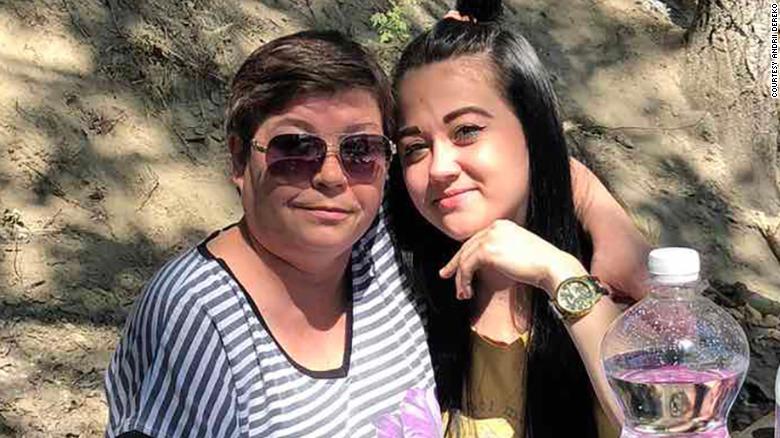
Karina Yershova, right, is pictured with her grandmother in an undated photograph provided by the family.
Lviv, Ukraine (CNN)When Russian troops invaded Ukraine and began closing in on its capital, Kyiv, Andrii Dereko begged his 22-year-old stepdaughter Karina Yershova to leave the suburb where she lived.
But Yershova insisted she wanted to remain in Bucha, telling him: “Don’t talk nonsense, everything will be fine — there will be no war,” he said.
With her tattoos and long brown hair, Yershova stood out in a crowd, her stepfather said, adding that despite living with rheumatoid arthritis, she had a fiercely independent spirit: “She herself decided how to live.”
Yershova worked at a sushi restaurant in Bucha, and hoped to earn her university degree in the future, Dereko said: “She wanted to develop herself.”
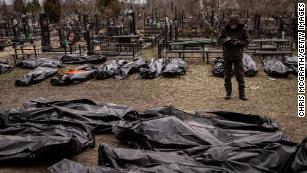
Unclaimed and unidentified: Bucha empties its mass graves 03:24
As Russian soldiers surrounded Bucha in early March, Yershova hid in an apartment with two other friends. On one of the last occasions Dereko and his wife, Olena, heard from Yershova, she told them she had left the apartment to get food from a nearby supermarket.
Tiếp tục đọc “Russian troops use rape as ‘an instrument of war’ in Ukraine, rights groups allege”
E.U. Takes Aim at Social Media’s Harms With Landmark New Law
The Digital Services Act would force Meta, Google and others to combat misinformation and restrict certain online ads. How European officials will wield it remains to be seen.


Adam Satariano, who is based in London, has covered European tech since 2016 and previously reported on Apple and Silicon Valley from San Francisco.
April 22, 2022
The European Union reached a deal on Saturday on landmark legislation that would force Facebook, YouTube and other internet services to combat misinformation, disclose how their services amplify divisive content and stop targeting online ads based on a person’s ethnicity, religion or sexual orientation.
Tiếp tục đọc “E.U. Takes Aim at Social Media’s Harms With Landmark New Law”
Indonesia’s finance minister says palm oil export ban will hurt other countries, but necessary
By David Lawder and Andrea Shalal
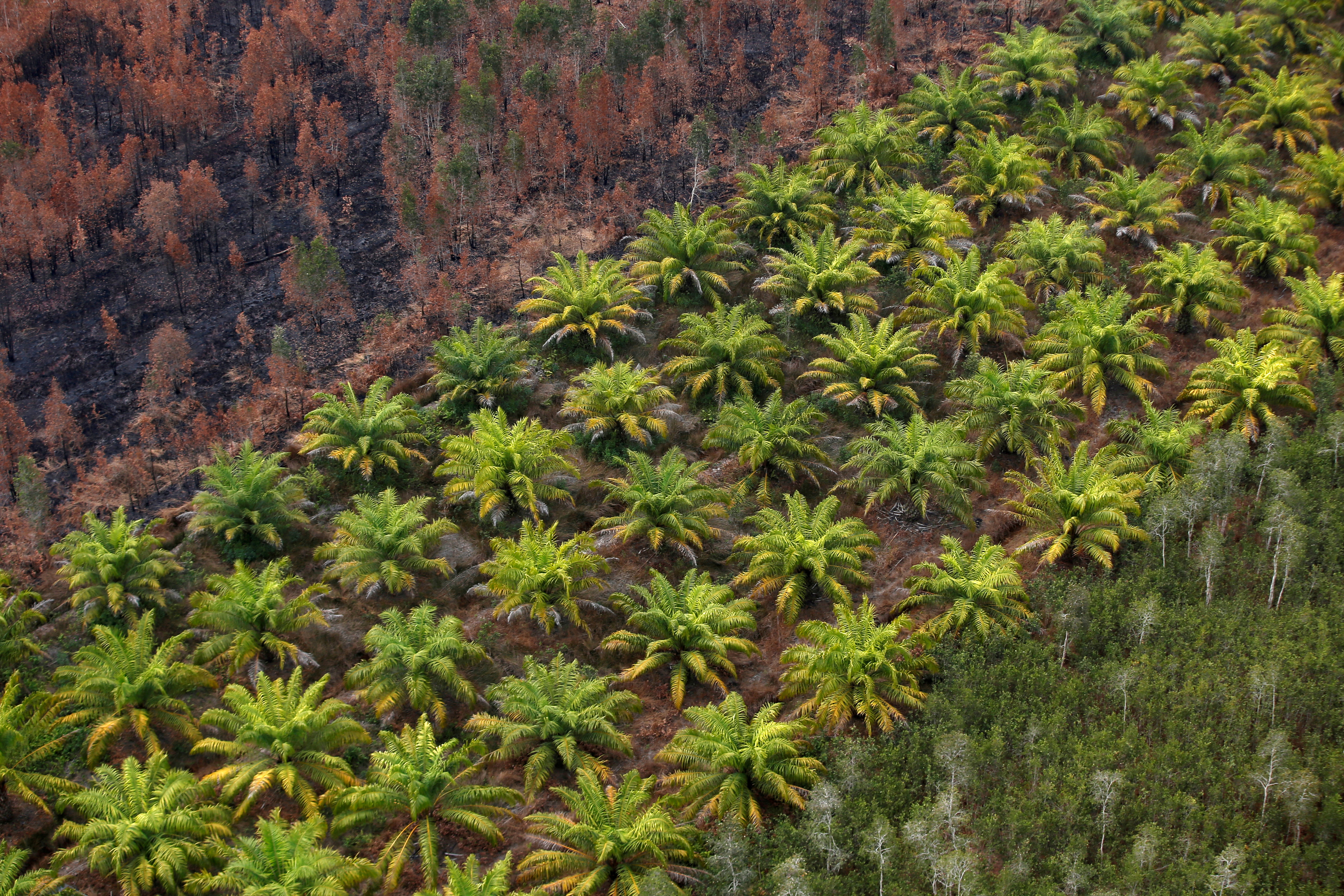
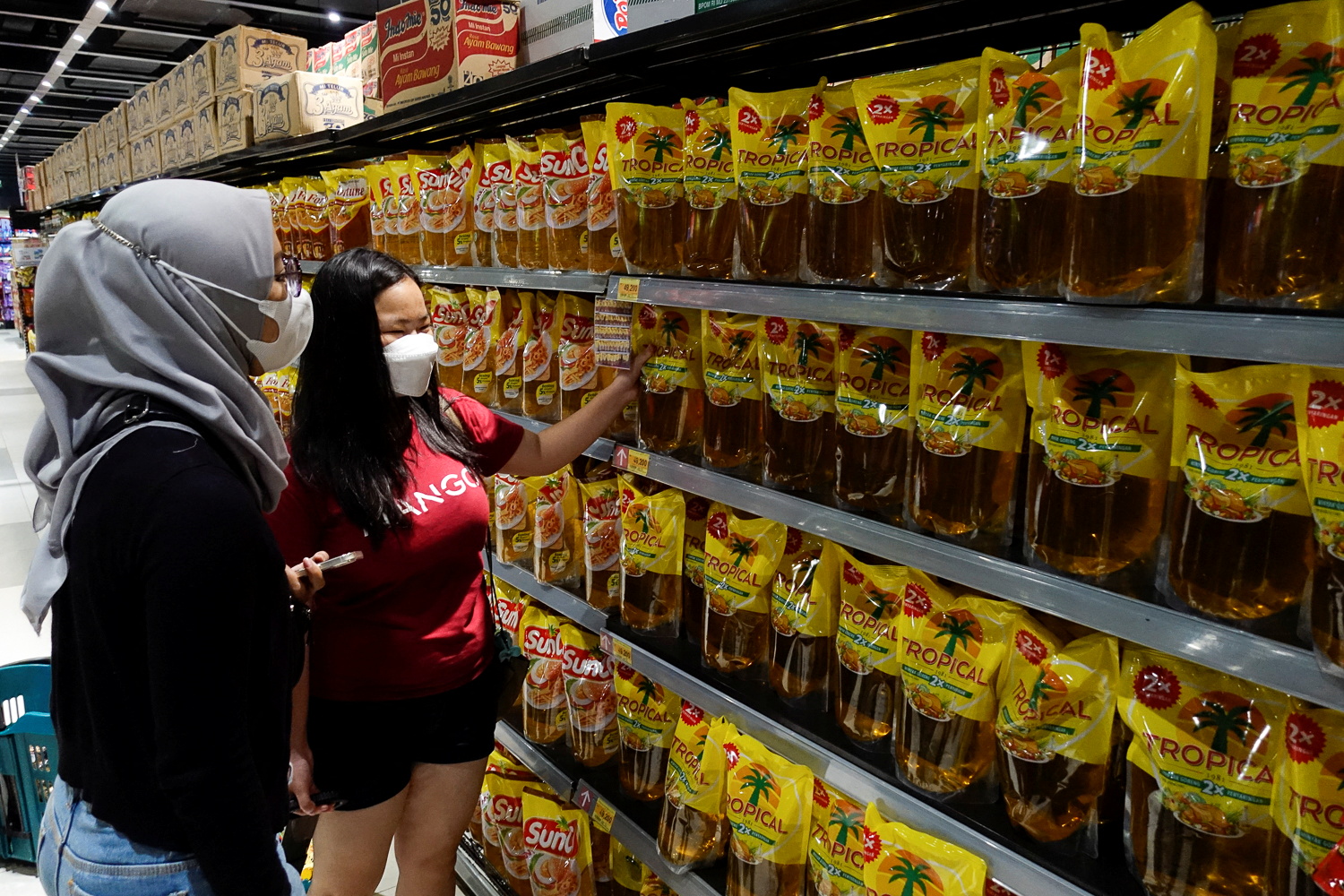
People shop for cooking oil made from oil palms at a supermarket in Jakarta, Indonesia, March 27, 2022. REUTERS/Willy Kurniawan
reuter.com
WASHINGTON, April 22 (Reuters) – Indonesia’s new palm oil export ban will hurt other countries but is necessary to try to bring down the soaring domestic price of cooking oil driven up by Russia’s war in Ukraine, Indonesia’s finance minister told Reuters on Friday.
Sri Mulyani Indrawati said that with demand exceeding supplies, the ban announced earlier on Friday is “among the harshest moves” the government could take after previous measures failed to stabilize domestic prices. read more
“We know that this is not going to be the best result,” for global supplies, she said in an interview on the sidelines of the International Monetary Fund and World Bank spring meetings. “If we are not going to export, that’s definitely going to hit the other countries.”
China and India are among big importers of palm oil from Indonesia, the world’s largest producer accounting for more than half the world’s supply. Palm oil is used in products from cooking oils to processed foods, cosmetics and biofuels.
Indrawati said previous measures requiring producers to reserve stocks for domestic use did not result in “the level of prices that we want. It’s still too expensive for the ordinary household to buy those cooking oils.”
Những trò chơi vui nhộn để học nói một ngoại ngữ
English: 12 Fun Speaking Games for Language Learners
Những hoạt động này nhằm giúp người học tiếng Anh và học ngoại ngữ nói tốt hơn.
Khi ở trong những lớp học ngoại ngữ, hoặc cụ thể lớp học tiếng Anh, có bao giờ bạn đưa ra câu hỏi và câu trả lời chỉ là một sự im lặng hoàn toàn và những ánh mắt trống rỗng. Đó là một vấn đề phổ biến – hầu như mọi giáo viên đều có khó khăn khi khuyến khích học sinh nói trong lớp học ngoại ngữ.
Học sinh có thể có một nỗi lo sợ rất sâu nếu mắc lỗi hoặc có thể chỉ là sự ngại ngùng kể cả khi nói bằng tiếng mẹ đẻ. Cho dù lý do là gì, dưới đây là danh sách của một vài hoạt động thú vị giúp cho học sinh nói khi học ngoại ngữ. Danh sách này phù hợp hơn cho những học sinh có trình độ khá trở lên.
12 cách để người học ngoại ngữ trò chuyện.
- Ai đang nói sự thật?
Để cho mỗi học sinh viết vào một mẩu giấy 3 điều thực tế về bản thân mà không ai trong lớp biết. Nhớ rằng mỗi học sinh đều ghi tên của mình ở trong giấy. Tập hợp lại các tờ giấy và mời 3 học sinh lên phía trước phòng học. Đọc to một điều đúng với một trong 3 học sinh này.
Cả 3 học sinh đều xác nhận điều đó là đúng với mình, và sau đó cả lớp sẽ tiến hành chất vấn để xác định xem ai nói thật và ai nói xạo. Mỗi học sinh được cho phép hỏi một câu hỏi cho một trong 3 học sinh. Sau một vòng hỏi, mọi người sẽ đoán ai là người nói thật.
- Các kiểu trò chơi “Cấm kị – Taboo”:
Cách 1, tạo một Powerpoint trình bày một danh từ trên mỗi slide. Để cho một học sinh lên trước lớp và ngồi quay lưng lại với PowerPoint. Những học sinh còn lại giải thích về từ ở trên slides và học sinh ở phía trước sẽ đoán ra từ đó.
Phiên bản khác:
Tiếp tục đọc “Những trò chơi vui nhộn để học nói một ngoại ngữ”
Climate change triggering global collapse in insect numbers: stressed farmland shows 63% decline
Speed read
- The world may be facing a devastating “hidden” collapse in insect species due to the twin threats of climate change and habitat loss.
- UCL’s Centre for Biodiversity & Environment Research has carried out one of the largest-ever assessments of insect declines around the world – assessing three-quarters of a million samples from around 6,000 sites.
- The new study, published in Nature, finds that climate-stressed farmland possesses only half the number of insects, on average, and 25% fewer insect species than areas of natural habitat.
- Insect declines are greatest in high-intensity farmland areas within tropical countries – where the combined effects of climate change and habitat loss are experienced most profoundly.
- The majority of the world’s estimated 5.5 million species are thought to live in these regions – meaning the planet’s greatest abundances of insect life may be suffering collapses without us even realising.
- Lowering the intensity of farming by using fewer chemicals, having a greater diversity of crops and preserving some natural habitat can mitigate the negative effects of habitat loss and climate change on insects.
- Considering the choices we make as consumers – such as buying shade-grown coffee or cocoa – could also help protect insects and other creatures in the world’s most climate-vulnerable regions.
Long read
Earth Day 1970–2022: What’s Changed?
The first Earth Day was in 1970. What’s changed since? Our population has doubled. We’re emitting 2.6 times more CO2. Sea levels have risen 12 centimeters
Russia-Ukraine: What do young Russians think about the war?
Young Russians tell us about a war few wanted and how the sanctions are affecting their lives.

Published On 18 Mar 202218 Mar 2022
Since Russia invaded Ukraine on February 24, an outcry has arisen around the world. On March 2, the UN voted overwhelmingly to approve a resolution demanding the end of the invasion, with only five countries opposing – Russia, Belarus, North Korea, Eritrea, and Syria. As the war rages on, thousands have been killed according to Ukrainian authorities and many more injured.
In response, the US, EU, UK and other countries have levelled sanctions, both general and targeted, and doors have closed to Russians around the world, from research institutions to sporting events, in protest at Russia’s invasion.
Tiếp tục đọc “Russia-Ukraine: What do young Russians think about the war?”
Collective action to release oil stocks in response to Russia’s invasion of Ukraine: IEA confirms member country contributions
7 April 2022
Following an agreement on 1 April by IEA member countries for a new emergency release of oil stocks, the IEA Governing Board confirmed today that the total amount committed to date stands at 120 million barrels, making it the largest stock release in IEA history.
The unanimous agreement among IEA member countries on 1 April for a second collective action this year came in response to the significant strains in oil markets resulting from Russia’s invasion of Ukraine. In the days since the decision, each IEA member country has been considering how much it could contribute to the announced response plan, given its domestic circumstances.
The commitments submitted by members reached 120 million barrels to be released over a six month period, demonstrating strong unity. The United States will contribute about 60 million barrels, which are part of the larger drawdown from its Strategic Petroleum Reserve (SPR) that was announced on 31 March.
War gives Poland, Ukraine chance to bury troubled past
By Alexandra Brzozowski | EURACTIV.com
15 Apr 2022

Poland’s Deputy Prime Minister and the Minister of Culture Piotr Glinski, 13 October 2021. [EPA-EFE/Jonas Ekströmer]
Poland has shown immense support for Ukraine since the Russian invasion started. What is less known is that the two countries share a history of oppression and bloodshed, but according to Poland’s Deputy Prime Minister Piotr Gliński, the war has given them a chance to achieve full reconciliation.
Tiếp tục đọc “War gives Poland, Ukraine chance to bury troubled past”
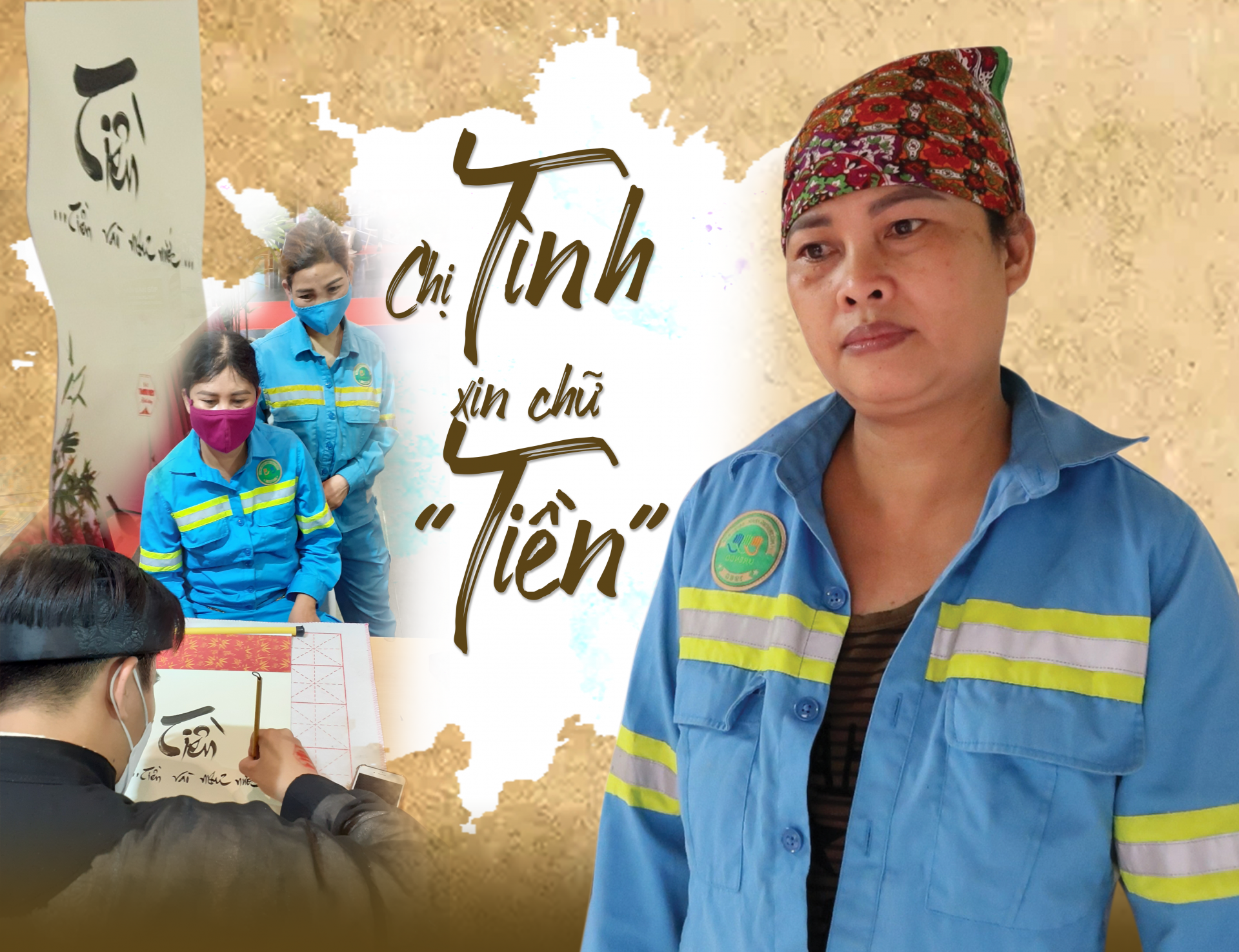
Chị Tình xin chữ “Tiền”
| laodongcongdoan.vn Tại Hội Báo toàn quốc 2022, người ta dễ dàng bắt gặp 2 người phụ nữ trong bộ đồng phục công nhân vệ sinh môi trường đi qua các gian trưng bày. Họ dừng lại rất lâu tại một quầy thư pháp nườm nượp khách ra vào. Một chị xin chữ “Học” còn một chị xin chữ “Tiền”. https://laodongcongdoan.vn/stores/news_dataimages/2022/042022/16/20/bd51b37ff42b1917107d54737994a557.png?rt=20220416202901 |

Chị Tình (52 tuổi, công nhân thu gom rác tại Công ty TNHH MTV Môi trường đô thị Hà Nội), người xin chữ “Tiền” nói với người viết thư pháp: “Bây giờ tôi chỉ mong có tiền”.Anh này tỏ vẻ ngạc nhiên. Quả thực, 2 ngày qua, dù đã viết hàng trăm chữ với những nét “rồng bay phượng múa” nhưng anh chưa thấy ai đề nghị cái chữ độc đáo một cách thực dụng như vậy.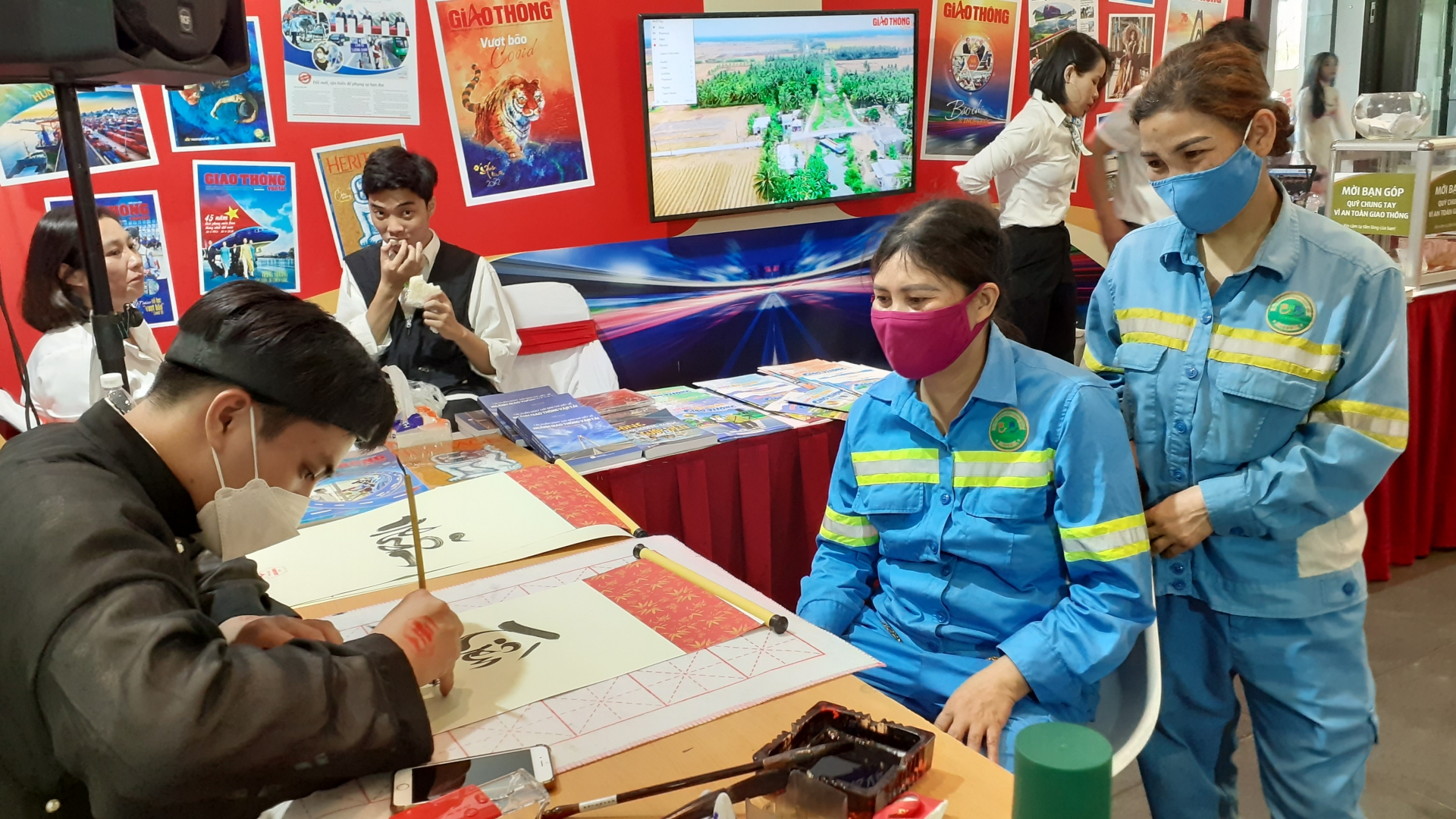 Chị Tình ngồi chờ xin chữ – Ảnh: Ý YênTư duy mất 5 giây, anh đặt nét bút đầu tiên. Chữ “Tiền” dần hiện ra trên mặt giấy ngà vàng thơm phức, nom cũng đèm đẹp. Anh còn khuyến mại cho khách hàng thêm dòng chữ: “Tiền vào như nước”.Trước đó, khi còn làm công việc tại Công ty CP Tập đoàn Nam Hà Nội, chị Tình cùng hàng trăm công nhân khác từng bị nợ lương suốt 6 tháng. Tạp chí Lao động và Công đoàn đã phản ánh vụ việc này qua loạt phóng sự điều tra, đồng thời cung cấp thông tin cho nhiều báo, đài cùng vào cuộc.Sau loạt bài, lãnh đạo UBND TP Hà Nội yêu cầu các đơn vị kiểm tra, xử lý. Công ty CP Tập đoàn Nam Hà Nội sau đó buộc phải chi trả lương cho công nhân. Nhiều người có hoàn cảnh khó khăn nhận được sự hỗ trợ của các nhà hảo tâm. LĐLĐ TP Hà Nội cũng trao hỗ trợ xây, sửa 5 nhà “Mái ấm Công đoàn” cho công nhân có hoàn cảnh đặc biệt khó khăn, trong đó có chị Tình. Chị Tình ngồi chờ xin chữ – Ảnh: Ý YênTư duy mất 5 giây, anh đặt nét bút đầu tiên. Chữ “Tiền” dần hiện ra trên mặt giấy ngà vàng thơm phức, nom cũng đèm đẹp. Anh còn khuyến mại cho khách hàng thêm dòng chữ: “Tiền vào như nước”.Trước đó, khi còn làm công việc tại Công ty CP Tập đoàn Nam Hà Nội, chị Tình cùng hàng trăm công nhân khác từng bị nợ lương suốt 6 tháng. Tạp chí Lao động và Công đoàn đã phản ánh vụ việc này qua loạt phóng sự điều tra, đồng thời cung cấp thông tin cho nhiều báo, đài cùng vào cuộc.Sau loạt bài, lãnh đạo UBND TP Hà Nội yêu cầu các đơn vị kiểm tra, xử lý. Công ty CP Tập đoàn Nam Hà Nội sau đó buộc phải chi trả lương cho công nhân. Nhiều người có hoàn cảnh khó khăn nhận được sự hỗ trợ của các nhà hảo tâm. LĐLĐ TP Hà Nội cũng trao hỗ trợ xây, sửa 5 nhà “Mái ấm Công đoàn” cho công nhân có hoàn cảnh đặc biệt khó khăn, trong đó có chị Tình. |
How the Russia-Ukraine Conflict is Affecting Businesses in Vietnam
As the Russia-Ukraine conflict unfolds and completes a month, Vietnam Briefing looks at the impact of the conflict on Vietnam as well as businesses in the country. While it’s still early to determine long-term effects, we examine the short-term effects that will play a key role in how the economy moves forward.
The Russia-Ukraine conflict which began on February 24, sent shockwaves to global markets and led to an unprecedented response from countries around the world in the form of economic sanctions and other restrictive measures. In doing so, western countries and allies are sending a clear signal that they want to cut off Russia from the global financial system and isolate Putin politically.
While analysts state the impact of the Russia-Ukraine conflict is likely to have limited direct consequences on Vietnam, the fallout of the conflict is likely to have significant consequences on trade and businesses in Vietnam. From disrupting trade and global supply chains to causing tensions geopolitically, we discuss the impact that is likely to be felt by businesses operating in Vietnam.
Tiếp tục đọc “How the Russia-Ukraine Conflict is Affecting Businesses in Vietnam”
 CVD
CVD