A Dream Deferred? The ‘Equitization’ of Vietnam’s State-Owned Enterprises

thediplomat.com

Vietnam’s progress toward a more liberal, market-friendly economy has proceeded in fits and starts.

By James GuildFebruary 11, 2021   

A Dream Deferred? The ‘Equitization’ of Vietnam’s State-Owned Enterprises
In this April 29, 2015, file photo, a snack and fruit vendor waits for customers near the advertisement board of a shopping mall and apartment building in Ho Chi Minh City, Vietnam.Credit: AP Photo/Dita Alangkara, File

Vietnam has weathered the COVID-19 crisis better than most nations. The spread of the virus has been managed well, and despite turmoil in global markets the economy grew by around 3 percent in 2020, while running a $19 billion trade surplus. Investment inflows have likewise remained strong, leaving the country well-positioned for a post-pandemic recovery. How is it that Vietnam has fared so well?

Tiếp tục đọc “A Dream Deferred? The ‘Equitization’ of Vietnam’s State-Owned Enterprises”

‘Cá mập’ thao túng chứng khoán

TN – 04:35 – 13/01/2022 – Mai Phương, Anh Vũ

Bán “chui”, tạo cung cầu giả tạo để thao túng giá cổ phiếu thu lãi lớn đã và vẫn đang xảy ra trên thị trường chứng khoán VN. Đáng nói là ngày càng nhiều lãnh đạo các doanh nghiệp chính là những người thực hiện các hành vi này.

Hôm qua (12.1), cổ phiếu (CP) FLC bị bán tháo về giá sàn, nhưng luôn luôn trắng bên mua. Những người còn đang sở hữu CP này không thể nào bán được dù đã chịu lỗ hơn 20% ngay sau vừa mua xong.

'Cá mập' thao túng chứng khoán - ảnh 1
Nhà đầu tư rất phẫn nộ với việc các lãnh đạo doanh nghiệp bán “chui” cổ phiếuNGỌC THẮNG

Tiếp tục đọc “‘Cá mập’ thao túng chứng khoán”

Bịt lỗ hổng trong đấu giá tài sản, tránh lũng đoạn thị trường

Cần thiết có quy định người tham gia đấu giá phải chứng minh năng lực tài chính, khả năng được cấp tín dụng từ ngân hàng tối thiểu bằng với giá khởi điểm của tài sản được đưa ra.

Trần Xuân Tinh (TTXVN/Vietnam+) 13/01/2022 16:59

Bit lo hong trong dau gia tai san, tranh lung doan thi truong hinh anh 1
Khu đô thị mới Thủ Thiêm sau hơn 20 năm quy hoạch. (Ảnh: Quang Nhựt/TTXVN)

Liên quan đến việc Tập đoàn Tân Hoàng Minh bỏ cọc khu đất trúng đấu giá tại dự án Khu đô thị mới Thủ Thiêm, ngày 13/11, trao đổi với phóng viên TTXVN, nhiều luật sư cho rằng vụ việc tác động xấu, để lại những tiền lệ không tốt đến thị trường bất động sản nếu không có các giải pháp “bịt các lổ hổng” pháp lý liên quan.

Tiếp tục đọc “Bịt lỗ hổng trong đấu giá tài sản, tránh lũng đoạn thị trường”

How will China’s SOE reform fare with three-year action?

Xinhuanet.com


— Central authorities deem the 2020-2022 period a “crucial stage” for SOE reform. Making the state-owned economy more competitive, innovative and resistant to risks is among the major goals they have in mind.
— The transition into modern enterprises is imperative as China continues to level the playing field, creating a fairer competition environment. Key industries, such as energy, railway, automobile, telecommunications and public utilities, have been gradually opened for private and foreign investment.
— Regulators are giving SOE executives more autonomy in making corporate decisions, including drafting annual investment schemes, arranging mixed-ownership reform of subsidiaries, and issuing short-term bonds.

by Xinhua writers Wang Xiuqiong, Zhao Yang, Wang Xi

BEIJING, Jan. 29 (Xinhua) — As a three-year action plan kicks reform into high gear, changes are gathering steam to remold China’s state-owned enterprises (SOEs) — the country’s economic backbone.
The 2020-2022 action plan, part of the decades-long efforts to transform SOEs into competitive, modern enterprises, is expected to leave a strong mark on the world’s second-largest economy.

Tiếp tục đọc “How will China’s SOE reform fare with three-year action?”

US Department of State – Republic of China: Maritime Claims in the South China Sea

Download full report >>

Executive Summary

This study examines the maritime claims of the People’s Republic of China (PRC) in the SouthChina Sea. The PRC’s expansive maritime claims in the South China Sea are inconsistent with international law as reflected in the 1982 United Nations Convention on the Law of the Sea (“Convention”).

The PRC asserts four categories of maritime claims* in the South China Sea:

• Sovereignty claims over maritime features. The PRC claims “sovereignty” over more than one hundred features in the South China Sea that are submerged below the sea surface at high tide and are beyond the lawful limits of any State’s territorial sea. Such claims areinconsistent with international law, under which such features are not subject to a lawfulsovereignty claim or capable of generating maritime zones such as a territorial sea.

• Straight baselines. The PRC has either drawn, or asserts the right to draw, “straight baselines” that enclose the islands, waters, and submerged features within vast areas of ocean space in the South China Sea. None of the four “island groups” claimed by the PRCin the South China Sea (“Dongsha Qundao,” “Xisha Qundao,” “Zhongsha Qundao,” and“Nansha Qundao”) meet the geographic criteria for using straight baselines under the Convention. Additionally, there is no separate body of customary international law that supports the PRC position that it may enclose entire island groups within straight baselines.

• Maritime zones. The PRC asserts claims to internal waters, a territorial sea, an exclusive economic zone, and a continental shelf that are based on treating each claimed South China Sea island group “as a whole.” This is not permitted by international law. The seaward extent of maritime zones must be measured from lawfully established baselines, which are normally the low-water line along the coast. Within its claimed maritime zones, the PRC also makes numerous jurisdictional claims that are inconsistent with international law.

• Historic rights. The PRC asserts that it has “historic rights” in the South China Sea. Thisclaim has no legal basis and is asserted by the PRC without specificity as to the nature orgeographic extent of the “historic rights” claimed.

The overall effect of these maritime claims is that the PRC unlawfully claims sovereignty or someform of exclusive jurisdiction over most of the South China Sea. These claims gravely underminethe rule of law in the oceans and numerous universally-recognized provisions of international lawreflected in the Convention. For this reason, the United States and numerous other States haverejected these claims in favor of the rules-based international maritime order within the SouthChina Sea and worldwide.

* Islands in the South China Sea over which the PRC claims sovereignty are also claimed by other States. This studyexamines only the maritime claims asserted by the PRC and does not examine the merits of sovereignty claims toislands in the South China Sea asserted by the PRC or other States. The United States takes no position as to whichcountry has sovereignty over the islands in the South China Sea, which is not a matter governed by the law of the sea.

Has China given up on state-owned enterprise reform?

lowyinstitute.org

Rather than allowing the private sector more space, Beijing wants a tool for the implementation of government policy.

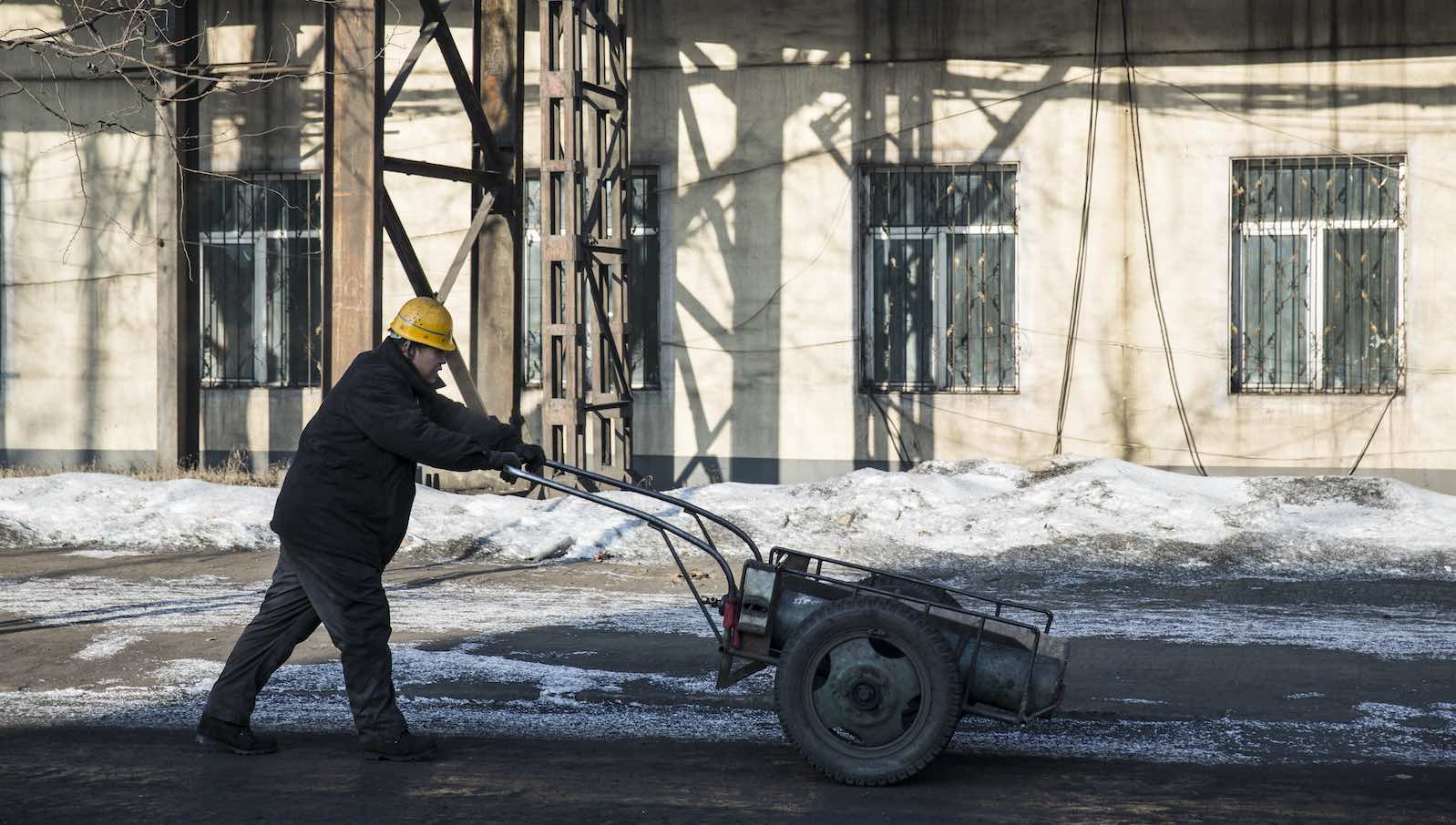
The Tonghua Iron and Steel Mill in Tonghua, Jilin province, China, in 2016, one of many state-run steel mills that struggled to modernise (Qilai Shen/In Pictures via Getty Images Images)The Tonghua Iron and Steel Mill in Tonghua, Jilin province, China, in 2016, one of many state-run steel mills that struggled to modernise (Qilai Shen/In Pictures via Getty Images Images)Published 15 Apr 2021 10:00   0 Comments   

Outside observers have all but given up hope that China will engage in meaningful state-owned enterprise (SOE) reform. There is a pervasive sense that rather than shrinking SOEs, China’s leaders are committed to increasing their prominence within the economy.

Tiếp tục đọc “Has China given up on state-owned enterprise reform?”

Limits in the Seas

US DEPARTMENT OF STATE

OFFICE OF OCEAN AND POLAR AFFAIRS

This series, issued by the Office of Ocean and Polar Affairs, Bureau of Oceans and International Environmental and Scientific Affairs in the Department of State, aims to examine coastal States’ maritime claims and/or boundaries, and assess their consistency with international law.  The studies represent the views of the United States Government only on the specific matters discussed therein and do not necessarily reflect an acceptance of the limits claimed.

Tiếp tục đọc “Limits in the Seas”

What matters in global education: Big Questions for the New Year

getrevue.com

Photo by Rachael Ren

It’s been a bumpy few years for international education — and 2022 could bring more of the same. Later in this newsletter, I’ve got predictions from readers about what this year holds for the field.

Here are three big questions I expect to be asking in my reporting. Will a hybrid approach to international education stick? 
Even more than the rest of higher education, international ed prioritizes the experiential. Global mobility, both inbound and outbound, has prized immersion in culture and place. Covid-19 disrupted that: Many international students were forced to study remotely from their home countries. Virtual education abroad and internships replaced semesters in Barcelona and Rome.Let’s be blunt: Many of these experiences were not ideal. But as the pandemic has worn on, we’ve all become better at virtual. It also offers opportunity: Virtual exchange can open international study to the 90 percent of U.S. undergraduates who don’t go abroad. Transnational education may bring an American education to students who can’t spend four years here. At the same time, concerns about sustainability have led students and educators alike to approach international travel more deliberately. In the post-pandemic future, will virtual and hybrid compliment the in-person? Or will they continue to be viewed, and resourced, as second class?

Can international education diversify? For a field that is global, it can sometimes look homogenous: U.S. colleges draw students predominantly from a handful of countries and send them out to a relatively small number of nations. Partnerships are clustered in certain parts of the world. Some institutions are deeply global, while many others have minimal international programming. We want to diversify participation in international experiences, but those of us drawn to this work don’t necessarily look like the students we hope to attract. (And yes, I include myself among the “we.”)Change has been coming, but it’s been incremental. Will the pandemic jumpstart diversification and transformation? Or, under pressure to do more with less, will the status quo be reinforced?

Will the pandemic help make the case for internationalization? Back in 2019, I wrote about whether the “golden era” for international education was over — if there had ever been one. The pandemic may offer even more of an inflection point. On one hand, it underscores the importance of the global connections made on campus — the swift development of Covid vaccines simply would not have been possible without multinational teams of researchers, many of them former international students. As international enrollments tumbled, the absence of foreign students made visible their critical importance to campus diversity and to college budgets. Even the Biden administration has recognized the value of international education and pledged to take a more proactive and consistent approach to sustaining it.Still, there will undoubtedly be college leaders who see the disruption to international mobility as a litmus test and decide that it is a discretionary activity that their students can do without. Belt-tightening and burnout has forced thousand of international educators from the field, and many won’t be back. Even some veterans have told me how discouraged they are by Washington policies that work as cross-purposes with attracting international students as well as their struggles to make the case to administrators. Which vision will win out?Your forecasts for the year ahead are below. But first some news…

Tiếp tục đọc “What matters in global education: Big Questions for the New Year”

Việt Nam có đủ điều kiện phát triển điện hạt nhân

NLVN – 06:47 | 22/06/2021 – Nhân loại đã và đang đương đầu với thách thức thiếu nguồn năng lượng, các nguồn thủy năng, dầu, khí đang dần cạn kiệt, nguồn than trữ lượng khá hơn thì phải hạn chế sử dụng do phát thải khí nhà kính. Với Việt Nam chúng ta đang tìm cách chuyển dịch cơ cấu các nguồn năng lượng, trong đó giải pháp hợp lý được đa số thừa nhận là phối hợp năng lượng tái tạo với điện hạt nhân.


PGS, TS. BÙI HUY PHÙNG – HỘI ĐỒNG KHOA HỌC TẠP CHÍ NĂNG LƯỢNG VIỆT NAM

Điện hạt nhân: Việt Nam có nên nghiên cứu trở lại? - VietNamNet

Tiếp tục đọc “Việt Nam có đủ điều kiện phát triển điện hạt nhân”

Để thoát nghèo, trẻ em dân tộc thiểu số vượt gần 11km đến trường

09/08/2021 15:23

TTOĐó là con số nổi bật trong báo cáo “Số liệu về phụ nữ và nam giới các dân tộc ở Việt Nam giai đoạn 2015-2019” được công bố nhân Ngày quốc tế dân tộc bản địa thế giới (9-8).

Để thoát nghèo, trẻ em dân tộc thiểu số vượt gần 11km đến trường - Ảnh 1.
Trẻ em dân tộc thiểu số dễ bỏ học do tham gia sớm vào các hoạt động kinh tế, hỗ trợ công việc trong gia đình, tảo hôn hoặc khoảng cách từ nhà đến trường xa – Ảnh: ĐỨC HIỆP

Báo cáo do Cơ quan Liên Hiệp Quốc về bình đẳng giới và trao quyền cho phụ nữ (UN Women) phối hợp với Viện Khoa học lao động và xã hội, Ủy ban Dân tộc, Đại sứ quán Ireland thực hiện.

Tiếp tục đọc “Để thoát nghèo, trẻ em dân tộc thiểu số vượt gần 11km đến trường”

Cán bộ vô cảm đẩy người dân về phía đói nghèo

NNMẹ đơn thân nuôi con bại liệt bị đưa ra khỏi danh sách hộ nghèo. Cán bộ vô cảm, thiếu dân chủ đẩy người dân về phía đói nghèo.

Cán bộ vô cảm và những phận đời khốn cùng

Nơi trú ngụ của bà Nguyễn Thị Nghinh (56 tuổi) và đứa con bị bại liệt là ngôi nhà tình nghĩa chỉ vỏn vẹn vài ba chục mét vuông, được xây dựng trên mảnh đất mượn của người cháu ruột tại thôn Xuân Khánh, xã Bãi Trành, huyện Như Xuân (tỉnh Thanh Hóa).

Cán bộ vô cảm đã đẩy mẹ đơn thân, con bại liệt ra khỏi danh sách hộ nghèo. Ảnh: VD.
Cán bộ vô cảm đã đẩy mẹ đơn thân, con bại liệt ra khỏi danh sách hộ nghèo. Ảnh: VD.

Tiếp tục đọc “Cán bộ vô cảm đẩy người dân về phía đói nghèo”

Nương bóng người khổng lồ

KHÁNH LINH 12/1/2022 6:00 GMT+7

TTCT Các hoạt động kinh tế với Trung Quốc luôn không dễ dàng, nhất là với các quốc gia láng giềng, nhưng không phải là không có những cơ hội lớn có thể tận dụng.

Trung Quốc có biên giới đường bộ với 13 quốc gia. Ngoại trừ đất nước thuần Phật giáo Bhutan, vốn không chọn phát triển là hướng đi, 12 quốc gia còn lại đều là con nợ của Trung Quốc. 

Trong đó, 5 nước đã rơi vào tình trạng “bẫy nợ công” – tức số nợ vay để xây dựng cơ sở hạ tầng, đường sá, cầu cảng… với các tổ chức tín dụng của Trung Quốc dần trở thành không trả nổi, nếu không có các nhượng bộ mang tính chính trị hay gán nợ bằng tài sản quốc gia. 

 Ảnh: MIT Technology Review

Tiếp tục đọc “Nương bóng người khổng lồ”

Cần sớm sửa đổi Luật Đất đai để chặn đứng các sai phạm do quản lý

Trước tình trạng đất nông lâm trường đang quản lý, sử dụng kém hiệu quả, trong khi đồng bào dân tộc thiểu số còn thiếu đất sản xuất, nhiều đại biểu Quốc hội kiến nghị cần sớm sửa đổi Luật Đất đai…

Hùng Võ-Minh Thu (Vietnam+) 25/07/2021 14:49 GMT+7 

Theo báo cáo tại phiên họp Ủy ban Thường vụ Quốc Hội mới đây về thực hiện Nghị quyết số 76/2014/QH13 đẩy mạnh giảm nghèo bền vững đến năm 2020, cả nước vẫn còn 58.000 hộ dân thiếu đất ở và 303.578 hộ thiếu đất sản xuất. (Ảnh: Hùng Võ/Vietnam+)Theo báo cáo tại phiên họp Ủy ban Thường vụ Quốc Hội mới đây về thực hiện Nghị quyết số 76/2014/QH13 đẩy mạnh giảm nghèo bền vững đến năm 2020, cả nước vẫn còn 58.000 hộ dân thiếu đất ở và 303.578 hộ thiếu đất sản xuất. (Ảnh: Hùng Võ/Vietnam+)
Nhiều đại biểu Quốc hội cho rằng đã đến lúc cần tổng kết, đánh giá kỹ nguyên nhân dẫn tới việc sau gần 30 năm “sắp xếp, đổi mới” rừng vẫn mất, đất đai bị lấn chiếm tranh chấp, tỷ lệ đồng bào dân tộc thiểu số vẫn ở mức cào; từ đó đưa ra giải pháp phù hợp ngay trong quá trình sửa đổi Luật Đất đai tới đây.

Tiếp tục đọc “Cần sớm sửa đổi Luật Đất đai để chặn đứng các sai phạm do quản lý”

Khó đảm bảo “quyền có giấy tờ tuỳ thân” cho trẻ đường phố

(Dân trí) – Quyền có giấy tờ tuỳ thân đã được quy định rõ trong hệ thống pháp luật Việt Nam. Tuy nhiên, trong qua trình hỗ trợ thực tế cho trẻ đường phố, đã phát sinh khó khăn: Trẻ không có hộ khẩu không thể làm chứng minh nhân dân, không có chứng sinh không dễ khai sinh…

Ngày 18/12, buổi hội thảo tổng kết dự án “hỗ trợ pháp lý về giấy tờ tuỳ thân cho trẻ em/ thanh thiếu niên đường phố” đã được tổ chức tại TPHCM. Hội thảo do Trung tâm Nghiên cứu Quản lý và Phát triển Bền vững (MSD) phối hợp với Trung tâm trợ giúp pháp lý nhà nước, Sở tư pháp TPHCM tổ chức.

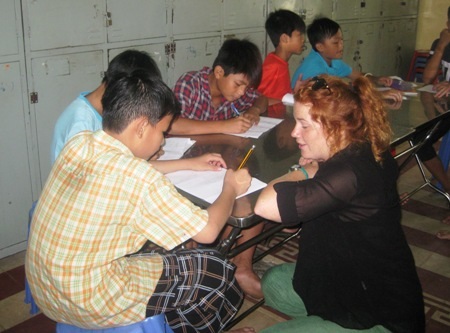
Trẻ lang thang ở mái ấm quận 8, TPHCM

Trẻ lang thang ở mái ấm quận 8, TPHCM

Trong buổi hội thảo, các nhân viên xã hội đều cho rằng trẻ em lang thang đều dễ bị tổn thương, yếu thế, gặp nhiều khó khăn nhất trong cả về mưu sinh cũng như việc đảm bảo các quyền cơ bản nhất như giấy tờ tuỳ thân. Việc không có giấy tờ tuỳ thân càng khiến trẻ thiệt thòi trong việc không tiếp cận được các dịch vụ công và các hỗ trợ dành cho trẻ: học việc, tạo việc làm, có nơi cư trú…

Tiếp tục đọc “Khó đảm bảo “quyền có giấy tờ tuỳ thân” cho trẻ đường phố”

Những người trẻ dùng đôi tai thay đôi mắt

XUÂN TÙNG 2/4/2021 16:05 GMT+7

TTCTXuất hiện từ tháng 1-2021, trang Facebook của một nhóm bạn trẻ mang tên ScriVi chỉ đăng vỏn vẹn hai tấm hình người trẻ đang gõ văn bản với chiếc tai nghe trùm đầu cùng một bài giới thiệu dịch vụ gỡ băng với cam kết bảo mật, minh bạch tối đa. Đọc hết thông tin dịch vụ, người ta mới biết nhóm gồm toàn các bạn sinh viên khiếm thị, mong muốn “dùng đôi tai thay hai con mắt” để làm những điều tốt đẹp cho cộng đồng.

 Nguyễn Thành Vinh, một trong hai điều phối dự án ScriVi, mong muốn tạo cơ hội cho người khuyết tật trên thị trường việc làm. Ảnh: Xuân Tùng

ScriVi hiện là ngôi nhà chung của 19 người trẻ khiếm thị, nhận gỡ băng (nghe ghi âm và gõ lại thành văn bản) bằng tiếng Việt theo đơn đặt hàng của các phóng viên, tác giả sách cũng như các dự án nghiên cứu khoa học trong nước và quốc tế.

Tiếp tục đọc “Những người trẻ dùng đôi tai thay đôi mắt”