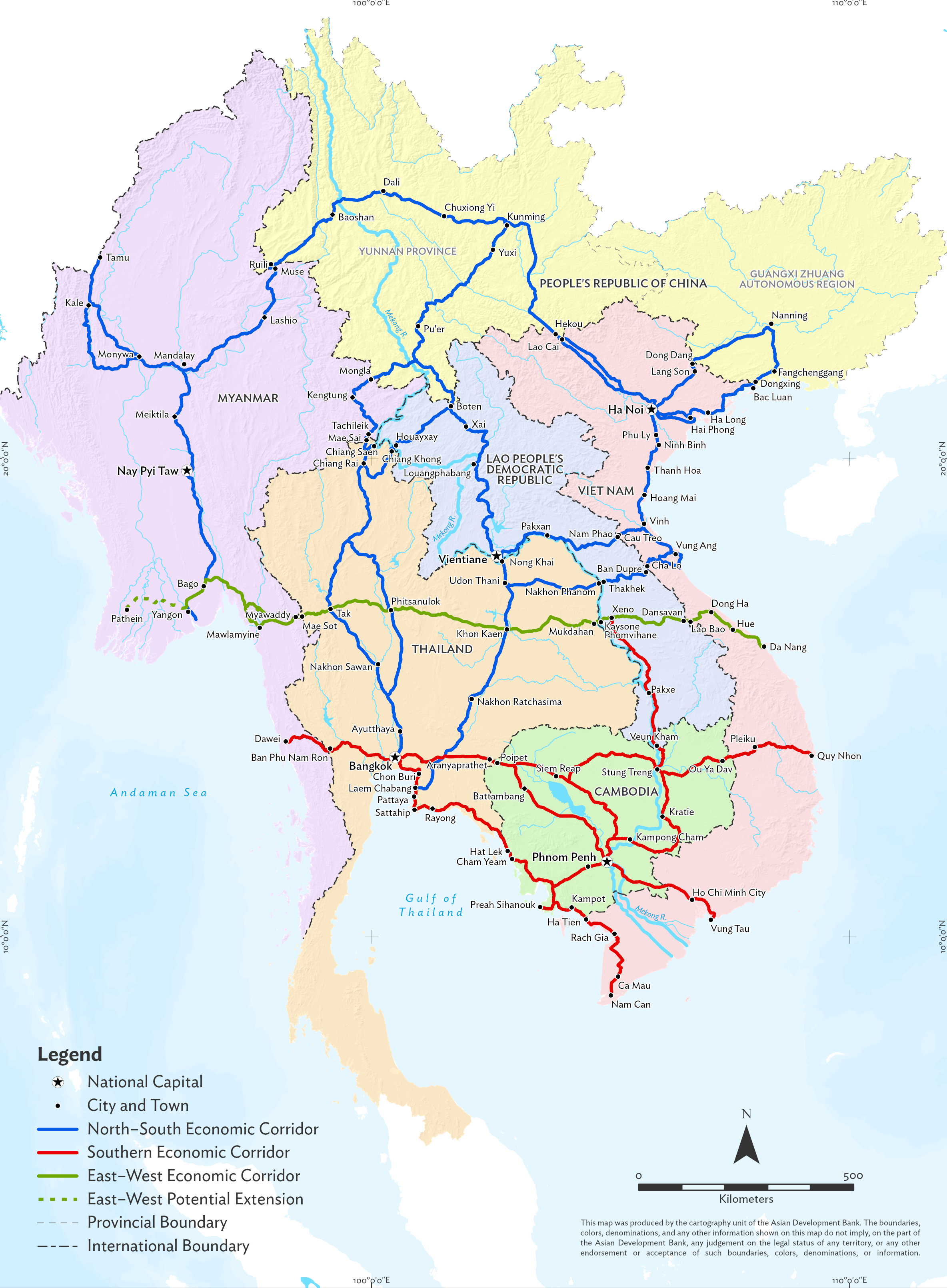
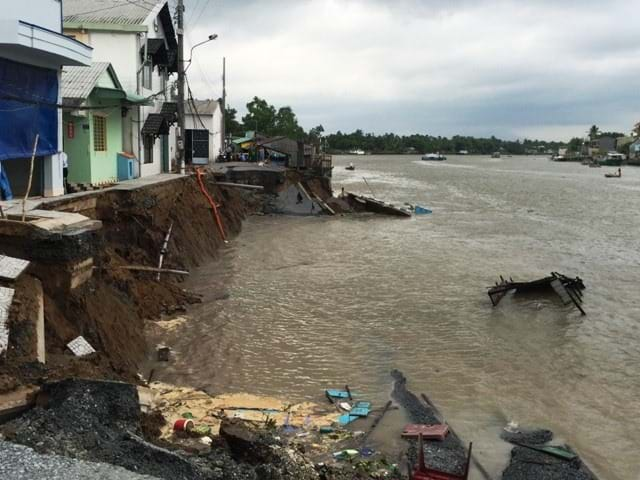
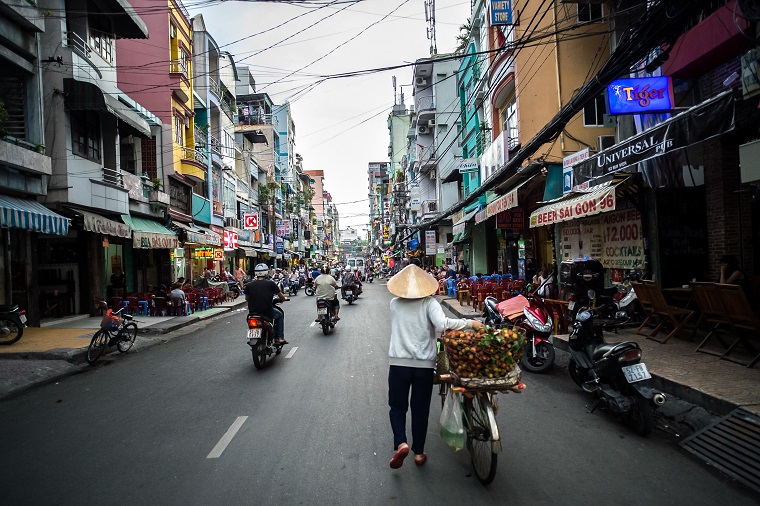
 By 2030, more than 40% of the population in the Greater Mekong Subregion will be living in cities. Photo: ADB.
greatermekong – The subregion is one of the least urbanized areas in the world, but its cities are growing and their economic impact is being felt.
Urbanization levels in the Greater Mekong Subregion are low, ranging from 19.5% in Cambodia to 44.2% in Thailand. However, in all GMS countries, urban areas account for a much larger percentage of the gross domestic product (GDP)—at least half in most countries and about 75% in Thailand—than the share of its national populations.
Urbanization growth rates in the subregion range from 4.9% annually in Yunnan Province, People’s Republic of China (PRC) —six times the provincial population growth rate—to a low of 2.6% annually in Myanmar—1.7 times the national population growth rate. Tiếp tục đọc “The Greater Mekong Subregion: Rural no more”