China’s high-speed rail network is reshaping regional air travel, challenging short-haul aviation and redefining how passengers move across the country. Yuanfei Zhao (Scott) explores the co-evolution of rail and air, and examines the implications for airline strategy, fleet demand and the future of China’s regional aviation market.
China’s transportation landscape has undergone a quiet but profound transformation, one that is redefining how people move across the country and recalibrating the roles of air and rail in the national mobility ecosystem. At the heart of this shift is the rapid rise of high-speed rail (HSR), which has not only captured market share from short-haul aviation but has fundamentally altered traveller behaviour, airline network strategies, and urban connectivity.
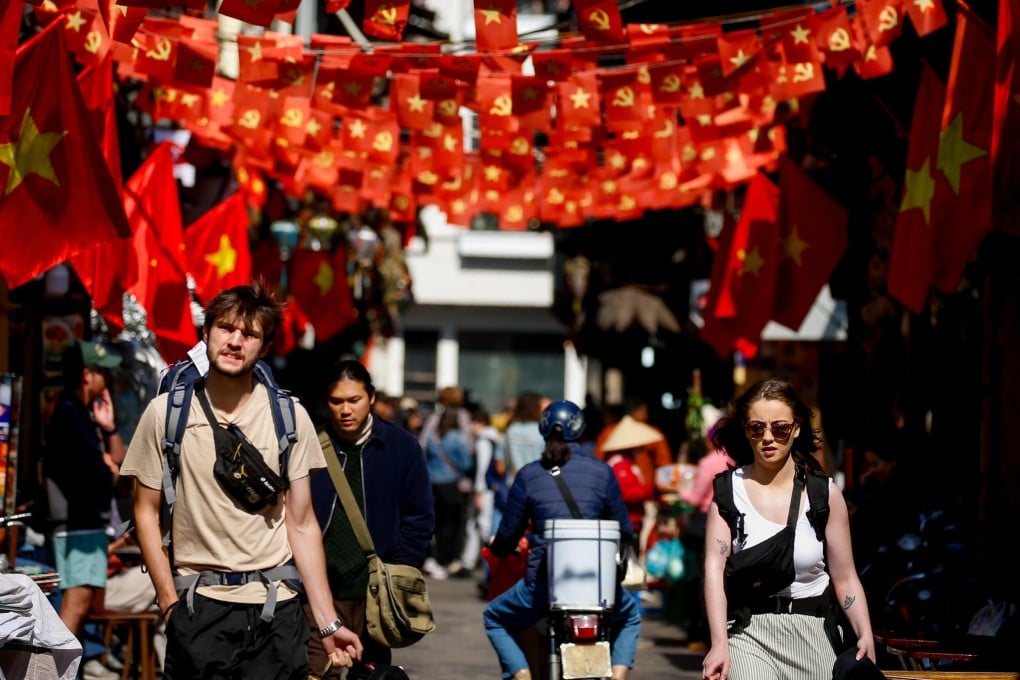
At a time when other popular parts of Asia are struggling with dwindling tourist numbers, how is Vietnam hitting record numbers of visitors?
Vietnam has kicked off the new tourism year by shattering records. According to the national tourism authority, VNAT, almost 2.5 million international visitors arrived in January – the highest number ever recorded in a single month and an 18.5 per cent jump over the previous year.
While these figures represent an economic triumph, they also highlight a shifting geopolitical map.
Travellers are increasingly bypassing the smouldering border disputes between Thailand and Cambodia in favour of the relative stability found in Hanoi and Ho Chi Minh City. However, this new-found “stability” brings its own set of growing pains.
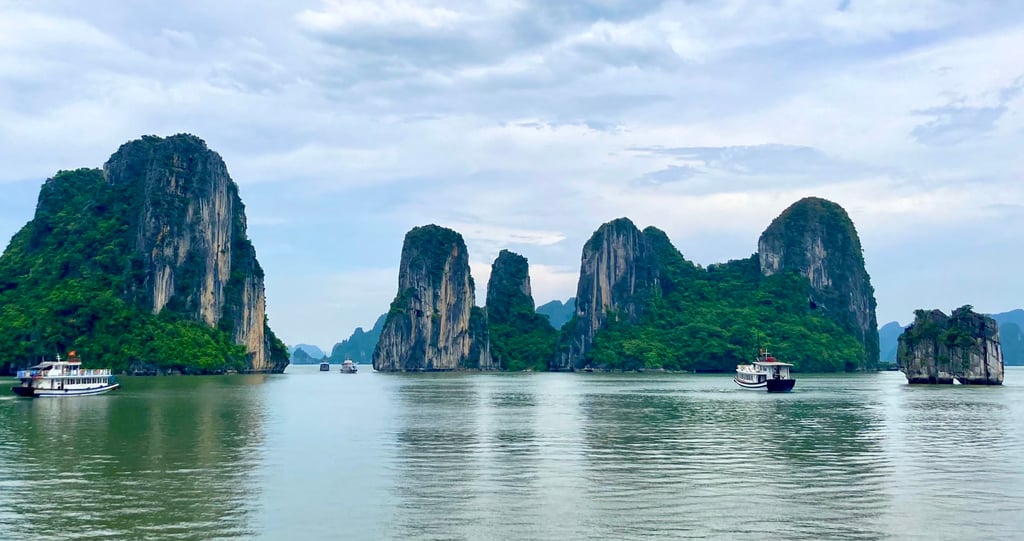
Tourist boats sail through the world-famous waterscape of Halong Bay. Photo: dpa
This surge is being driven by a diversifying demographic.
While most visitors still hail from within Asia, European arrivals are climbing significantly. VNAT credits this boom to eased visa rules – such as the 45-day visa-free stay for German citizens – alongside a rise in direct international flights and Vietnam’s growing reputation as a premier long-haul winter escape.
BBWV – Chỉ 63,6% chuyến bay tại Việt Nam cất cánh đúng giờ trong tháng 7.2025, với hơn 9.400 chuyến bị chậm. Đồ thị tuần này phản ánh áp lực ngày càng rõ lên đội bay và năng lực vận hành của toàn ngành hàng không.
Tác giả: Giang Lê – Minh họa: Hoàng Minh 16 tháng 01, 2026
Nếu bạn từng ngồi chờ ở cửa ra máy bay và thấy chữ “on time” chuyển thành “delayed”, có lẽ bạn cũng cảm nhận được một điều: Bay đúng giờ ở Việt Nam đang trở nên khó hơn trước. Đồ thị tuần này cho thấy đó không chỉ là trải nghiệm cá nhân, mà là một xu hướng rõ ràng của toàn thị trường.https://flo.uri.sh/visualisation/27087407/embed
Hanoi and HCMC now proportionately more expensive than Singapore and Tokyo
HO CHI MINH CITY — To get by in Vietnam’s crowded, bustling capital Hanoi, university employee Nguyen Bich Ha shares a room with her husband and two kids that is 16.5 square meters in size, little bigger than a parking space for a car.
She wishes that the four of them could have a home of their own instead of living in a room in her husband’s parents’ house. She and her husband depend on the in-laws for help taking their children to and from school but sometimes disagree with them on issues related to bringing up the kids and the timing of meals.
“There isn’t much privacy either since there are many shared living spaces,” said Ha, 36. “And since it’s their house, we can’t make decisions on decoration or changes around the house.
In 2025, Vietnamese cuisine has garnered widespread recognition from prestigious global rankings. Beloved street foods and traditional market dishes have been named among the world’s best.
Vietnam secured 4th place in the list of the 15 countries with the most attractive cuisines globally, as voted by Condé Nast Traveller.
At the 6th World Culinary Awards, Vietnam was honored as “Asia’s Leading Culinary Destination 2025.” In December, Taste Atlas – a globally respected food mapping site – ranked Vietnamese cuisine 16th among the top 100 world cuisines, up three spots from the previous year.
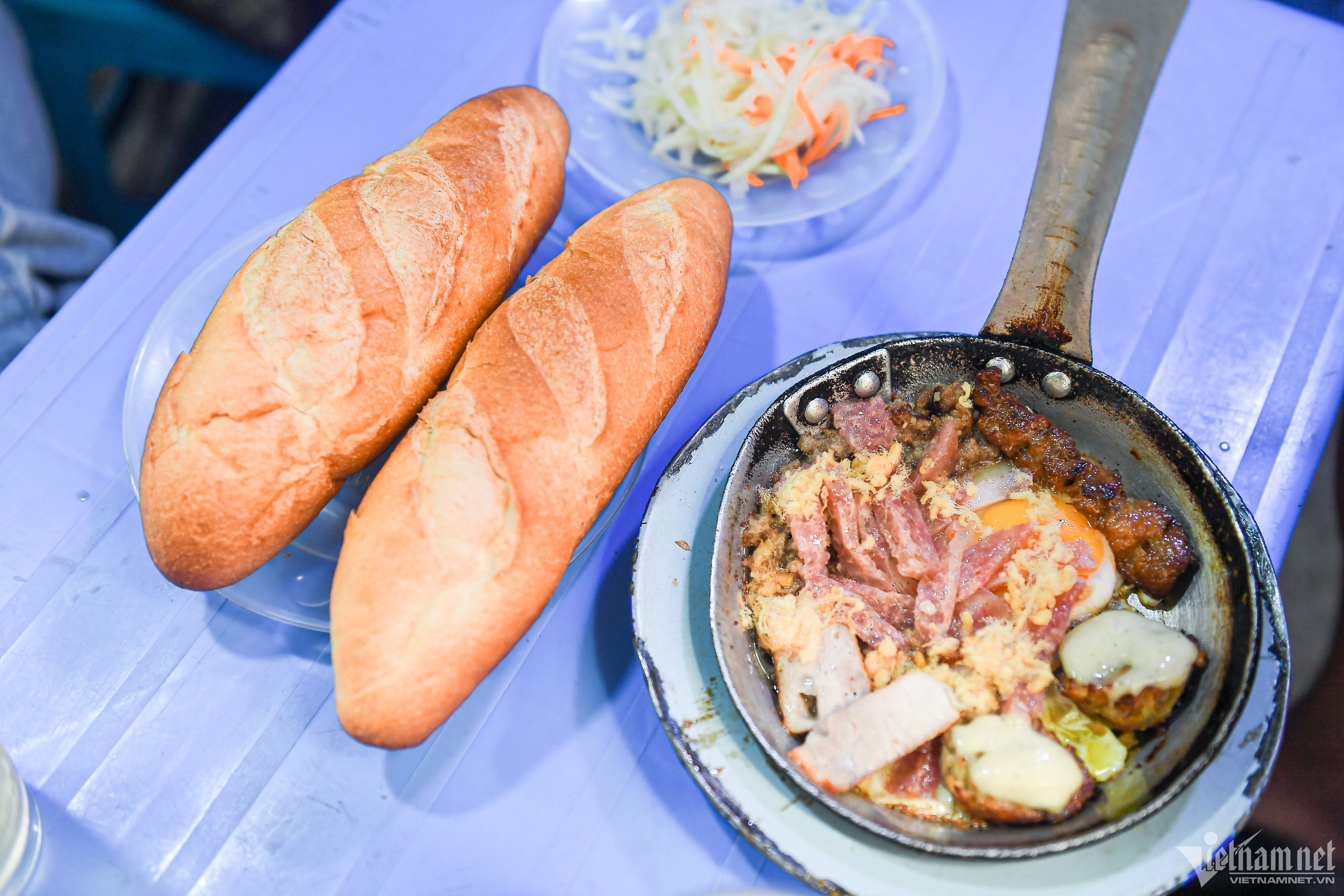
Banh mi
On November 15, CNN Travel included Vietnamese banh mi in its list of the 25 best sandwiches in the world.
According to CNN Travel, banh mi can be found on nearly every street corner across Ho Chi Minh City, Hanoi, and other provinces, captivating global diners with its signature crispy crust and richly varied fillings.
The classic “thap cam” version, featuring pork, Vietnamese sausage, pickled vegetables, herbs, and a distinctive sauce, offers an addictive balance of savory and sweet flavors. Other variations like chicken banh mi and vegetarian options add to its diversity.
, Hironori Kato baDepartment of Architecture and Civil Engineering, City University of Hong Kong, Tat Chee Avenue, Kowloon, Hong KongbDepartment of Civil Engineering, The University of Tokyo, 7-3-1, Hongo, Bunkyo-ku, Tokyo, 113-8656 Japan
Highlights • We examine the relationship between airport rail links and metropolitan productivity. • Cities with airport rail links are more productive than those without airport rail links. • Cities with shorter access time enabled by airport rail links are more productive. • Airport rail links should be discussed as a catalyst for wider economic development.
Global Forest Watch’s (GFW) deforestation alerts provide information about loss of tree cover in near-real-time, making them a critical tool for those working to combat deforestation. Existing alerts on GFW have been used to help Indigenous and local communities protect their forests, halt and prosecute environmental crimes and protect threatened wildlife.
However, in the past, alerts only let users know there’s been a disturbance without identifying a cause, other than a few limited classes such as fires.
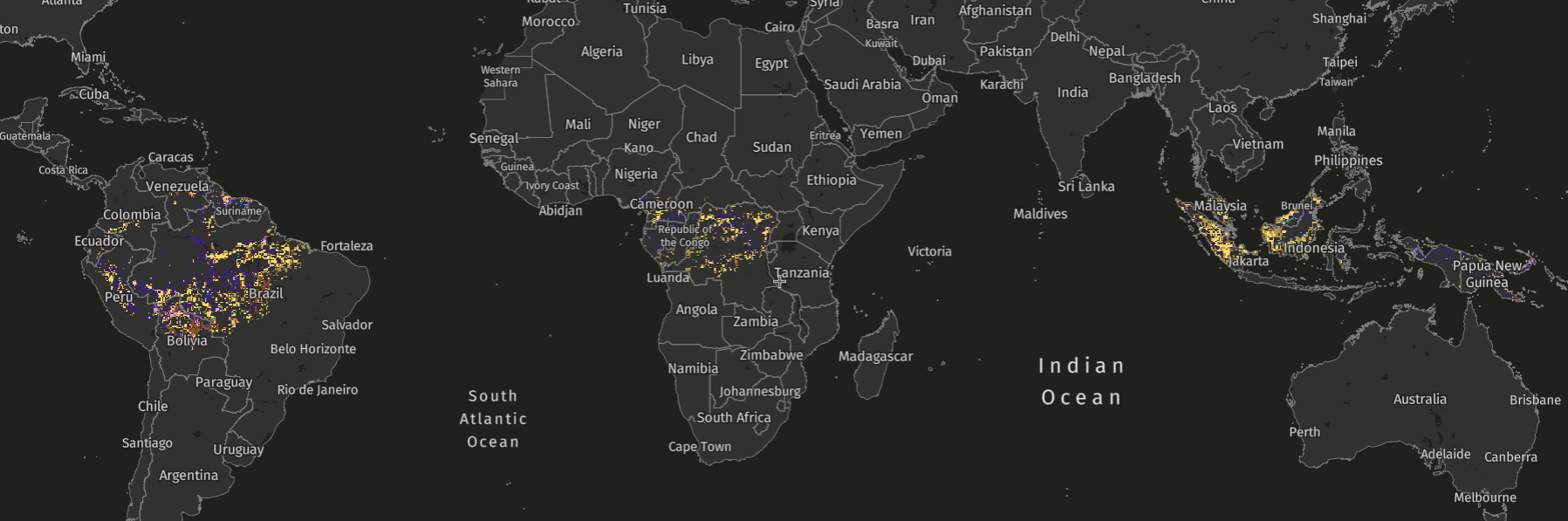
Now, new drivers of deforestation alerts data is available on GFW that shows the causes of alerts across the tropics. This innovative data set uses an AI method to assign drivers to GFW’s integrated deforestation alerts in the three major forested regions in the tropics, allowing users to see what’s driving loss in near-real-time in these regions for the first time.
Critically, this information helps users distinguish between tree cover loss from natural and human causes, enabling more targeted action from those managing forests and reducing the need for costly field visits. Further, the data also provides more rapid information to estimate ecological impacts and supports better understanding of carbon emissions related to forest disturbances.
Thị trường tài sản mã hóa mang đến cơ hội, nhưng cũng đầy rẫy cạm bẫy. Trong bối cảnh các thủ đoạn lừa đảo ngày càng tinh vi, các nhà đầu tư cần học cách nhận diện, phòng tránh các mô hình lừa đảo để tự bảo vệ mình.
Trong những năm gần đây, thị trường tài sản mã hóa (crypto) đã bùng nổ tại Việt Nam, thu hút một lượng lớn nhà đầu tư, đặc biệt là giới trẻ. Với tiềm năng lợi nhuận cao và tốc độ tăng trưởng ấn tượng của các đồng tiền như Bitcoin, Ethereum, hay các mô hình tài chính phi tập trung (DeFi), không ít người đã kỳ vọng đây sẽ là cơ hội đổi đời.
Cạm bẫy lừa đảo ngày càng tinh vi trên thị trường tài sản mã hóa.
Theo số liệu từ Triple-A, năm 2024 có hơn 17 triệu người Việt Nam đang sở hữu tài sản mã hóa, chiếm gần 17% dân số. Tuy nhiên, sự phát triển nhanh chóng này cũng đi kèm một lỗ hổng lớn: phần lớn nhà đầu tư là người mới, tiếp cận thị trường thông qua mạng xã hội hoặc lời rỉ tai, không có nền tảng về công nghệ blockchain, pháp lý tài sản số hay các phương thức lừa đảo phổ biến hiện nay.
Mới đây, thông tin về “Madam Ngo” bị Interpol truy nã vì tội lừa đảo đầu tư tiền điện tử và ngoại hối, lừa đảo hơn 2.000 nạn nhân người Việt Nam số tiền khoảng 300 triệu USD đã gióng lên hồi chuông cảnh báo về những rủi ro tiềm ẩn trong thị trường này.
Cambodia’s central bank has reportedly revoked the banking license of a conglomerate accused of illicit online activities. But doubts abound about Phnom Penh’s commitment to taking action against cyberfraud networks.
Southeast Asia’s vast cyber scam industry exploded during the COVID-19 pandemic when many of the region’s illegal casino operators turned to online fraudImage: allOver-MEV/IMAGO
The banking arm of a Cambodia-based conglomerate accused of running the world’s “largest ever illicit online marketplace” has had its banking license revoked by the Cambodia’s central bank, Radio Free Asia reported last week.
Huione Guarantee, the Telegram marketplace of Huione Group, has reportedly processed up to €22 billion ($24 billion) in illicit transactions since 2021, making it by far the world’s largest illegal online marketplace, cryptocurrency compliance firm Elliptic reported last year.
Huione Pay, the group’s banking arm, had its license withdrawn because of noncompliance with “existing regulations and recommendations that may have been made by the regulators,” a National Bank of Cambodia spokesperson told Radio Free Asia, a US Congress-funded media outlet.
mekongeye.com Produced in partnership with the Putlizer Center
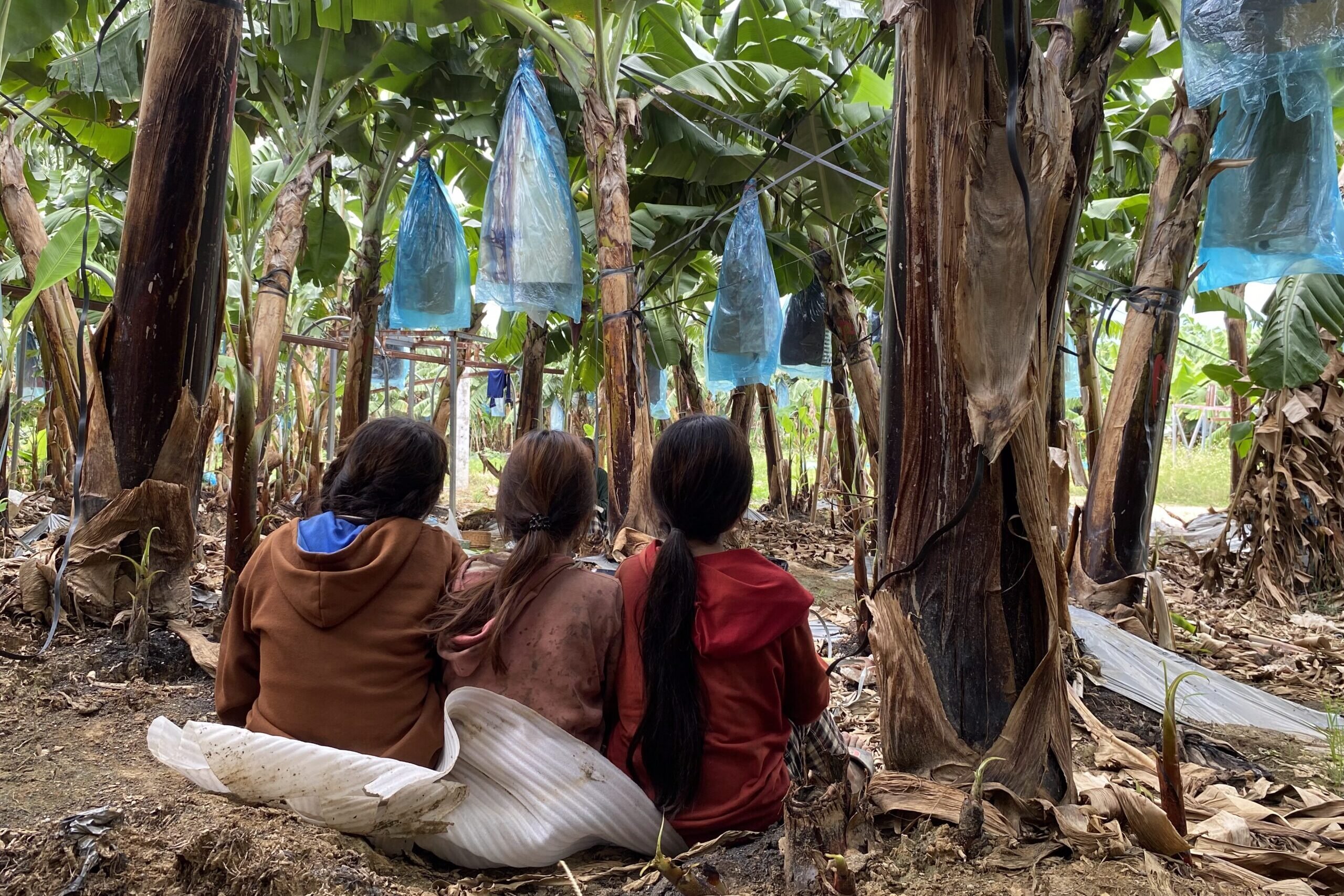
Long-term intensive chemical use in Laos’ banana farms has degraded the country’s once-fertile soil, and it may take nearly half a century to restore it.
Laos’ fertile soil and its proximity to China have created ideal conditions for banana cultivation to meet the surging demand from Chinese consumers.
This fruit frenzy has attracted Chinese companies to seek farmland in Laos, a landlocked country that has embraced a “green agriculture” approach to combat poverty.
With government approval, the sector has expanded, offering jobs, infrastructure development, and revenue from land once considered undervalued.
However, an investigation by Mekong Eye and the Rainforest Investigations Network (RIN) reveals that the fruit plantation boom has left a legacy of soil degradation and uncertain livelihoods for many local farmers.
OUDOMXAY & BOKEO, LAOS – Northern Laos is experiencing soil degradation after years of monocropping and widespread chemical use on banana farms operated by Chinese entrepreneurs.
Thiep doesn’t remember the name of the Chinese fruit company that leased his family’s land, only that it was one of the first to arrive in his northern Lao village in 2007.
After a decade of monocropping bananas, the company left and then returned the land to his family. But in the interim, the earth had changed in ways Thiep and his household couldn’t have anticipated.
“The soil is unusually hard and dry, not like it used to be. We had to replace the plow with a stronger one just to break the ground,” Thiep recalled.
His family members invested extra effort into its first rice crop after reclaiming the plotland. That year, they enjoyed a bumper harvest that was more than they had before the arrival of the Chinese company. But it was the last time they saw such abundance.
“The yield kept decreasing after that,” Thiep said, planting seedlings in the flooded paddy. “Before we leased it out, this plot produced 60 bags of rice. Now it’s down to 30, not enough for the family to eat.”
Nearly two decades ago, Chinese entrepreneurs, attracted by geographic proximity, blanketed northern Laos with banana plantations.
Exporting bananas to China quickly became an economic mainstay, replacing the long reliance on subsistence rice farming. The plantations not only created local jobs but also increased income for households leasing their land to companies.
But investment capital is bittersweet: it may have provided the region with a ladder out of the depths of poverty, but it has ushered in new perils.
Some local workers have reportedly fallen ill or died after pesticide spraying on farms.
Young Hmong workers rest after long hours of labor on a banana plantation in Oudomxay province, northern Laos. Many, including children under 15, face direct exposure to hazardous agricultural chemicals used in the plantations.
A 2017 study, conducted with the Lao government’s involvement, found that agricultural chemicals – used intensively and without consistent management on banana plantations – had poisoned rivers and soil, and harmed the health of residents and plantation workers.
Among the chemicals identified were paraquat – a highly toxic herbicide banned in several countries, including Laos and China – and chlorothalonil, a hazardous substance banned in the EU in 2020 due to its potential to pollute groundwater and cause cancer.
Facing the issue, an official from the Ministry of Industry and Commerce verbally stated in early 2017 that the Prime Minister’s Office had ordered a ban on all commercial banana cultivation, according to the Laos News Agency. However, our reporter was unable to find any official orders on public platforms dating back to 2016.
Jonathan Hanitzsch rests after collecting trash off the coast of Hon Mot Island on Feb. 7, 2025, in Nha Trang, Vietnam. (AP Photo/Yannick Peterhans)
By YANNICK PETERHANS and ANIRUDDHA GHOSALUpdated 9:02 AM GMT+7, March 5, 2025Share
NHA TRANG, Vietnam (AP) — The gentle waves off the coast of central Vietnam’s Nha Trang obscure an open secret: The life-giving coral reefs below are dying. The waters are eerily devoid of fish. The bounty of the ocean is coming to an end.
This is why Binh Van — who fished in these waters for over two decades — now charters his boat to Vietnamese tourists wanting to experience the thrill of fishing in the deep waters of the South China Sea. But there is only squid, which is flourishing in oceans warmed by climate change, to catch. His passengers don’t mind as the boat moves away from Nha Trang’s twinkling beach resorts. But Van is pensive.
Nguyen Tuan Hai drives Rainbow Diver’s boat to Madonna Rock, Feb. 7, 2025, in Nha Trang, Vietnam. (AP Photo/Yannick Peterhans)
It wasn’t always like this. There was a time when he’d catch 70 kilograms (154 pounds) of fish, like tuna and grouper, in one night. He can’t make money on the squid.
A deep dive into the rationale behind some of Asia’s reclamation projects, the toll they take on our environment and communities, and the search for more sustainable alternatives.
Reclamation is seen as a solution for countries to deal with increasing land demands, by expanding their territory and rehabilitating previously uninhabitable lands or seas. Yet, the process guzzles an alarming amount of sand, causing massive environmental damage as well as a rise of transnational criminal syndicates trading in illegal sand.
Coastlines, ecosystems, and entire populations are now facing adverse impacts due to increased sand-mining activity, with one of the major driving forces being land reclamation. This practice of creating new land at sea is often touted as a solution to urban expansion and climate change.
As well as sending remittances, many are returning to their homeland
Photograph: Hannah Reyes Morales/New York Times/Redux /Eyevine
May 22nd 2025|HO CHI MINH CITYShareListen to this story
Fifty years ago Thinh Nguyen left his homeland aboard an American navy ship. Some of his compatriots escaped in helicopters. Tens of thousands fled in makeshift boats. Many more, including Mr Nguyen’s father and brother, were left behind as troops from North Vietnam stormed into Saigon, then the capital of American-backed South Vietnam. The chaotic evacuation marked the end of the Vietnam war, badly damaged American credibility and left Vietnam in Communist hands. It also helped create one of the world’s biggest diasporas.
The intricate histories and niche experiences that we love about Saigon can make it difficult to explore. If you enjoy reading about Saigoneer’s favorite destinations, Urbanist Travel can help create a tailor-made itinerary based on your requests. More Informatio
Read this article in Vietnamese at Sài·gòn·eer.From the very first discussions in 1868 regarding a new marketplace for Saigon, it was not until 1914, that Bến Thành Market became a reality. The birth of the market was like a dream come true, one that came together after nearly five decades of debate in search of solutions for the city’s infrastructure woes.
The five-decade quest to seek a “worthy” marketplace
In her research conducted on the vendors of Bến Thành, anthropologist Ann Marie Leshkowich recounts the lengthy discussions of then Saigon’s colonial administration regarding the establishment of a new commercial center, one that, according to them, must become a place “worthy” of the metropolis they were helping to create.
In 1868, the French had only spent about one decade trying to install a colonial network in Vietnam. Members of the Municipal Council (Conseil Municipal) had the thought of building a new marketplace from metal, replacing traditional thatch markets. In 1869, a budget of 110.000 francs was greenlit, but by 1870, the estimated expenditure had ballooned threefold, causing them to reconsider the planned building methods and amount of materials.








 CVD
CVD 