Robert Calabretta holds his baby photo from before he was adopted out of South Korea to a family in the United States, Thursday, Feb. 15, 2024, at his apartment in New York. (AP Photo/David Goldman)
SEOUL, South Korea (AP) — As the plane descended into Seoul, Robert Calabretta swaddled himself in a blanket, his knees tucked into his chest like a baby in the womb. A single tear ran down his cheek.
The 34-year-old felt like a newborn — he was about to meet his parents for the first time since he was 3 days old.
Most of his life, he thought they’d abandoned him for adoption to the United States. When he finally found them, he learned the truth: The origin story on his adoption paperwork was a lie. Instead, he said, his parents were told in 1986 that their infant was very sick and they thought he had died.
“I am so sorry,” his birth father had written when they found each other, his words interrupted by fits of weeping. “I miss you. How did you endure this cruel world?”
Robert Calabretta sits for a portrait at the restaurant where he works, Feb. 15, 2024, in New York. (AP Photo/David Goldman)
Calabretta is among a growing and vocal community of victims of an adoption system they accuse of searching out children for would-be parents, rather than finding parents for vulnerable children — sometimes with devastating consequences only surfacing today.
South Korea’s government, Western countries and adoption agencies worked in tandem to supply some 200,000 Korean children to parents overseas, despite years of evidence they were being procured through questionable or downright unscrupulous means, an investigation led by The Associated Press found. Those children grew up and searched for their roots — and some realized they are not who they were told.
Their stories have sparked a reckoning that is rocking the international adoption industry, which was built in South Korea and spread around the world. European countries have launched investigations and halted international adoption. The South Korean government has accepted a fact-finding commission under pressure from adoptees, and hundreds have submitted their cases for review.
Nearly 250,000 South Korean children were adopted to the West as “orphans” in the 60 years following the Korean War. Some to loving homes. Others to tragic ends. Raised in places where they looked like nobody else, many were told to forget their past and be grateful.
But the innate desire to understand where you came from has led many Korean adoptees to search for their roots. In the process, they discover lies in their past and families they never knew existed. In this documentary, correspondent Wei Du travels around the world to meet Korean adoptees and accompany a few on their journey to reclaim who they are. Together, they reveal how an “orphan rescue” mission separated families and erased the roots of hundreds of thousands.
00:00 Meet the adoptees 01:44 The lie of Korea’s “orphans” 03:04 A song I no longer recognise 05:15 Why 10,000 Korean children were sent to Sweden 07:11 How Sweden became a hub for Korean adoptions 10:29 Why the US took in so many Korean children 15:06 GI babies: Korea’s children of US soldiers 19:54 Cult leader’s adopted Korean children 24:13 “Saved from prostitution”? The truth of my adoption 27:55 Why this US couple adopted in 2005 32:03 Lies in our adoption stories 38:22 How Sweden pressured Korea to give up more children 42:49 Chase’s biological sister visits for his 20th birthday 46:15 Anna’s life in Sweden: Always different 48:54 Phil’s search for his birth family 52:46 Rebuilding siblinghood: Mary & Chase’s struggle 58:17 Catherine’s complex relationship with her adoptive mother 1:00:47 Catherine and Anna reunite after 50 years 1:06:58 Phil returns to Korea after 50 years 1:08:58 Koroot: NGO supporting Korean adoptees 1:10:15 Were adoption agencies in it for the money? 1:11:53 “A child supply market”: Moses Farrow 1:17:24 Korea investigates human rights violations in adoption 1:19:26 Confronting the orphanage manager who sent him abroad 1:23:41 Adoptees find comfort in each other 1:26:25 Han Tae-soon’s hunt for her kidnapped daughter 1:29:28 The fight for truth continues
Tòa phúc thẩm Seoul giữ nguyên phán quyết, yêu cầu chính phủ bồi thường hơn 30 triệu won cho bà Nguyễn Thị Thanh mất gia đình trong vụ thảm sát Quảng Nam năm 1968.
Tòa án Trung tâm Quận Seoul trong phiên phúc thẩm hôm nay giữ nguyên phán quyết của tòa sơ thẩm, yêu cầu chính phủ Hàn Quốc bồi thường 30 triệu won (hơn 20.000 USD) và các khoản bồi thường thiệt hại do chậm trễ cho bà Nguyễn Thị Thanh, người mất gia đình trong vụ thảm sát do lữ đoàn thủy quân lục chiến số 2 của Hàn Quốc thực hiện hơn nửa thế kỷ trước.
Bà Thanh qua cuộc gọi video với những người ủng hộ bên ngoài tòa án ở Seoul, Hàn Quốc, ngày 17/1. Ảnh: Yonhap
Yoon Suk Yeol, the lionized prosecutor-turned-politician who led the impeachment of former president Park Geun-hye before becoming president himself, was arrested this morning at 10:33 am Seoul time on charges of insurrection related to his declaration of martial law on December 3, 2024. He is the first sitting South Korean president ever to be arrested. Tiếp tục đọc “The Arrest of President Yoon Suk Yeol”→
East Asian societies are steeped in Confucian ideals and the emphasis on education, authority and age. But with the region undergoing drastic economic, social and demographic changes in recent decades, some of these values are being put to the test. CNA Correspondent examines the societal shifts.
In China, Emil Wan follows 24-year-old Feng Jiajia and her husband who run a housekeeping company in the eastern city of Wuxi. The couple is among a growing number of young people in China who have ditched air-conditioned offices for blue-collar jobs as China’s economy reaches a critical juncture.
In South Korea, Lim Yun Suk takes a deep dive into the factors contributing to the growing bullying and harassment of teachers by students and parents, as the country navigates a demographic crisis. In Taiwan, Victoria Jen investigates how stagnant wages and soaring home prices have contributed to the growing prevalence of poor mental health among its young people.
00:00 Chinese youth embrace blue-collar jobs amid economic shifts
08:06 South Korea confronts teacher abuse amid demographic crisis
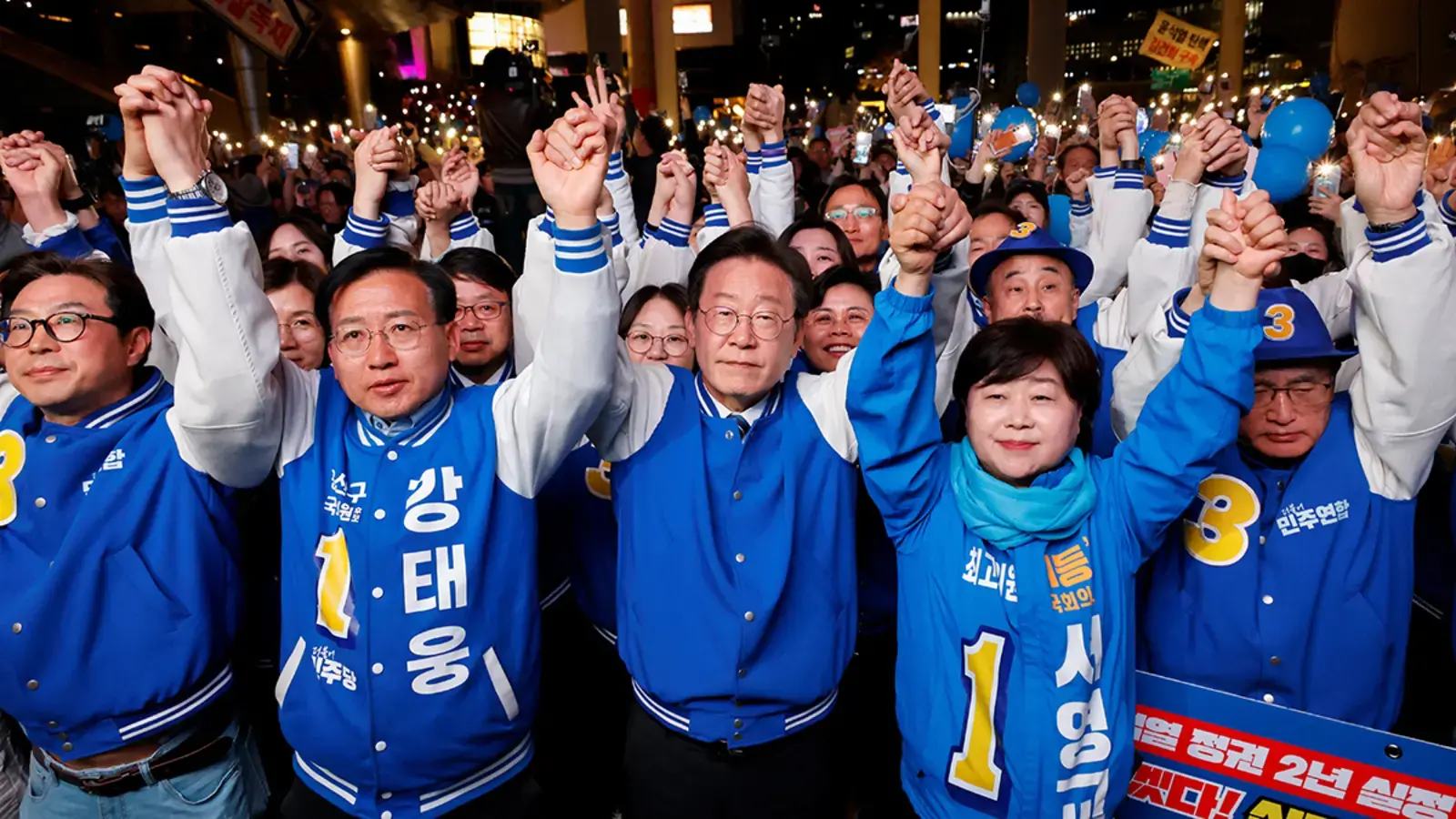
The center-left Democratic Party added to its legislative majority after the recent parliamentary election, which would deal a blow to President Yoon Suk Yeol’s domestic reform agenda and possibly his efforts to improve ties with Japan.
Lee Jae-myung (middle), leader of the main opposition Democratic Party, stands with supporters at a campaign rally in Seoul, South Korea on April 9, 2024. Kim Soo-hyeon/Reuters
What are the major takeaways from the National Assembly elections in South Korea?
South Koreans went to the polls on April 10 to elect every member of the unicameral National Assembly. To the chagrin of President Yoon Suk Yeol, his conservative People Power Party (PPP) did not secure a majority. PPP lost six seats from 114 to 108 and DPP and allies gained thirty seats from 157 to 187.
In Central Vietnam’s factory, wood chips are accumulated in the rear of a three-wheel vehicle used to transport acacia wood to the processing machine. Image by Thanh Nguyen.
Vietnam is ranked the fifth-largest country in the world, second in Asia, and the largest in Southeast Asia in furniture exports. Vietnamese furniture has been directly exported to 120 countries and territories.
However, behind this impressive figure is that series of natural forests that have been cut down and quickly. These forest land areas have been occupied for growing short-term timber trees.
Deforestation makes natural disasters in Vietnam more severe, local people suffer the most from the consequences.
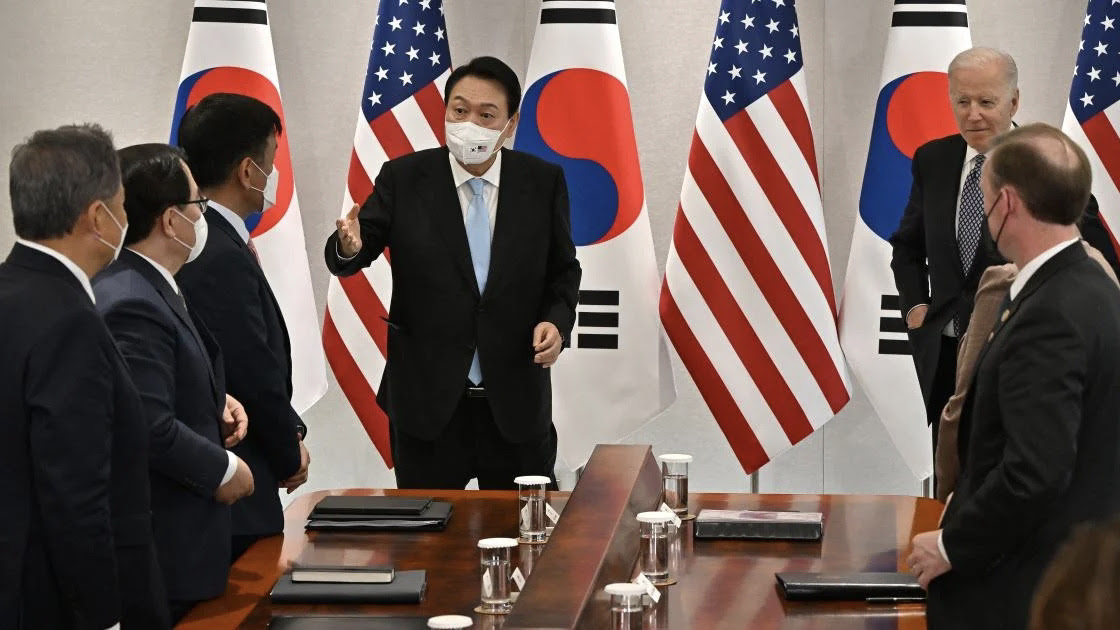
2022 ended with South Korea adopting specific Indo-Pacific terminology with the Dec. 28 release of its Strategy for a Free, Peaceful, and Prosperous Indo-Pacific Region (SFPPIP). The key takeaway: The SFPPIP, and President Yoon Suk Yeol, signal an end to South Korea’s “strategic ambiguity” under the previous president, Moon Jae-in. Seoul pivoting away from Beijing and toward Washington—delicately, but clearly. Tiếp tục đọc “South Korea’s Indo-Pacific pivot strategy”→
TTCT – Tôi vẫn muốn chúc mừng Hàn Quốc: giấc mơ về một “cường quốc văn chương” của các bạn đang trở thành hiện thực.
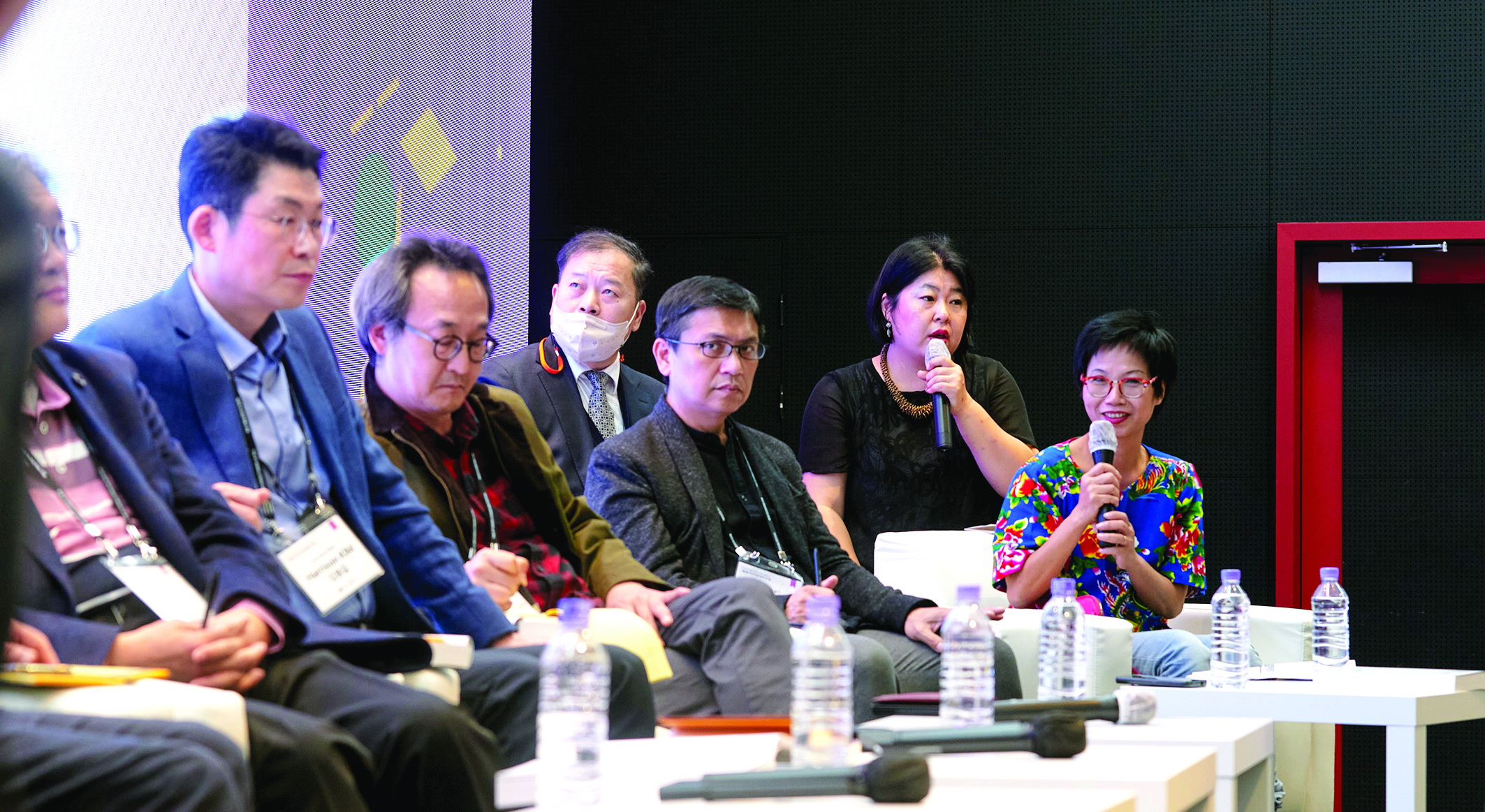
GS Đoàn Cầm Thi phát biểu tại một phiên thảo luận của fesstival.
Tại Asian Literature Festival lần IV (thành phố Gwangju, Hàn Quốc) với tư cách là chuyên gia văn học Việt Nam của Inalco (Học viện Ngôn ngữ và Văn minh Đông Phương Paris) và là người sáng lập Tủ sách Văn học Việt Nam đương đại (NXB Riveneuve Pháp), tôi trình bày về việc xuất bản văn học châu Á, đặc biệt là văn học Hàn (trong tương quan với văn học Việt Nam) ở châu Âu.
Người Hàn vốn thiết thực, dường như băn khoăn muốn biết văn chương của mình được phương Tây đánh giá thế nào. Năm 2019, xứ kim chi đã giành giải Cành cọ vàng cho phim Ký sinh trùng của Bong Joon Ho, liệu giấc mơ về một Nobel văn chương có được coi là không quá viển vông?
South Korean authorities said Monday they had no guidelines to handle the huge crowds that gathered for Halloween festivities in Seoul, as families in the country and around the world mourn the 155 victims of Saturday night’s crowd crush.
VNE – By Kim Ngan October 3, 2022 | 08:02 am GMT+7
Vietnamese laborers attend a meeting in Hanoi where they are prepared for working in South Korea, July 21, 2022. Photo by VnExpress/Hong ChieuBoth Hai in the northern-central Ha Tinh Province and Thang in Hanoi have the same dream: to go to South Korea to work.
But Thang is trying to achieve what he wants at Hai’s expense.
Hai is waiting anxiously for the South Korean government to lift its ban on workers from his home district, Cam Xuyen.
Cam Xuyen is one of eight districts in Vietnam whose residents cannot enter South Korea until the end of 2022.
Seoul slapped the bans after discovering many people from these districts are working illegally in South Korea.
TTCT – Dù không phải một ứng viên quá nổi bật trước cuộc bầu cử tổng thống Hàn Quốc ngày 9-3, nhưng cựu tổng trưởng công tố Yoon Suk Yeol đã giành chiến thắng chung cuộc, trở thành người chèo lái nền kinh tế lớn thứ 10 thế giới từ tháng 5-2022.
Theo giới quan sát, sự nghiệp chính trị của ông Yoon, 61 tuổi, đã lên vùn vụt mấy năm qua, dù xét về nhiều mặt, ông là một người ngoại đạo, chỉ vừa gia nhập “cuộc chơi” chính trường.
Với chuyên môn chính là ngành luật, ông từng nổi tiếng với vai trò chủ trì cuộc điều tra dẫn tới bản án chung cuộc phế truất và bỏ tù cựu tổng thống Park Geun Hye năm 2017. Năm 2019 ông được bổ nhiệm làm tổng trưởng công tố dưới thời Tổng thống đương nhiệm Moon Jae In.
Mối quan hệ giữa ông Yoon và ông Moon rạn nứt sau khi ông tổng trưởng công tố quyết liệt điều tra các bê bối liên quan một số đồng minh của ngài tổng thống. Xung đột khiến ông Yoon quyết định từ chức, gia nhập chính trường, sau đó trở thành ứng cử viên tổng thống của đảng đối lập.
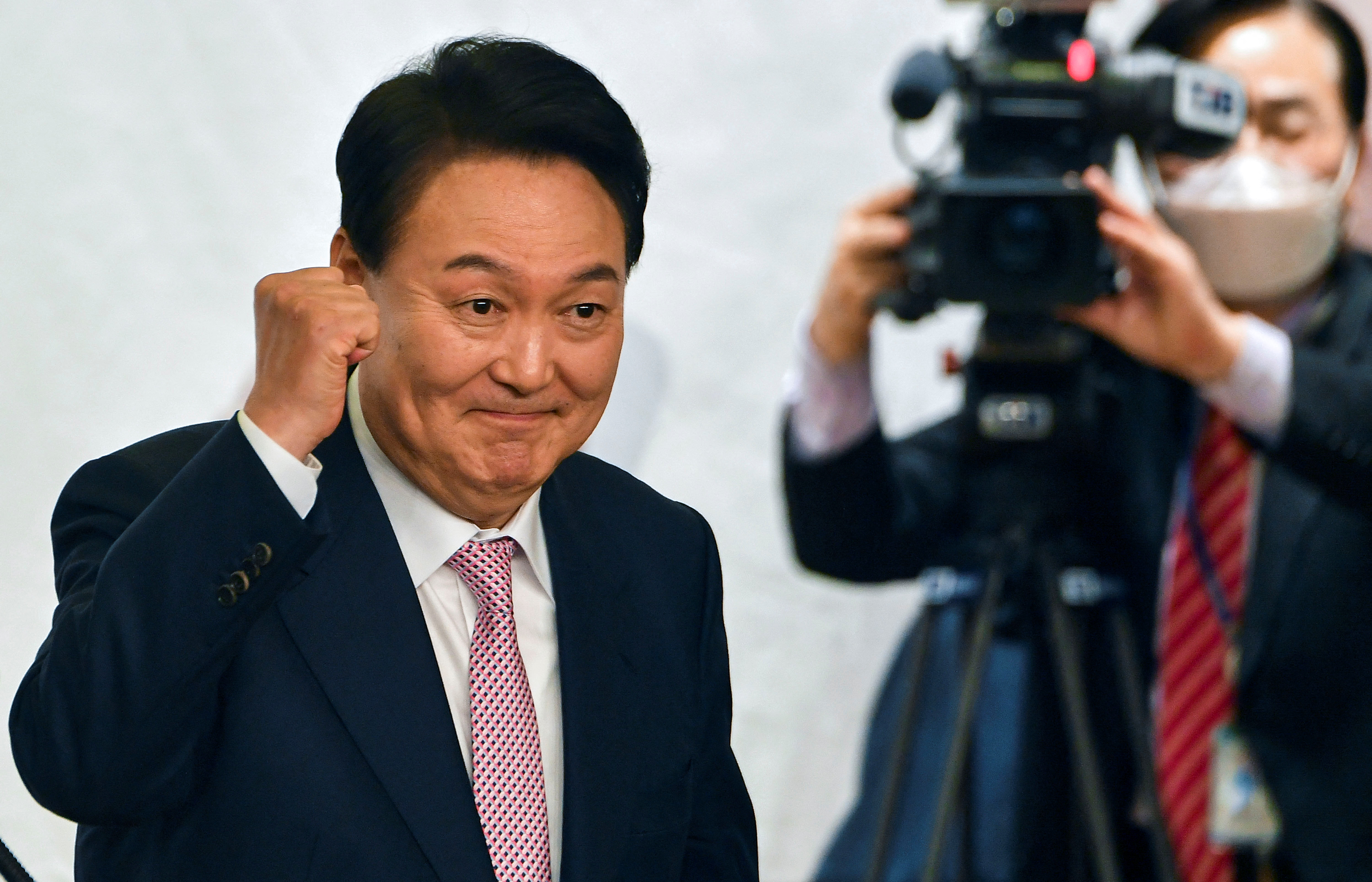
Tổng thống đắc cử Hàn Quốc Yoon Suk Yeol. Ảnh: Reuters
TTCT– Con trai của một người nhập cư từ CHDCND Triều Tiên sẽ trở thành tổng thống Hàn Quốc tiếp theo, trong một cuộc bầu cử có thể định hình phản ứng của cả cộng đồng quốc tế với chương trình hạt nhân của Bình Nhưỡng.
Ông Moon Jae In đứng trước rất nhiều thử thách trong nhiệm kỳ tổng thống sắp tới- ảnh: AP