World Consumes 100 Billion Tons of Materials Every Year

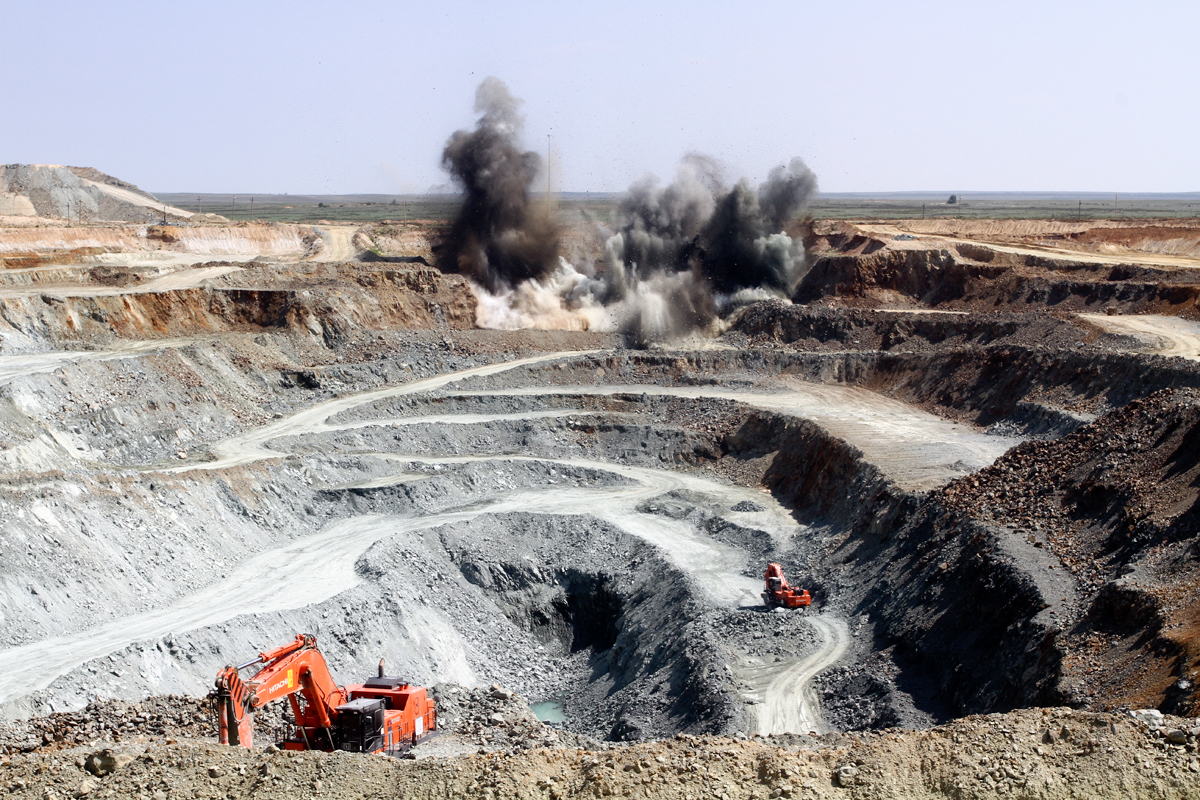
An open pit mine in Russia.

An open pit mine in Russia. RINAT GAREEV/WIKIMEDIA COMMONS

The amount of material consumed by humanity has passed 100 billion tons every year, report has revealed, but the proportion being recycled is falling.

The climate and wildlife emergencies are driven by the unsustainable extraction of fossil fuels, metals, building materials, and trees. The report’s authors warn that treating the world’s resources as limitless is leading towards global disaster.
Tiếp tục đọc “World Consumes 100 Billion Tons of Materials Every Year”

On a hotter planet, we are all Australians

thebulletin.com

By David Spratt, January 16, 2020

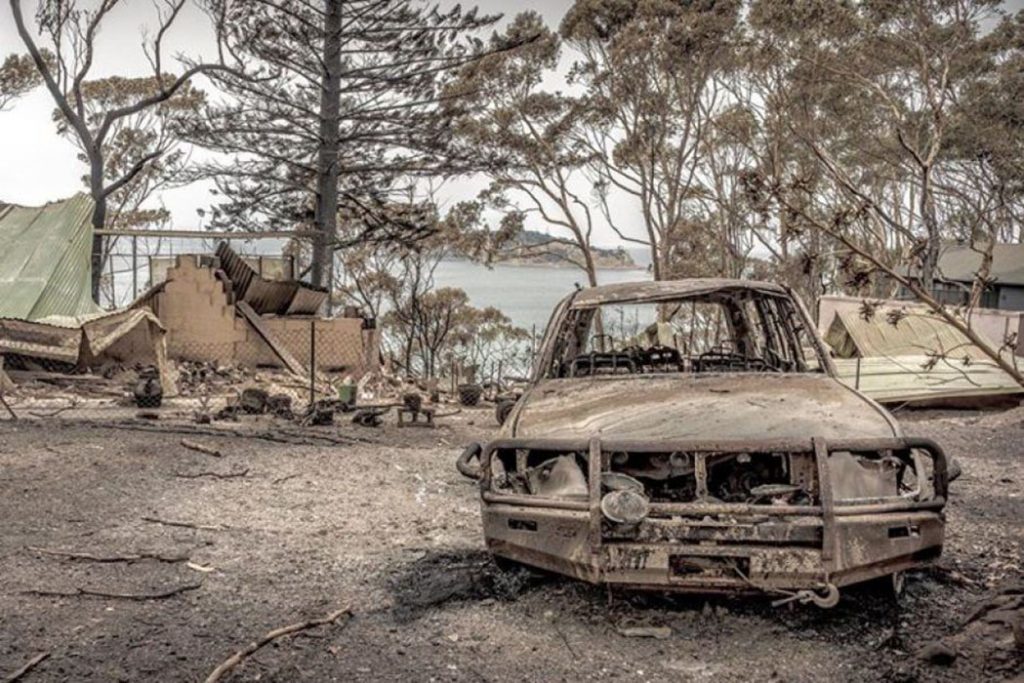
burnt-out car and scorched landAftermath of January 2020 wildfires in Rosedale, Victoria, about 184 kilometers east of Melbourne, Australia. Image courtesy Alan Meredith

“We are unleashing hell on Australia.”

Those were the words that David Karoly of the University of Melbourne used to portray the wildfires ravaging the lands down-under more than a decade ago. Yes, you read that right: this professor of climate change and climate variability had described an Australia of increased heat, drought, and catastrophic fire way back in 2009—not long after a round of wildfires had previously ravaged the landscape.

It turns out that while Australia’s 2019-20 summer wildfires may well be harbingers of death on a hotter planet for at least the rest of this century, they did not come without advance warning. The question now is: What are we going to do about it?

But first, let’s go back to those warnings, and how we got to this position.

Karoly’s research had, in part, focused on what is known here as Black Saturday—February 7, 2009—when devastating fires killed 173 people. (And another 374 extreme-heat-related deaths were attributed to the record-breaking heatwave across southern Australia that had set the stage for the flames.) Firefighters faced unprecedented conditions: high winds, very low humidity, a land dried by 10 years of drought, and a fire index reaching 170 on a 0-to-100 scale. The temperature hit a record 115.5 degrees Fahrenheit in the city of Melbourne and 119.8 degrees Fahrenheit in Victoria as a whole—the Australian state in which Melbourne sits. The amount of energy released by the fires was estimated to be the equivalent of around 1,500 Hiroshima atomic bombs.
Tiếp tục đọc “On a hotter planet, we are all Australians”

Vietnam and Asia neighbors hungry for cheap coal

asia.nikkei.com

Demand for low-grade coal expands amid economic growth

Vietnam’s steam coal imports in 2019 are estimated to total about 32 million tons, twice the amount for last year and up three times from three years ago.   © Reuters

TOKYO — Demand for low-grade coal with lower combustion efficiency is growing amid economic growth in Vietnam and other emerging Asian countries, placing another hurdle in the global race to reduce greenhouse gas emissions.

While prices of high-grade coal with higher power generation efficiency have fallen by more than 30% over the past year as developed countries have been reducing coal consumption, prices of low-grade coal have fallen more slowly. The price difference between the two categories of coal has shrunk to one-third the level of a year ago. Tiếp tục đọc “Vietnam and Asia neighbors hungry for cheap coal”

Vietnam among six nations worst hit by climate change in 20 years

By Minh Nga   December 10, 2019 | 07:48 am GMT+7 VNExpress

Vietnam among six nations worst hit by climate change in 20 years

Nguyen Thi Tu, a resident of Ho Chi Minh City’s District 7, walks on a flooded street as the city was hit by the record tide of more than 1.7 meters on September 30, 2019. Photo by VnExpress/Huu Khoa.

Vietnam is one of six countries most affected by climate change between 1999 and 2018, according to survey results released this week.

The Global Climate Risk Index, published by the German environmental think tank Germanwatch, ranked Vietnam sixth among countries hit hardest by extreme weather events in that period, with its Climate Risk Index (CRI) at 29.83.

Puerto Rico, Myanmar, Haiti, the Philippines and Pakistan are adjudged the worst affected nations with the lowest CRI scores.

Tiếp tục đọc “Vietnam among six nations worst hit by climate change in 20 years”

Các con đập hủy hoại Mê Kông như thế nào?

02/11/2019 – BVR&MT 

Khi người Trung Quốc đến làng Lat Thahae – ngôi làng tọa lạc trên một khúc cong đục ngầu của một nhánh sông Mê Kông, họ vẽ nguệch ngoạc mấy chữ tiếng Trung lên các bức tường nhà cửa, trường học và chùa chiền.

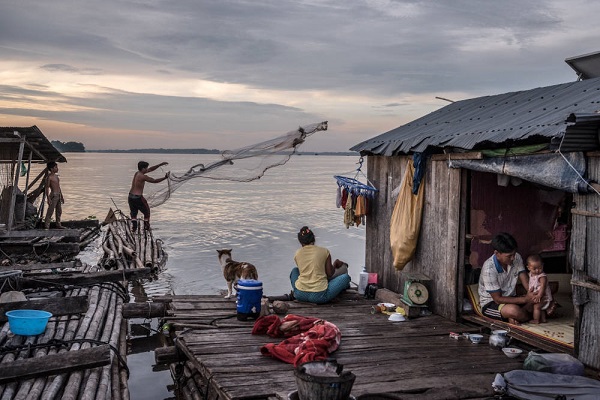
Một gia đình sống trôi nổi trên sông Mê Kông ở Campuchia vào tháng 12, gần khu vực con đập được đề xuất. Các quan chức và công ty Trung Quốc hy vọng rằng việc xây dựng các đập mới trong khu vực sẽ bù đắp cho sự tăng trưởng chậm lại ở quê nhà. (Ảnh: Sergey Ponomarev/The New York Times).
Không ai trong ngôi làng biệt lập ở miền bắc Lào này hiểu những chữ đó có nghĩa là gì. Nhưng chữ có nghĩa là “phá bỏ” ấy ảnh hưởng đến số phận của hàng trăm cộng đồng dọc theo dòng sông lớn châu Á.

Tiếp tục đọc “Các con đập hủy hoại Mê Kông như thế nào?”

Vietnam – “Rise and Fall” toward a sustainable Mekong Delta

>> Bài liên quan: Biện pháp đo độ cao mới cho thấy biến đổi khí hậu có thể nhanh chóng nhấn chìm đồng bằng sông Cửu Long

Netherlandandyou.nl

Hanoi, 24 October 2019 – The Mekong Delta is one of the most vulnerable deltas to climate change, particularly sea level rise. However, the social and economic developments in the region also have a significant impact on the land. Urbanisation, land-use transformation, intensification of economic activities and human protection against natural disasters has led to the large-scale extraction of fresh groundwater, heavy loading of infrastructure, upstream dykes and dam construction as well as loss of habitat and biodiversity. These human activities have accelerated the sediment starvation, salinisation, land subsidence and erosion. The Rise and Fall research program, a cornerstone in the Vietnam – the Netherlands delta collaboration, addresses these challenges with the Dutch multi-disciplinary approach in delta management by following four lines of research: fresh groundwater reserves, saline intrusion to surface water, land subsidence and governance. This research program plays an important role in the development of strategies and policies for the sustainable development of Mekong Delta with the significant findings as follow.

Mekong delta is much lower than previously assumed

Tiếp tục đọc “Vietnam – “Rise and Fall” toward a sustainable Mekong Delta”

Kiến thức bản địa: Các nhà sinh thái học đang học được điều gì từ người bản địa

English:
Native Knowledge: What Ecologists Are Learning from Indigenous People

Minh họa – LUISA RIVERA/YALE E360

Từ Alaska tới Australia, các nhà khoa học đang quay sang hiểu kiến thức của người bản địa để hiểu hơn về thế giới tự nhiên. Những gì các nhầ khoa học đang học được giúp họ có những khám phá mới về mọi thứ, từ việc bang tan chảy ở Bắc Cực, cho tới bảo vệ nguồn cá biển, và kiểm soát động vật hoang dã. 


Trong khi đang phỏng vấn những người lớn tuổi sống tại Inuit, Alaska để tìm hiểu thêm kiến thức của họ về cá voi trắng beluga và cách các loài động vật phản ứng với những thay đổi ở Bắc Cực, nhà nghiên cứu Henry Huntington dường như đã mất mạch cuộc trò chuyện khi những người thợ săn vùng Alaska đột nhiên chuyển từ chủ đề cá voi trắng sang chuyện về hải ly.  Tiếp tục đọc “Kiến thức bản địa: Các nhà sinh thái học đang học được điều gì từ người bản địa”

DÒNG SÔNG KHÔNG QUAY ĐẦU: MEKONG ĐỐI MẶT VỚI TƯƠNG LAI U ÁM

mekong-cuulong.blogspot.com

(River of no return: Mekong faces grim future)

Luke Hunt – Bình Yên Đông lược dịch

UCANews – August 21, 2019

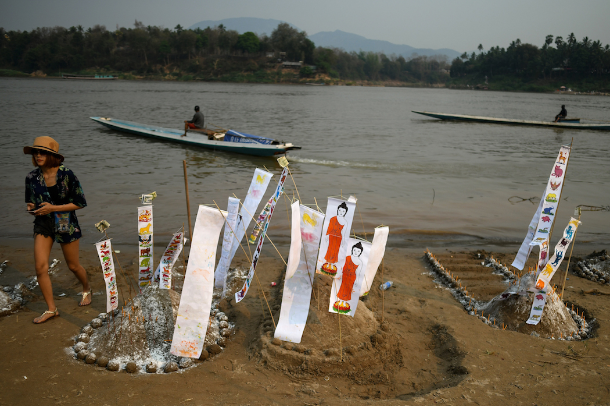
Hình chụp ngày 14 tháng 4 cho thấy một du khách đi ngang đụn cát hay “Toppathatsay” trên bờ sông Mekong đánh dấu năm mới ở Lào hay “Pi Mai” tổ chức ở Luang Prabang. [Ảnh: Manan Vatsyayana/AFP]

Một lần nữa, sông Mekong xuống thấp đến mức kỷ lục, đe dọa việc sản xuất hoa màu, ngư nghiệp và sinh kế của 70 triệu người giữa việc phát triển thái quá và những báo động tàn khốc.  Nhưng hạn hán năm nay, lần thứ hai trong vòng 3 năm, có thể đánh dấu một bước ngoặt và một tương lai đen tối.

Tiếp tục đọc “DÒNG SÔNG KHÔNG QUAY ĐẦU: MEKONG ĐỐI MẶT VỚI TƯƠNG LAI U ÁM”

VƯỢT QUA THAY ĐỔI KHÍ HẬU Ở ĐÔNG NAM Á BẰNG KỸ THUẬT CỔ ĐIỂN VÀ HIỆN ĐẠI

mekong-cuulong.blogspot.com

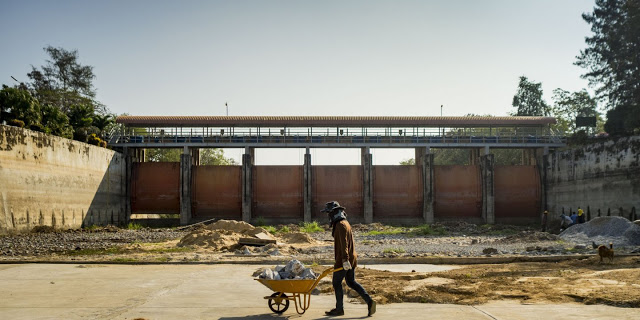
Số đập tăng vọt trong lưu vực Mekong, như đập nầy ở Thái Lan, được dự đoán là sẽ thay đổi lưu lượng sông trong những năm sắp đến, có khả năng làm nhiều vùng trở nên khó sống. [Ảnh: Jack Kurtz/Zuma]
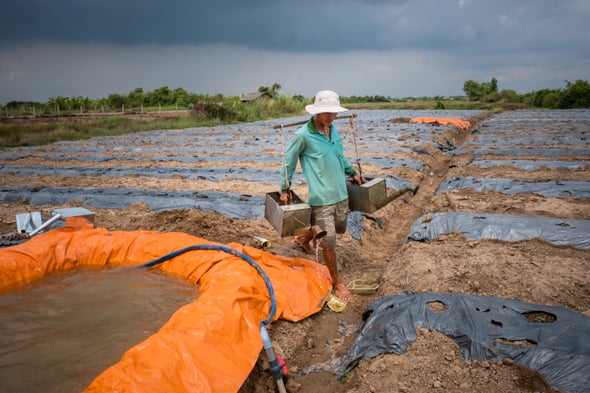
Keo Yeun gật đầu với 2 thanh sắt rồi với vũng nước đục ngầu gần đó. Vừa nhún vai vừa nói: “Nó không phải là phép thần thông. Tôi đang làm thí nghiệm về nước để sống còn.” Tiếp tục đọc “VƯỢT QUA THAY ĐỔI KHÍ HẬU Ở ĐÔNG NAM Á BẰNG KỸ THUẬT CỔ ĐIỂN VÀ HIỆN ĐẠI”

New Elevation Measure Shows Climate Change Could Quickly Swamp the Mekong Delta

scientificamerican.com

The surprise revelation means 12 million Vietnamese may need to retreat

New Elevation Measure Shows Climate Change Could Quickly Swamp the Mekong Delta
Ground truthing shows the vast Mekong Delta averages only 0.8 meter above sea level instead of the 2.6 meters officially quoted. Credit: Linh Pham Getty Images

A stunning 12 million people could be displaced by flooding in Vietnam’s Mekong Delta within half a century, according to new research led by Philip Minderhoud, a geographer at Utrecht University in the Netherlands. Minderhoud and his colleagues arrived at that surprising conclusion after analyzing ground-based measurements of the Mekong’s topography that the Vietnamese government shielded from Western scientists  for years. The results, published today in Nature Communications, show the Mekong’s elevation over sea level averages just 0.8 meter, which is almost two meters lower than commonly quoted estimates based on freely available satellite data.
Tiếp tục đọc “New Elevation Measure Shows Climate Change Could Quickly Swamp the Mekong Delta”

Châu Á vẫn mê than

nhipcaudautu – Thứ Hai | 02/09/2019 08:00


Ảnh: tinkinhte.com

Chính phủ các nước, đặc biệt tại châu Á, vẫn tiếp tục đổ tiền vào than đá, tác nhân lớn nhất gây biến đổi khí hậu.

Trước hệ lụy khó lường của biến đổi khí hậu, những thông tin về vị thế ngày càng suy giảm của than đá đã làm dấy lên tia hy vọng về một tương lai bớt u ám hơn của thế giới. Ngày càng nhiều quốc gia muốn giảm dần việc sử dụng than đá và tiến tới xóa bỏ hoàn toàn, một phần nhờ khí đốt giá rẻ và chi phí năng lượng gió và mặt trời giảm mạnh.

Tiếp tục đọc “Châu Á vẫn mê than”

Nghịch lý ở Đắk Lắk: Hơn 1.000ha cây trồng chết khát trong khi nhiều khu vực ngập lụt

21/08/2019 16:08 GMT+7

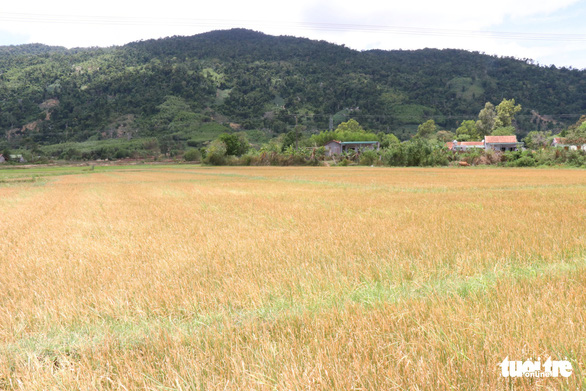
TTO – Trong khi nhiều địa phương tại Đắk Lắk như Ea Súp, Buôn Đôn, Buôn Ma Thuột, Cư M’gar… bị ngập lụt, thì tại huyện M’Đrắk lại khô hạn suốt 4 tháng qua làm hơn 1.000 ha cây trông chết khô.

Nghịch lý ở Đắk Lắk: Hơn 1.000ha cây trồng chết khát trong khi nhiều khu vực ngập lụt - Ảnh 1.

Hàng ngàn hecta lúa, hoa màu tại huyện M’Đrắk chết khô – Ảnh: L.ĐAN

Chiều 21-8, trao đổi với  Tuổi Trẻ Online, ông Nguyễn Thế Thập, trưởng phòng NN&PTNT huyện M’Đrắk ( Đắk Lắk), cho biết: địa đang dùng nhiều phương án để cứu các diện tích lúa, cây trồng còn lại trong đợt nắng hạn khủng khiếp vừa qua. Tiếp tục đọc “Nghịch lý ở Đắk Lắk: Hơn 1.000ha cây trồng chết khát trong khi nhiều khu vực ngập lụt”

Iceland holds funeral for first glacier lost to climate change


thguardian.com

Nation commemorates the once huge Okjokull glacier with plaque that warns action is needed to prevent climate change

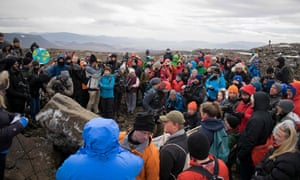
A ceremony to mark the passing of Okjokull, Iceland’s first glacier lost to climate change. It once covered 16sq km but has melted to a fraction.
 A ceremony to mark the passing of Okjokull, Iceland’s first glacier lost to climate change. It once covered 16sq km but has melted to a fraction. Photograph: Jeremie Richard/AFP/Getty Images

Iceland has marked its first-ever loss of a glacier to climate change as scientists warn that hundreds of other ice sheets on the subarctic island risk the same fate.

As the world recently marked the warmest July ever on record, a bronze plaque was mounted on a bare rock in a ceremony on the barren terrain once covered by the Okjökull glacier in western Iceland.

Ra mắt Liên minh Hành động vì Khí hậu Việt Nam

Ngày 21/08/2019, Hội thảo Ra mắt Liên minh Hành động vì Khí hậu Việt Nam đã diễn ra tại Thành phố Huế với sự tham dự của gần 100 đại diện đến từ đa dạng các doanh nghiệp, tổ chức phi chính phủ, phi lợi nhuận, các nhà cung cấp tài chính, cộng đồng người tiêu dùng, đại diện các trường đại học, cơ quan nghiên cứu, hỗ trợ kỹ thuật,đại diện các hiệp hội tiên phong thúc đẩy phát triển Xanh ở Việt Nam. Hội thảo được tổ chức nhằm chính thức ra mắt Liên minh Hành động vì Khí hậu Việt Nam, đồng thời kêu gọi sự tham gia của các bên liên quan cùng đóng góp cho mục tiêu thích ứng và ứng phó với biến đổi khí hậu ở Việt Nam.

Hội thảo mở ra cơ hội để hàng trăm đại diện từ các khối ban ngành liên quan cùng hội tụ, cùng chung sức đồng lòng khẳng định quyết tâm hành động cùng thích ứng và ứng phó với vấn nạn biến đổi khí hậu. Tọa đàm “Sáng kiến Xanh Hành động vì Khí hậu” là điểm sáng của ngày hội ra mắt Liên minh, tạo không gian thảo luận giữa các thành viên trong việc thực hiện chương trình Triệu Ngôi nhà Xanh, thúc đẩy ứng dụng năng lượng tái tạo, các giải pháp sử dụng năng lượng tiết kiệm và hiệu quả cấp hộ gia đình, tòa nhà văn phòng, nhà xưởng, doanh nghiệp vừa & nhỏ, cùng các giải pháp xanh khác. Tiếp tục đọc “Ra mắt Liên minh Hành động vì Khí hậu Việt Nam”

12 ways the tech sector can help save the climate in 12 years

World economic forum

Airline tycoon Richard Branson (L) and former U.S. vice-president Al Gore hold a globe in central London February 9, 2007. Branson announced on Friday a $25 million prize to the first person to come up with a way of scrubbing greenhouse gases out of the atmosphere in the battle to beat global warming. REUTERS Kieran Doherty (BRITAIN) - GM1DUOOSKJAA
The world needs to halve greenhouse gas emissions by 2030 to keep global warming below 1.5°C Image: Reuters

At Davos 2019, 16-year old Swedish climate activist Greta Thunberg told business leaders that we need to start treating the climate crisis as a crisis. She is right. We need the fastest energy transition in history. From how we consume, produce and work to what we eat, the world needs to cut climate emissions in half by 2030. That’s 12 years away. Tiếp tục đọc “12 ways the tech sector can help save the climate in 12 years”