
Cận cảnh hàng loạt DA triệu đô “chết yểu” tại Khu kinh tế Vũng Áng
cafef.vn Thứ 3, 07/03/2017, 11:09 AM

Đã có 9 dự án trong số 29 dự án được cấp phép đầu tư bị rút giấy phép, nhiều dự án khác đang lâm cảnh “án binh bất động”… Đó là tình trạng đang diễn ra tại Khu kinh tế Vũng Áng (TX. Kỳ Anh – Hà Tĩnh)
Hàng loạt dự án “khủng” bị rút giấy phép
Theo nguồn tin từ Ban Quản lý Khu kinh tế Hà Tĩnh cho biết, tính đến ngày 28/2/2017, tại KCN Vũng Áng 1 đã có 9 dự án bị rút giấy phép đầu tư.
Trong số 9 dự án bị rút giấy phép này có 4 dự án vốn đầu tư từ nước ngoài Tiếp tục đọc “Cận cảnh hàng loạt DA triệu đô “chết yểu” tại Khu kinh tế Vũng Áng”
Why is it important to use renewablwe energy?
WHY IS IT IMPORTANT TO USE RENEWABLE ENERGY?
Fossil-based fuels (oil, coal, and natural gas) currently provide about 85% of all the energy use both in US and worldwide. We all know that these resources are being constantly depleted and can’t be replaced within any practical time span. People often wonder how long exactly would they last? The remaining amount of a particular resource is often characterized by so-called Reserves-to-Production ratio (R/P). In plain language, R/P basically gives us the length of time the reserves would last if their usage continue at the current rate. Here are estimated world total R/P ratios for the main conventional fuels: oil – 46 years, natural gas – 58 years, coal – 118 years. Of course, the usage is constantly changing and once in a while new deposits are found. That’s why the above numbers are corrected every year. Tiếp tục đọc “Why is it important to use renewablwe energy?”
Lazard’s Levelized Cost of Energy Analysis – December 2016
Summary Considerations
Lazard has conducted this study comparing the levelized cost of energy for various conventional and Alternative Energy generation technologies in order to understand which Alternative Energy generation technologies may be cost – competitive with conventional generation technologies, either now or in the future, and under various operating assumptions, as well as to understand which technologies are best suited for various applications based on locational requirements, dispatch characteristics and other factors. We find that Alternative Energy technologies are complementary to conventional generation
technologies, and believe that their use will be increasingly prevalent for a variety of reasons, including RPS requirements, carbon regulations, continually improving economics as underlying technologies improve and production volumes increase, and government subsidies in certain regions.
In this study, Lazard’s approach was to determine the levelized cost of energy, on a $/MWh basis, that would provide an after – tax IRR to equity holders equal to an assumed cost of equity capital. Certain assumptions (e.g., required debt and equity returns, capital structure, etc.) were identical for all technologies, in order to isolate the effects of key differentiated inputs such as investment costs, capacity factors, operating costs, fuel costs (where relevant) and other important metrics on the levelized cost of energy. These inputs were originally developed with a leading consulting and engineering firm to the Power & Energy Industry, augmented with Lazard’s commercial knowledge where relevant. This study (as well as previous versions) has benefited from additional input from a wide variety of industry participants.
Lazard has not manipulated capital costs or capital structure for various technologies, as the goal of the study was to compare the current state of various generation technologies, rather than the benefits of financial engineering. The results contained in this study would be altered by different assumptions regarding capital structure (e.g., increased use of leverage) or capital costs (e.g., a willingness to accept lower returns than those assumed herein).
Key sensitivities examined included fuel costs and tax subsidies. Other factors would also have a potentially significant effect on the results contained herein, but have not been examined in the scope of this current analysis. These additional factors, among others, could include: capacity value vs. energy value; stranded costs related to distributed generation or otherwise; network upgrade, transmission or congestion costs; integration costs; and costs of complying with various environmental
regulations (e.g., carbon emissions offsets, emissions control systems).
The analysis also does not address potential social and environmental externalities, including, for example, the social costs and rate consequences for those who cannot afford distribution generation solutions, as well as the long-term residual and societal consequences of various conventional
generation technologies that are difficult to measure (e.g., nuclear waste disposal, environmental impacts, etc.).
Download: L A Z A R D ‘ S L E V E L I Z E D C O S T O F E N E R G Y A N A L Y S I S
Hydro vs. Wind vs. Solar Power?
Introduction
Electricity is energy produced by behavior of electrons and protons. Electrical energy or power is not actually or potentially supplied by nature; it has to be produced or generated by various secondary means, converting one form of energy into another. In the modern world, there is an unending need for energy to power electrical appliances, such as fans, lights, communication infrastructures, machines and computing systems, and other devices operated by electrical energy. Nowadays, power can be generated from several renewable and non-renewable energy sources, including fossil fuels, nuclear, geothermal, solar, wind, hydro, wood, biomass, and more.
Low Costs of Solar Power & Wind Power Crush Coal, Crush Nuclear, & Beat Natural Gas
Lào đẩy nhanh phát triển dự án cảng biển tại Việt Nam
(VIETNAM+) 25/05/2017 15:50 GMT+7
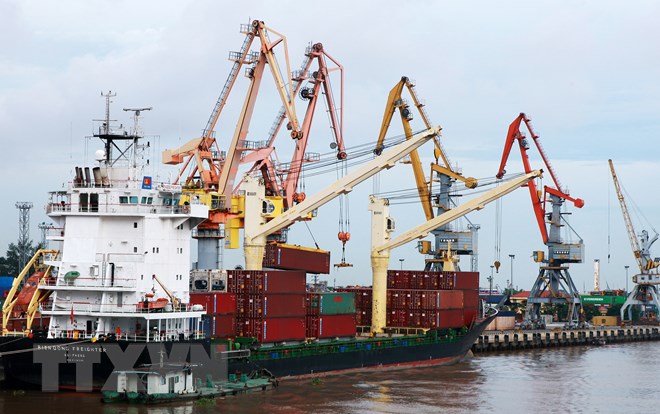 (Ảnh minh họa. Lâm Khánh/TTXVN)
Theo THX, truyền thông Lào ngày 25/5 đưa tin, Chính phủ Lào đã chỉ thị các cơ quan liên quan nghiên cứu việc thành lập một công ty cổ phần giữa tư nhân và nhà nước Lào để phối hợp với đối tác Việt Nam phát triển một cảng biển ở miền Trung Việt Nam.
[Việt Nam muốn Lào hỗ trợ điều tiết nguồn nước sông Mekong]
Tờ Thời báo Vientiane dẫn lời người phát ngôn Chaleun Yiapaoher của Chính phủ Lào cho biết chỉ thị trên được đưa ra trong một phiên họp nội các hàng tháng diễn ra trong hai ngày 22-23/5. Tiếp tục đọc “Lào đẩy nhanh phát triển dự án cảng biển tại Việt Nam”
Thưởng vô địch bóng đá nữ chỉ 1/10 bóng đá nam
28/03/2016 15:47
(NLĐO)– VFF chiều 28-3 công bố giải thưởng dành cho đội bóng đá nữ vô địch quốc gia năm 2016 là 300 triệu đồng, ít hơn đội bóng đá nam vô địch quốc gia cùng năm đúng 10 lần (300 triệu/3 tỉ đồng).

Lễ bốc thăm xếp lịch thi đấu giải bóng đá nữ Vô địch Quốc gia – Cúp Thái Sơn Bắc 2016
Chiều ngày 28-3, tại trụ sở Liên đoàn bóng đá Việt Nam (VFF) ở Hà Nội đã diễn ra lễ công bố và bốc thăm xếp lịch thi đấu Giải bóng đá nữ Vô địch Quốc gia – Cúp Thái Sơn Bắc 2016. Tiếp tục đọc “Thưởng vô địch bóng đá nữ chỉ 1/10 bóng đá nam”
Tóm tắt các vấn đề về ĐBSCL

Đồng bằng Sông Cửu Long ĐBSCL hiện nay đang đối diện một số vấn đề nghiêm trọng.
Vấn đề năng lượng
Đây có lẽ là vấn đề dễ giải quyết nhất đối với VN. Hai nguồn năng lượng tái tạo – NLTT, renewable energy – chính (mặt trời và gió) đủ để giải quyết năng lượng cho cả VN chứ không riêng gì ĐBSCL. Hiện nay giá năng lượng tái tạo càng ngày càng rẻ vì các tiến bộ kỹ thuật. Tuy nhiên VN hiện nay lệ thuộc 100% vào năng lượng hóa thạch (fossil energy) vì than và xăng dầu còn rẻ. Ông Điện lực VN lại là nhà độc quyền nên chẳng muốn thay đổi gì. Tiếp tục đọc “Tóm tắt các vấn đề về ĐBSCL”
International Waters Governance – Mekong
Mekong
Legal Basis:
The Mekong River Commission (“MRC”) governs the allocation and utilization of the Mekong River waters by four countries – Thailand, Cambodia, Vietnam, and Laos. The MRC was founded in 1995 pursuant to the Agreement on the Cooperation for Sustainable Development of the Mekong River Basin (the “1995 Agreement”), which was signed and entered into force at Chiang Rai, Thailand on 5 April 1995. On 5 April 2010, the heads of state of Thailand, Cambodia, Vietnam, and Laos met in Hua Hin, Thailand for the first MRC Summit to mark the 15th anniversary of the adoption of the 1995 Agreement. The parties adopted a joint declaration—the Hua Hin Declaration—reaffirming their commitment to implementing the 1995 Agreement. The 1995 Agreement was the result of more than 40 years of regional and supra-regional efforts to manage the resources of the Mekong River Delta. In the mid-1950s, the United Nation’s Economic Commission for Asia and the Far East (“ECAFE”) and the U.S. Bureau of Reclamation sent teams to the Mekong to examine water management issues. Both ECAFE and the U.S. Government published detailed reports of their findings. Tiếp tục đọc “International Waters Governance – Mekong”
Người trẻ Trung Quốc cho rằng thảm sát Thiên An Môn đã quá là chuyện cũ của năm 1989
English: China’s Youth Think Tiananmen Was So 1989
Cẩn trọng với bất cứ điều gì dính líu tới chính trị, giới trẻ tinh hoa ở Trung Quốc đang giúp chính phủ loại bỏ vụ thảm sát Thiên An Môn ra khỏi ký ức.
Tôi vẫn còn nhớ lần đầu tiên tôi nói chuyện về sự kiện Thiên An Môn với bạn cùng phòng của mình. Đó là đêm trước lần kỷ niệm thứ 20 của ngày 4 tháng 6.
“Này, các cậu có biết ngày hôm nay là ngày gì không?”
“Ngày 4 tháng 6.”
“Còn gì nữa?” “Tao biết mày muốn nói gì,” bạn nằm ở giường dưới tôi nói. “Đó là ngày kỷ niệm. Nhưng chúng ta có thể làm gì được?”
Sự thụ động đó không phải là ngoại lệ trong giới trẻ ngày nay ở Trung Quốc. Thật là một ý nghĩ thời thượng để hy vọng rằng lớp người trẻ và có học ở Trung Quốc muốn giữ ngọn lửa cháy của những sinh viên biểu tình và kêu gọi cải cách dân chủ vào mùa hè năm 1989, chỉ để hứng chịu cuộc đụng độ chết chóc với quân lính ở quanh Quảng trường Thiên An Môn Trung tâm Bắc Kinh vào ngày 4 tháng 6. Nhưng từ tất cả những gì tôi thấy và nghe được, giới trẻ có học và lớp tinh hoa của Trung Quốc không quan tâm đến việc giữ ký ức về thảm sát Thiên An Môn, mà báo chí chính thống không đề cập đến và đảng Cộng sản cầm quyền gần như xóa bỏ hoàn toàn khỏi những diễn văn hay bài viết công khai. Tuổi trẻ của TQ chỉ muốn tập trung vào việc kiếm tiền và tránh xa những rắc rối. Tiếp tục đọc “Người trẻ Trung Quốc cho rằng thảm sát Thiên An Môn đã quá là chuyện cũ của năm 1989”
Heat wave safety tips – An toàn trong bão nhiệt
Stay Informed: Monitor local radio and television (including NOAA Weather Radio), internet and social media for information and updates.
How to response to excessive heat events
- Slow down: reduce, eliminate or reschedule strenuous activities until the coolest time of the day. Children, seniors and anyone with health problems should stay in the coolest available place, not necessarily indoors.
-
- Dress for summer. Wear lightweight, loose fitting, light-colored clothing to reflect heat and sunlight.
- Eat light, cool, easy-to-digest foods such as fruit or salads. If you pack food, put it in a cooler or carry an ice pack. Don’t leave it sitting in the sun. Meats and dairy products can spoil quickly in hot weather.
- Drink plenty of water (not very cold), non-alcoholic and decaffeinated fluids, even if you don’t feel thirsty. If you on a fluid restrictive diet or have a problem with fluid retention, consult a physician before increasing consumption of fluids.
- Use air conditioners or spend time in air-conditioned locations such as malls and libraries.
- Use portable electric fans to exhaust hot air from rooms or draw in cooler air.
- Do not direct the flow of portable electric fans toward yourself when room temperature is hotter than 90°F. The dry blowing air will dehydrate you faster, endangering your health.
- Minimize direct exposure to the sun. Sunburn reduces your body’s ability to dissipate heat.
Tiếp tục đọc “Heat wave safety tips – An toàn trong bão nhiệt”
“Tao cứ chửi đó, chúng mày làm gì tao?”
04/11/2014 11:31
(NLĐO)- Đó là câu nói thách thức của một nhân viên kỹ thuật người nước ngoài làm việc tại công ty đóng trên địa bàn quận 12, TP HCM sau khi (CN) phản ứng cách quản lý hà khắc của công ty. Sự việc xảy ra cách nay chưa lâu.

Cũng ở quận 12, TP HCM, cuối tháng 9-2014 tại Công ty TNHH SJ Globol, ông Kim Young Wan, quản lý người Hàn Quốc, đã chửi bới, xua đuổi và lao vào đòi đánh một số CN phản đối việc công ty không giải quyết quyền lợi khi họ nghỉ việc. Tiếp tục đọc ““Tao cứ chửi đó, chúng mày làm gì tao?””
Làm hư nhà dân, đền bù bèo bọt
NLD – 31/05/2017 22:46
Nhiều hộ dân sống bên công trường đường cao tốc Đà Nẵng – Quảng Ngãi đoạn qua địa phận tỉnh Quảng Nam bức xúc vì nhà bị hư hỏng nhưng tiền đền bù quá ít, không đủ để sửa chữa

Hai bức tường nhà ông Trần Quốc Ngọc bị sụp đổ nhưng chỉ được đền bù hơn 28 triệu đồng
Phản ánh đến Báo Người Lao Động, ông Trần Quốc Ngọc (ngụ thôn Khánh Thọ, xã Tam Thái, huyện Phú Ninh, tỉnh Quảng Nam) cho biết từ khi tuyến đường cao tốc Đà Nẵng – Quảng Ngãi (ĐN-QN) được thi công, căn nhà cách đường khoảng 30 m của ông bắt đầu xuất hiện nhiều vết nứt. Tháng 3 vừa qua, khi đơn vị thi công tiến hành lu nền, 2 bức tường của căn nhà ông bị đổ sụp. Tiếp tục đọc “Làm hư nhà dân, đền bù bèo bọt”
Trụ trì uống rượu Tây, nhắm tiết canh! – 4 kỳ
- Kỳ 1: Khi người làng buồn lòng vì nhà sư…
- Kỳ 2: “Nó bảo làm đơn kiện tôi, tôi có sợ gì đâu!”
- Kỳ 3: “Kỳ phùng địch thủ” của sư Thích Thanh Mão
Kỳ 4: Lý luận kiểu “hàng tôm hàng cá” của sư trụ trì “ngày nào cũng say“
***
Kỳ 1: Khi người làng buồn lòng vì nhà sư…
 Chùa Phú Thị, xã Mễ Sở, huyện Văn Giang, tỉnh Hưng Yên, nơi nhà sư Thích Thanh Mão trụ trì từ năm 1999-2000 đến nay
Với lòng tôn kính Đức Phật, tôn kính cửa chùa trang nghiêm, thanh tịnh, chúng tôi đi nhẹ, nói khẽ, dạo qua một số ngôi chùa nổi tiếng ở miền Bắc, tiếp xúc với các vị tu hành thời mới. Bất ngờ thay, không ít chuyện buồn ngoài sức tưởng tượng đã hiện ra. Có khi tận mắt chứng kiến, có khi nghe chính sư trụ trì tiết lộ, có khi nghe bà con kêu cầu bức xúc, có khi chính quyền cơ sở thẳng thắn kiến nghị buồn rầu.
Tiếp tục đọc “Trụ trì uống rượu Tây, nhắm tiết canh! – 4 kỳ”
 CVD
CVD 