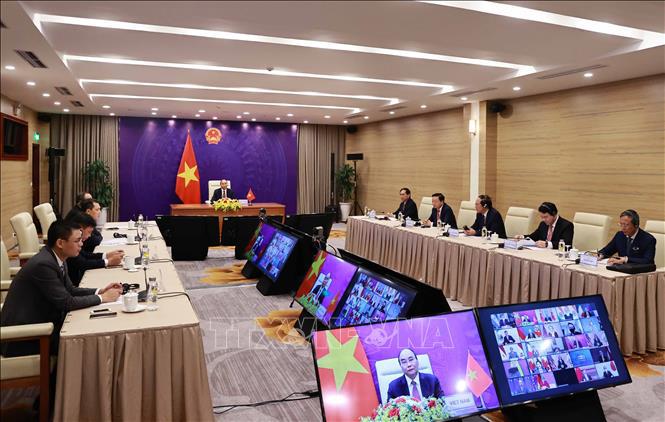
English: Unbundling in the European electricity and gas sectors
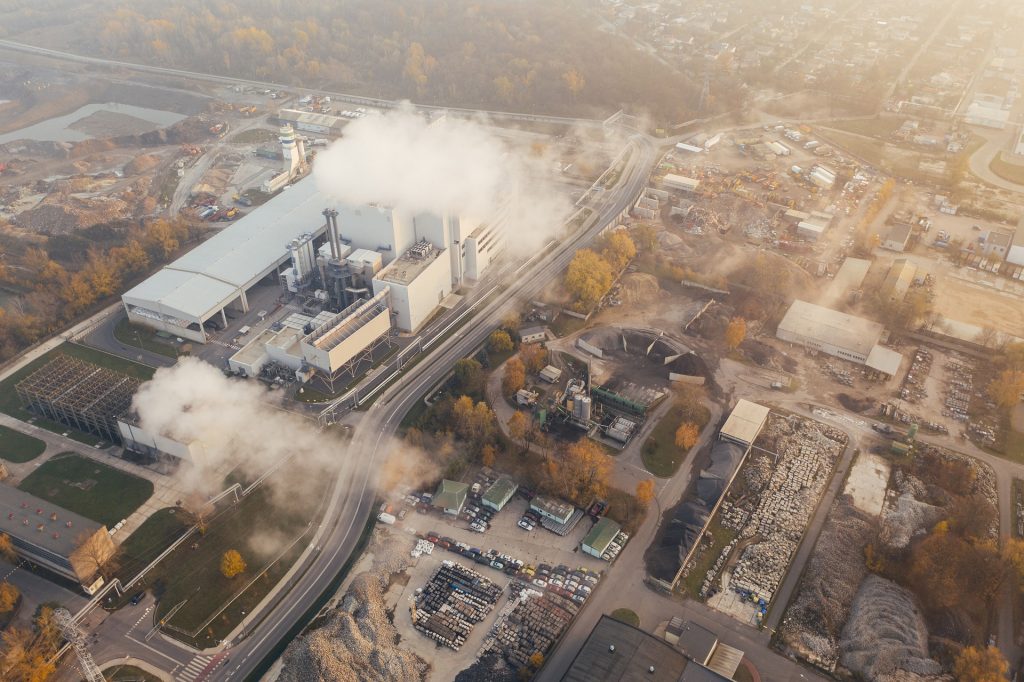
Phân tách quyền sở hữu là gì và tại sao lại quan trọng trong ngành điện và khí đốt
Phân tách quyền sở hữu là gì?
Theo quy định của các ngành công nghiệp mạng lưới như điện và khí – phân tách quyền sở hữu được hiểu là sự phân chia của các hoạt động có tiềm năng cạnh tranh (như sản xuất và cung cấp năng lượng) ra khỏi những hoạt động không thể hoặc không được phép cạnh tranh (như truyền tải và phân phối- trong các nước châu Âu, việc truyền tải và phân phối điện và khí đốt được điều tiết bởi các công ty độc quyền).
Việc phân tách quyền sở hữu ngụ ý rằng một bên thực hiện hoạt động cạnh tranh sẽ bị hạn chế và đương nhiên cũng bị ngăn cản thực hiện hoạt động độc quyền (nghĩa là không được phép gộp hai hoạt động này với nhau, vừa độc quyền vừa được cạnh tranh).
Khi thảo luận về
các mô hình điều tiết thì việc xác định mức độ phù hợp của việc tách các công ty trong mạng lưới độc quyền ra khỏi các công ty đang hoạt động cạnh tranh có một tầm quan trọng lớn. Vì vậy, tác quyền sở hữu là một ví dụ cho chủ đề được thảo luận sâu hơn trong Khóa đào tạo hàng năm của FSR về
Quy địnhcho các nhà cung cấp năng lượng.
Tại sao việc tách quyền sở hữu quan trong trong lĩnh vực năng lượng ?
Trong lĩnh vực điện và khí đốt, mạng lưới vật lý kết nối máy phát điện hoặc các nhà sản xuất khí đốt với người tiêu dùng có đóng vai trò là một cơ sở thiết yếu. Quyền truy cập vào mạng lưới là điều cơ bản đối với bất kỳ ai sẵn sàng mua hoặc bán năng lượng với chi phí hợp lý; cùng với đó, việc nhân rộng cơ sở hạ tầng vốn có là điều không thể hoặc cực kỳ tốn kém.
Chính vì vậy, việc một công ty kiểm soát mạng lưới và tham gia vào các phân đoạn cạnh tranh của chuỗi cung ứng thì việc hạn chế hoặc từ chối quyền tiếp cận (vào mạng lưới) của các công ty khác đang hoạt động phát điện hoặc bán điện là điều hiển nhiên. Do đó, việc đảm bảo quyền tiếp cận dựa trên cơ sở công bằng, minh bạch và không phân biệt đối xử đối với bất kỳ thành viên nào trên thị trường sẽ là bước đầu tiên và cần thiết để đạt được sự cạnh tranh hiệu quả trong ngành.
Tuy nhiên, bước đi đầu tiên này thường là không đủ để đảm bảo cạnh tranh công bằng và đây là lý do tại sao. Ngay cả khi bắt buộc phải cấp quyền truy cập cho bên thứ ba (
third party access – TPA) – có thể dựa trên cơ sở được điều tiết thay vì thương lượng – công ty kiểm soát mạng vẫn có thể hưởng lợi từ một sân chơi không bình đẳng. Đặc biệt, việc mở rộng mạng lưới điện có thể bị trì hoãn trong bối cảnh tắc nghẽn khiến phân khúc thị trường và một trong những đối thủ cạnh tranh vẫn được giữ được vị trí của mình. Hoặc là, công ty mẹ vẫn có thể trợ cấp chéo cho một trong những công ty của họ khi có sự cạnh tranh – chẳng hạn như cung cấp cho khách hàng sử dụng cuối cùng – với các nguồn lực đến từ một trong các hoạt động khác mà không phải của công ty đó.
Sự ra đời của phân tách quyền sở hữu, đặc biệt là ở dạng triệt để hơn, thể hiện một cải cách về mặt cấu trúc không chỉ loại bỏ khả năng mà cuối cùng còn là lợi ích chính của công ty kiểm soát mạng lưới trong việc phân biệt đối xử với những người chơi khác trên thị trường. Việc loại bỏ lợi ích đó để có một lợi thế quan trọng khác – nhưng thường bị bỏ qua- các lợi ích mà các biện pháp phi cấu trúc khác nhằm thiết lập một sân chơi bình đẳng không phải lúc nào cũng có: việc này sẽ tạo điều kiện cho các quy định giám sát.
Tuy nhiên, việc áp dụng các quy tắc tách quyền sở hữu cũng có một số nhược điểm như: có thể làm giảm hoặc loại bỏ một số phạm vị kinh tế đã có trước đây đối với các công ty tích hợp theo chiều dọc. Do đó, việc thực hiện các yêu cầu tách rời nên được áp dụng để xây dựng các cơ chế điều phối mới trong lĩnh vực được tái cơ cấu nhằm hạn chế sự kém hiệu quả.
Vậy có những loại phân tách quyền sở hữu nào đang tồn tại?
Có thể thấy có các mức độ tách nhóm khác nhau có các mức độ hiệu quả khác nhau.
Đầu tiên và cơ bản nhất đó là phân tách về mặt kế toán. Trong trường hợp này, công ty buộc phải tách các sổ sách kế toán cho các hoạt động khác nhau của công ty, chỉ rõ chi phí và doanh thu bao nhiều từ hoạt động nào. Thông tin được cung cấp sẽ làm tăng tính minh bạch và cho phép các cơ quan quản lý đánh giá tốt hơn mức độ đầy đủ của các mức thuế được đề xuất cho các hoạt động được điều tiết và phát hiện các trường hợp trợ cấp chéo có thể xảy ra.
- Bước tiếp theo là phân tách về chức năng. Trong trường hợp này, công ty có nghĩa vụ tổ chức lại cấu trúc nội bộ và giao trách nhiệm về mạng lưới và các hoạt động cạnh tranh của mình cho các đơn vị khác nhau để có thể đưa ra quyết định độc lập với đơn vị kia. Việc tạo ra một “bức tường Thành” giữa các đơn vị đó có thể là một phần của nghĩa vụ có thể thấy trước ở loại hình phân tách này.
- Phân tách về mặt pháp lý có thể được đưa ra để ngăn chặn xa hơn việc phân biệt đối xử. Trong trường hợp này, một pháp nhân riêng biệt được thành lập và chịu trách nhiệm về các hoạt động của mạng lưới. Do có mức độ tách biệt cao hơn, việc quản lý của tổ chức được cho là vận hành độc lập hơn. Tuy nhiên, pháp nhân chưa được hợp pháp hóa vẫn có thể thuộc sở hữu của công ty hợp nhất theo chiều dọc trước đây thông qua một công ty mẹ. Do đó, không thể hoàn toàn loại trừ lợi ích trong phân biệt đối xử với những người chơi khác trên thị trường và ưu ái công ty mẹ.
- Một lối thoát khả thi được thể hiện bằng việc thành lập một nhà điều hành hệ thống độc lập – independent system operator, không thuộc sở hữu của công ty tích hợp chiều dọc, họ sẽ được giao nhiệm vụ vận hành cơ sở hạ tầng hiện có và lập kế hoạch mở rộng cơ sở hạ tầng đó, trong khi quyền sở hữu tài sản mạng có thể được duy trì trong sự kiểm soát của công ty tích hợp. Mô hình này có tác dụng thúc đẩy việc sử dụng hiệu quả cơ sở hạ tầng hiện có; tuy nhiên, nó không phải là không có nhược điểm và hiếm khi được sử dụng ở châu Âu.
- Hình thức cuối cùng là tách hoàn toàn quyền sở hữu. Trong trường hợp này, một công ty sở hữu và vận hành một mạng lưới không thể hoạt động trong bất kỳ phân đoạn cạnh tranh nào của chuỗi cung ứng cũng như không có bất kỳ lợi ích nào trong công ty liên quan đến các hoạt động đó. Điều ngược lại này cũng đúng: vì một nhà máy phát điện hoặc một nhà cung cấp khí đốt sẽ không thể có bất kỳ cổ phần nào trong công ty đã hoàn toàn tách quyền sở hữu. Hình thức tách biệt triệt để này sẽ giải quyết một cách hợp lý vấn đề phân biệt đối xử khi tham gia mạng lưới.
Các quy tắc tách quyền sở hữu ở Châu Âu là gì?
Ở Châu Âu, các quy tắc về tách quyền sở hữu đã thay đổi theo thời gian và dần trở nên nghiêm ngặt hơn, đặc biệt là liên quan đến truyền tải. Gói Năng lượng Thứ ba được thông qua vào năm 2009 dự đoán việc tách quyền sở hữu là một lựa chọn mặc định để truyền tải điện và khí đốt, trong khi đối với phân phối điện và khí đốt là bắt buộc. Các nhà vận hành hệ thống phân phối (Distribution system operators – DSO) có dưới 100.000 khách hàng được miễn yêu cầu này: việc tách tài khoản và chức năng được coi là đủ yêu cầu trong trường hợp này. Năm 2019, việc sửa đổi Chỉ thị về Điện trong Gói Năng lượng Sạch không làm thay đổi đáng kể khung pháp lý nhưng đã cung cấp một số thông số kỹ thuật bổ sung về khả năng cho các nhà vận hành hệ thống có thể sở hữu, phát triển, quản lý hoặc vận hành các cơ sở lưu trữ và điểm sạc cho xe điện. Chỉ thị cũng quy định rằng các nhà vận hành hệ thống phân phối DSO điện lực liên quan đến quản lý dữ liệu phải áp dụng các biện pháp cụ thể để loại trừ phân biệt đối xử về quyền truy cập vào dữ liệu khách hàng từ các bên đủ điều kiện và rằng các công ty tích hợp theo chiều dọc không có quyền truy cập đặc quyền để tiến hành các hoạt động cung cấp của họ.
Các tài nguyên và liên kết liên quan
- Thảo luận về một số chủ đề liên quan đến quy định mạng lưới điện ở Châu Âu, bao gồm cả việc tách quyền sở hữu, có thể được tìm thấy trong cuốn sách do Leonardo Meeus và Jean-Michel Glachant xuất bản vào năm 2018: “Quy định mạng lưới điện ở EU”.
- Phân tích về trường hợp của nhà vận hành hệ thống phân phối DSO điện và những thách thức mới đặt ra bởi những phát triển gần đây trong lưới điện phân phối (sự thâm nhập của hệ thống phát điện phân tán, quản lý tắc nghẽn cục bộ, v.v.) có thể được tìm thấy trong một báo cáo về Gói năng lượng sạch do Trường Florence xuất bản. Quy chế năm 2019.
- Có thể tìm thấy một lưu ý giải thích về tách quyền sở hữu trong Gói Năng lượng Thứ ba trong một tài liệu do Ủy ban Châu Âu xuất bản năm 2010.
- Cuối cùng, đánh giá về việc thực hiện hiện tại các quy tắc về tách quyền sở hữu ở EU, bao gồm mô tả về những thay đổi xảy ra với việc thông qua Gói năng lượng sạch, có thể được tìm thấy trong Đánh giá hiện trạng do Hội đồng các cơ quan quản lý năng lượng châu Âu xuất bản năm 2019 .
Khoá Đào tạo hàng năm của FSR về Quy định Sử dụng Năng lượng thảo luận về tầm quan trọng của việc tách quyền sở hữu lĩnh vực năng lượng.
Bài liên quan:
>> Các mô hình điều tiết trong ngành điện: Ai làm gì và vì sao
>> Giá điện bán lẻ: Đã đến lúc bóc tách
>> Tự do hoá thị trường điện Châu Âu: nửa ly nước đầy







 A bronze Buddha statue stands top on Mount Fansipan in Sa Pa Town, northern Vietnam. Photo courtesy of Sun World Fansipan Legend.The Great Amitabha Buddha statue located at a pagoda complex on Mount Fansipan in highlands resort town Sa Pa has set a world record.