The country has emerged as a regional leader in renewables, but some thorny challenges lie ahead.
By Kathryn Neville November 25, 2022
ADVERTISEMENT
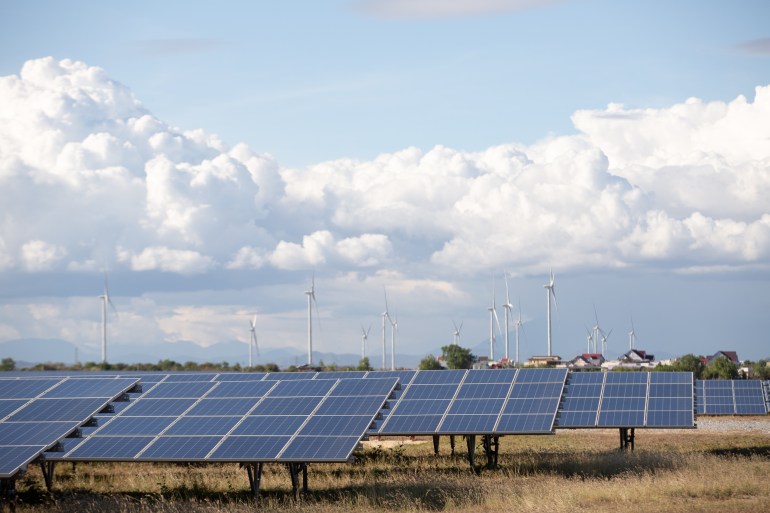
Earlier this fall, U.S. climate envoy John Kerry shone a spotlight on Vietnam, urging the Southeast Asian nation to “do what is sensible” and refocus its energy sector by investing in renewables and retiring fossil fuels. His remarks coincided with a deal between the European Union and the United Kingdom that made headway last week, which will see the two powers invest at least $11 billion in Vietnam’s green transition. The Just Energy Transition Partnership (JETP) seeks to cancel projects for new coal plants and build out 60GW of renewable energy capacity by 2030. Expected to be finalized at an Association of Southeast Asian Nations (ASEAN) meeting next month, the ambitious package will include public and private financing, technology transfers, and technical assistance.
JETP is not the first deal of its kind. The last decade has seen investors show a growing interest in expanding renewable technology in Southeast Asia. But for Vietnam’s government, the green energy transition is less about a passion for saving the planet and more about driving economic growth by any means possible. Vietnam cares about decarbonization – and renewables do have the potential to become the lowest-cost available energy option. But many political, regulatory, and financing challenges still stand in the way of this goal. Vietnam will ultimately act in its own best interest when deciding its energy future, but it must be wary of not getting overly ambitious with its commitments to the green transition by taking on debt and accepting capital for projects that are premature, imprudent, or ill-advised. An “energy transition” can be dangerous to any developing country that does not have the same risk tolerance as wealthier nations, and Vietnam is susceptible to falling into this trap.